Revolutionary Radiative Cooling Material: Zero-Energy Passive Cooling Technology for Buildings

All Categories

Get a Free Quote

Our representative will contact you soon.
Email
Mobile/WhatsApp
Name
Company Name
Message
0/1000

radiative cooling material

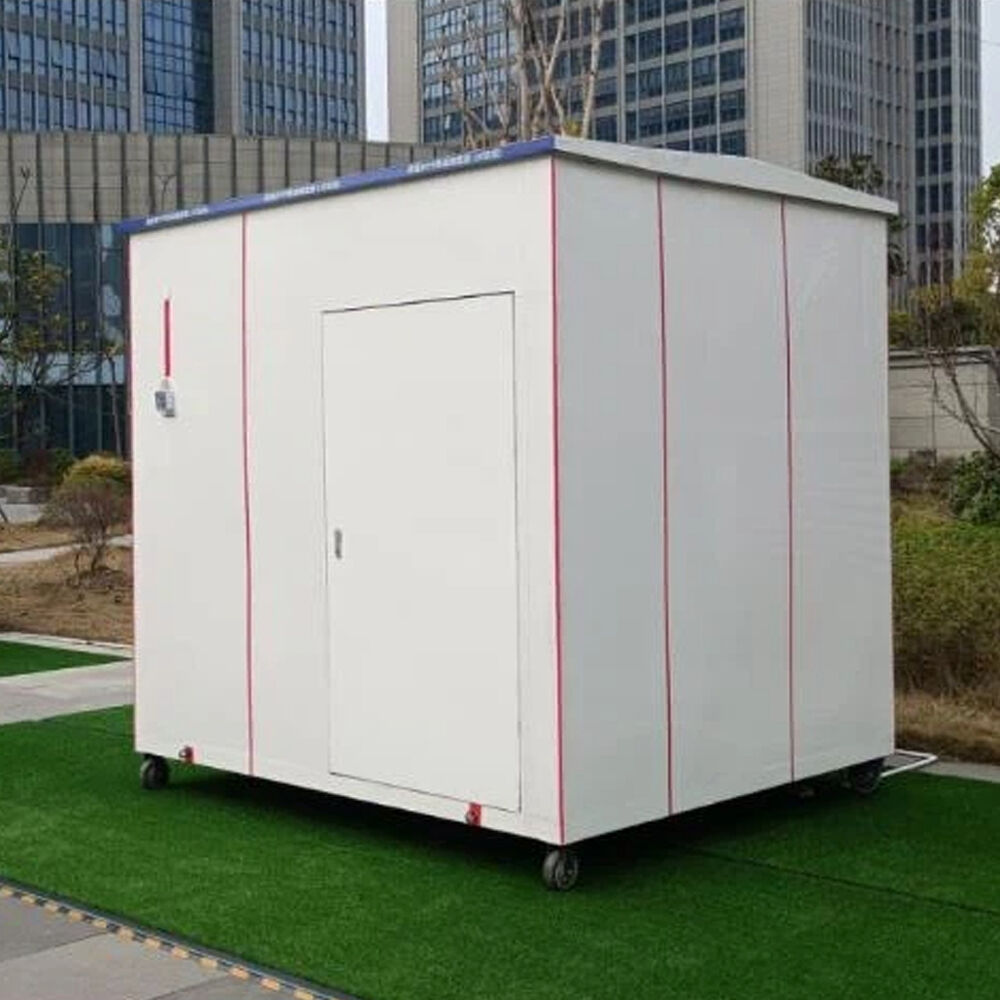
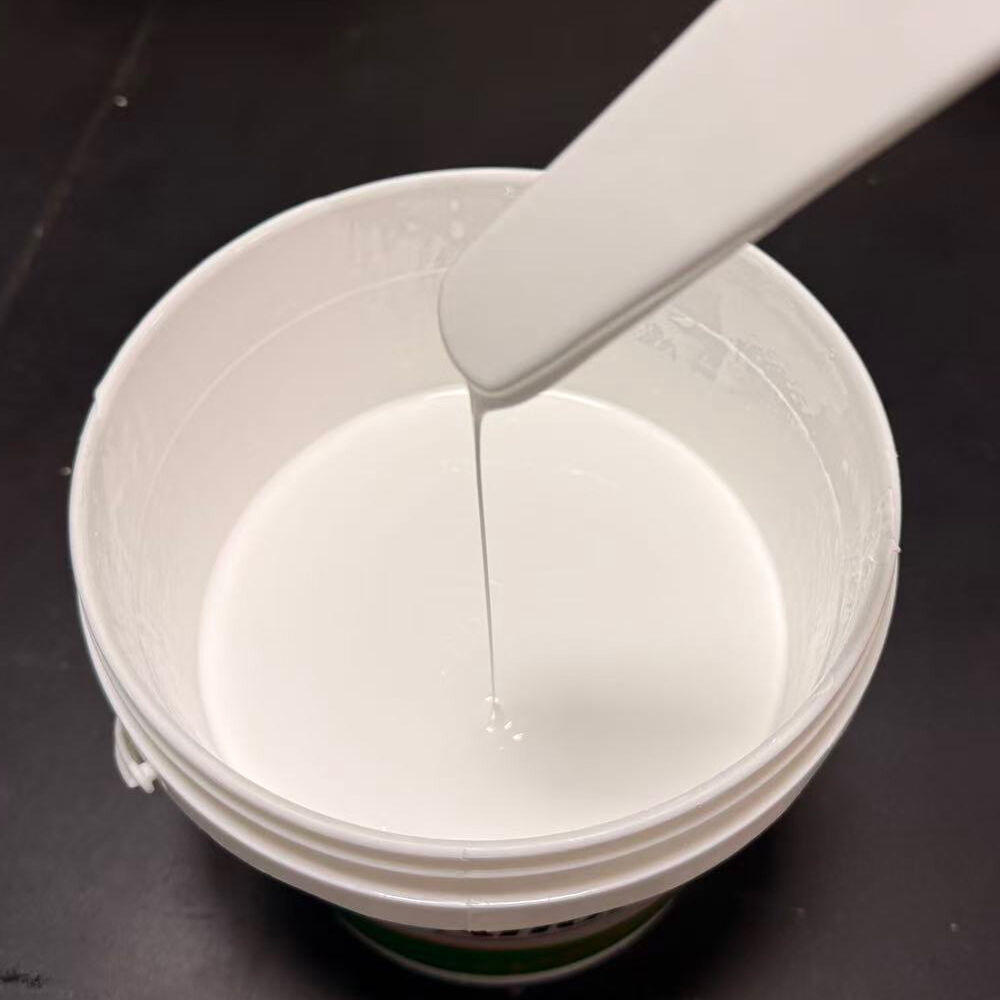
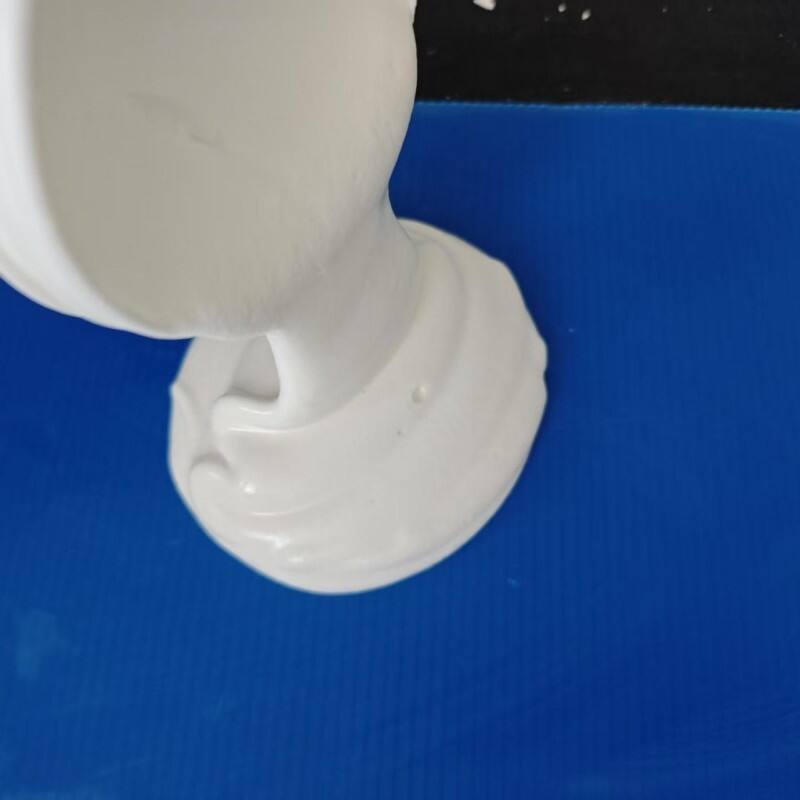
Radiative cooling material represents a groundbreaking technology that harnesses the natural process of thermal radiation to achieve cooling without consuming electricity. This innovative material works by emitting infrared radiation directly to outer space through the atmospheric window, effectively removing heat from surfaces and buildings. The radiative cooling material operates on the principle that all objects emit thermal radiation, and by engineering specific optical properties, these materials can emit more heat than they absorb from sunlight and ambient sources. The technology incorporates advanced photonic structures and specialized coatings that maximize emissivity in the 8-13 micrometer wavelength range while minimizing solar absorption across the visible and near-infrared spectrum. These materials typically feature multilayer designs with carefully controlled thickness and refractive indices to optimize their radiative properties. The radiative cooling material can be applied as coatings, films, or integrated into building materials like roofing systems and facades. Key technological features include selective spectral properties, passive operation requiring no external power, durability under various weather conditions, and compatibility with existing building systems. The material maintains its cooling performance during both day and night, though peak efficiency occurs during clear sky conditions when atmospheric transparency is highest. Applications span residential and commercial buildings, automotive industry, textile manufacturing, food storage facilities, and electronic device cooling. The radiative cooling material offers significant energy savings by reducing air conditioning loads, lowering peak electricity demand, and contributing to urban heat island mitigation. Manufacturing processes for these materials involve precision coating techniques, nanostructuring methods, and quality control systems to ensure consistent performance. The technology represents a paradigm shift toward sustainable cooling solutions that work in harmony with natural physical processes rather than against them.

New Product Recommendations

The radiative cooling material delivers substantial cost savings by dramatically reducing energy consumption in buildings and industrial facilities. Property owners experience immediate reductions in electricity bills as the material naturally cools surfaces without requiring any power input, operating continuously day and night. Unlike traditional air conditioning systems that consume massive amounts of electricity, this passive cooling technology works silently and efficiently, cutting cooling costs by up to 50 percent in optimal conditions. The material provides consistent temperature regulation, maintaining comfortable indoor environments while minimizing reliance on mechanical cooling systems. Environmental benefits make radiative cooling material an attractive choice for eco-conscious consumers and businesses seeking to reduce their carbon footprint. The technology eliminates greenhouse gas emissions associated with conventional cooling methods, contributing directly to climate change mitigation efforts. Building owners achieve significant LEED certification points and meet green building standards more easily when incorporating this sustainable cooling solution. The material supports corporate sustainability goals and environmental reporting requirements while demonstrating commitment to responsible resource management. Installation simplicity sets radiative cooling material apart from complex HVAC systems and renewable energy installations. The material can be applied using standard coating techniques or installed as prefabricated panels, requiring minimal specialized training or equipment. Maintenance requirements remain virtually nonexistent, as the material contains no moving parts, electrical components, or consumable elements that need regular replacement. Weather resistance ensures long-term performance across diverse climatic conditions, from desert heat to humid coastal environments. The radiative cooling material withstands UV exposure, temperature cycling, and precipitation without degradation in cooling performance. Durability testing demonstrates material integrity over decades of continuous operation, providing excellent return on investment. Versatility allows integration into numerous applications beyond building cooling, including automotive thermal management, textile cooling for outdoor workers, and temperature control for sensitive equipment. The material adapts to existing infrastructure without requiring structural modifications or extensive retrofitting, making adoption straightforward for property managers and facility operators seeking immediate cooling benefits.

Latest News

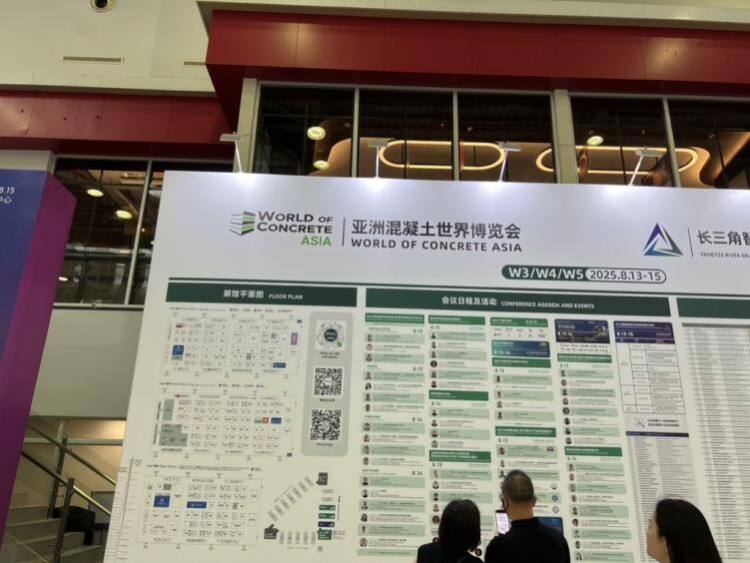
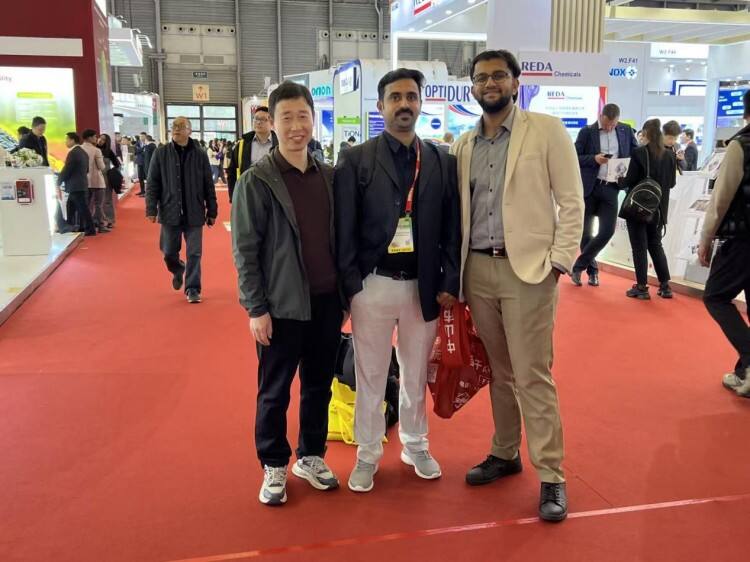
Shandong Huacheng High-Tech Participates in WORLD OF CONCRETE ASIA 2025 in Shanghai

25

Feb

Shandong Huacheng High-Tech Participates in WORLD OF CONCRETE ASIA 2025 in Shanghai

View More
Shandong Huacheng High-Tech Shines at CHINACOAT 2025 Shanghai

25

Feb

Shandong Huacheng High-Tech Shines at CHINACOAT 2025 Shanghai

View More
Huacheng High-Tech Recognized as Provincial Enterprise Technology Center by Shandong Province

27

Feb

Huacheng High-Tech Recognized as Provincial Enterprise Technology Center by Shandong Province

View More

Get a Free Quote

Our representative will contact you soon.
Email
Mobile/WhatsApp
Name
Company Name
Message
0/1000

radiative cooling material

Zero Energy Consumption Technology

Zero Energy Consumption Technology

The radiative cooling material operates through a revolutionary passive cooling mechanism that requires absolutely no electricity or external energy input to function effectively. This groundbreaking approach leverages the fundamental physics of thermal radiation, where the material is specifically engineered to emit infrared radiation directly into outer space through the atmospheric transparency window. The process works continuously, 24 hours a day, regardless of ambient conditions, making it the ultimate sustainable cooling solution for modern applications. Unlike conventional cooling systems that consume substantial amounts of electricity and contribute to peak demand charges, this material provides consistent temperature reduction without adding to utility bills or carbon emissions. The zero energy consumption feature becomes particularly valuable in remote locations where electricity access is limited or expensive, enabling cooling capabilities in off-grid applications such as rural buildings, temporary structures, and mobile installations. Building owners and facility managers appreciate the predictable operating costs, as the material eliminates variable energy expenses associated with traditional cooling methods. The technology's passive nature means no concerns about power outages, electrical failures, or maintenance of complex mechanical systems that typically plague conventional cooling installations. Manufacturing facilities benefit tremendously from this energy independence, especially in industries where process cooling represents a significant portion of operational expenses. The radiative cooling material enables companies to achieve substantial cost reductions while improving their environmental sustainability profiles. Investment payback periods become highly attractive when considering eliminated electricity costs over the material's multi-decade lifespan. Additionally, the technology supports grid stability by reducing peak electrical demand during hot weather periods when cooling loads typically strain electrical infrastructure. This zero energy characteristic makes radiative cooling material an essential component of resilient building design and sustainable development strategies for the future.
Superior Heat Rejection Performance

Superior Heat Rejection Performance

Radiative cooling material achieves exceptional heat rejection capabilities that surpass traditional cooling methods through advanced photonic engineering and selective spectral properties. The material is meticulously designed to maximize thermal emissivity in the critical 8-13 micrometer atmospheric window while simultaneously minimizing solar heat absorption across visible and near-infrared wavelengths. This dual-function approach enables the material to reject significantly more heat than it absorbs, creating net cooling effects even under direct sunlight conditions. Laboratory testing demonstrates cooling power densities exceeding 100 watts per square meter under optimal clear sky conditions, with sustained performance throughout day and night cycles. The superior heat rejection stems from carefully controlled multilayer structures that manipulate electromagnetic radiation at the nanoscale level, creating interference patterns that enhance thermal emission while suppressing unwanted absorption. Surface temperatures can be reduced by 10-15 degrees Celsius compared to conventional materials under identical environmental conditions, providing substantial thermal comfort improvements for building occupants and equipment protection. The material maintains consistent heat rejection performance across wide temperature ranges, adapting automatically to changing thermal loads without requiring system adjustments or control interventions. Peak cooling performance occurs during nighttime hours when sky temperatures are lowest, but significant heat rejection continues during daytime operation, making the technology viable for continuous cooling applications. Industrial processes benefit from this superior heat rejection through improved equipment efficiency, reduced thermal stress on components, and enhanced product quality in temperature-sensitive manufacturing operations. Agricultural applications leverage the enhanced heat rejection to create cooler microclimates for livestock and crop protection, improving yields and animal welfare in hot climates. The material's heat rejection capabilities scale effectively from small residential applications to large commercial installations, maintaining performance efficiency regardless of installation size or configuration.
Maintenance-Free Operation

Maintenance-Free Operation

The radiative cooling material offers completely maintenance-free operation throughout its extended service life, eliminating the ongoing costs, complexity, and reliability concerns associated with conventional cooling systems. This remarkable characteristic stems from the material's passive design philosophy, incorporating no moving parts, electrical components, pumps, compressors, or consumable elements that typically require regular servicing, replacement, or repair. The solid-state nature of radiative cooling material ensures consistent performance without the mechanical wear, chemical degradation, or component failures that plague traditional HVAC equipment. Property owners and facility managers enjoy unprecedented operational simplicity, as the material continues functioning effectively year after year without scheduled maintenance visits, filter changes, refrigerant refills, or technical inspections. This maintenance-free advantage proves particularly valuable in remote installations, high-rise buildings, and industrial facilities where accessing cooling equipment presents logistical challenges and safety concerns. The material's robust construction withstands harsh environmental conditions including UV exposure, thermal cycling, precipitation, wind loads, and chemical exposure from air pollutants without requiring protective maintenance or performance restoration procedures. Long-term durability testing confirms material integrity over decades of continuous operation, with no observed degradation in cooling performance or structural properties. Building owners achieve substantial cost savings by eliminating maintenance contracts, service calls, replacement parts, and the associated labor expenses that typically represent significant ongoing operational costs for conventional cooling systems. The maintenance-free characteristic also eliminates unplanned downtime and emergency repair situations that can disrupt business operations and compromise comfort conditions. Insurance and risk management benefits accrue from the material's passive reliability, as there are no mechanical failures or electrical hazards that could result in property damage or liability issues. Educational institutions, healthcare facilities, and other critical infrastructure applications particularly value the maintenance-free operation for ensuring uninterrupted cooling performance without budget uncertainties or operational disruptions that could affect their primary missions and service delivery objectives.

Get a Free Quote

Our representative will contact you soon.
Email
Mobile/WhatsApp
Name
Company Name
Message
0/1000