EN
EN

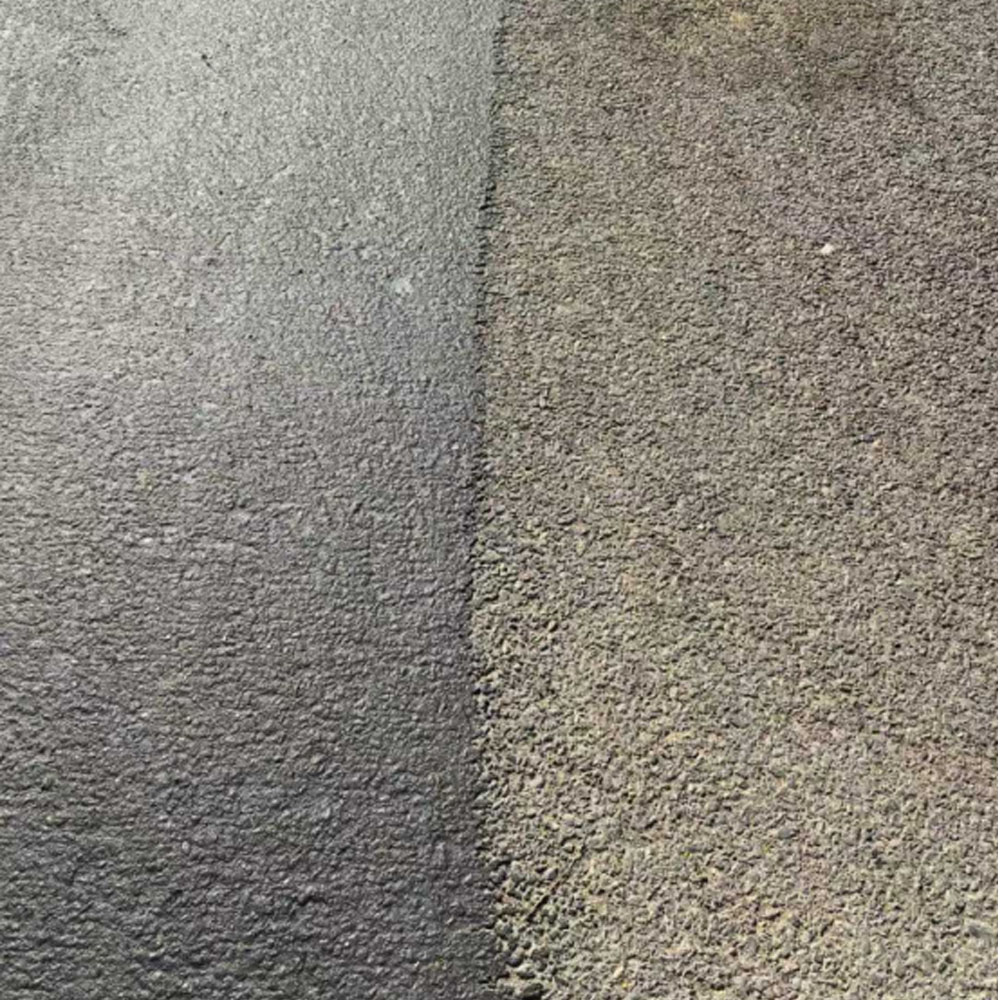
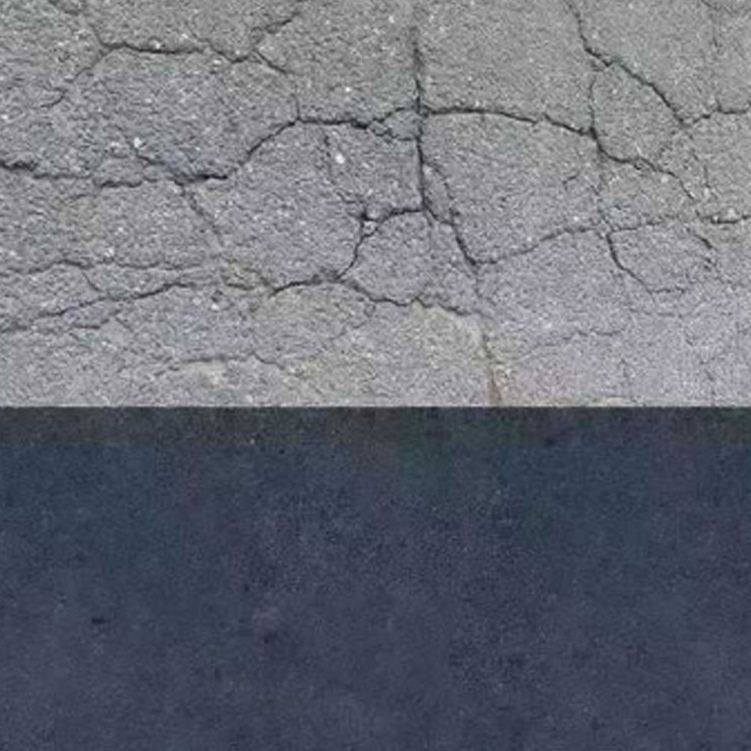
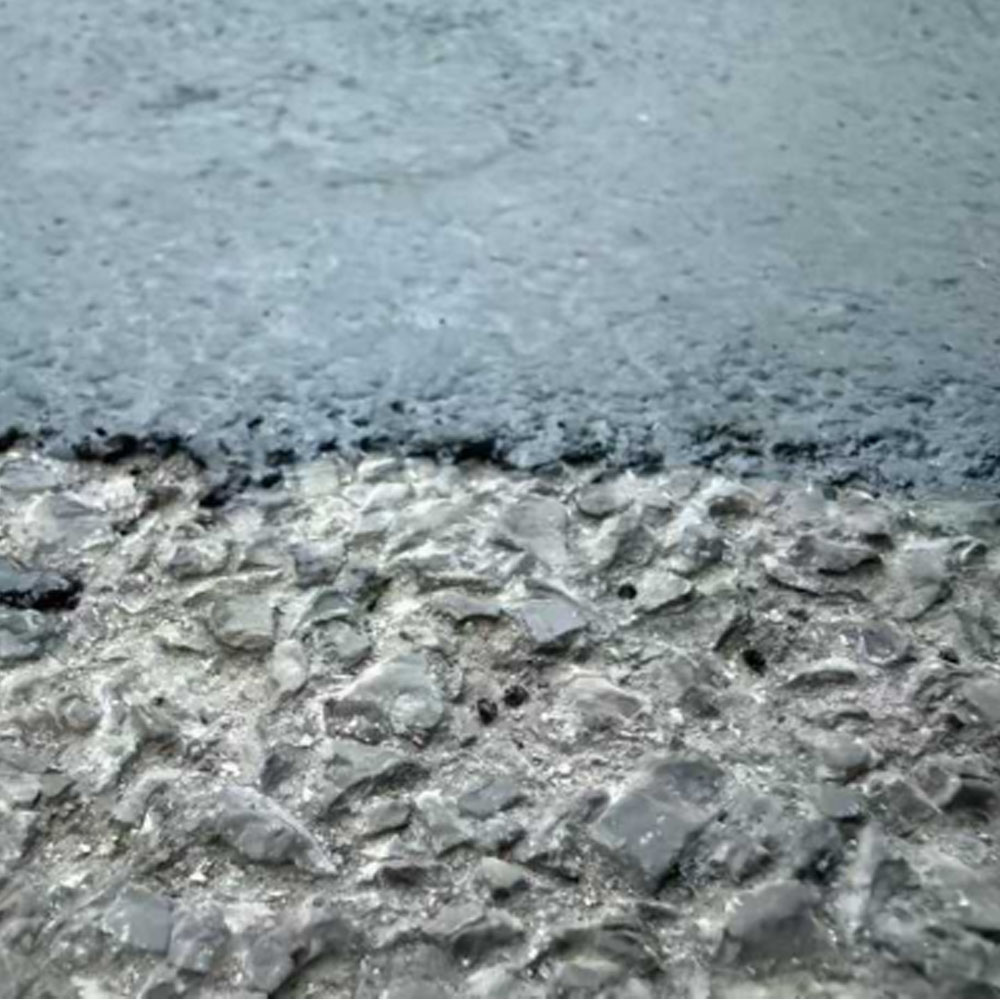
Concrete & Asphalt Road Repair Materials | Pavement Defect Reestoration & Surface Renovation
Applicable Base: Suitable for repairing both.concrete pavement surfaces and asphalt pavement surfaces.
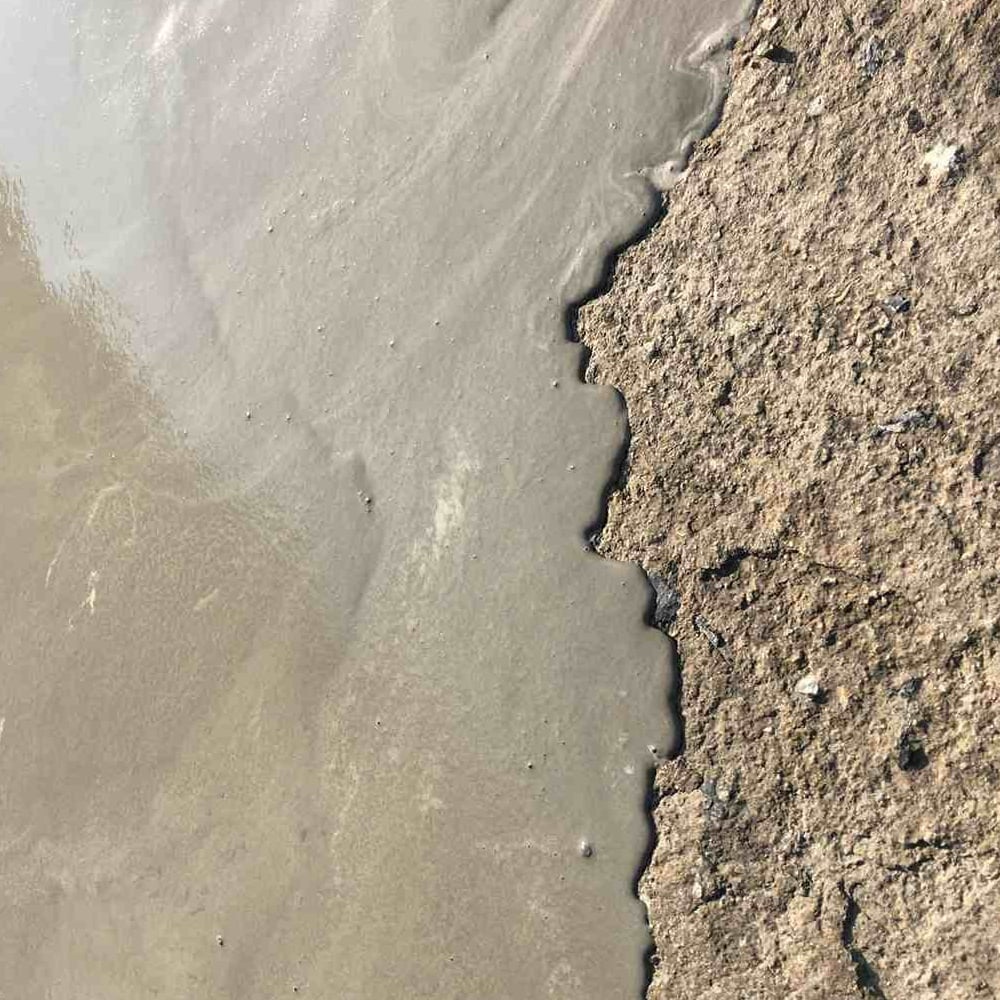
Targeted Defects: Effectively addresses common pavementissues including honeycombing,pitted surfaces, freeze-thaw damage, exposed aggregate, 'dusting, and delamination.
Core Renovation Functions: Renews aging road surfaces, mittigates pavement raveling and aging, seals pavement surfaces, repairs pitted surfaces and network-cracks on old roads.
Key Performance Improvements: Reduces the risk of aggregate loss, enhances pavement friction coefficient, and delivers outstanding repair treatment results.
- Overview
- Recommended Products
- Marking: Identify the area requiring repair. Areas with freeze-thaw damage or delamination should be treated. This product is not recommended for use on non-concrete base pavements.
- Cleaning: Thoroughly flush away gravel, dust, etc., from the repair area using a high-pressure water gun. During flushing, ensure slurry is washed out of the work area and prevent backflow.
- Wetting: Fully wet the work surface with water until it no longer absorbs water. (Concrete contains numerous capillary pores. Full wetting expels air from these pores, preventing pinholes.)
- Clearing : Remove standing water from the work surface using a high-pressure air gun. Standing water seriously affects material adhesion, compressive strength, and appearance. Alternatively, use dry cloths or sponges to soak up excess water.
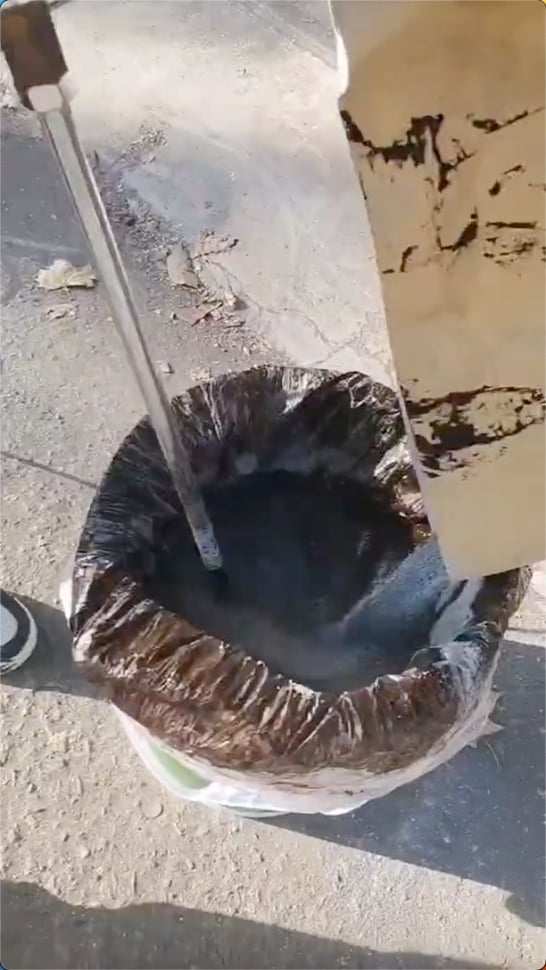
- Mixing and Stirring: Mix Component A and B for 30-60 seconds. Add the powder component (Component C) to the mixed liquid components (It is recommended to add the powder gradually while stirring, or add half the powder, mix well, then add the other half). Continue stirring for 1-2 minutes, then proceed to paving as soon as possible to prevent the repair material from setting.
- Paving: Spread the mixed repair material onto the area to be repaired. Immediately level it with a straightedge, ensuring the repaired surface elevation matches the original elevation. The working time for paving should be controlled within 10 minutes.
- For repairing potholes, pitted surfaces, delamination, or hollow spots: Pour the mixed material onto the work surface and spread it flat with a float. Tilt the leading edge of the float slightly upwards at about a 10°angle to the ground. Level the material with as few passes as possible, as too many passes can cause sticking. If leveling becomes difficult, let it sit for two to three minutes before smoothing again.
- It is best for construction personnel to practice on a small area first to understand the material properties before large-scale operation, continuously summarizing experience and techniques.
- For crack repair: If the crack width is greater than 3mm, the crack needs to be widened to create a better workable repair surface ,which aids material adhesion and reinforcement.
- Curing: In hot or windy weather, film curing can be applied appropriately. This step can be omitted for indoor repairs.
- Joint Cutting: Mark and cut joints at the locations of the original expansion joints.
- The work surface must be cleaned thoroughly with a high-pressure water gun; no loose dust is allowed.
- The work surface should be fully wetted, ideally until it no longer absorbs water.
- Before paving, the surface must be thoroughly flushed clean, wetted but without standing water.
- Do not apply during rainy days or when the temperature is below 5℃ in winter.
- The recommended application thickness is about 2mm.
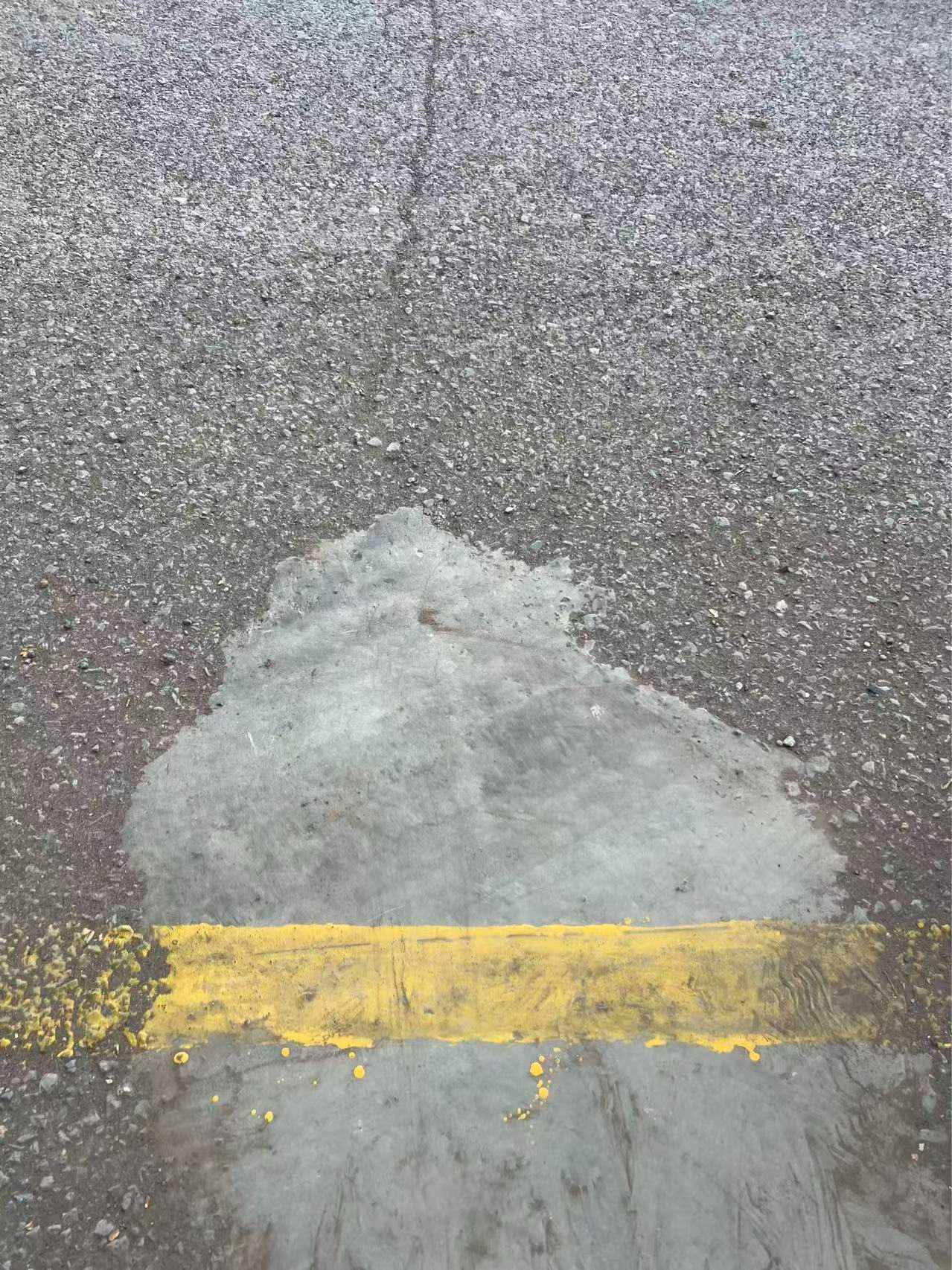
- This product is only for concrete base pavement repair. If the original concrete base has undergone treatments like polishing, hardening, or impregnation with organic materials, the pavement must be milled and cleaned before use. The milling effect is as shown in the figure below:
- Before construction, the road surface must be thoroughly cleaned using equipment like a blower to ensure it is free of dust, loose particles, and standing water. Oil stains should be cleaned in advance. If construction is carried out in hot weather, moistening the base surface with water first yields better results.
- The product is a two-component system: Component A is a liquid, and Component B is a solid powder.
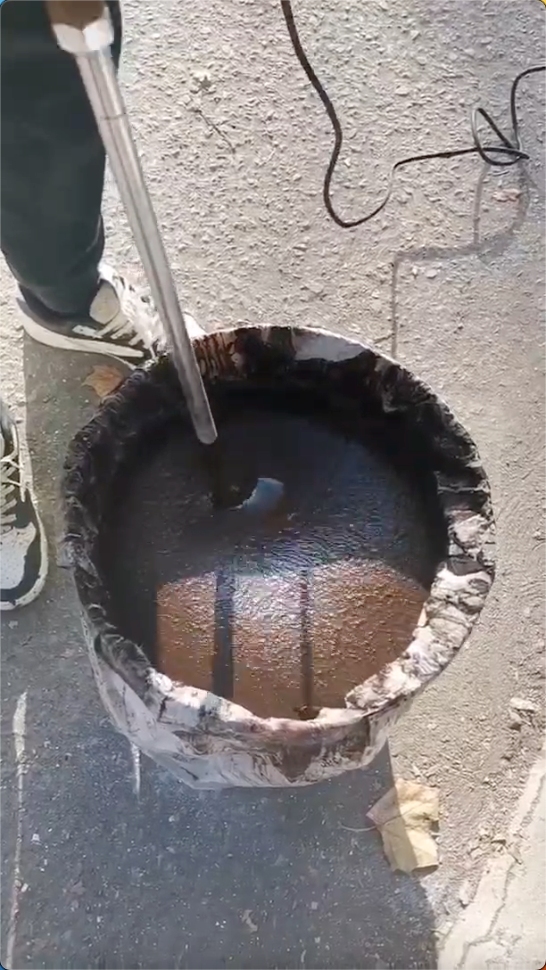
- Before use, open the packaging of Component A. While stirring (control the speed to avoid being too fast), pour in Component B. After adding, extend the stirring time appropriately until the mixture is fully homogeneous and free of powder lumps.
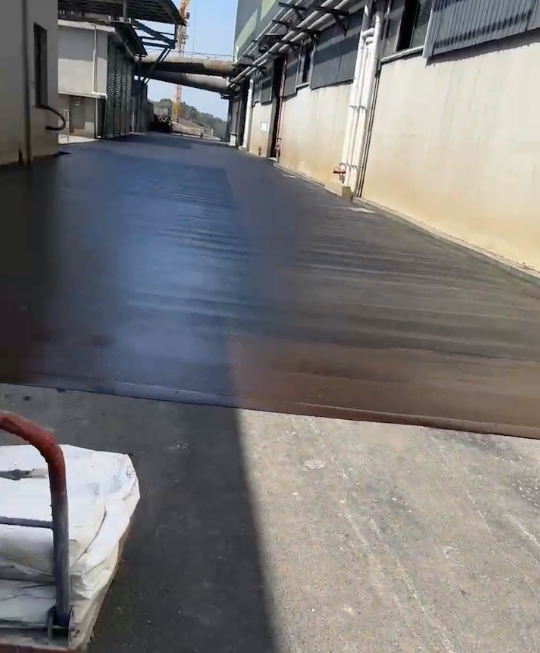
- Pour the well-mixed material onto the construction area and spread/level it (it is recommended to use a rubber screed for one-time application, avoid over-working the material). Ensure the construction area is completely covered.
- After leveling, curing is required. In summer, traffic can typically be initially opened after 3-4 hours. In spring and autumn, the traffic opening time needs to be extended, generally 6-8 hours. As temperature/humidity and application thickness significantly affect the curing time, it is recommended to open traffic after 1-2 days of curing for large-area construction.
- When initially opening to traffic, normal passage and rolling are acceptable. However, as the strength has not fully developed, repeated friction concentrated on single points should be avoided.
- Before construction, ensure the structural strength of the road surface is adequate (pay special attention to structural strength under high temperatures).
- Before construction, check the weather forecast to ensure no rainy weather within 24 hours.
- If there are potholes or significant protrusions on the road surface, perform leveling treatment beforehand.
- If the air humidity is high during construction, the curing time needs to be extended. Before opening traffic, ensure the opening conditions are met.
- After opening the material container, if not all used, seal it promptly. If Component B has already been added, ensure construction is completed within 1 hour.
- Due to the significant variability in road distresses, conduct a trial section before large-area construction to determine material consumption and effectiveness.
- The material is water-based and environmentally friendly. Transportation, storage, and the temperature during application and curing must not be below 5℃.
- Unused material should be stored sealed in a cool, dry place at 5-35℃.
Product Introduction
| Place of Origin | China |
| Brand Name | Huacheng |
| Minimum Order Quantity | 500kg |
| Payment Terms | T/T, L/C, PayPal, Western Union, Cash |
Description
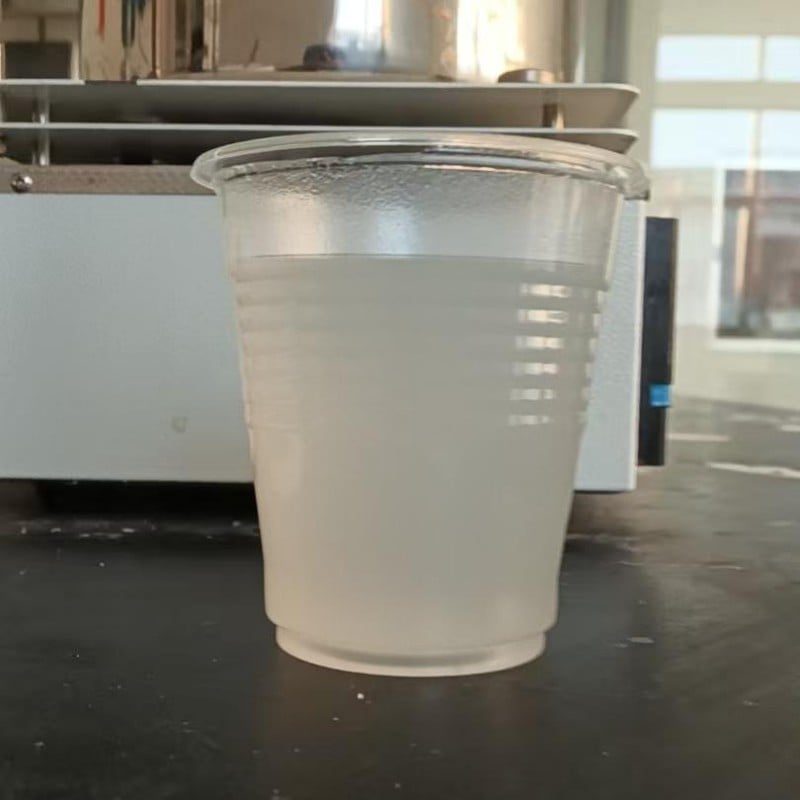
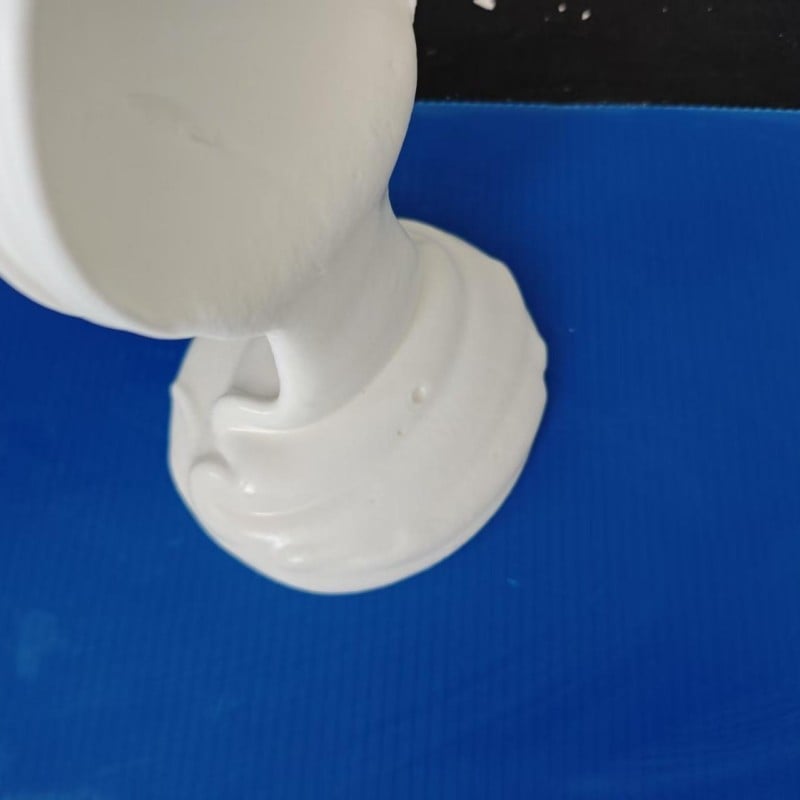
Z-520 is a three-component system. Its main features include high strength. For repairing smooth surfaces, milling treatment is not required. For crack repair, it significantly helps prevent re-cracking.
Mix Ratio of Components:
Component A— Resin — 1.55kg
Component B— Water-based Hardener — 4.7kg
Component C— Powder Filler — 25kg
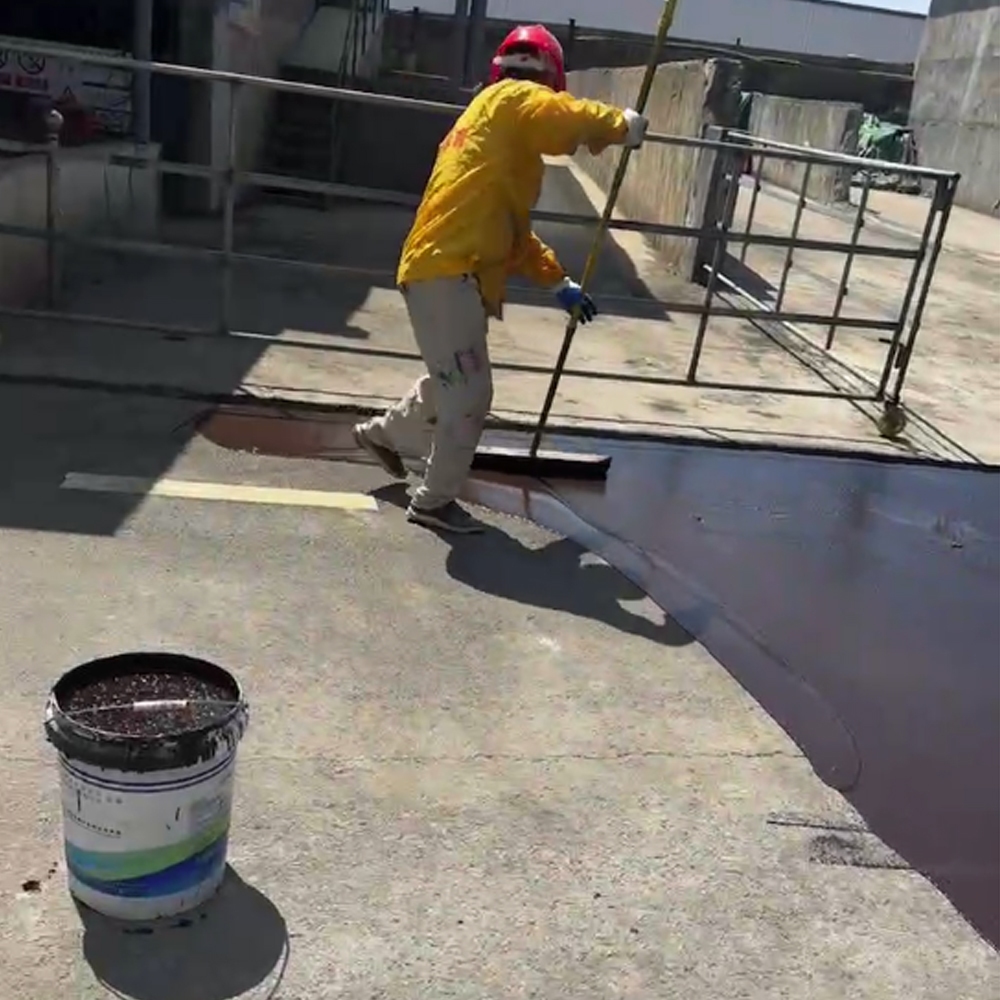
Ⅰ. Construction Process
Marking → Cleaning → Wetting → Clearing → Mixing and Stirring → Paving → Curing → Joint Cutting
Ⅱ. Construction Tools
Electric mixer, vertical mixer, high-pressure water gun, high-pressure air gun, straightedge, trowel or steel float, bucket, clean water, bubble roller, plastic film, etc.
Ⅲ. Detailed Construction Process
Ⅳ. Precautions
For pavement milling treatment, the cutter spacing on the milling drum is generally 5-10mm, and the milling depth is 4-6mm (specific dimensions can be adjusted appropriately according to the construction site conditions).
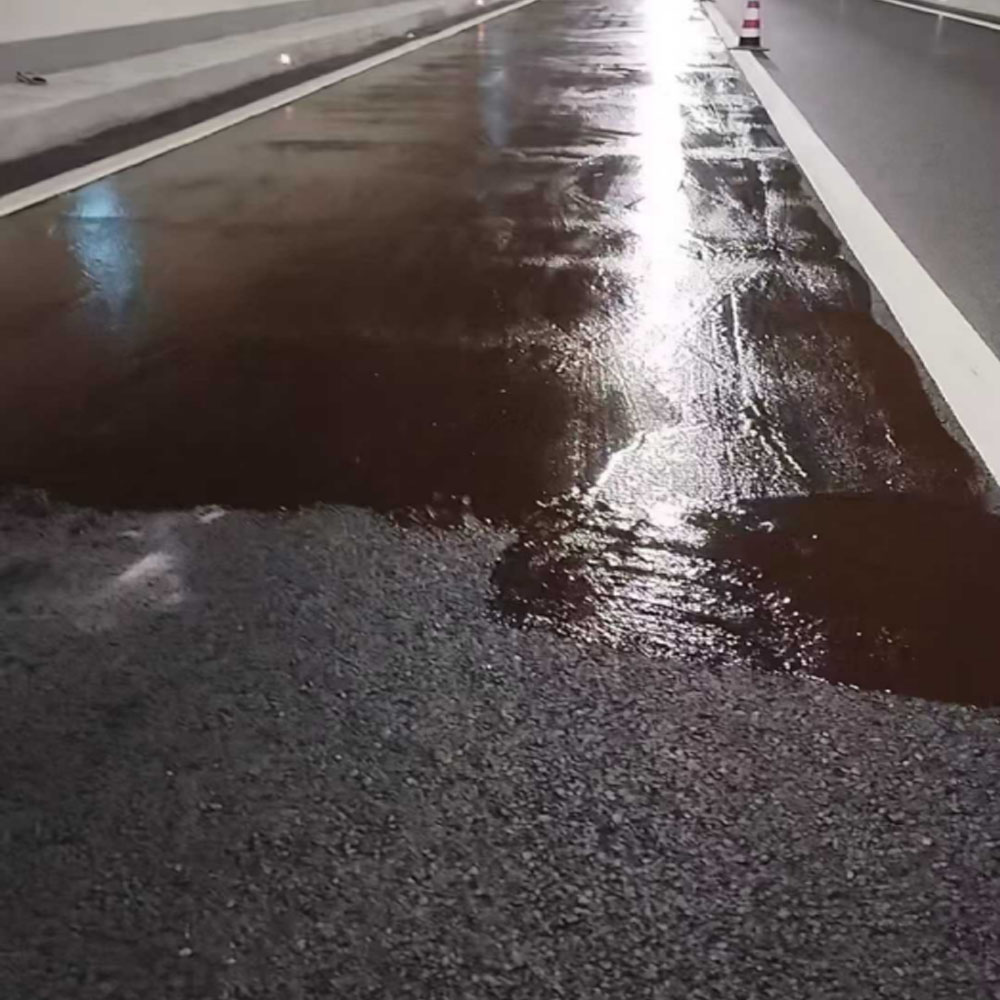
The CR Series Asphalt Repair Material is a new type of road maintenance material designed for the surface layer of asphalt pavement. Through special process modification of the base asphalt, followed by emulsification and composite modification with high-quality modifiers, and combined with strictly proportioned aggregates, this product achieves excellent high-temperature performance and adhesion. It simultaneously retains, to a certain extent, the unique temperature sensitivity of asphalt materials. While repairing pavement distress, it largely prevents secondary issues such as reflective cracking not caused by subgrade problems.
Ⅴ . Product Classification and Specifications
CR-1 Asphalt Repair Material 30kg/set Component A 15kg + Component B 15kg
CR-2 Asphalt Repair Material 30kg/set Component A 10kg + Component B 20kg
Ⅵ . Application Procedure
Ⅶ . Precautions
Applications
Z-520 is designed for repairing pavement surface defects such as honeycombing, pitted surface, freeze-thaw damage, exposed aggregate, dusting, and delamination.
CR-1 Asphalt Repair Material is more suitable for renewing the surface of old roads, reducing raveling and aging, sealing the surface, etc.
CR-2 Asphalt Repair Material is targeted at repairing pitted surfaces and network cracks on old roads, reducing the risk of aggregate loss, sealing the surface, and improving the pavement friction coefficient, with excellent treatment results.
Specifications
| No. | Test Item | Test Value | Unit | Test Method |
| 1 | Softing Point | ﹥95 | ℃ | Ring-and-Ball Method |
| 2 |
High-Tenoertature Stability |
Qualified | / |
90℃ for 5 hours-No dripping or slippage |
| 3 | Adhesion | 1.82 | 1d/MPa |
40mm*40mm standard cement specimen/ GB16777-1997 |
| 4 | Wet Track Abrasion | ≤200 | 1d/g/m² |
Outdoor natural curing/ Constant temperature water bath at 25℃ for ﹥1h |
| 5 |
Liquid Material Rotational Viscosity |
54-60 | KU | Stormer Viscometer |
| 6 |
Liquid Material Rotational Viscosity at 60℃ |
42-48 | KU |
Liquid material baked to 60℃, tested with Stormer Viscometer |