Versatile Applications and Easy Installation Process
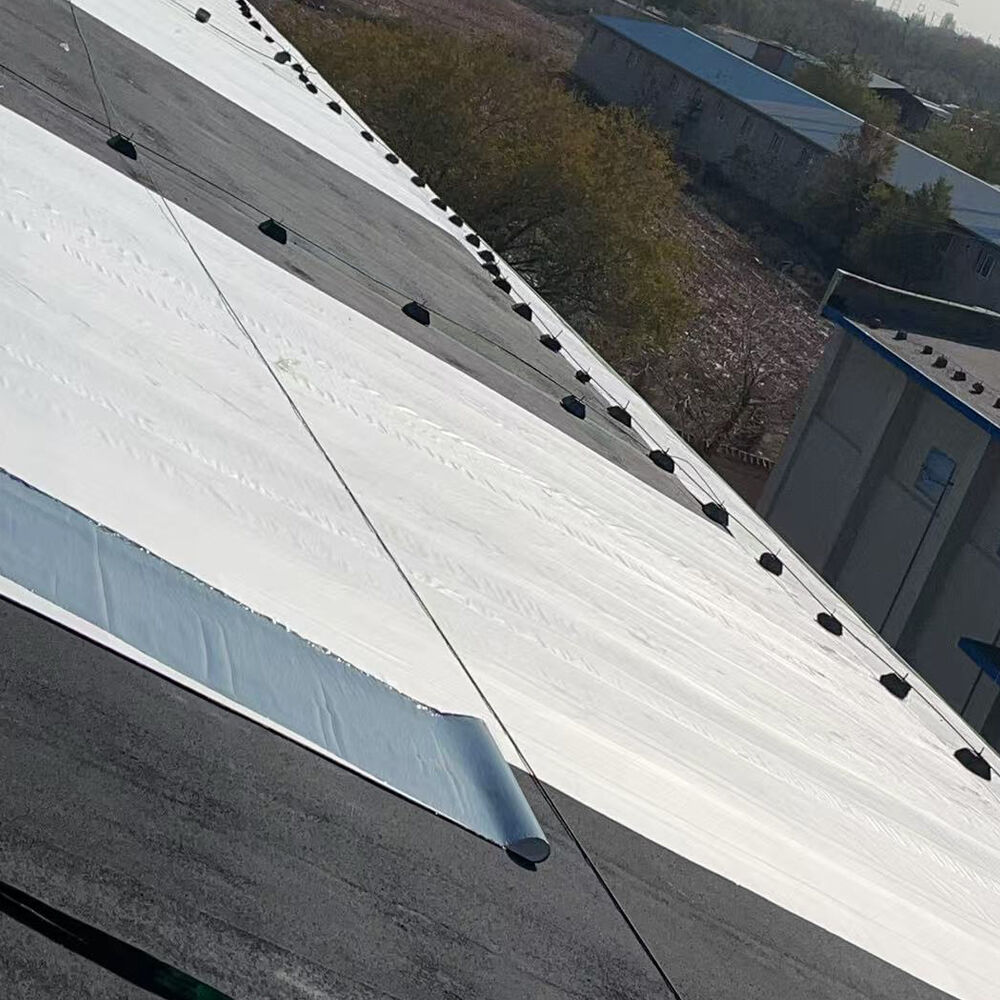
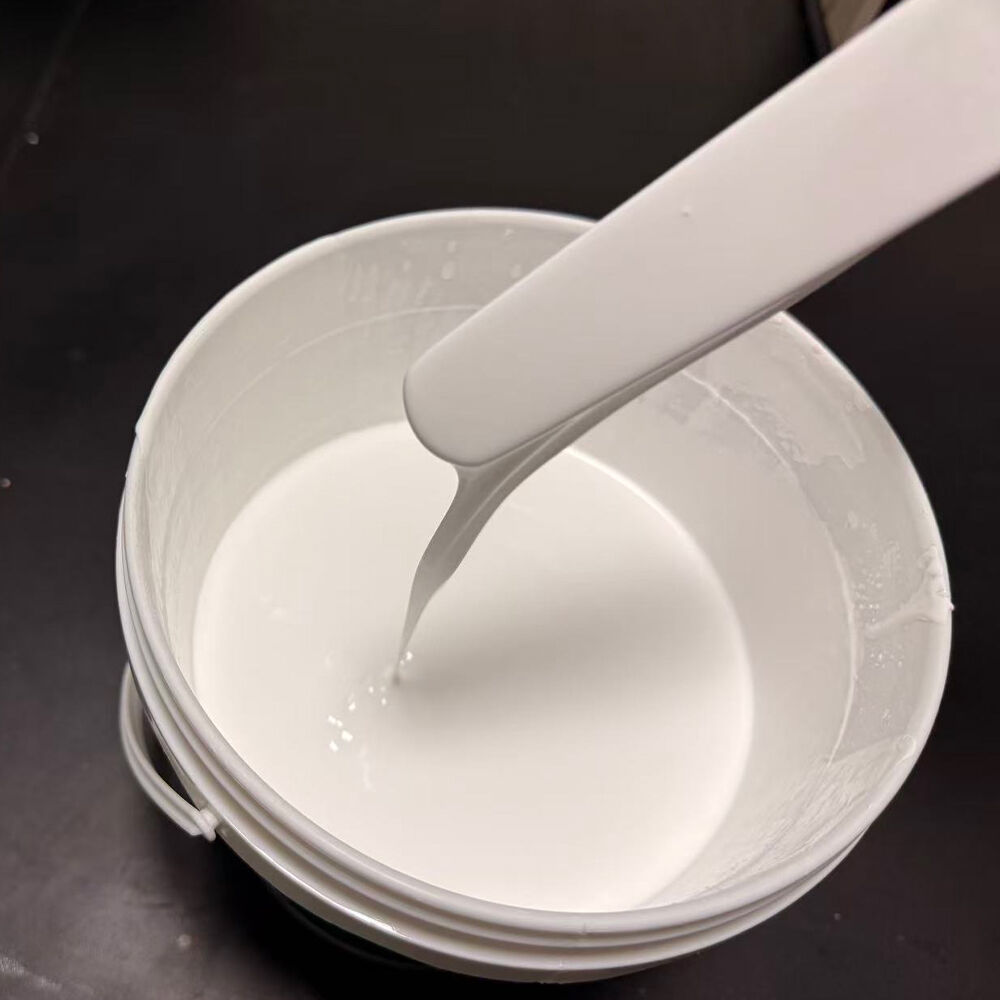
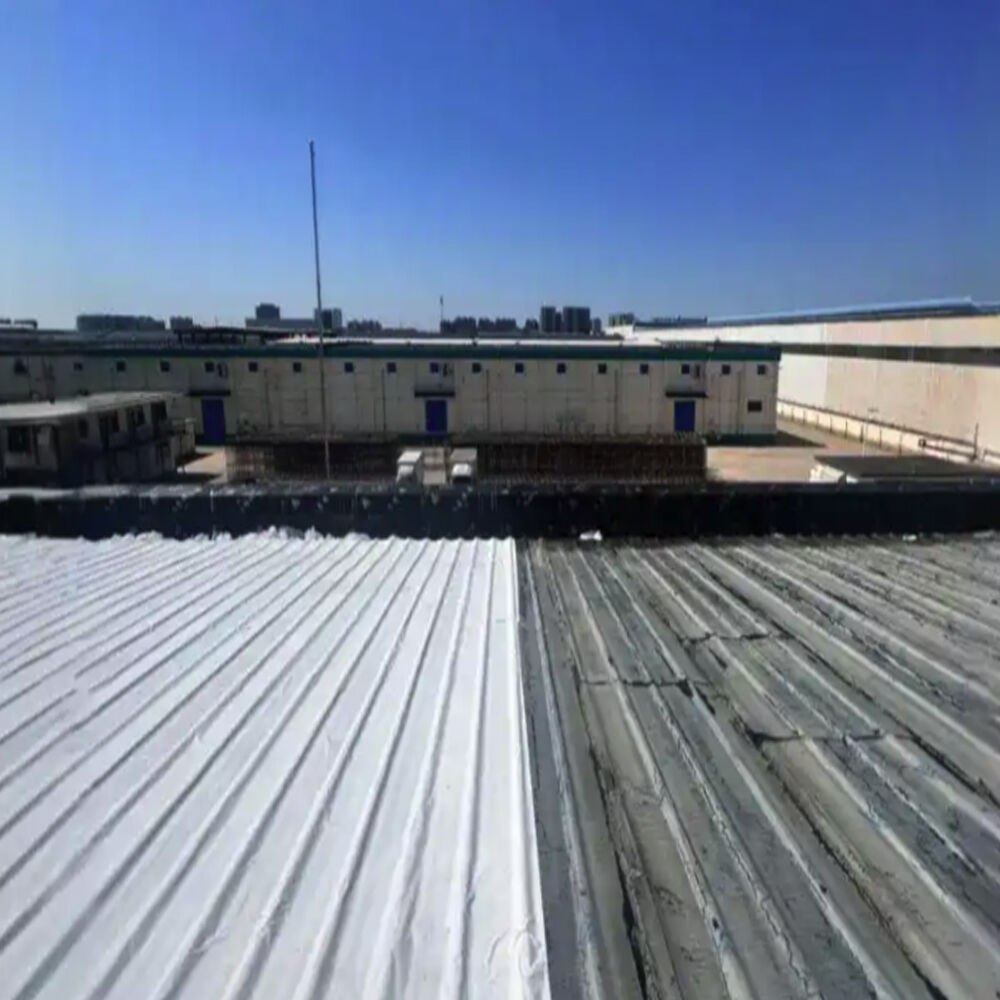
The radiative cooling paint application offers exceptional versatility across diverse building types, climates, and installation scenarios, making it accessible to residential homeowners, commercial property managers, and industrial facility operators. This adaptable radiative cooling paint application bonds effectively to various substrate materials including concrete, metal, asphalt, wood, and existing paint surfaces after proper preparation, eliminating the need for costly removal of existing coatings in most cases. Installation requires only standard painting equipment and techniques familiar to professional contractors and skilled DIY enthusiasts, with the radiative cooling paint application applied using conventional brushes, rollers, or spray equipment without specialized training or certification requirements. The coating system accommodates different architectural styles and aesthetic preferences, as manufacturers now produce radiative cooling paint application in various colors while maintaining cooling performance through advanced pigment technology and particle engineering. Surface preparation follows standard painting protocols, involving cleaning, minor repairs, and priming when necessary, though the radiative cooling paint application adheres well to most sound existing surfaces. Weather conditions during application should be dry with temperatures between 50-90 degrees Fahrenheit, similar to requirements for premium architectural coatings, making the radiative cooling paint application suitable for year-round installation in most climates. Coverage rates typically range from 100-150 square feet per gallon depending on surface texture and application method, with most projects requiring two coats for optimal performance and durability. The radiative cooling paint application cures quickly, usually becoming tack-free within 2-4 hours and fully cured within 24-48 hours under normal conditions. Quality control during installation involves monitoring film thickness, surface coverage, and ambient conditions to ensure proper bonding and performance characteristics. Post-installation maintenance requirements remain minimal, with periodic washing to remove accumulated dirt and debris being the primary ongoing care needed to maintain peak cooling effectiveness of the radiative cooling paint application.

 EN
EN