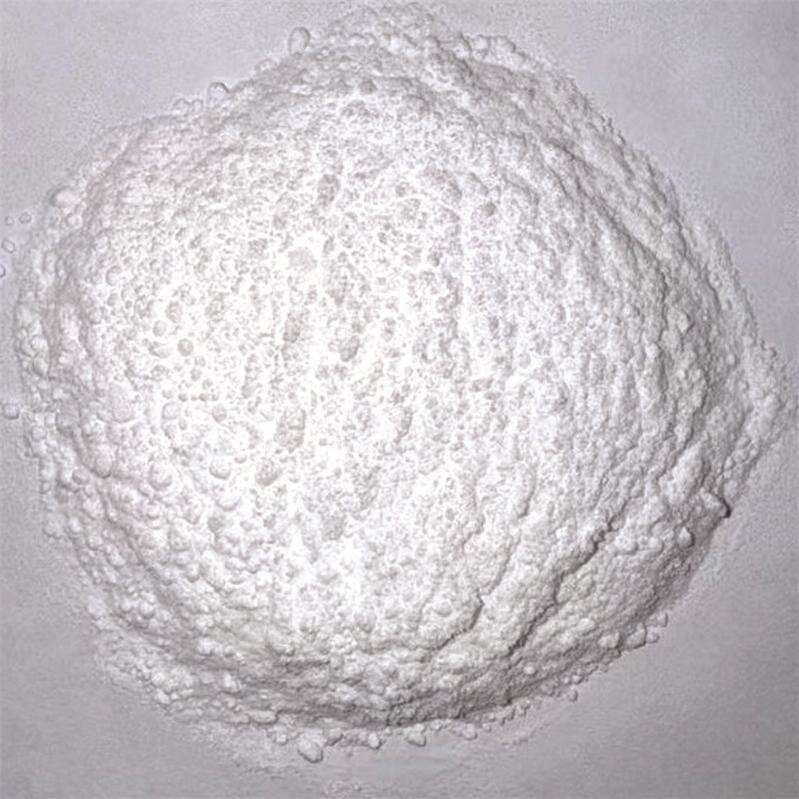
Liquid Aerogel: Advanced Thermal Insulation Technology for Superior Energy Efficiency

All Categories

Get a Free Quote

Our representative will contact you soon.
Email
Mobile/WhatsApp
Name
Company Name
Message
0/1000

liquid aerogel

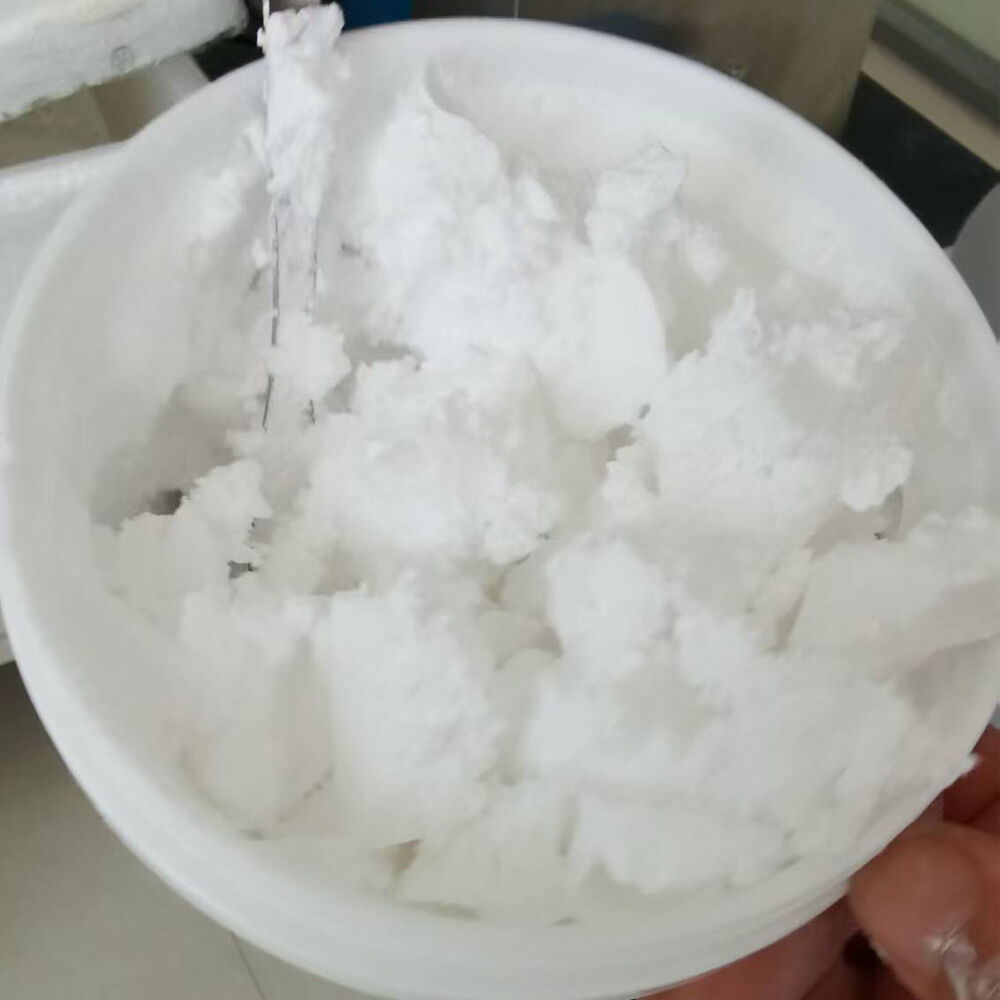
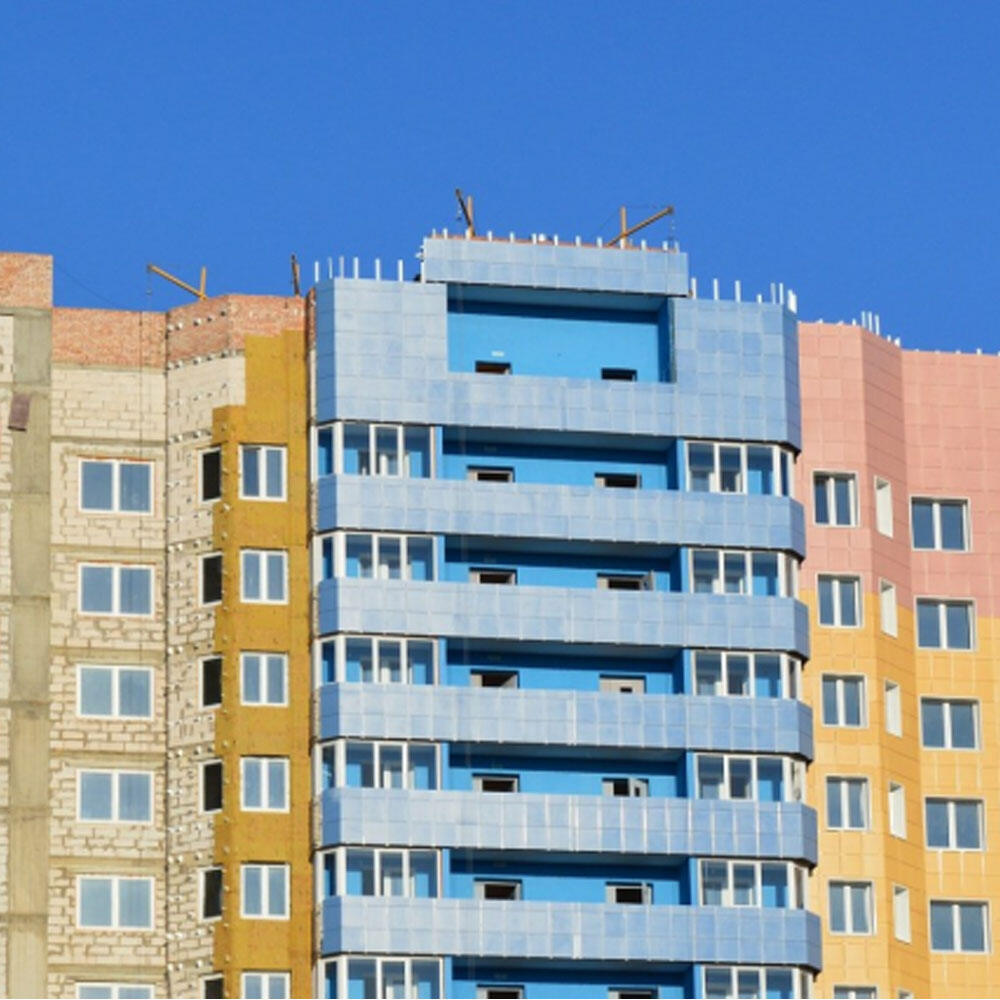
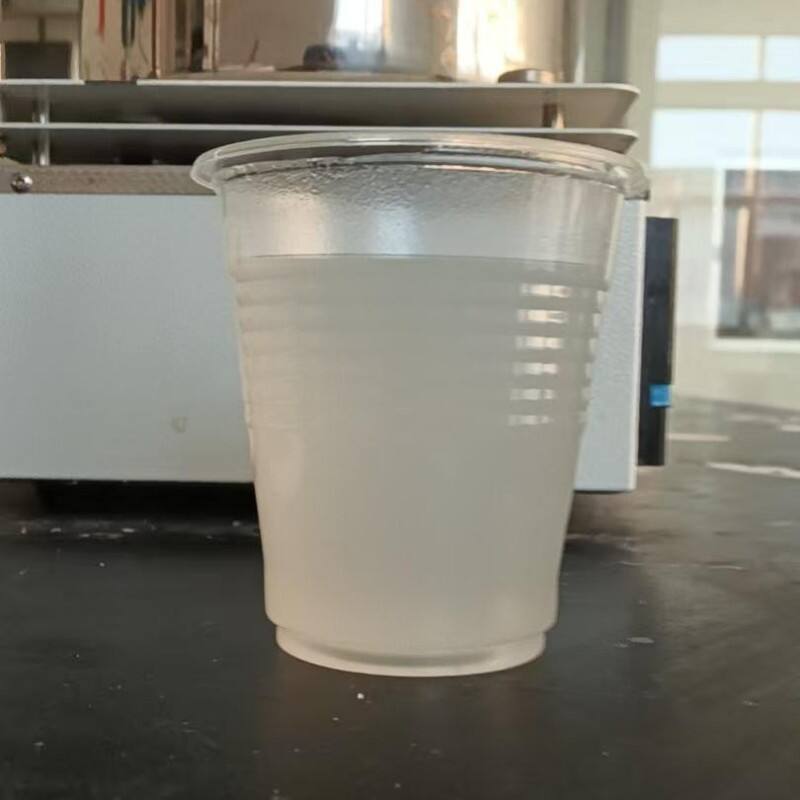
Liquid aerogel represents a revolutionary breakthrough in advanced materials science, combining the exceptional properties of traditional solid aerogels with the practical advantages of liquid formulations. This innovative material maintains the ultra-low density and high porosity characteristics that make aerogels famous while offering unprecedented ease of application and processing flexibility. The liquid aerogel consists of a carefully engineered suspension of aerogel particles in specialized carrier fluids, creating a unique material that bridges the gap between conventional insulation solutions and cutting-edge nanotechnology. The primary functions of liquid aerogel encompass thermal insulation, acoustic dampening, and barrier protection across diverse industrial applications. Its technological features include exceptional thermal conductivity values as low as 0.013 W/mK, remarkable temperature stability ranging from -200°C to 650°C, and outstanding hydrophobic properties that resist moisture penetration. The material's porous nanostructure, consisting of up to 99.8% air by volume, delivers unmatched insulation performance while maintaining structural integrity. Applications span multiple industries including aerospace, automotive, construction, oil and gas, marine, and electronics sectors. In aerospace applications, liquid aerogel provides critical thermal protection for spacecraft and satellite components, while automotive manufacturers utilize it for exhaust system insulation and battery thermal management. The construction industry benefits from its superior wall and roof insulation capabilities, significantly reducing energy consumption in buildings. Oil and gas operations rely on liquid aerogel for pipeline insulation and equipment protection in extreme environments. Marine applications include hull insulation and fire protection systems, while electronics manufacturers use it for component thermal management and EMI shielding. The material's versatility extends to emerging applications in renewable energy systems, where it enhances solar panel efficiency and wind turbine performance through advanced thermal management solutions.

Popular Products

Liquid aerogel offers compelling advantages that revolutionize how industries approach thermal management and insulation challenges. The material delivers superior thermal performance compared to traditional insulation materials, achieving thermal conductivity values that surpass conventional options by up to 50%. This exceptional performance translates directly into reduced energy costs for end users, with building applications showing energy savings of 30-40% compared to standard insulation materials. The liquid formulation provides unprecedented application flexibility, allowing users to coat complex geometries, fill intricate spaces, and create seamless insulation barriers that solid materials cannot achieve. This adaptability eliminates the need for custom-cut pieces and reduces installation time by up to 60%, resulting in significant labor cost savings. The material's lightweight nature reduces structural load requirements, enabling architects and engineers to design more efficient structures while maintaining superior insulation performance. Environmental benefits include reduced carbon footprint due to lower energy consumption and longer service life compared to traditional materials. The liquid aerogel maintains stable performance across extreme temperature ranges, eliminating the thermal cycling degradation common in conventional insulation systems. This stability ensures consistent performance over extended periods, reducing maintenance costs and system downtime. The material's hydrophobic properties prevent moisture absorption, eliminating the performance degradation and mold growth issues associated with traditional insulation materials. Fire resistance properties exceed industry standards, providing enhanced safety in critical applications while maintaining structural integrity at elevated temperatures. The liquid aerogel's chemical inertness ensures compatibility with various substrates and eliminates corrosion concerns that plague metal-based insulation systems. Processing advantages include room temperature application capability, eliminating the need for specialized heating equipment and reducing installation complexity. The material's self-leveling properties ensure uniform coverage and eliminate installation defects that compromise performance in traditional systems. Quality control benefits include consistent batch-to-batch performance and simplified inspection procedures compared to multi-component insulation systems. Cost-effectiveness emerges through reduced material usage, simplified installation procedures, extended service life, and lower maintenance requirements, delivering total cost of ownership advantages that justify the initial investment premium.

Latest News

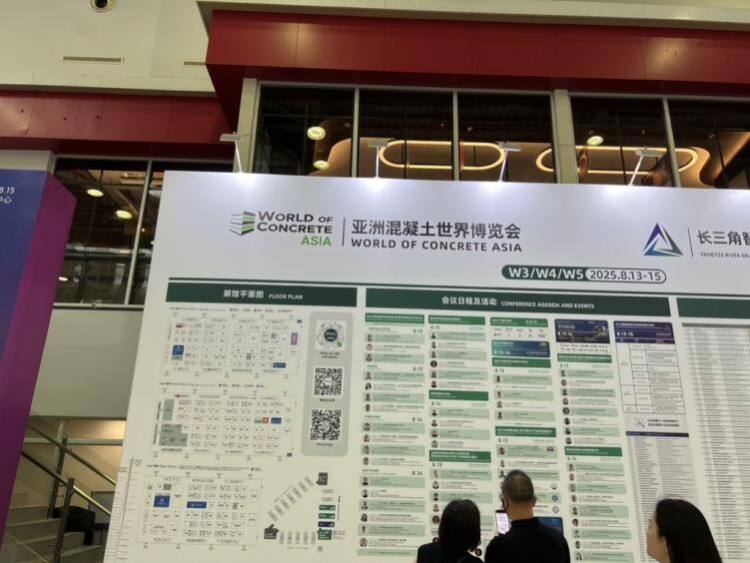
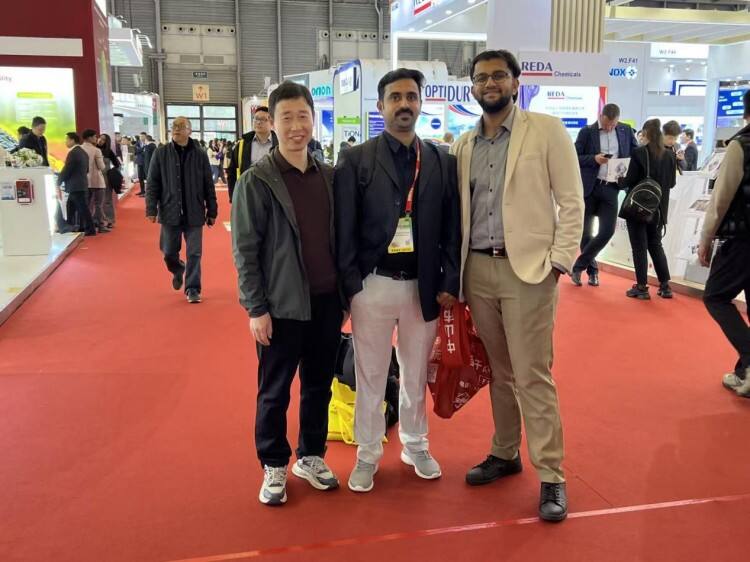
Shandong Huacheng High-Tech Participates in WORLD OF CONCRETE ASIA 2025 in Shanghai

25

Feb

Shandong Huacheng High-Tech Participates in WORLD OF CONCRETE ASIA 2025 in Shanghai

View More
Shandong Huacheng High-Tech Shines at CHINACOAT 2025 Shanghai

25

Feb

Shandong Huacheng High-Tech Shines at CHINACOAT 2025 Shanghai

View More
Huacheng High-Tech Recognized as Provincial Enterprise Technology Center by Shandong Province

27

Feb

Huacheng High-Tech Recognized as Provincial Enterprise Technology Center by Shandong Province

View More

Get a Free Quote

Our representative will contact you soon.
Email
Mobile/WhatsApp
Name
Company Name
Message
0/1000

liquid aerogel

Revolutionary Thermal Performance and Energy Efficiency

Revolutionary Thermal Performance and Energy Efficiency

Liquid aerogel delivers unprecedented thermal insulation performance that fundamentally transforms energy efficiency across multiple applications. The material achieves thermal conductivity values as low as 0.013 W/mK, representing a quantum leap beyond traditional insulation materials that typically range from 0.03-0.05 W/mK. This superior performance directly translates into dramatic energy savings for end users, with residential applications demonstrating heating and cooling cost reductions of 35-45% compared to conventional fiberglass or foam insulation systems. Industrial applications show even more impressive results, with process heating systems achieving energy consumption reductions of up to 50% when liquid aerogel replaces traditional insulation materials. The material's unique nanostructure, consisting of interconnected silica particles forming a three-dimensional network with porosity exceeding 95%, creates an exceptionally effective barrier to heat transfer through conduction, convection, and radiation. This comprehensive thermal protection mechanism ensures consistent performance across varying environmental conditions and application requirements. The liquid aerogel's temperature stability ranges from cryogenic conditions at -200°C to high-temperature applications reaching 650°C, maintaining structural integrity and insulation performance throughout this extreme range. This versatility eliminates the need for multiple insulation materials in complex systems, simplifying design and reducing total system costs. The material's low thermal mass characteristics enable rapid temperature response in dynamic applications, improving system efficiency and control precision. In building applications, the enhanced thermal performance allows for thinner insulation layers while achieving superior R-values, maximizing usable space while minimizing construction costs. Industrial equipment benefits from reduced heat loss, improved process efficiency, and enhanced worker safety through lower surface temperatures. The liquid aerogel's thermal performance remains stable over extended periods, eliminating the gradual degradation common in traditional materials and ensuring long-term energy savings throughout the system's operational life.
Superior Application Flexibility and Installation Advantages

Superior Application Flexibility and Installation Advantages

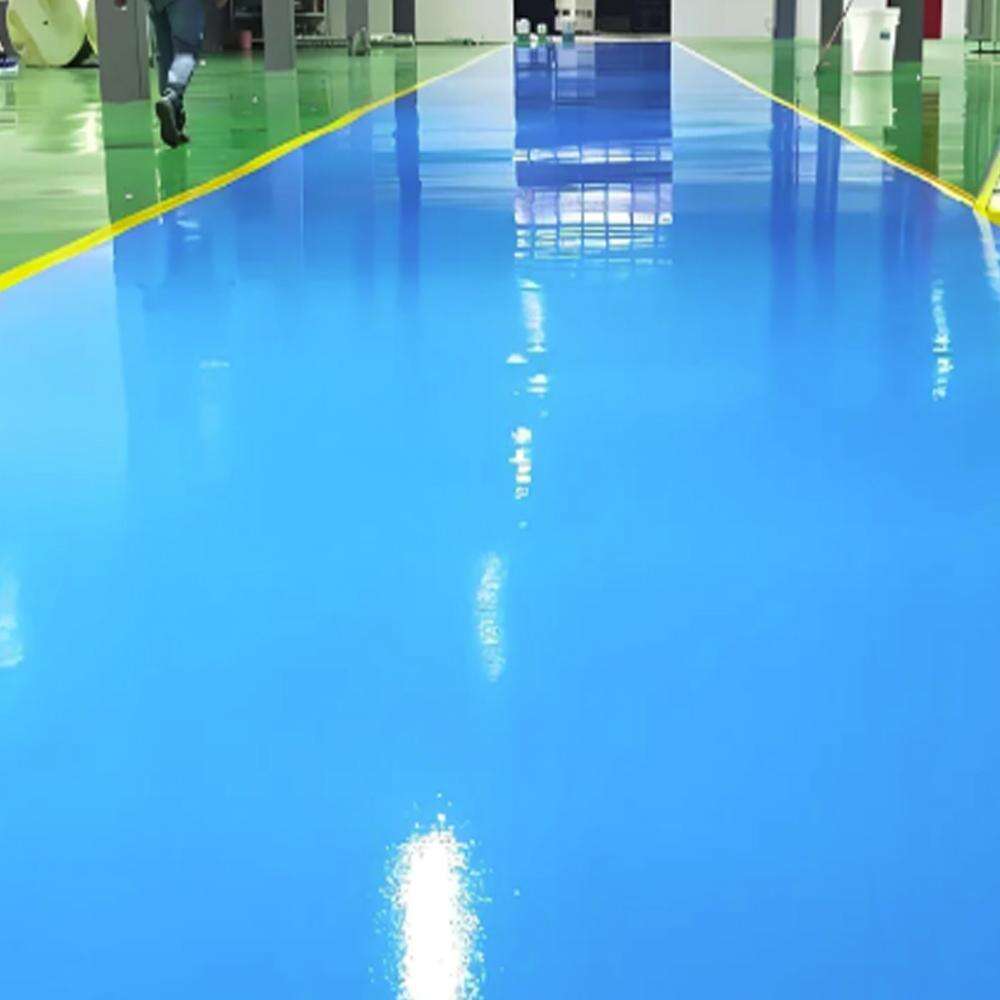
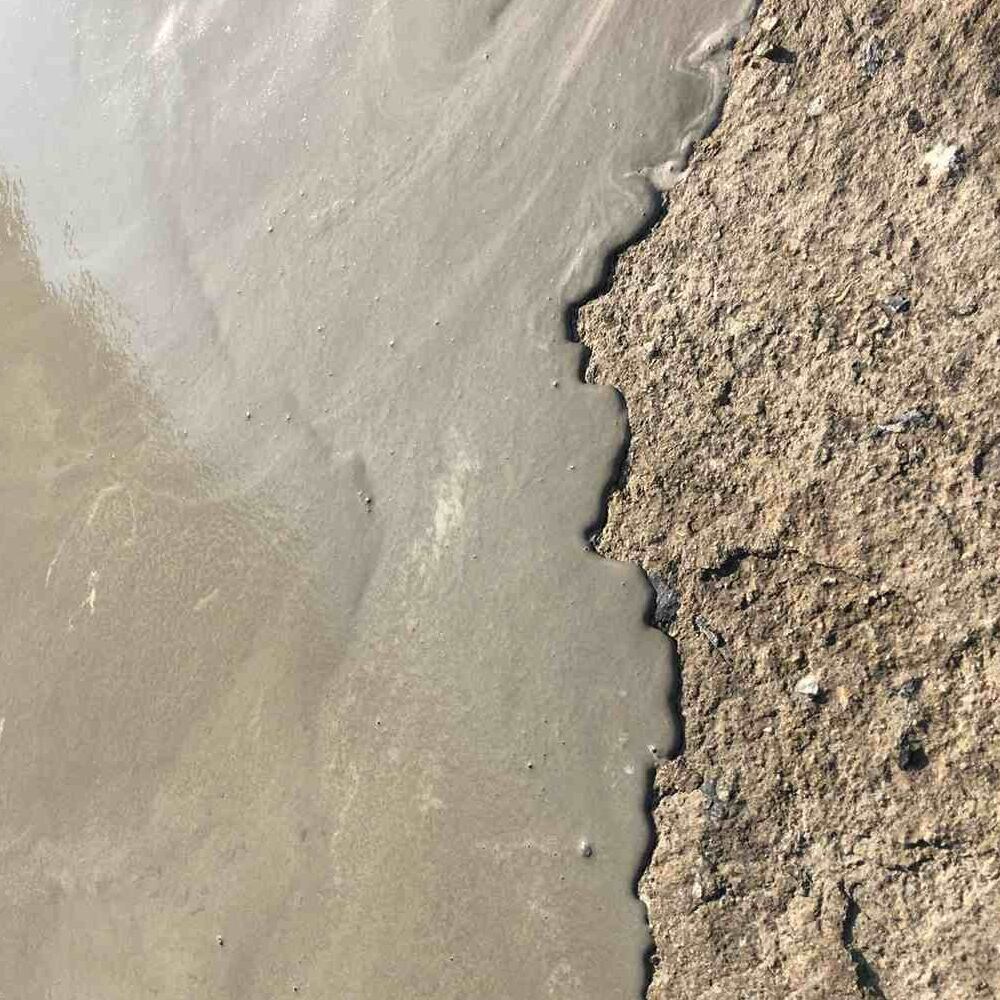
The liquid formulation of aerogel technology represents a paradigm shift in insulation application methods, offering unparalleled flexibility and installation advantages that traditional solid materials cannot match. Unlike rigid foam boards or blanket insulation that require precise cutting and fitting, liquid aerogel flows and conforms to any surface geometry, ensuring complete coverage of complex shapes, irregular surfaces, and hard-to-reach spaces. This conformability eliminates thermal bridges and air gaps that compromise the performance of conventional insulation systems, delivering uniform thermal protection across entire surfaces. The material's self-leveling properties ensure consistent thickness and eliminate installation defects that occur with manual application of traditional materials. Spray application techniques enable rapid coverage of large areas, reducing installation time by 60-70% compared to conventional methods while eliminating the skilled labor requirements associated with cutting and fitting rigid materials. The liquid aerogel can be applied at ambient temperature conditions, eliminating the need for specialized heating equipment or environmental controls required by many advanced insulation systems. This room-temperature application capability extends the installation season and reduces project complexity and costs. The material's excellent adhesion properties ensure permanent bonding to various substrates including metals, concrete, wood, and composites without requiring primers or surface preparation beyond basic cleaning. Multi-coat application flexibility allows for customized insulation thickness to meet specific performance requirements while maintaining uniform coverage and seamless transitions. Repair and maintenance advantages include easy spot repairs and the ability to recoat existing surfaces without removing original installations. The liquid aerogel's compatibility with existing coating systems enables integration into comprehensive protection schemes that address thermal, moisture, and corrosion protection simultaneously. Quality assurance benefits include visual confirmation of complete coverage, elimination of hidden voids, and simplified inspection procedures compared to mechanical insulation systems. The material's freeze-thaw stability ensures reliable performance in outdoor applications, while its UV resistance maintains surface integrity in exposed installations.
Long-Term Durability and Cost-Effectiveness

Long-Term Durability and Cost-Effectiveness

Liquid aerogel delivers exceptional long-term value through superior durability characteristics and comprehensive cost-effectiveness that extends far beyond initial material costs. The material's inherent stability ensures consistent thermal performance over decades of service, eliminating the gradual degradation that necessitates frequent replacement of traditional insulation materials. Hydrophobic properties prevent moisture absorption that causes performance loss, dimensional changes, and biological growth in conventional insulation systems. This moisture resistance maintains the material's ultra-low thermal conductivity throughout its service life, ensuring sustained energy savings and system performance. The liquid aerogel's chemical inertness provides excellent compatibility with industrial environments, resisting degradation from acids, bases, solvents, and other aggressive chemicals that rapidly deteriorate traditional materials. Fire resistance properties exceed industry standards with flame spread ratings below 5 and smoke development indices under 50, providing enhanced safety margins while maintaining structural integrity at temperatures exceeding 1000°C. This fire performance eliminates the need for additional fire-resistant barriers, reducing system complexity and costs. Mechanical durability includes excellent vibration resistance, thermal shock tolerance, and dimensional stability that prevent cracking, settling, or performance degradation common in rigid insulation systems. The material's flexibility accommodates thermal expansion and contraction cycles without developing gaps or thermal bridges that compromise system performance. Maintenance advantages include resistance to UV degradation, weather exposure, and mechanical damage, reducing ongoing maintenance costs and system downtime. The liquid aerogel's self-healing properties allow minor surface damage to seal automatically, maintaining system integrity without manual intervention. Economic benefits accumulate through reduced material usage due to superior performance per unit thickness, lower installation labor costs, decreased structural support requirements, and extended equipment life through improved thermal protection. Life-cycle cost analysis demonstrates total ownership costs 40-60% lower than conventional insulation systems when factoring in energy savings, reduced maintenance, extended service life, and improved system reliability. Return on investment typically occurs within 18-24 months in industrial applications and 3-5 years in building applications, with continued cost savings throughout the material's 20-30 year service life.

Get a Free Quote

Our representative will contact you soon.
Email
Mobile/WhatsApp
Name
Company Name
Message
0/1000