epdm road coating
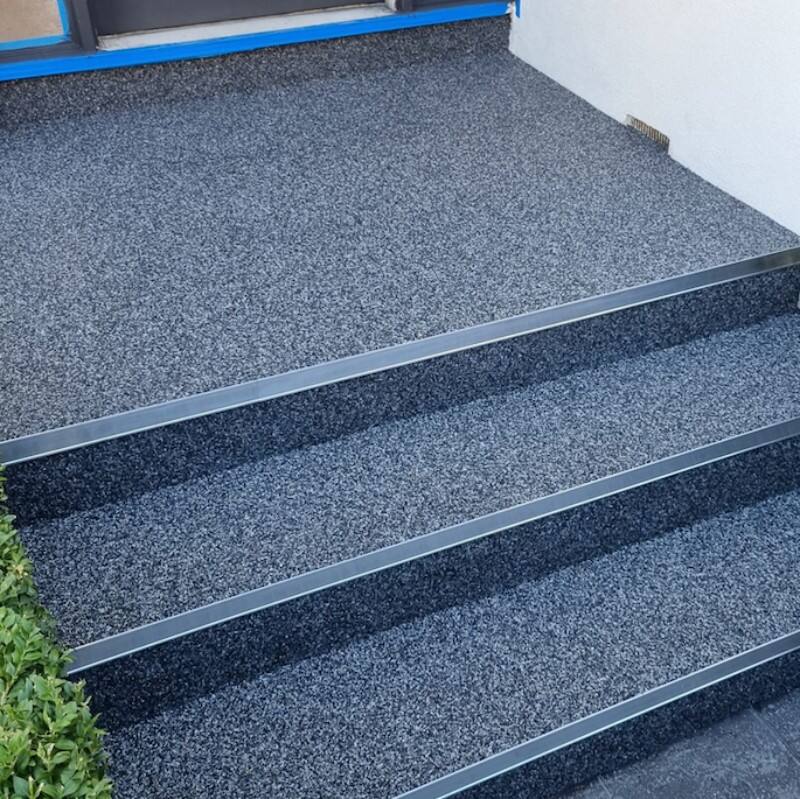
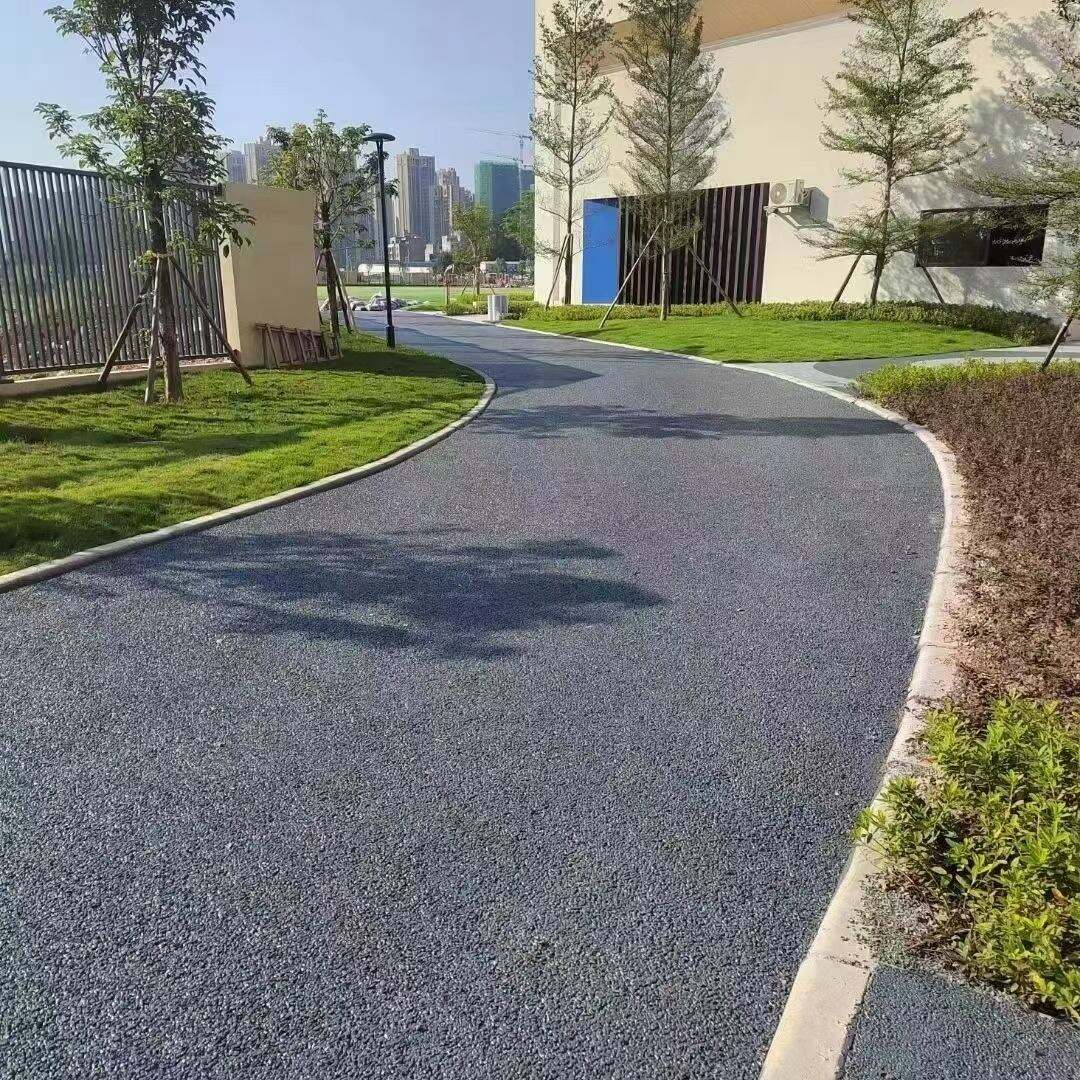
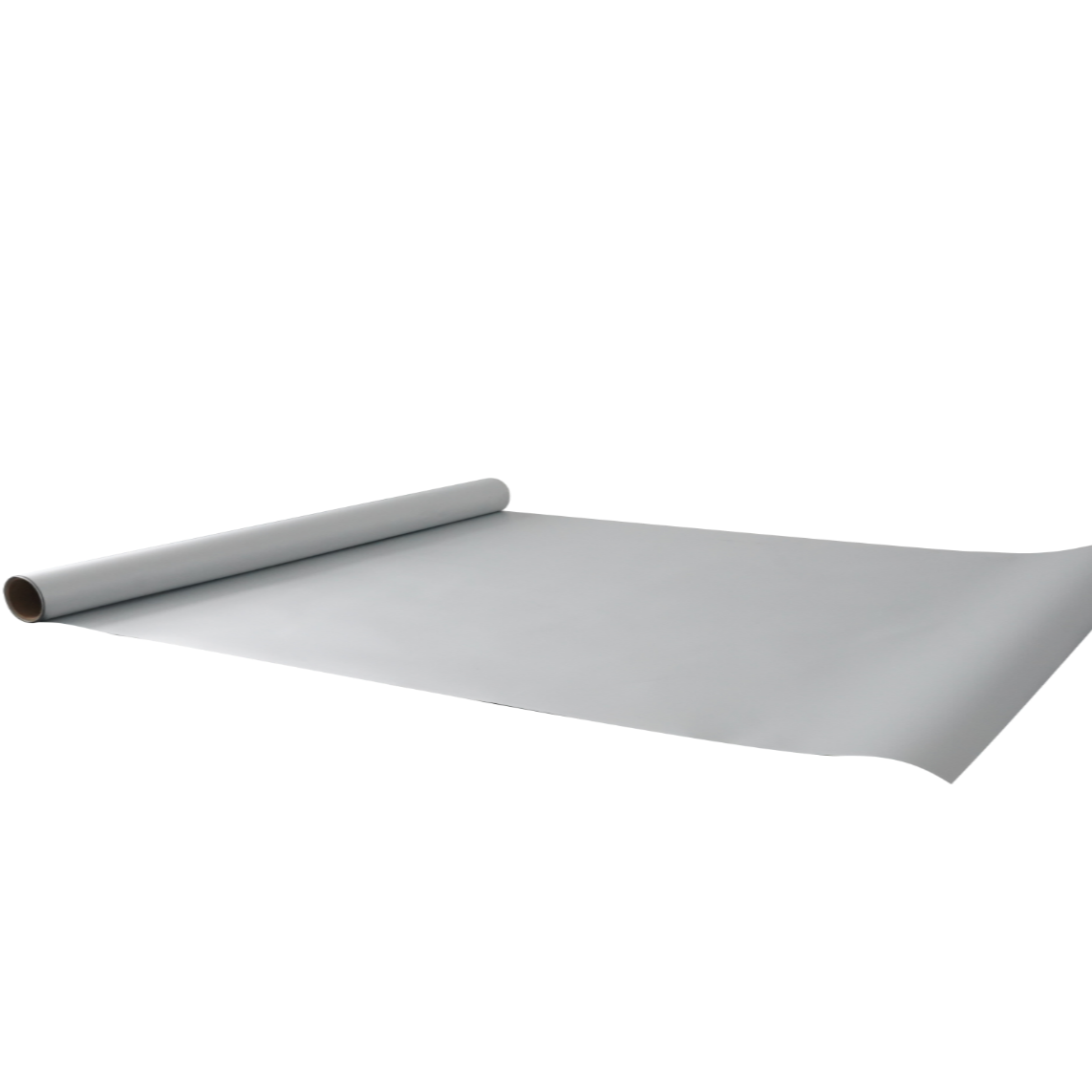
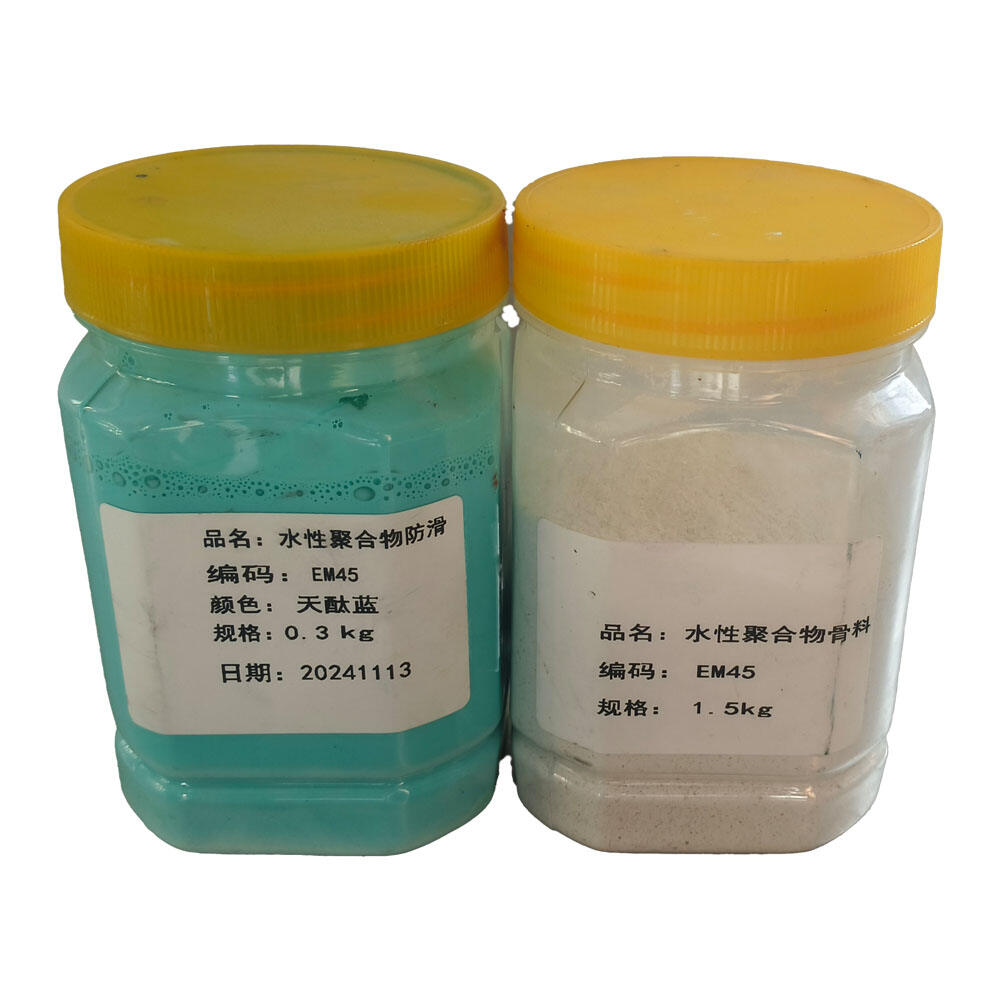
EPDM road coating represents a revolutionary advancement in pavement technology, utilizing Ethylene Propylene Diene Monomer rubber as its primary component. This innovative surface treatment transforms ordinary asphalt and concrete roads into high-performance surfaces that deliver exceptional durability and safety characteristics. The epdm road coating system consists of a specialized rubber membrane that bonds directly to existing road surfaces, creating a seamless protective layer that withstands extreme weather conditions and heavy traffic loads. The technology behind epdm road coating involves advanced polymer chemistry that produces a flexible yet robust surface capable of expanding and contracting with temperature fluctuations without cracking or deteriorating. This coating system incorporates superior adhesion properties that ensure long-term bonding to various substrates including asphalt, concrete, and metal surfaces. The main functions of epdm road coating include waterproofing, slip resistance enhancement, noise reduction, and thermal regulation. These coatings effectively seal road surfaces against moisture penetration while providing excellent traction for vehicles and pedestrians. The technological features of epdm road coating encompass UV resistance, chemical stability, and thermal cycling capability that maintains performance integrity across temperature ranges from minus forty to plus one hundred fifty degrees Fahrenheit. Applications for epdm road coating span diverse sectors including highways, bridge decks, airport runways, parking structures, pedestrian walkways, and industrial facilities. The coating proves particularly valuable for bridge deck waterproofing where traditional materials often fail due to structural movement and environmental exposure. Municipal authorities increasingly specify epdm road coating for high-traffic intersections and steep grades where enhanced grip and durability are essential. The installation process involves surface preparation, primer application, and membrane installation using specialized equipment that ensures uniform thickness and proper adhesion throughout the project area.

 EN
EN