EN
EN


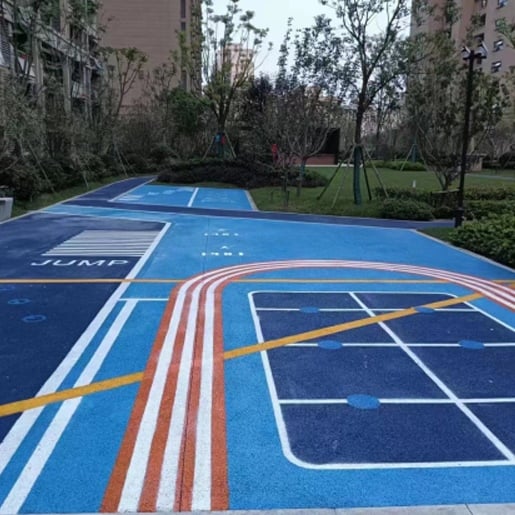
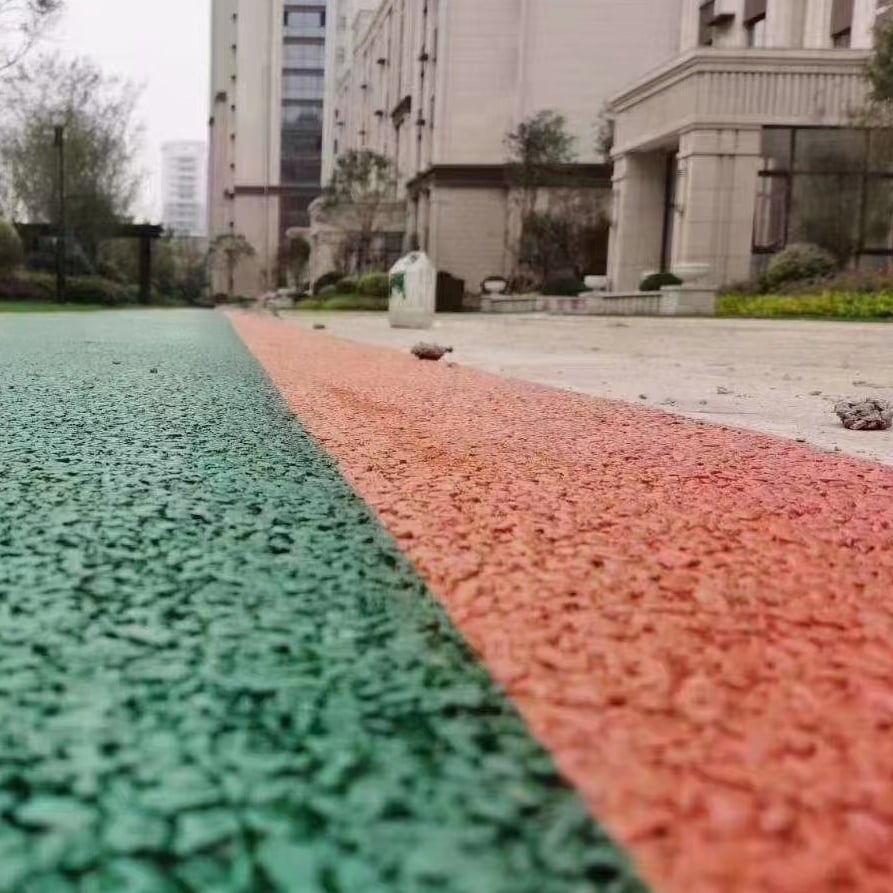
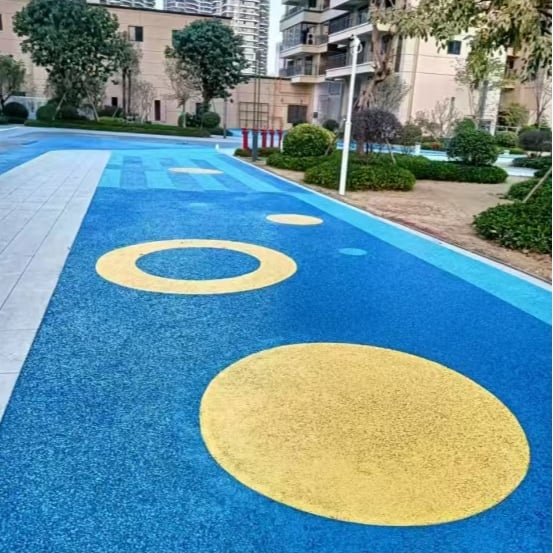
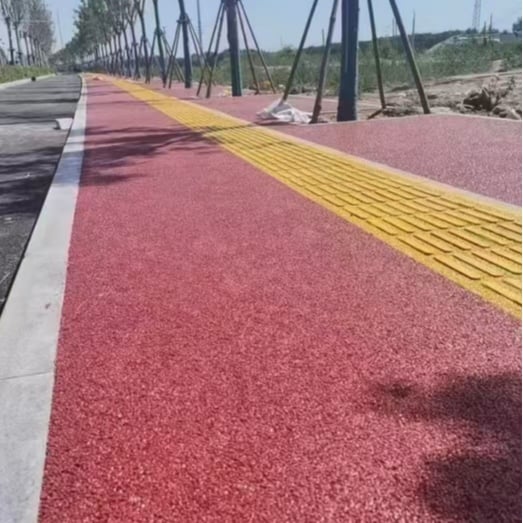
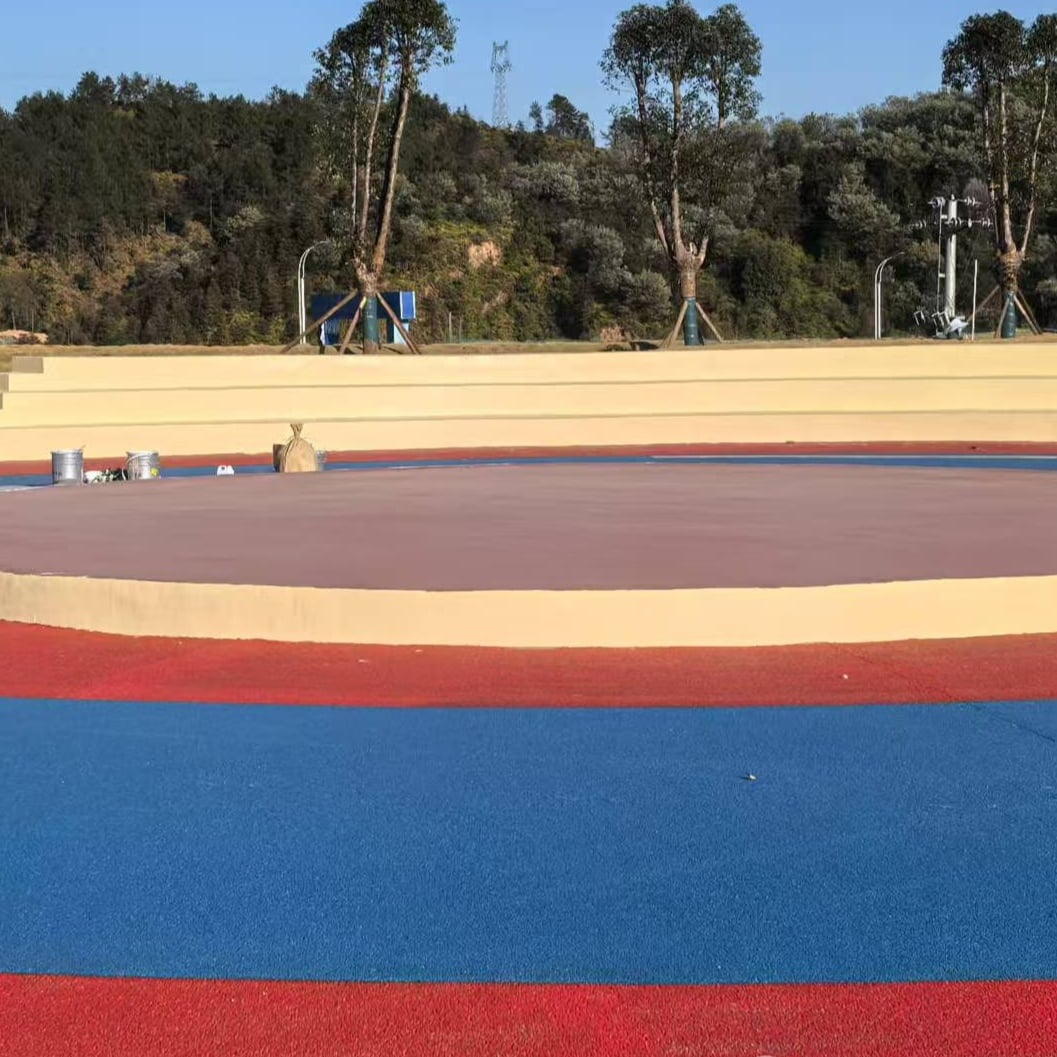
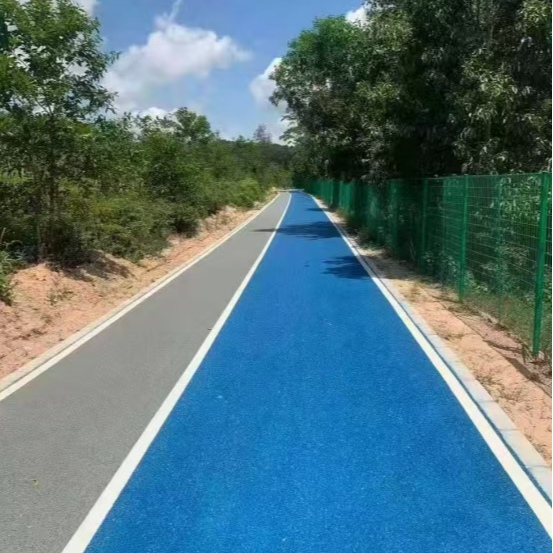
Permeable Concrete for Sidewalks, Squares, Parks, Parking Lots, and Other Areas, It Is an Essential Product for Sponge City Construction
- Overview
- Recommended Products
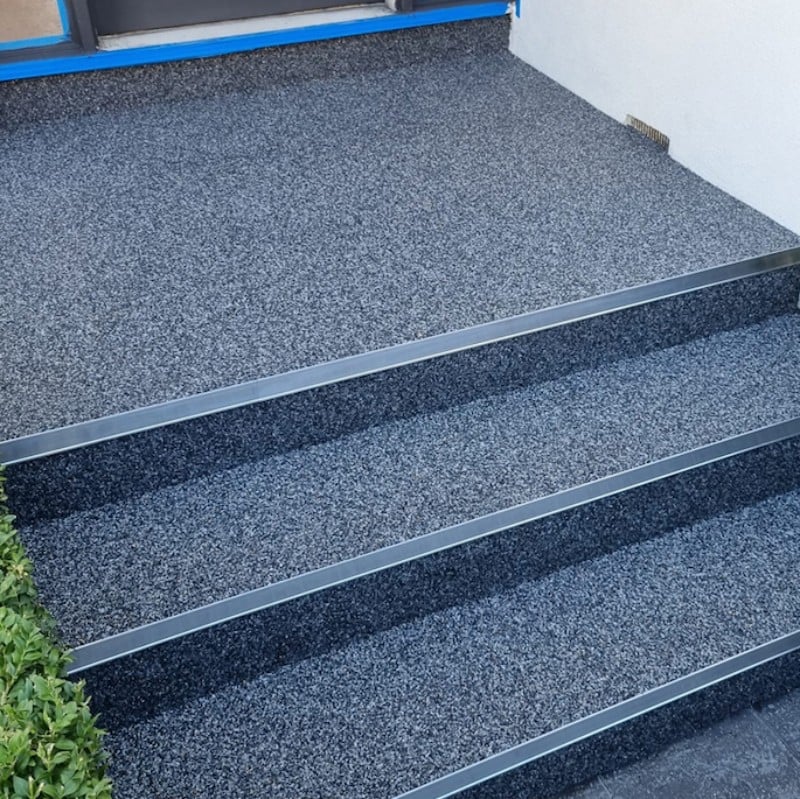
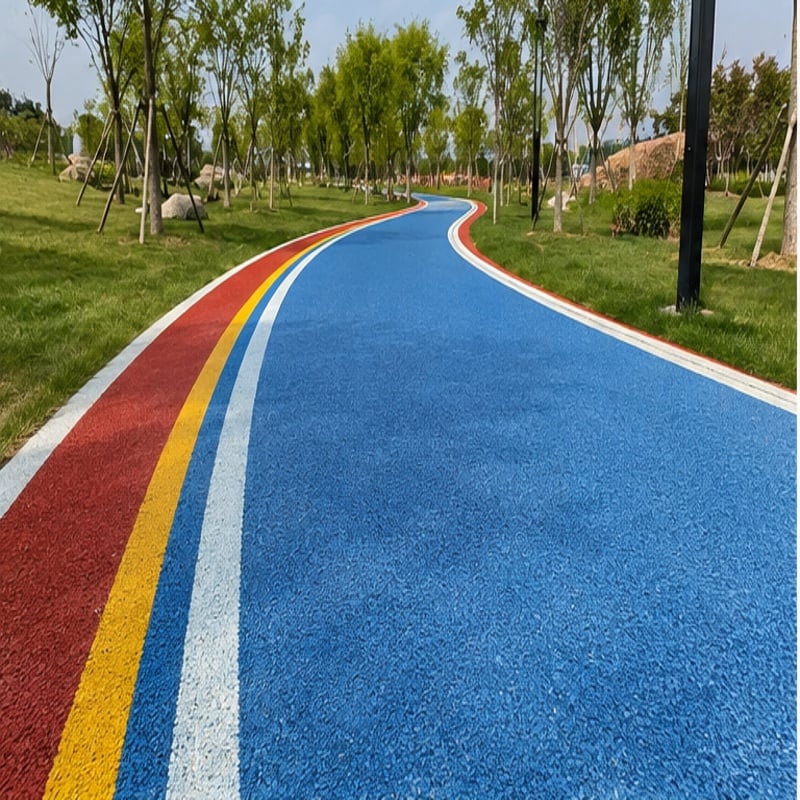
- Various colors, strong aesthetic enhancement effect.
- Simple construction; ordinary construction teams can carry out the work after guidance. Materials are readily available, most of which can be sourced locally.
- High cost-effectiveness, integrating multiple functions such as anti-slip, permeability, and noise reduction.
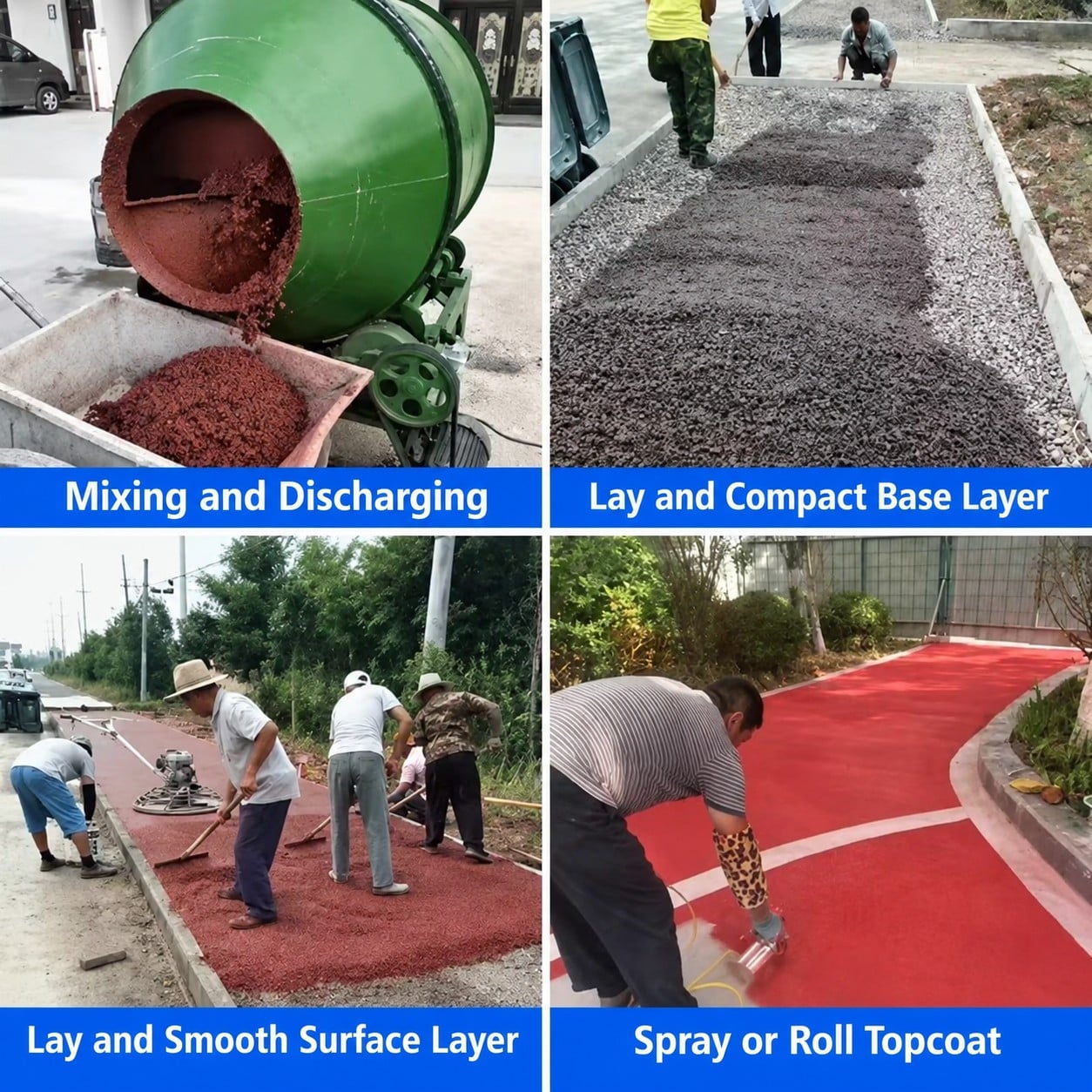
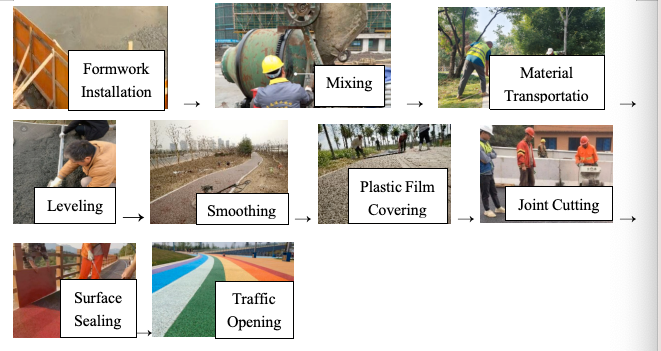
- Mark the design lines and fix the formwork.
- On a plain soil base, compact the soil, moisten the surface, and lay geotextile. For a cement base, moisten the cement surface or brush on cement slurry. It is strictly prohibited to lay the mix on a dry surface.
- Using a 350-type mixer, add approximately 0.33 cubic meters of aggregate, 100-120 kg of cement, 3-4 kg of binder (or 3-4 kg of liquid admixture), and water. The water amount varies with different sites. Determine the appropriate water content during the first mix and use this as a basis for subsequent mixes. The ideal state is: all aggregates are coated with cement paste, and the paste does not bleed or flow excessively. If there is no cement paste, the water content is too low, which may cause particle loss after paving; add water. If the paste flows, the pavement will be impermeable after paving; discard the mix or use it on the cushion layer.
- Feeding sequence: add water first, then add aggregate, cement, and binder together. Mix for at least 4 minutes until the materials in the mixing drum are uniform before discharging.
- Transport the mix using wheelbarrows. Keep the wheelbarrow hopper moist. The time from transporting the mix to the site to completing the paving should not exceed 40 minutes, and should not exceed 20 minutes during hot, dry summer.
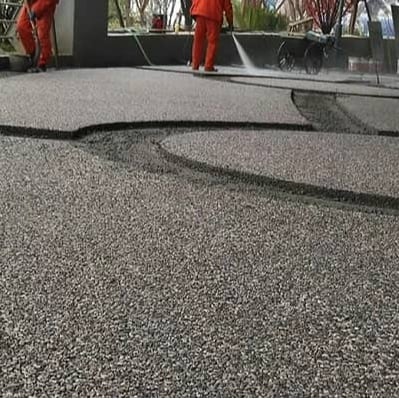
- At the paving site, initially level the mix manually with a screed, then use a cement troweling machine to smooth it back and forth. If depressions remain after troweling, fill them with the mixed material and continue troweling. Areas inaccessible to the machine must be smoothed manually with a trowel; otherwise, the strength will be inadequate, and particles may detach easily.
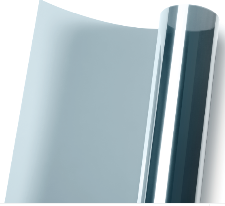
- Immediately after smoothing, cover the surface with plastic film to prevent rapid water evaporation causing cement failure. Use crushed stones, long wooden planks, or soil to weigh down the film (note cleaning requirements when using soil).
- After covering with film, the curing period begins. Traffic must be restricted, and pedestrian access is prohibited. Generally, film curing lasts 3 to 5 days. If the film interior remains moist, no additional water curing is needed.
- Cut expansion joints. It is recommended to cut an expansion joint every 6-8 meters.
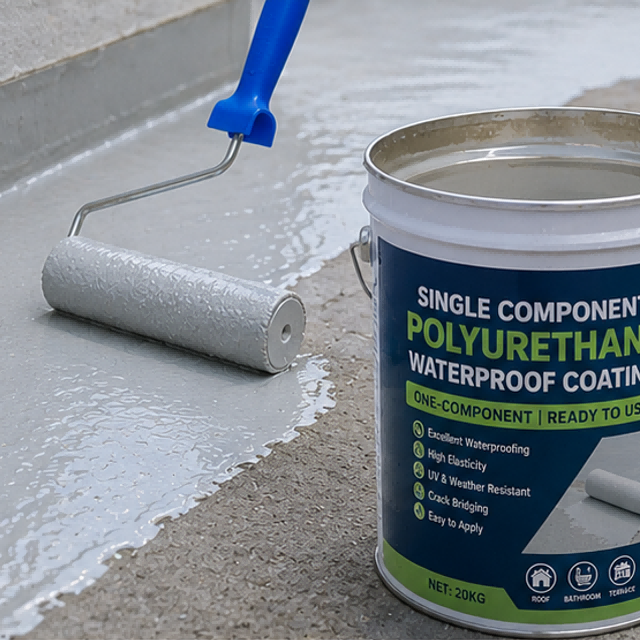
- After the surface layer is dry, spray the surface sealer. For specific spraying procedures, refer to the Permeable Pavement Sealer Construction Instructions.
- Before construction, the direct should have installed curbstones. If curbstones are not installed, formwork must be set up.
- Construction is strictly prohibited when temperatures are continuously below 0℃. Antifreeze agents must be added, and the curing period should be extended.
- Regardless of construction conditions, cover with plastic film for curing promptly.
- All construction joints should be placed at expansion joints. Curved patterns do not affect the need for straight expansion joints. Fillers for expansion joints can be foam boards or specialized joint sealant.
- The minimum thickness can be 5 cm, but vehicle traffic is not allowed, and this applies only when the base is concrete. For thickness of 10 cm or more, it can be done in two layers. Two options are available: one is to cure the base layer for 3-5 days before applying the surface layer; the other is to construct both layers simultaneously, which requires two mixers and two teams of workers.
- Common causes of particle detachment include: overly dry mix, delayed leveling, or lack of film curing. Solutions include applying more surface sealer or using adhesive for aggregate bonding.
Description
Ⅰ. Product Introduction
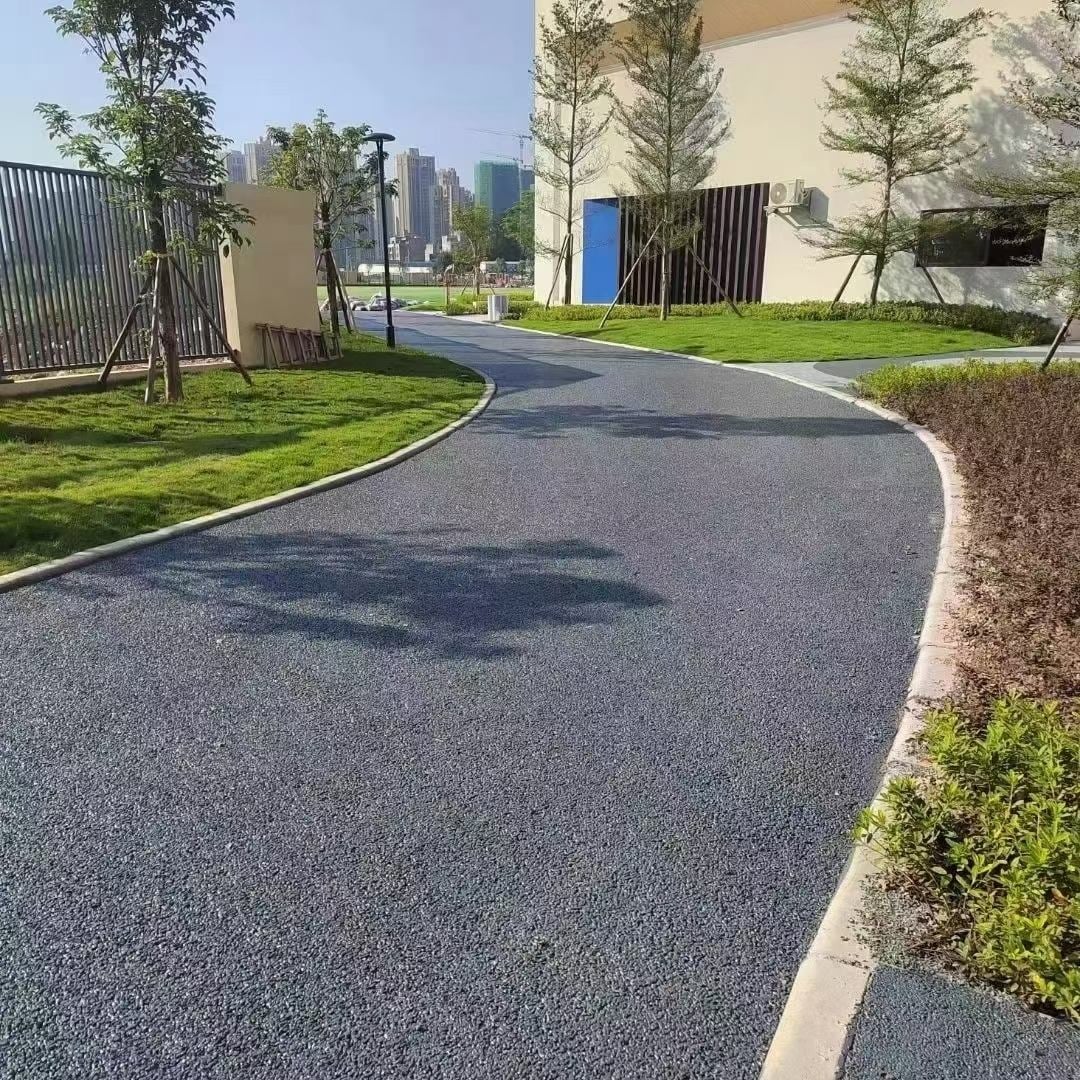
Permeable concrete is a functional pavement material made by mixing and paving clean, properly sized aggregates with high-grade cement, additives, and water according to a specific mix ratio. It features noise reduction, anti-slip, aesthetic appeal, permeability, and trafficability. Widely used in sidewalks, squares, parks, parking lots, and other areas, it is an essential product for sponge city construction.
Ⅱ. Product Features
Ⅲ. Scope of Application
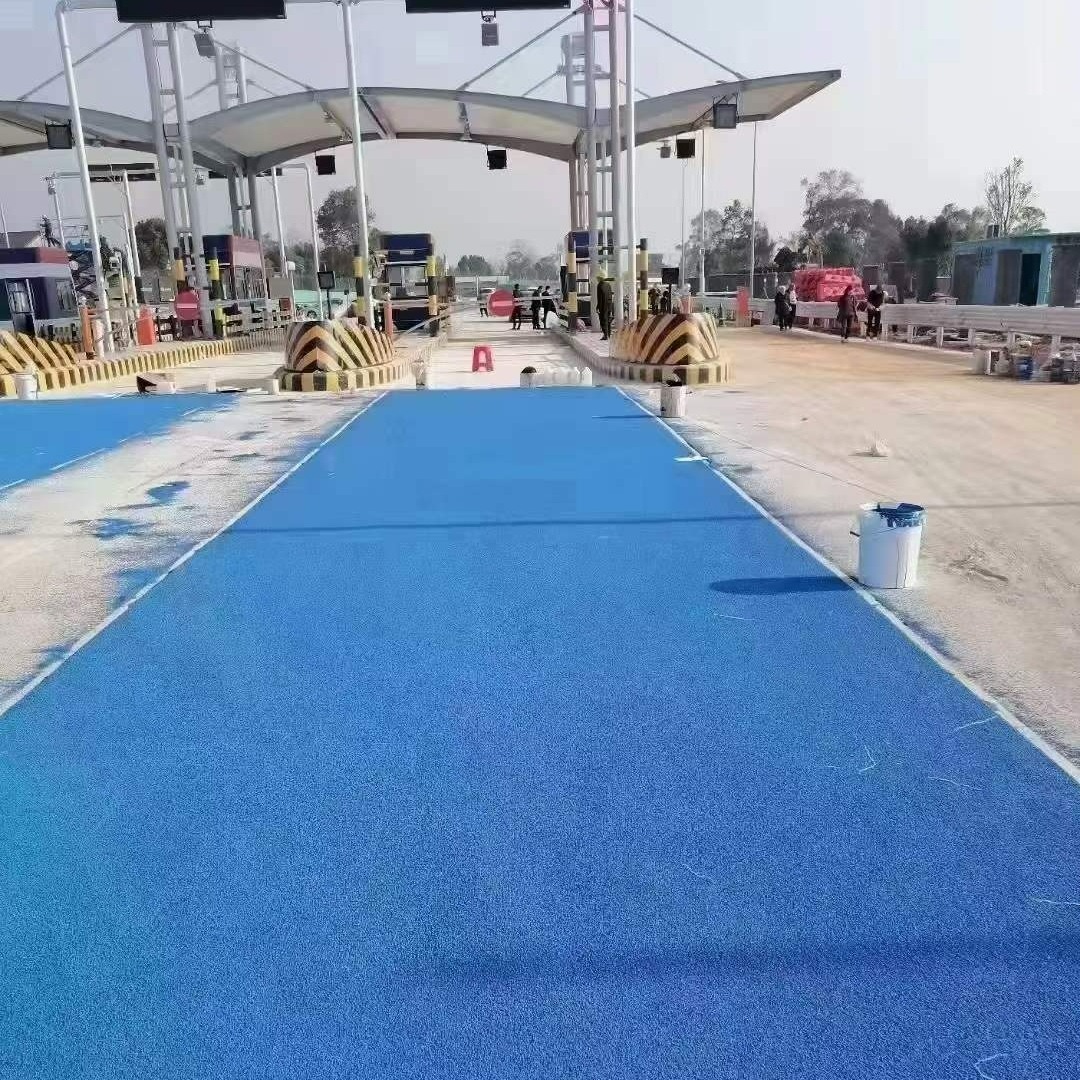
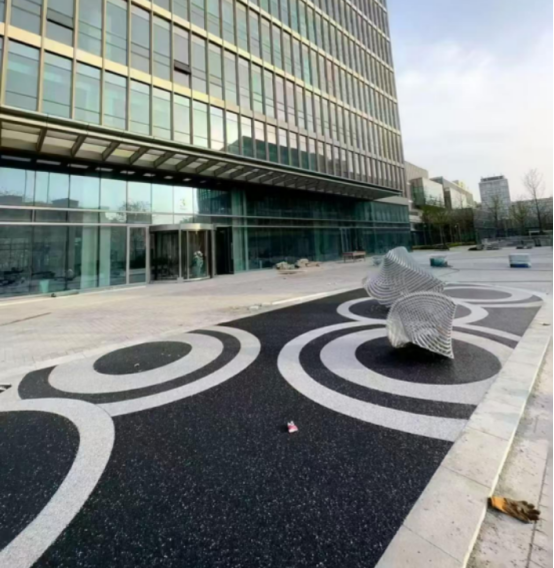
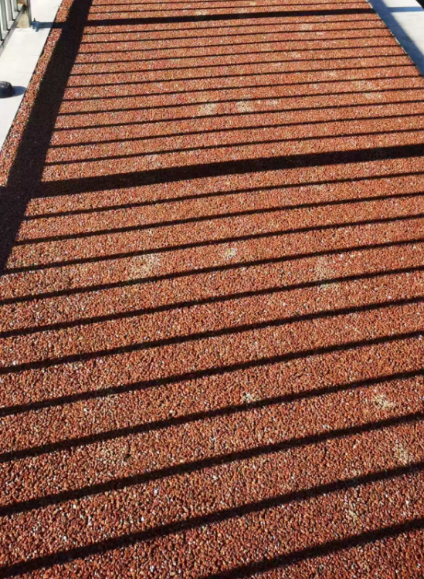
Mainly used for light-load traffic pavements, landscape pavements, tree pits, riverbank slope protection, parking lots, sidewalks, squares, etc.
 |
 |
Ⅳ. Types of Permeable Concrete
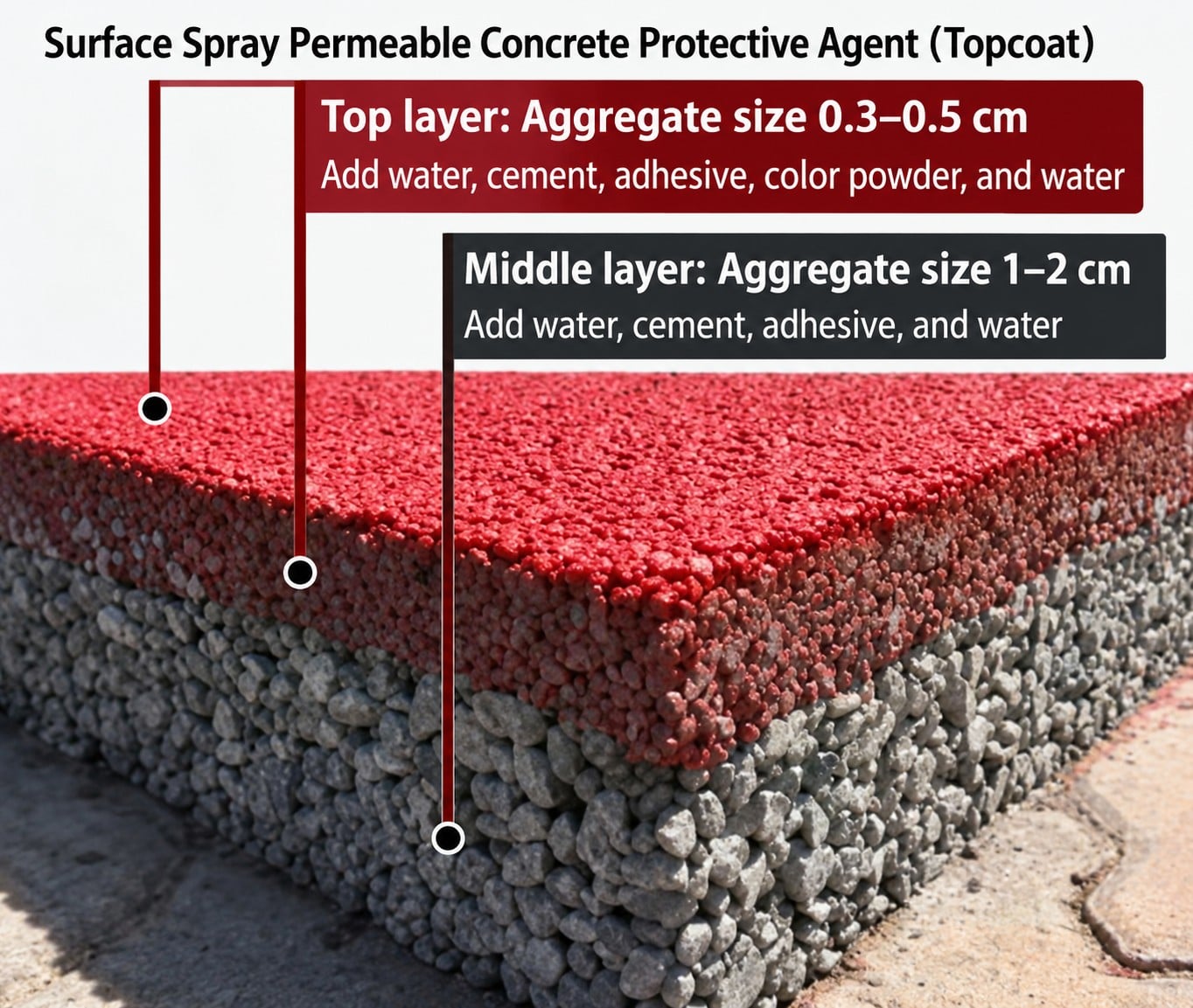
Permeable concrete is divided into two types: fully permeable pavement and semi-permeable pavement.
The base for a fully permeable pavement is typically plain soil. The soil must be compacted, covered with geotextile, and then topped with a crushed stone cushion layer. Permeable concrete is laid on top of the crushed stone layer. This type generally requires a thickness of 10 cm or more.
The base for a semi-permeable pavement can be ordinary cement concrete or asphalt pavement. For cement concrete bases, cement slurry should b brushed on to improve adhesion. For asphalt concrete bases, a sealant should be applied to enhance bonding with the permeable surface. This type generally requires a thickness of 5 cm or more.
Ⅴ. Construction Procedure
1. Ground base treatment construction
2. Construction of the pavement surface layer
Construction Process Introduction
Ⅵ. Tools and Equipment
| No. | Name | Usage Stage |
| 1 | Mixer | Mixing permeable concrete |
| 2 | Wheelbarrow | Transporting concrete |
| 3 | Loader | Loading materials |
| 4 | Screed | Leveling |
| 5 | Power Trowel | Smoothing and compacting |
| 6 | Shovel | Patching and filling |
| 7 | Iron Rake | Leveling |
| 8 | Platform Scale | Weighing |
| 9 | Common Trowel | Edging |
| 10 | Plastic Film | Curing |
Ⅶ. Precautions
Applications
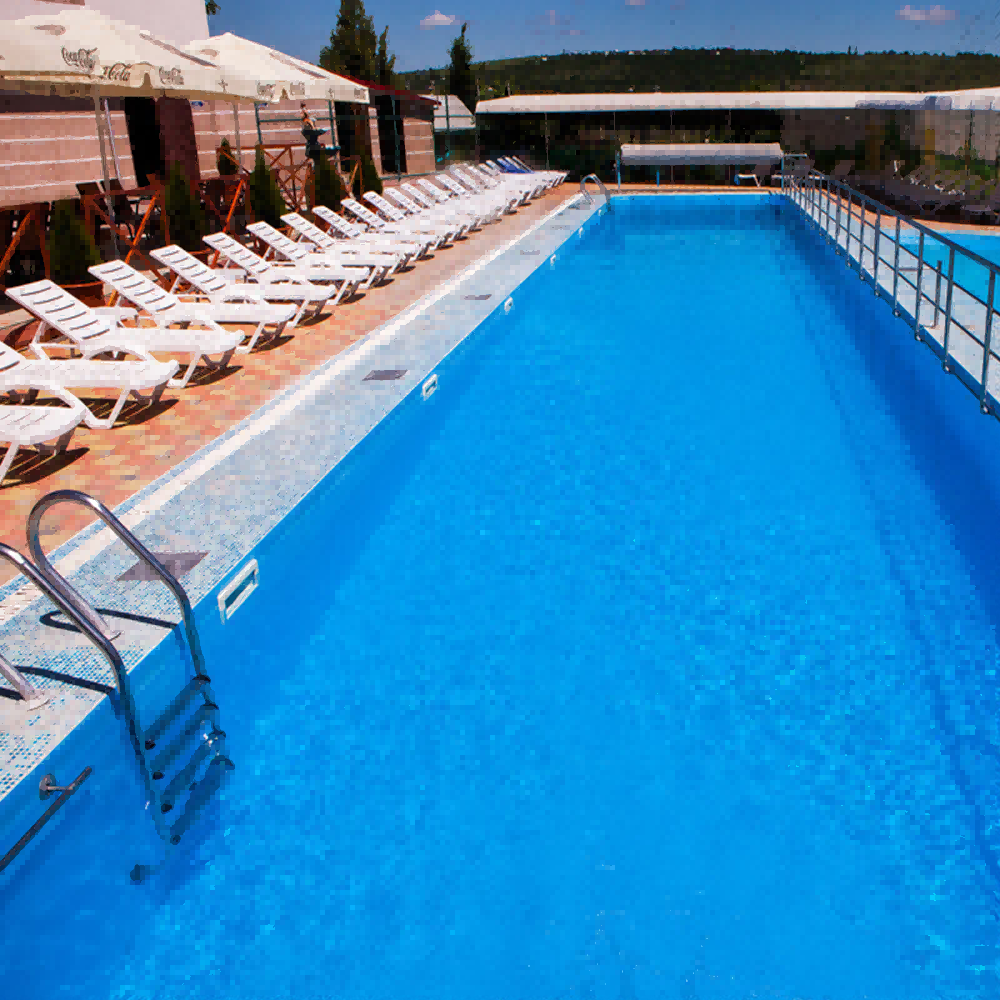
Widely used in sidewalks, squares, parks, parking lots, and other areas, it is an essential product for sponge city construction.