Industrial Self Leveling Solutions: Advanced Automated Flooring Systems for Precision Applications

All Categories

Get a Free Quote

Our representative will contact you soon.
Email
Mobile/WhatsApp
Name
Company Name
Message
0/1000

industrial self leveling

Industrial self leveling represents a revolutionary advancement in flooring and surface preparation technology that has transformed how businesses approach floor installation and maintenance. This sophisticated system utilizes specialized compounds and automated equipment to create perfectly level surfaces across large industrial spaces with minimal human intervention. The industrial self leveling process involves the application of specialized polymeric compounds that flow and settle naturally, eliminating surface irregularities and creating smooth, uniform floors that meet strict industrial standards. Modern industrial self leveling systems incorporate advanced sensor technology and computerized control mechanisms that monitor surface elevation in real-time, automatically adjusting compound distribution to achieve optimal results. The technology relies on carefully formulated materials that exhibit controlled flow characteristics, allowing them to seek their own level while maintaining structural integrity during the curing process. These systems excel in environments where precision is paramount, such as manufacturing facilities, warehouses, food processing plants, pharmaceutical facilities, and high-tech cleanrooms. The industrial self leveling process typically begins with thorough surface preparation, followed by primer application to ensure proper adhesion. Advanced mixing systems then prepare the leveling compound to exact specifications, while automated dispensing equipment distributes the material evenly across the designated area. Sophisticated monitoring systems track the leveling progress, ensuring consistent thickness and proper coverage throughout the installation. The final result is a flawlessly level surface that provides exceptional durability, chemical resistance, and performance under demanding industrial conditions. This technology significantly reduces installation time compared to traditional leveling methods while delivering superior quality and consistency that manual techniques cannot match.

New Product Releases

Industrial self leveling delivers remarkable time savings that directly impact project schedules and operational efficiency. Traditional floor leveling methods require extensive manual labor, multiple application phases, and lengthy curing periods between each stage. The industrial self leveling system completes the entire process in a fraction of the time, allowing facilities to resume normal operations quickly. This rapid installation capability translates into reduced downtime costs and faster return on investment for businesses. The precision achieved through industrial self leveling far exceeds manual methods, creating surfaces with tolerances measured in millimeters rather than centimeters. This exceptional accuracy eliminates the need for costly rework and ensures that equipment installations, production lines, and material handling systems operate at peak efficiency. The consistent surface quality provided by industrial self leveling prevents premature wear on machinery wheels, reduces vibration, and minimizes maintenance requirements for equipment that operates on these floors. Cost effectiveness represents another significant advantage of industrial self leveling systems. While the initial technology investment may seem substantial, the long-term savings through reduced labor costs, eliminated rework, and decreased maintenance requirements create substantial value. The system requires fewer skilled operators compared to traditional leveling crews, reducing labor expenses while maintaining superior quality standards. Material waste decreases significantly because the automated mixing and application process delivers precise quantities exactly where needed. Industrial self leveling also provides enhanced safety benefits by eliminating trip hazards and creating stable working surfaces. The smooth, level finish reduces the risk of accidents caused by uneven flooring, protecting workers and reducing liability concerns. The chemical resistance and durability of industrial self leveling compounds mean floors maintain their integrity longer, reducing slip hazards and structural failures that could endanger personnel. Environmental benefits include reduced material consumption and waste generation compared to traditional methods. The precision application minimizes excess material usage, while the durability of the finished surface reduces the frequency of replacement cycles. This sustainability aspect appeals to companies focused on environmental responsibility and green building certifications.

Tips And Tricks

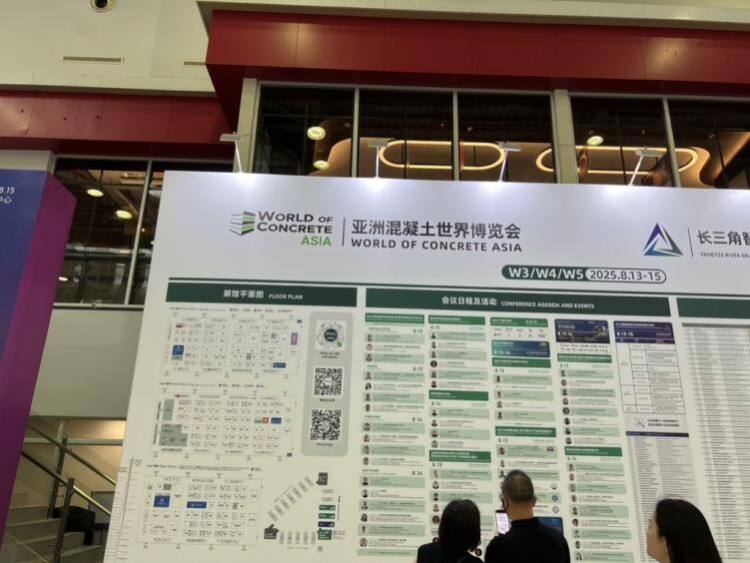
Shandong Huacheng High-Tech Participates in WORLD OF CONCRETE ASIA 2025 in Shanghai

25

Feb

Shandong Huacheng High-Tech Participates in WORLD OF CONCRETE ASIA 2025 in Shanghai

View More
Shandong Huacheng High-Tech Shines at CHINACOAT 2025 Shanghai

25

Feb

Shandong Huacheng High-Tech Shines at CHINACOAT 2025 Shanghai

View More
Huacheng High-Tech Recognized as Provincial Enterprise Technology Center by Shandong Province

27

Feb

Huacheng High-Tech Recognized as Provincial Enterprise Technology Center by Shandong Province

View More

Get a Free Quote

Our representative will contact you soon.
Email
Mobile/WhatsApp
Name
Company Name
Message
0/1000

industrial self leveling

Advanced Automated Precision Control Systems

Advanced Automated Precision Control Systems

The cornerstone of modern industrial self leveling technology lies in its sophisticated automated precision control systems that revolutionize how level surfaces are achieved in demanding industrial environments. These systems integrate cutting-edge laser measurement technology with computerized control units that continuously monitor and adjust the leveling process in real-time. The laser-guided sensors create detailed topographical maps of the existing surface, identifying variations down to millimeter-level precision across vast floor areas spanning thousands of square feet. This data feeds into advanced algorithms that calculate optimal compound distribution patterns, ensuring consistent thickness and perfect leveling throughout the entire installation. The automated control systems eliminate human error variables that traditionally plague manual leveling operations, where inconsistencies in mixing ratios, application techniques, and surface preparation can compromise final results. Instead, these industrial self leveling systems maintain strict quality standards through computerized monitoring that adjusts parameters automatically based on environmental conditions such as temperature, humidity, and substrate characteristics. The precision control extends to material mixing, where automated systems blend components to exact specifications every time, eliminating batch-to-batch variations that can affect performance and appearance. Real-time feedback mechanisms allow operators to monitor progress remotely, receiving instant alerts if any parameters drift outside acceptable ranges. This level of control ensures that large industrial installations maintain uniform quality from start to finish, regardless of the project size or complexity. The technology also incorporates predictive algorithms that anticipate potential issues before they occur, automatically adjusting operating parameters to maintain optimal performance. This proactive approach prevents costly delays and rework while ensuring that the finished industrial self leveling surface meets or exceeds specification requirements. The integration of these advanced control systems makes industrial self leveling installations more reliable, repeatable, and efficient than ever before possible with traditional leveling methods.
Superior Chemical and Physical Durability Performance

Superior Chemical and Physical Durability Performance

Industrial self leveling systems deliver exceptional chemical and physical durability performance that far exceeds traditional flooring solutions, making them ideal for demanding industrial environments where floors face constant abuse from heavy machinery, chemical exposure, and extreme operating conditions. The specialized polymeric compounds used in industrial self leveling applications undergo rigorous testing to ensure resistance against a wide range of industrial chemicals, including acids, bases, solvents, oils, and cleaning agents commonly found in manufacturing facilities. This chemical resistance prevents degradation, staining, and structural damage that typically plague conventional flooring materials, extending service life significantly while maintaining aesthetic appeal. The physical durability characteristics of industrial self leveling surfaces include exceptional compressive strength that withstands heavy equipment loads, high impact resistance that prevents cracking from dropped tools or materials, and superior abrasion resistance that maintains surface integrity under constant traffic from forklifts, pallet jacks, and foot traffic. These properties result from carefully engineered polymer matrices that cure to create dense, non-porous surfaces capable of withstanding years of demanding industrial use without requiring major repairs or replacement. The thermal stability of industrial self leveling compounds allows them to maintain structural integrity across wide temperature ranges, accommodating the heating and cooling cycles common in industrial environments without cracking or delamination. This thermal performance is crucial for facilities that experience significant temperature variations or house equipment that generates substantial heat during operation. The seamless nature of industrial self leveling installations eliminates joints and seams where dirt, bacteria, and chemicals typically accumulate, creating hygienic surfaces that meet strict cleanliness standards required in food processing, pharmaceutical, and healthcare facilities. The non-porous surface structure resists moisture penetration, preventing mold growth and structural damage from water exposure. Long-term performance studies demonstrate that properly installed industrial self leveling surfaces maintain their properties for decades with minimal maintenance, providing exceptional return on investment through reduced replacement costs and extended service intervals.

Comprehensive Multi-Industry Application Versatility

Comprehensive Multi-Industry Application Versatility

Industrial self leveling technology demonstrates remarkable versatility across diverse industry sectors, adapting to unique requirements and challenging environments that demand specialized flooring solutions. In pharmaceutical manufacturing facilities, industrial self leveling creates seamless, sterile surfaces that meet stringent FDA requirements for cleanliness and contamination control. These installations provide the smooth, non-porous surfaces essential for maintaining aseptic conditions while withstanding frequent cleaning with harsh disinfectants and sterilizing agents. The precision leveling capabilities ensure that sensitive equipment operates within tight tolerances, preventing vibration issues that could compromise product quality or equipment performance. Food processing facilities benefit enormously from industrial self leveling installations that create hygienic surfaces resistant to bacterial growth while providing the durability needed to withstand constant washdowns, temperature extremes, and heavy equipment traffic. The seamless finish eliminates hiding places for contaminants, supporting HACCP compliance and food safety protocols. Chemical resistance properties protect against acids, bases, and cleaning solutions commonly used in food processing operations. In automotive manufacturing plants, industrial self leveling provides the precise, stable surfaces required for robotic assembly lines and quality control stations. The exceptional flatness tolerances ensure accurate positioning of automated equipment while the vibration-dampening properties improve precision in sensitive assembly operations. Heavy-duty formulations withstand the constant traffic from material handling equipment and resist automotive fluids and lubricants. Warehouse and distribution centers utilize industrial self leveling to create smooth surfaces that reduce wear on material handling equipment while improving operational efficiency. The level floors allow forklifts and automated guided vehicles to operate more efficiently, reducing energy consumption and maintenance costs. The durability properties ensure long service life despite constant heavy traffic and impact from dropped materials. Data centers and clean room facilities require the exceptional precision and cleanliness that industrial self leveling provides. The static-dissipative formulations available protect sensitive electronic equipment while maintaining the sterile conditions essential for semiconductor manufacturing and other high-tech applications. The versatility extends to specialized applications such as cold storage facilities, where thermal shock resistance prevents cracking in extreme temperature conditions.

Get a Free Quote

Our representative will contact you soon.
Email
Mobile/WhatsApp
Name
Company Name
Message
0/1000