Superior Chemical and Environmental Resistance
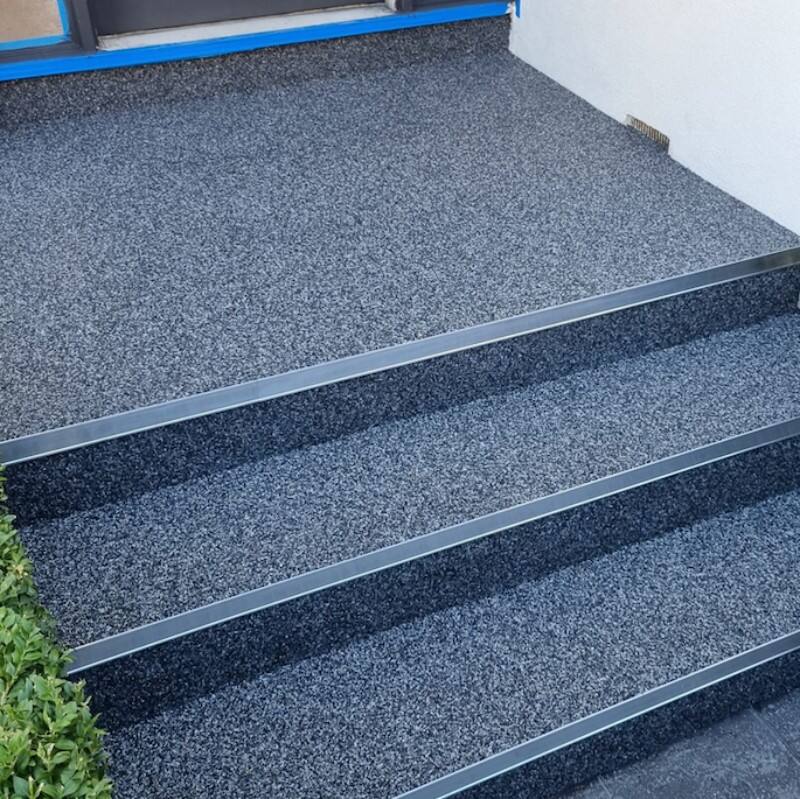
Polyurea protective coating exhibits exceptional chemical resistance that surpasses conventional coating systems through its unique polymer structure and cross-linking density. The fully cured coating creates a barrier that effectively resists penetration from acids, alkalis, solvents, oils, and various industrial chemicals commonly encountered in manufacturing and processing environments. This comprehensive chemical resistance stems from the tight molecular structure of polyurea, which prevents chemical migration through the coating matrix and protects underlying substrates from corrosive attack. Extensive testing demonstrates that polyurea protective coating maintains its integrity when exposed to sulfuric acid, hydrochloric acid, sodium hydroxide, and numerous organic solvents without softening, swelling, or losing adhesion. The coating's resistance to fuel oils, hydraulic fluids, and petroleum products makes it particularly valuable for automotive, aviation, and marine applications where hydrocarbon exposure is constant. Environmental resistance extends beyond chemical exposure to include superior UV stability, ozone resistance, and weathering performance that maintains color stability and mechanical properties over extended outdoor exposure. The coating system demonstrates remarkable performance in marine environments where saltwater, humidity, and thermal cycling create challenging conditions for most protective systems. Polyurea protective coating resists the degrading effects of freeze-thaw cycles, preventing the cracking and delamination common in rigid coating systems subjected to thermal stress. The moisture vapor transmission rate of properly applied polyurea protective coating is extremely low, providing excellent protection against humidity-driven corrosion and substrate degradation. This barrier performance is particularly important in underground installations, below-grade applications, and environments with high moisture content. The coating's resistance to biological growth, including mold, mildew, and bacterial colonization, maintains surface cleanliness and hygiene standards in food processing facilities, healthcare environments, and clean manufacturing areas. Agricultural applications benefit from the coating's resistance to fertilizers, pesticides, and organic acids present in farming operations. The long-term environmental stability of polyurea protective coating ensures consistent protection performance throughout its service life, eliminating the performance degradation and frequent reapplication requirements associated with less resistant coating systems.

 EN
EN