Self Leveling Industrial Floor Solutions: Durable, Efficient, and Cost-Effective Flooring Systems

All Categories

Get a Free Quote

Our representative will contact you soon.
Email
Mobile/WhatsApp
Name
Company Name
Message
0/1000

self leveling industrial floor

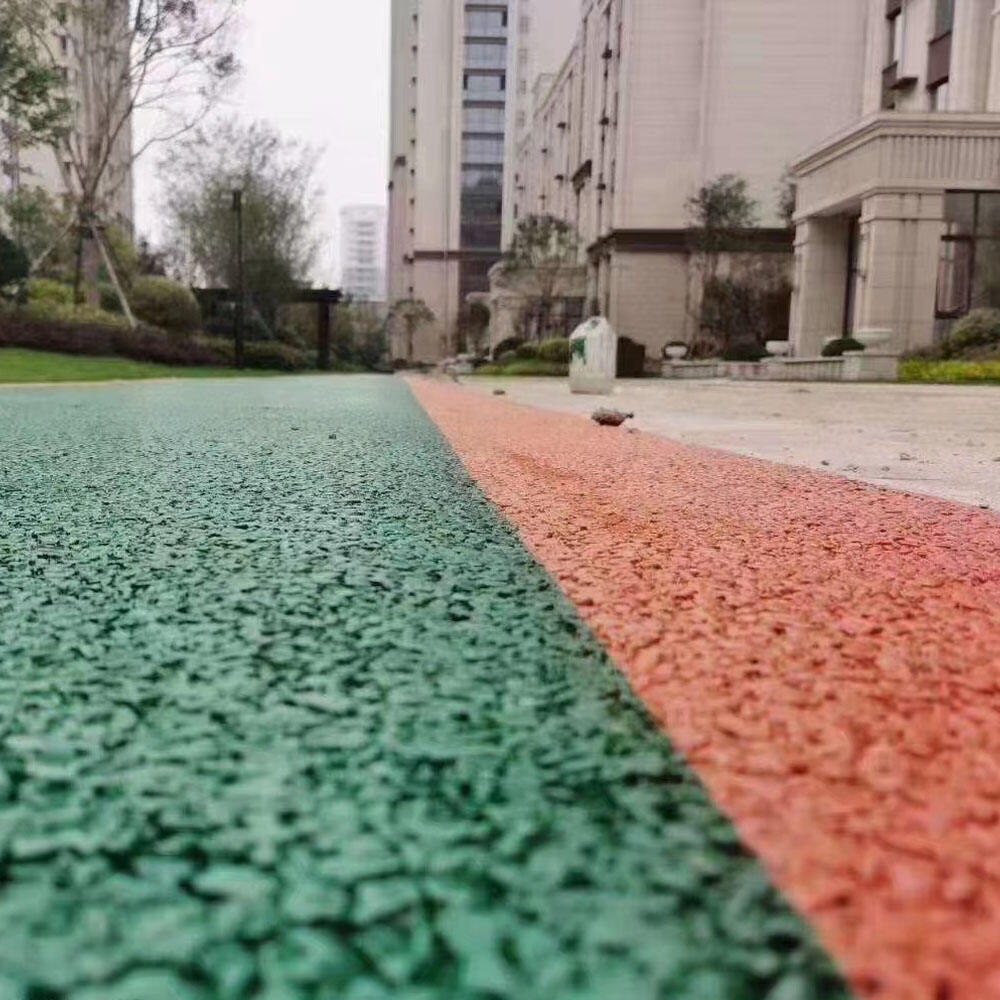
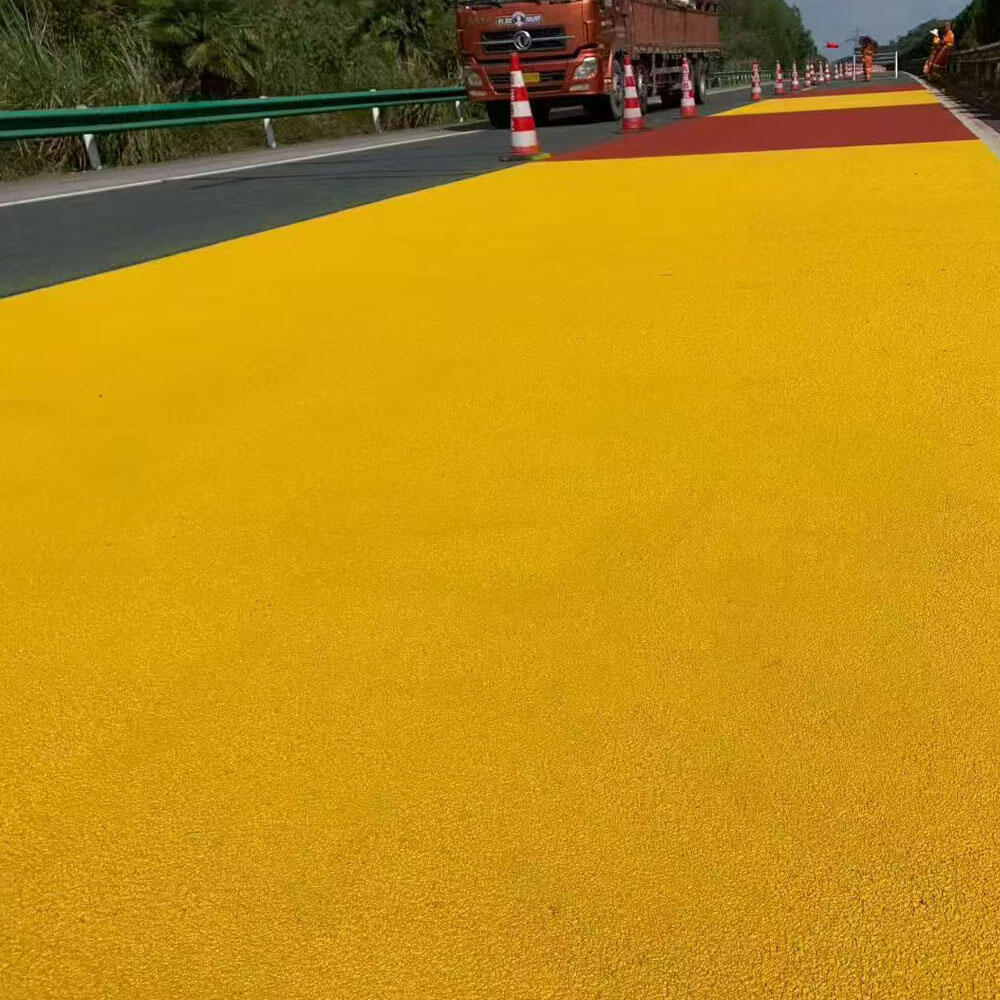
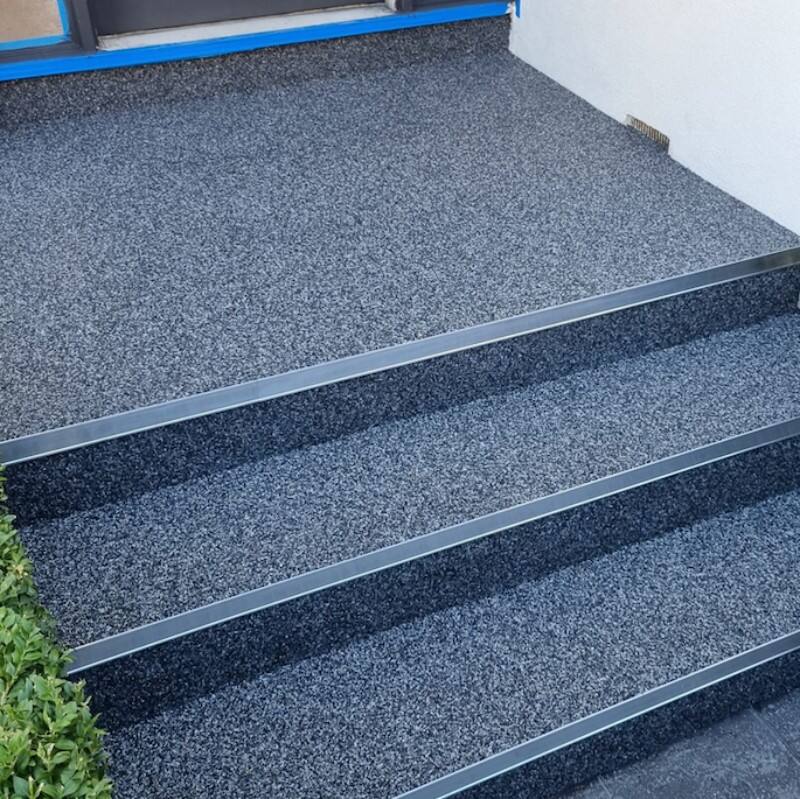
Self leveling industrial floor systems represent a revolutionary advancement in commercial and industrial flooring solutions. These specialized flooring systems utilize advanced polymer-based compounds that automatically spread and level themselves across surfaces, creating perfectly smooth, durable foundations for high-traffic environments. The self leveling industrial floor technology eliminates the need for manual smoothing and leveling, significantly reducing installation time while ensuring consistent thickness throughout the entire surface area. Modern self leveling industrial floor formulations incorporate cutting-edge materials including epoxy resins, polyurethane compounds, and specialized aggregates that provide exceptional strength and chemical resistance. These floors cure into seamless, non-porous surfaces that withstand heavy machinery, constant foot traffic, and exposure to various industrial chemicals and oils. The primary function of a self leveling industrial floor extends beyond simple surface coverage, offering comprehensive protection against moisture penetration, thermal shock, and mechanical damage. Installation involves precise surface preparation, primer application, and careful mixing of the self leveling compound to achieve optimal flow characteristics. Professional installers pour the mixture onto prepared substrates, where gravity and the material's inherent properties work together to create uniform thickness across irregular surfaces. This technology proves particularly valuable in manufacturing facilities, warehouses, food processing plants, pharmaceutical laboratories, and automotive service centers where floor integrity directly impacts operational efficiency. Self leveling industrial floor systems accommodate various substrate types including concrete, metal, and existing floor coverings, making them versatile solutions for both new construction and renovation projects. Temperature resistance, chemical compatibility, and load-bearing capacity can be customized through specific formulation adjustments, ensuring each installation meets precise operational requirements while maintaining long-term performance standards.

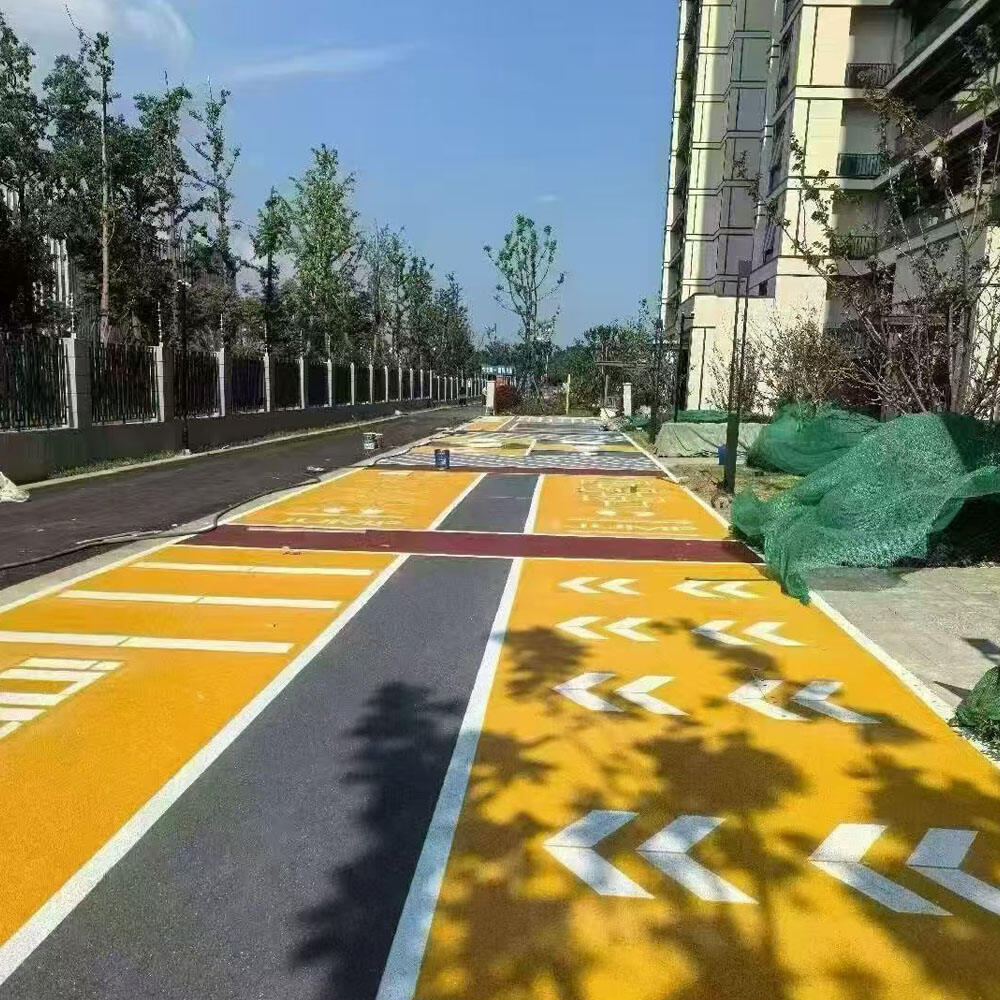
Popular Products

Self leveling industrial floor systems deliver remarkable time savings during installation compared to traditional flooring methods. Conventional floor preparation requires extensive manual labor, multiple grinding sessions, and repeated leveling attempts to achieve acceptable smoothness. The self leveling industrial floor eliminates these labor-intensive steps through its automatic spreading properties, reducing installation time by up to sixty percent while ensuring superior surface quality. This efficiency translates directly into cost savings for facility owners through reduced labor expenses and minimized operational downtime. Maintenance requirements for self leveling industrial floor installations remain exceptionally low throughout their service life. The seamless, non-porous surface prevents dirt accumulation, chemical penetration, and bacterial growth, allowing simple cleaning with standard industrial equipment. Regular maintenance involves basic sweeping and occasional mopping with approved cleaning solutions, eliminating the need for specialized treatments or frequent refinishing that other flooring types require. Chemical resistance stands as another significant advantage, with properly formulated self leveling industrial floor systems withstanding exposure to acids, alkalis, solvents, and petroleum products commonly found in industrial environments. This resistance prevents floor degradation, extends service life, and maintains appearance quality under harsh operating conditions. Load distribution capabilities exceed those of traditional floor coverings through the monolithic structure created during installation. Heavy machinery, concentrated loads, and dynamic forces spread evenly across the self leveling industrial floor surface, preventing localized damage and extending overall floor lifespan. Impact resistance protects against dropped tools, equipment mishaps, and daily wear from industrial operations. The dense, properly cured surface absorbs impact energy while maintaining structural integrity, reducing repair frequency and associated costs. Temperature stability allows self leveling industrial floor systems to function effectively across wide temperature ranges without cracking, expanding, or contracting significantly. This stability proves crucial in facilities with varying thermal conditions, such as manufacturing plants with heat-generating equipment or cold storage facilities. Safety benefits include improved slip resistance through textured finish options and elimination of trip hazards created by uneven surfaces. Enhanced lighting reflection from smooth surfaces improves workplace visibility while reducing energy consumption for artificial lighting systems.

Latest News

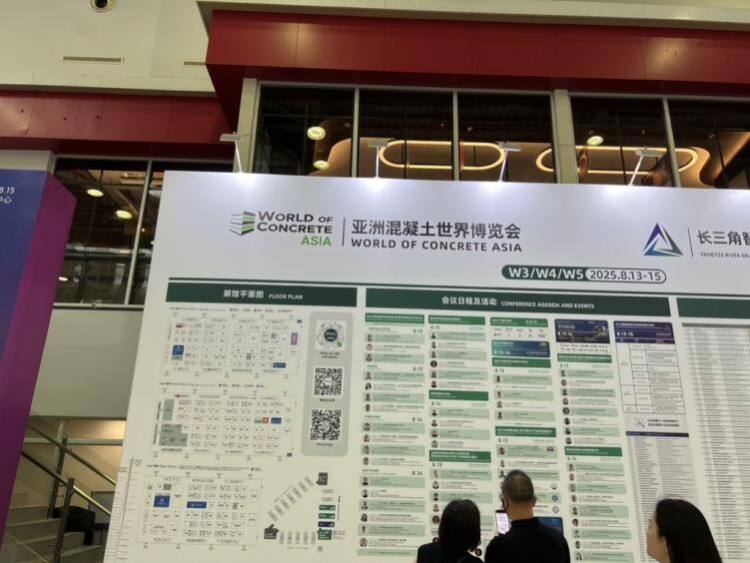
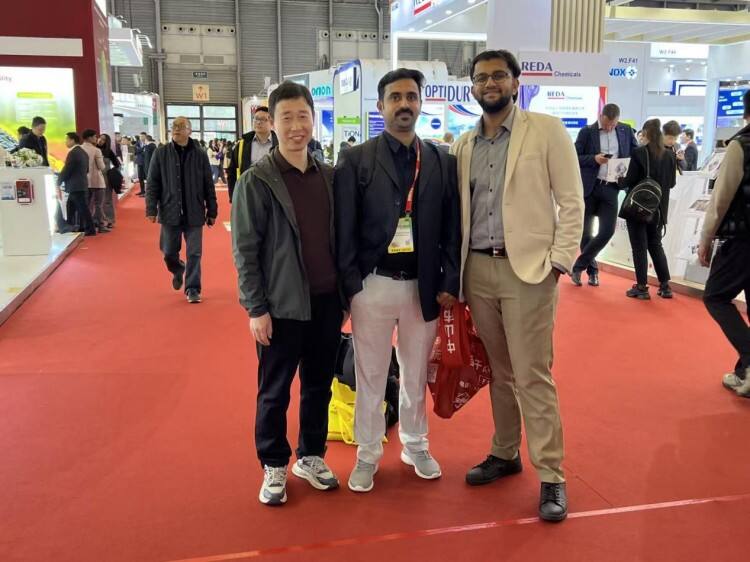
Shandong Huacheng High-Tech Participates in WORLD OF CONCRETE ASIA 2025 in Shanghai

25

Feb

Shandong Huacheng High-Tech Participates in WORLD OF CONCRETE ASIA 2025 in Shanghai

View More
Shandong Huacheng High-Tech Shines at CHINACOAT 2025 Shanghai

25

Feb

Shandong Huacheng High-Tech Shines at CHINACOAT 2025 Shanghai

View More
Huacheng High-Tech Recognized as Provincial Enterprise Technology Center by Shandong Province

27

Feb

Huacheng High-Tech Recognized as Provincial Enterprise Technology Center by Shandong Province

View More

Get a Free Quote

Our representative will contact you soon.
Email
Mobile/WhatsApp
Name
Company Name
Message
0/1000

self leveling industrial floor

Superior Durability and Longevity Performance

Superior Durability and Longevity Performance

The exceptional durability of self leveling industrial floor systems stems from their unique molecular structure and carefully engineered material composition. Unlike traditional flooring options that consist of multiple layers or components susceptible to separation and failure, the self leveling industrial floor creates a monolithic surface that bonds permanently with the substrate. This seamless integration eliminates weak points where moisture, chemicals, or mechanical stress could cause delamination or deterioration. Advanced polymer chemistry ensures that cured self leveling industrial floor surfaces maintain their structural integrity for decades under normal industrial use conditions. The dense matrix formed during curing creates exceptional compressive strength, typically exceeding 4000 PSI, which surpasses the load-bearing requirements of most industrial applications. Tensile strength characteristics allow the floor to flex slightly under thermal expansion and contraction without developing cracks or surface defects. Abrasion resistance testing demonstrates that properly installed self leveling industrial floor systems withstand millions of foot traffic cycles and repeated exposure to wheeled equipment without showing significant wear patterns. Chemical exposure testing reveals outstanding performance against a wide spectrum of industrial substances including hydraulic fluids, cleaning solvents, food acids, and manufacturing chemicals. This chemical inertness prevents floor degradation that commonly affects other flooring types, maintaining both appearance and structural properties throughout the service life. Impact testing shows that self leveling industrial floor surfaces absorb and distribute shock loads effectively, preventing the chipping, cracking, and surface damage that plague brittle flooring materials. Temperature cycling studies confirm that these floors maintain dimensional stability across temperature ranges from -40°F to 180°F, accommodating the thermal conditions found in most industrial facilities. Long-term performance studies conducted in actual industrial environments demonstrate that self leveling industrial floor installations maintain their original properties and appearance for twenty to thirty years with minimal maintenance, providing exceptional return on investment compared to alternative flooring solutions that require frequent replacement or extensive renovation.
Rapid Installation with Minimal Operational Disruption

Rapid Installation with Minimal Operational Disruption

The installation efficiency of self leveling industrial floor systems revolutionizes project timelines and minimizes business interruption compared to conventional flooring methods. Traditional floor installation requires multiple phases including substrate preparation, primer application, base layer installation, leveling compound application, surface grinding, and final coating application, often extending project duration over several weeks. The self leveling industrial floor streamlines this process into a carefully orchestrated sequence that can be completed in days rather than weeks. Surface preparation requirements remain minimal, typically involving basic cleaning and primer application rather than extensive grinding or mechanical preparation. The self leveling compound's flow characteristics automatically compensate for minor surface irregularities, eliminating the need for perfect substrate preparation that other systems demand. Professional installation teams can cover thousands of square feet per day once the substrate preparation is complete, allowing large facilities to remain partially operational during floor installation. The self leveling industrial floor material begins setting within hours of application, developing foot traffic capability within twenty-four hours under normal conditions. Full cure strength develops within seventy-two hours, allowing immediate return to normal operations without extended curing periods that other flooring types require. This rapid installation capability proves particularly valuable for facilities that cannot afford extended downtime, such as manufacturing plants, distribution centers, and food processing facilities. Temperature and humidity control requirements remain modest during installation, unlike some flooring systems that require precise environmental conditions throughout the curing process. The self leveling industrial floor installation can proceed in ambient conditions between 50°F and 85°F with relative humidity below 85 percent, accommodating typical indoor environments without specialized climate control. Installation scheduling flexibility allows work to proceed during off-hours or weekend periods, further minimizing operational impact. The elimination of grinding, sanding, and other dust-generating activities during installation reduces contamination concerns in sensitive environments such as food processing or pharmaceutical facilities where airborne particles could compromise product quality or regulatory compliance.
Cost-Effective Long-Term Investment Solution

Cost-Effective Long-Term Investment Solution

Self leveling industrial floor systems deliver exceptional economic value through their combination of reasonable initial costs, minimal maintenance requirements, and extended service life compared to alternative flooring options. Initial investment analysis reveals that self leveling industrial floor installation costs fall within competitive ranges when compared to high-quality alternatives such as polished concrete, epoxy systems, or industrial tile installations. However, the true economic advantage becomes apparent when evaluating total cost of ownership over the floor's service life. Maintenance cost comparisons demonstrate significant savings potential, with self leveling industrial floor systems requiring only basic cleaning and occasional resealing rather than the frequent repairs, refinishing, or replacement that other flooring types demand. The seamless, non-porous surface prevents the accumulation of contaminants that cause premature deterioration in traditional flooring systems, extending intervals between major maintenance activities. Labor cost analysis shows that the smooth, easily cleaned surface reduces janitorial time requirements by up to forty percent compared to textured or porous flooring materials that trap dirt and require intensive cleaning procedures. Energy efficiency contributions include improved light reflection that can reduce artificial lighting requirements by fifteen to twenty percent, generating ongoing utility savings throughout the floor's service life. The thermal properties of self leveling industrial floor systems provide modest insulation benefits that can contribute to heating and cooling cost reductions in climate-controlled facilities. Productivity benefits result from the improved working environment created by smooth, level surfaces that facilitate material handling, reduce equipment wear, and minimize worker fatigue. Safety-related cost avoidances include reduced slip and fall incidents, lower workers' compensation claims, and decreased liability exposure associated with uneven or deteriorating floor surfaces. Insurance premium reductions may be available for facilities with properly installed and maintained self leveling industrial floor systems due to their safety and durability characteristics. Facility value enhancement occurs through the installation of permanent, high-quality flooring that contributes to overall property value and marketability. The long service life of twenty to thirty years means that properly installed self leveling industrial floor systems may never require replacement during typical building ownership periods, eliminating future capital expenditures for floor renovation or replacement that other systems necessitate.

Get a Free Quote

Our representative will contact you soon.
Email
Mobile/WhatsApp
Name
Company Name
Message
0/1000