Self Leveling Floor Cost Guide: Comprehensive Pricing, Benefits & Installation Information

All Categories

Get a Free Quote

Our representative will contact you soon.
Email
Mobile/WhatsApp
Name
Company Name
Message
0/1000

self leveling floor cost

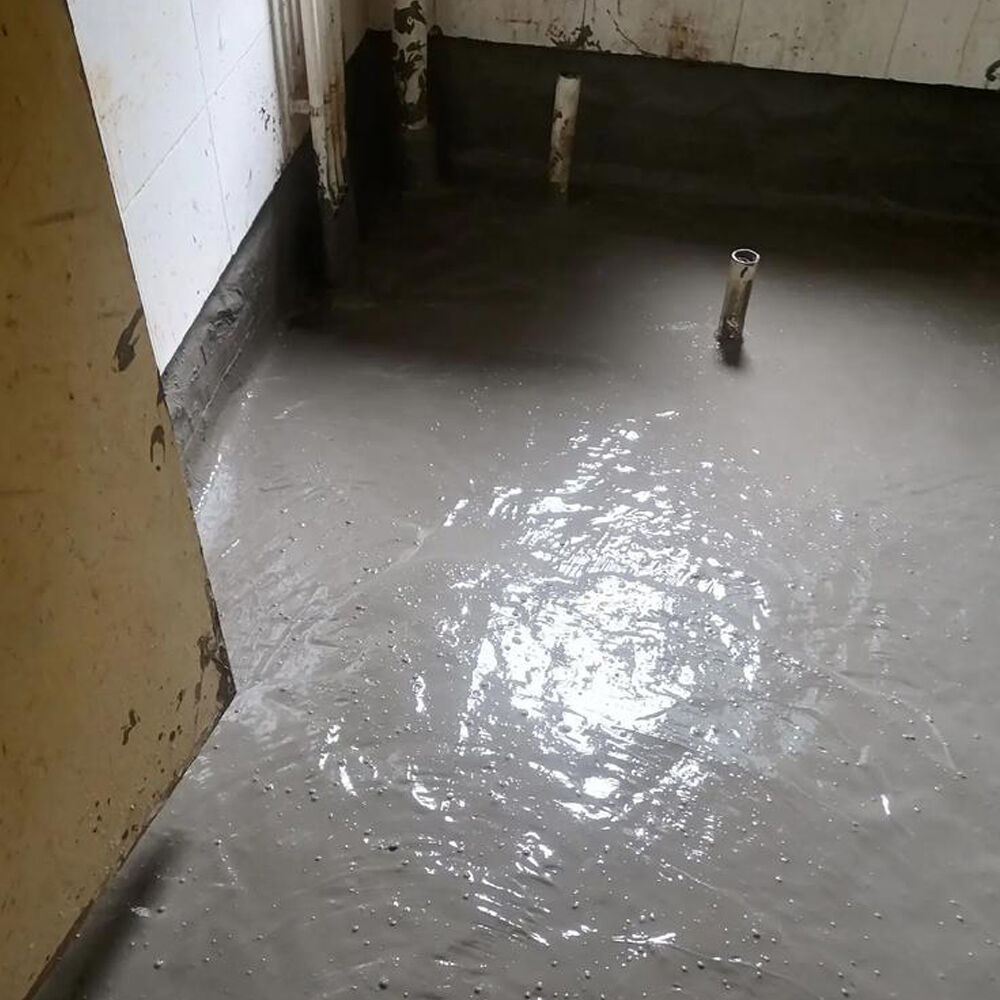
Understanding self leveling floor cost requires examining both the immediate investment and long-term value proposition of this innovative flooring solution. Self leveling floors represent a modern approach to creating perfectly flat, durable surfaces using specialized compounds that flow and settle naturally to eliminate imperfections. The primary function of self leveling floor systems involves creating smooth, even surfaces that serve as ideal foundations for various finish flooring materials or standalone polished surfaces. These systems utilize advanced polymer-modified cementitious compounds that possess unique flow characteristics, allowing them to seek their own level through gravity while maintaining structural integrity. The technological features of self leveling floor cost calculations encompass material expenses, labor requirements, and specialized equipment needs. Modern self leveling compounds incorporate cutting-edge additives that enhance workability, reduce shrinkage, and improve adhesion properties. The application process requires precise moisture control, proper substrate preparation, and skilled installation techniques to achieve optimal results. Self leveling floor cost varies significantly based on project scope, substrate conditions, and desired performance characteristics. Commercial applications include warehouses, manufacturing facilities, retail spaces, and healthcare environments where level surfaces are critical for operations. Residential applications encompass kitchen renovations, basement improvements, and whole-house flooring projects. The cost structure typically includes material expenses ranging from basic compounds to premium formulations, labor costs for skilled installers, and potential substrate preparation requirements. Additional factors influencing self leveling floor cost include project accessibility, timing constraints, and environmental conditions during installation. Understanding these comprehensive cost factors enables property owners to make informed decisions about implementing self leveling floor solutions that deliver exceptional performance and lasting value for their specific applications and budgetary requirements.

New Product Releases

Self leveling floor cost delivers exceptional value through numerous practical advantages that benefit property owners across residential and commercial applications. The installation process significantly reduces labor time compared to traditional floor preparation methods, as these compounds eliminate the need for extensive manual leveling and grinding procedures. Property owners save substantial money on labor costs because self leveling compounds create perfectly flat surfaces automatically, reducing the skilled labor hours required for project completion. The superior adhesion properties of modern self leveling systems create stronger bonds with existing substrates, preventing common problems like delamination and cracking that plague conventional floor preparation methods. These systems accommodate various substrate types including concrete, wood, and existing tile surfaces, providing versatile solutions for diverse renovation projects. The rapid curing capabilities of contemporary self leveling floor cost options enable faster project completion timelines, allowing properties to return to normal operations quickly and minimizing disruption to daily activities. Durability advantages include exceptional resistance to foot traffic, equipment loads, and environmental stresses that typically cause premature failure in other flooring systems. The seamless surfaces created by self leveling compounds eliminate joints and transitions that collect debris and harbor bacteria, making them ideal for healthcare, food service, and clean room environments. Maintenance costs remain minimal throughout the lifespan of self leveling floors because these surfaces resist staining, chemical damage, and wear patterns that require frequent repairs or replacements. Energy efficiency improvements result from the thermal mass properties of self leveling compounds, which help regulate indoor temperatures and reduce heating and cooling expenses. The moisture resistance characteristics of quality self leveling systems prevent subfloor damage and mold growth that can compromise indoor air quality and structural integrity. Self leveling floor cost investments typically recover through reduced maintenance expenses, extended service life, and improved property values. The aesthetic benefits include smooth, uniform appearances that enhance the visual appeal of any space while providing ideal substrates for decorative treatments, coatings, or finish flooring materials that require perfectly level surfaces for optimal performance and longevity.

Tips And Tricks

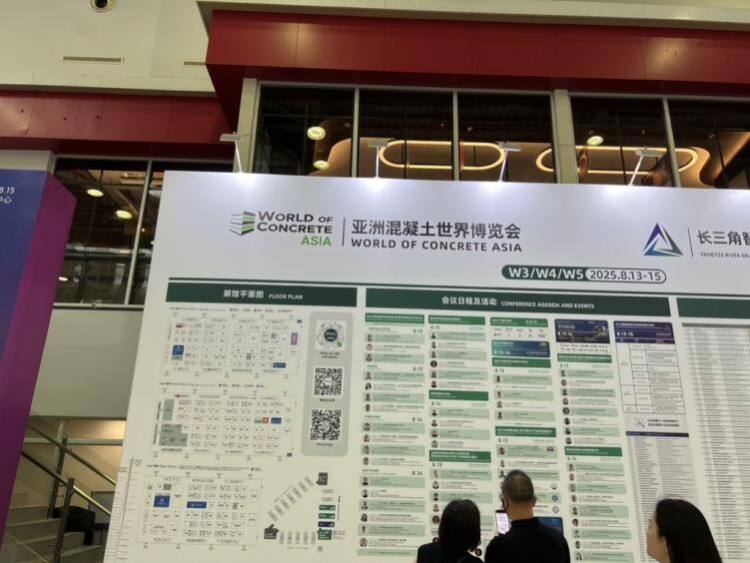
Shandong Huacheng High-Tech Participates in WORLD OF CONCRETE ASIA 2025 in Shanghai

25

Feb

Shandong Huacheng High-Tech Participates in WORLD OF CONCRETE ASIA 2025 in Shanghai

View More
Shandong Huacheng High-Tech Shines at CHINACOAT 2025 Shanghai

25

Feb

Shandong Huacheng High-Tech Shines at CHINACOAT 2025 Shanghai

View More
Huacheng High-Tech Recognized as Provincial Enterprise Technology Center by Shandong Province

27

Feb

Huacheng High-Tech Recognized as Provincial Enterprise Technology Center by Shandong Province

View More

Get a Free Quote

Our representative will contact you soon.
Email
Mobile/WhatsApp
Name
Company Name
Message
0/1000

self leveling floor cost

Exceptional Cost-Effectiveness Through Reduced Installation Time

Exceptional Cost-Effectiveness Through Reduced Installation Time

Self leveling floor cost demonstrates remarkable cost-effectiveness primarily through dramatic reductions in installation timeframes that translate directly into lower labor expenses and faster project completion. Traditional floor leveling methods require extensive manual labor involving grinding, patching, and multiple application layers that can extend project timelines for weeks or months depending on surface conditions and project scope. Self leveling compounds eliminate these time-consuming processes by flowing automatically to create perfectly level surfaces within hours rather than days or weeks. Professional installers can complete self leveling floor installations up to 75 percent faster than conventional methods, resulting in substantial savings on labor costs that often represent the largest portion of total project expenses. The rapid curing properties of modern self leveling compounds allow for accelerated construction schedules, enabling property owners to minimize business disruptions and reduce the opportunity costs associated with extended renovation periods. Commercial properties particularly benefit from these time savings because reduced downtime means continued revenue generation and normal operations. The efficiency gains extend beyond initial installation to include reduced preparation requirements, as self leveling systems often eliminate the need for extensive substrate repairs and multiple primer applications. This streamlined process reduces material waste and minimizes the environmental impact of flooring projects while delivering superior results. Property managers appreciate the predictable installation schedules that self leveling floor cost investments provide, allowing for better project planning and resource allocation. The consistency of results achieved through self leveling systems reduces the likelihood of callbacks and warranty issues that can add unexpected expenses to traditional flooring projects. Additionally, the professional appearance and performance of self leveling floors often eliminate the need for additional surface treatments or corrections, further enhancing the overall value proposition and demonstrating why self leveling floor cost represents a smart investment for discerning property owners seeking efficient, reliable flooring solutions.
Superior Long-Term Performance Minimizes Lifecycle Costs

Superior Long-Term Performance Minimizes Lifecycle Costs

Self leveling floor cost provides exceptional value through superior long-term performance characteristics that significantly minimize lifecycle costs compared to alternative flooring solutions. The advanced formulations used in quality self leveling compounds create extremely durable surfaces that resist common failure modes including cracking, delamination, and surface deterioration that plague traditional floor systems. These compounds incorporate sophisticated polymer networks and reinforcing fibers that enhance tensile strength, flexibility, and impact resistance, ensuring surfaces maintain their integrity under demanding conditions for decades. The monolithic nature of self leveling floors eliminates the joints and seams that typically serve as failure points in other systems, reducing maintenance requirements and preventing water infiltration that can cause substrate damage. Property owners benefit from reduced repair and replacement costs because self leveling surfaces resist chemical attacks, abrasion, and thermal cycling that cause premature failure in conventional flooring systems. The superior adhesion properties achieved through proper surface preparation and high-quality primers create permanent bonds that prevent the costly delamination issues common in other floor systems. Self leveling floor cost investments demonstrate their value through extended service lives that often exceed 20 years with minimal maintenance requirements, compared to alternative systems that may require major repairs or replacement every 5-10 years. The chemical resistance of modern self leveling compounds protects against staining and etching from common substances, maintaining attractive appearances without requiring expensive refinishing procedures. These systems accommodate building movement and temperature fluctuations without developing stress cracks or surface defects, ensuring continued performance in challenging environments. The seamless surfaces resist harboring bacteria and contaminants, making them ideal for environments with stringent hygiene requirements while reducing cleaning and sanitization costs. Energy efficiency benefits result from the thermal mass properties of self leveling compounds, which help stabilize indoor temperatures and reduce heating and cooling expenses over the building's lifespan, further enhancing the return on investment for self leveling floor cost expenditures.
Versatile Applications Maximize Investment Returns

Versatile Applications Maximize Investment Returns

Self leveling floor cost investments deliver maximum returns through exceptional versatility that accommodates diverse applications across residential, commercial, and industrial environments. These adaptable systems serve as ideal solutions for warehouse facilities requiring perfectly level surfaces for material handling equipment, retail spaces demanding attractive and durable customer areas, healthcare facilities needing seamless surfaces for infection control, and residential properties seeking smooth foundations for luxury finishes. The ability to customize self leveling compounds for specific performance requirements ensures optimal results regardless of application demands, from light residential foot traffic to heavy industrial equipment loads. Food processing facilities benefit from the seamless, easily sanitized surfaces that self leveling systems provide, while educational institutions appreciate the durability and low maintenance characteristics that reduce operational costs. The compatibility of self leveling compounds with various substrate types including concrete, wood subfloors, and existing tile surfaces eliminates the need for costly substrate replacement, maximizing the value of existing infrastructure investments. Property owners can implement self leveling solutions in renovation projects without major structural modifications, reducing overall project costs and minimizing disruption to ongoing operations. The systems accommodate radiant heating installations, moisture mitigation requirements, and specialized performance additives that enhance functionality for specific applications. Self leveling floor cost calculations benefit from this versatility because single product systems can address multiple performance requirements that might otherwise require separate solutions. Manufacturing facilities utilize self leveling floors for their chemical resistance and ability to withstand heavy equipment loads, while office environments appreciate the smooth surfaces that enhance furniture mobility and create professional appearances. The aesthetic flexibility of self leveling systems includes options for integral colors, decorative aggregates, and compatibility with various topcoat systems that allow property owners to achieve desired appearances without compromising performance. This versatility ensures that self leveling floor cost investments continue providing value as property uses evolve, making them smart long-term investments for forward-thinking property owners who recognize the importance of adaptable, high-performance flooring solutions that maximize returns across diverse applications and changing requirements.

Get a Free Quote

Our representative will contact you soon.
Email
Mobile/WhatsApp
Name
Company Name
Message
0/1000