Radiative Cooling Coating Material - Revolutionary Passive Cooling Technology for Energy Savings

All Categories

Get a Free Quote

Our representative will contact you soon.
Email
Mobile/WhatsApp
Name
Company Name
Message
0/1000

radiative cooling coating material

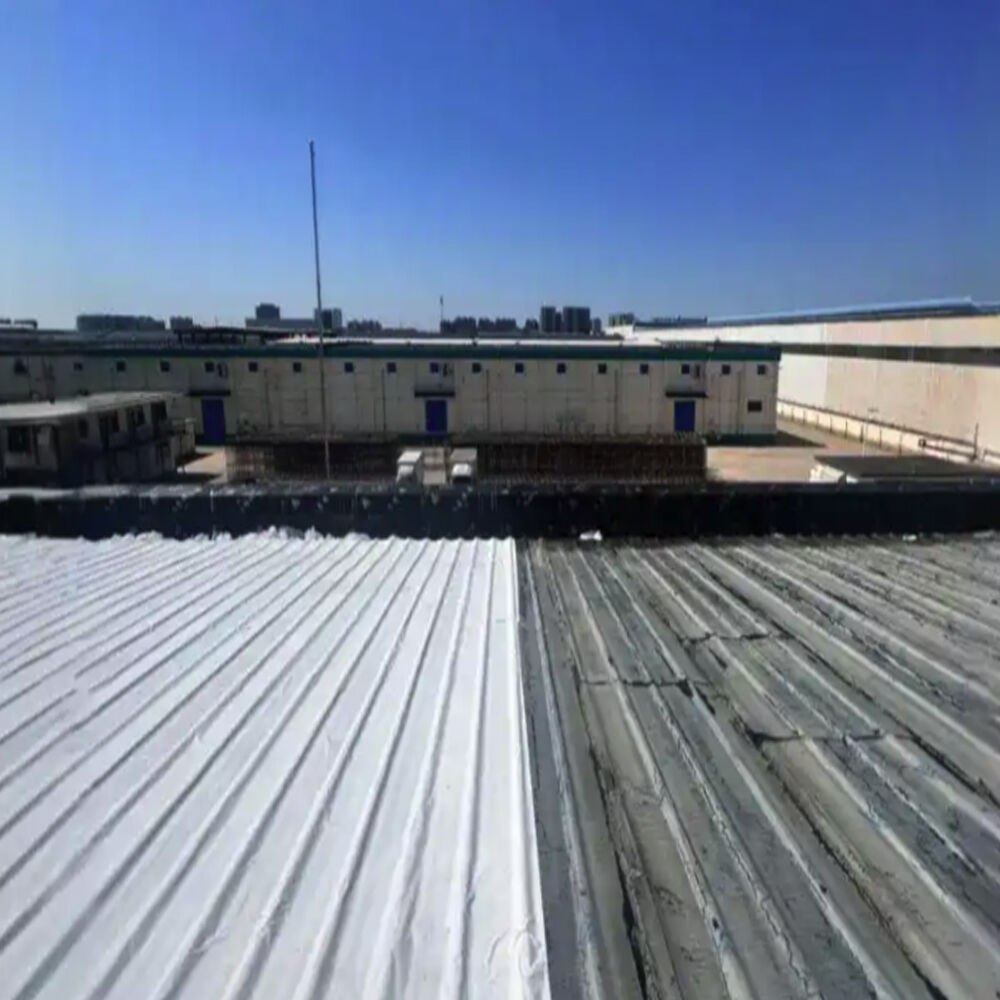
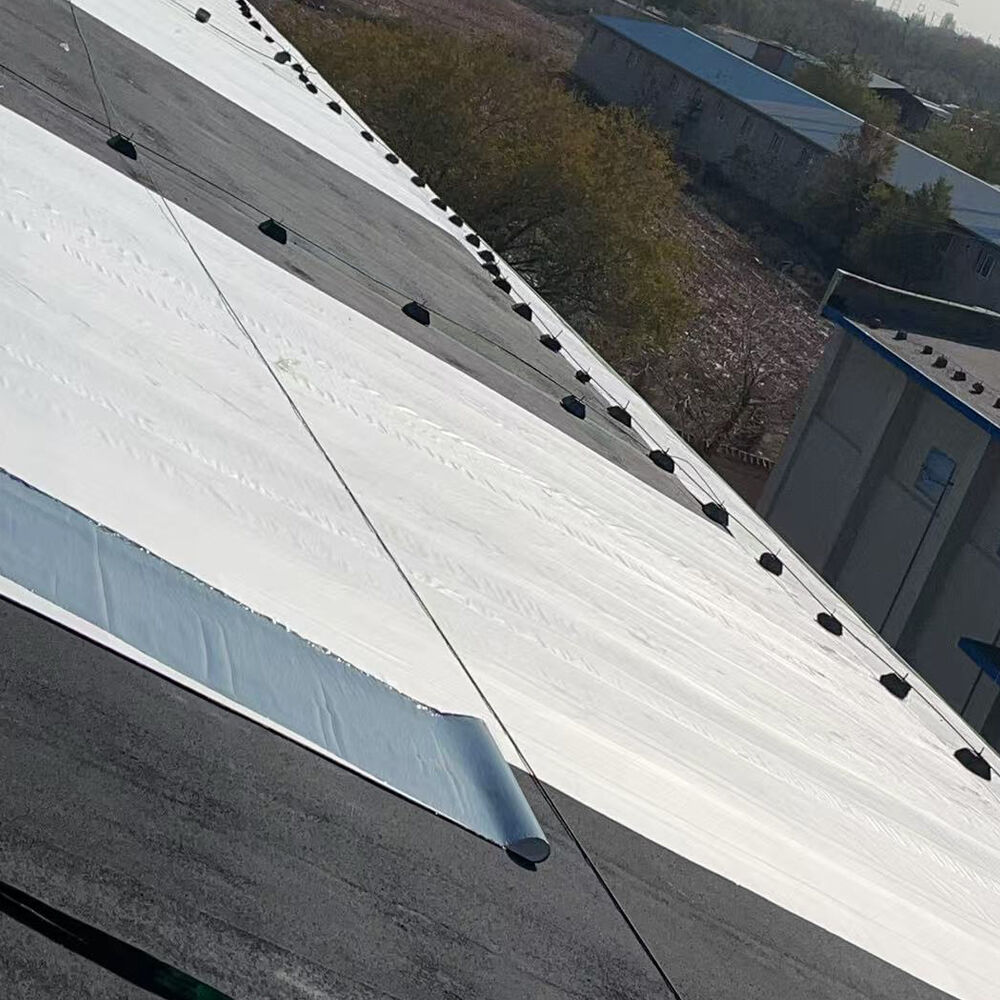
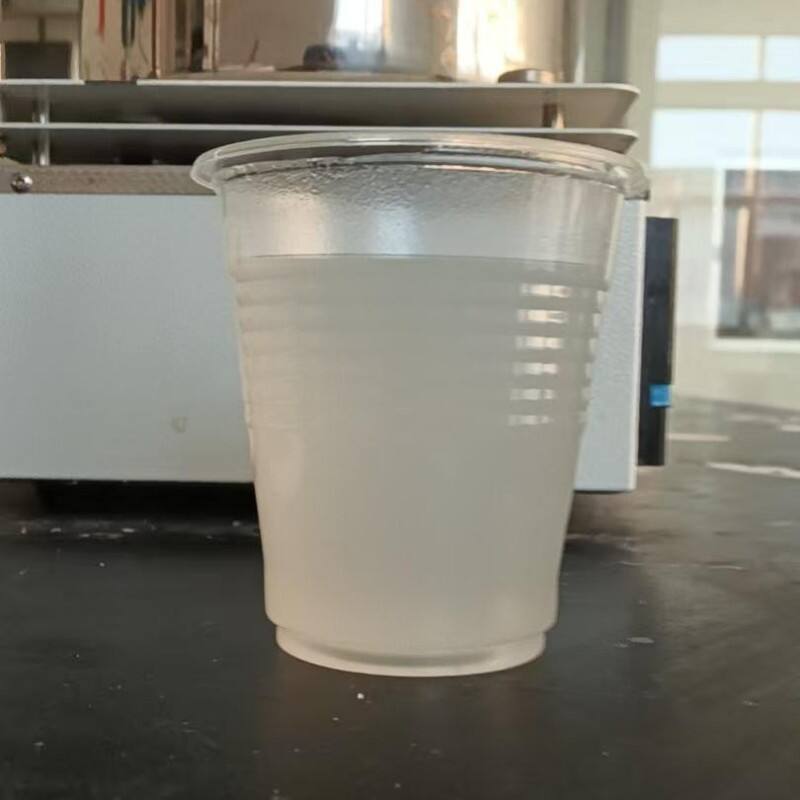
Radiative cooling coating material represents a groundbreaking advancement in passive cooling technology, offering an innovative solution for temperature management across diverse applications. This sophisticated material harnesses the natural phenomenon of thermal radiation to achieve cooling effects without consuming electricity or requiring mechanical systems. The radiative cooling coating material operates by selectively emitting infrared radiation while reflecting solar energy, creating a net cooling effect that can reduce surface temperatures significantly below ambient air temperature. The fundamental principle behind radiative cooling coating material involves manipulating electromagnetic spectrum interactions. These coatings are engineered with precise optical properties that enable maximum thermal emission in the atmospheric window, specifically the 8-13 micrometer wavelength range where Earth's atmosphere exhibits minimal absorption. Simultaneously, the radiative cooling coating material demonstrates exceptional solar reflectance across visible and near-infrared spectrums, preventing unwanted heat absorption during daylight hours. Modern radiative cooling coating material incorporates advanced nanomaterials and photonic structures to optimize performance characteristics. These materials feature carefully designed particle sizes, shapes, and distributions that enhance scattering and emission properties. The coating typically consists of polymer matrices embedded with specialized particles such as silicon dioxide, titanium dioxide, or engineered metamaterials. Application versatility makes radiative cooling coating material suitable for building exteriors, automotive surfaces, textile integration, and electronic device cooling. In architectural applications, this coating can substantially reduce cooling loads, leading to energy savings and improved indoor comfort. The automotive industry leverages radiative cooling coating material to maintain lower vehicle interior temperatures, reducing air conditioning demands and enhancing fuel efficiency. Manufacturing processes for radiative cooling coating material have evolved to ensure scalability and cost-effectiveness while maintaining superior performance standards across various environmental conditions and substrate types.

Popular Products

Radiative cooling coating material delivers substantial energy savings by reducing cooling demands in buildings and vehicles without requiring additional power consumption. This passive cooling technology operates continuously, providing round-the-clock temperature reduction that translates directly into lower electricity bills and reduced carbon footprints. Property owners experience immediate cost benefits as radiative cooling coating material decreases HVAC system workloads, extending equipment lifespan while maintaining comfortable indoor environments. The environmental advantages of radiative cooling coating material extend beyond energy conservation to include sustainable material compositions and manufacturing processes. Unlike traditional cooling methods that rely on refrigerants with high global warming potential, this coating achieves cooling effects through natural radiation processes, eliminating harmful emissions and reducing environmental impact. The durability characteristics of radiative cooling coating material ensure long-term performance without degradation, providing consistent cooling benefits for years without requiring frequent reapplication or maintenance interventions. Installation simplicity represents another significant advantage, as radiative cooling coating material can be applied using conventional coating techniques to existing surfaces without structural modifications or specialized equipment requirements. This accessibility makes the technology viable for both new construction projects and retrofit applications, democratizing access to advanced cooling solutions across diverse market segments. Temperature reduction capabilities of radiative cooling coating material often exceed conventional reflective coatings, achieving sub-ambient cooling even during peak solar radiation conditions. This superior performance stems from optimized spectral properties that maximize heat rejection while minimizing heat absorption, creating cooling effects that traditional materials cannot match. The versatility of radiative cooling coating material enables customization for specific applications, with formulations tailored to different climatic conditions, substrate materials, and performance requirements. Weather resistance properties ensure consistent performance across varying environmental conditions, from high humidity to extreme temperatures, making this coating suitable for global deployment. Cost-effectiveness emerges from reduced maintenance requirements, extended substrate protection, and energy savings that provide return on investment within reasonable timeframes. The scalability of radiative cooling coating material manufacturing processes supports widespread adoption while maintaining quality standards and competitive pricing structures that benefit end users across residential, commercial, and industrial markets.

Tips And Tricks

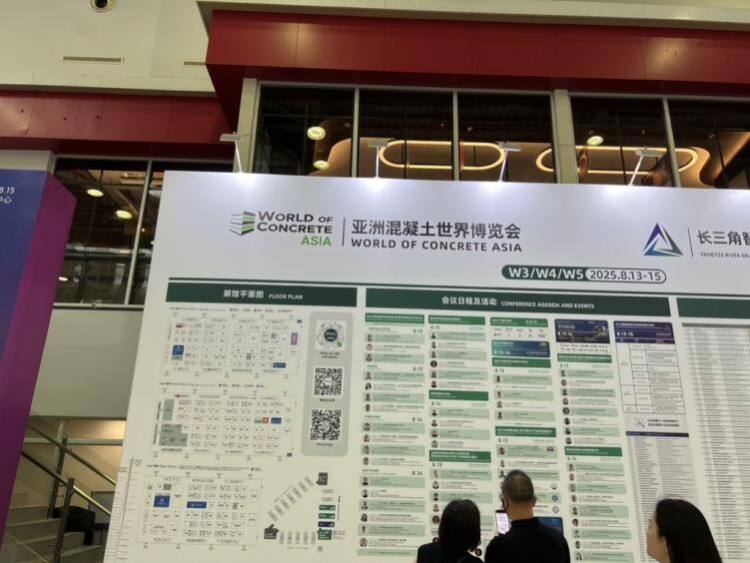
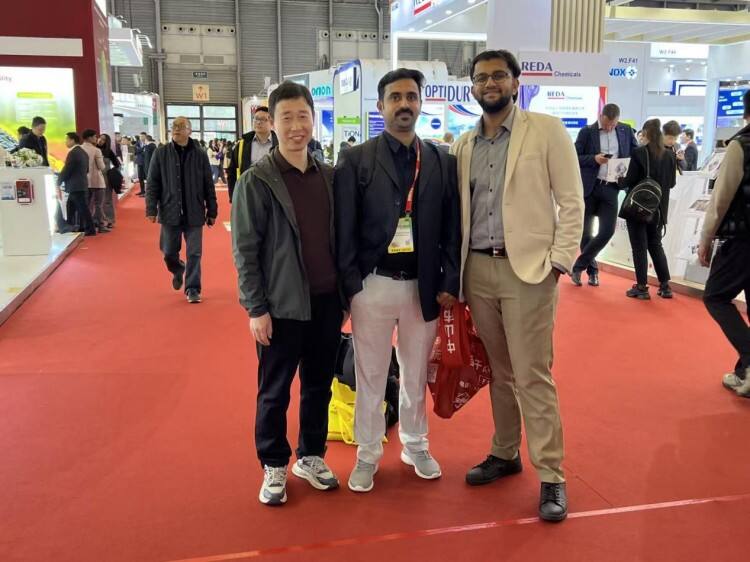
Shandong Huacheng High-Tech Participates in WORLD OF CONCRETE ASIA 2025 in Shanghai

25

Feb

Shandong Huacheng High-Tech Participates in WORLD OF CONCRETE ASIA 2025 in Shanghai

View More
Shandong Huacheng High-Tech Shines at CHINACOAT 2025 Shanghai

25

Feb

Shandong Huacheng High-Tech Shines at CHINACOAT 2025 Shanghai

View More
Huacheng High-Tech Recognized as Provincial Enterprise Technology Center by Shandong Province

27

Feb

Huacheng High-Tech Recognized as Provincial Enterprise Technology Center by Shandong Province

View More

Get a Free Quote

Our representative will contact you soon.
Email
Mobile/WhatsApp
Name
Company Name
Message
0/1000

radiative cooling coating material

Revolutionary Passive Cooling Technology

Revolutionary Passive Cooling Technology

Radiative cooling coating material represents a paradigm shift in thermal management, utilizing cutting-edge scientific principles to achieve cooling without energy consumption. This innovative technology harnesses the Earth's natural heat dissipation mechanism, where surfaces emit thermal radiation directly to the cold depths of outer space through the atmospheric transparency window. The radiative cooling coating material incorporates precisely engineered optical properties that maximize thermal emission in the 8-13 micrometer infrared range while simultaneously reflecting incoming solar radiation across visible and near-infrared wavelengths. This dual-functionality approach enables surfaces to remain cooler than surrounding air temperatures, even under direct sunlight conditions. The scientific foundation of radiative cooling coating material relies on advanced photonic engineering and nanomaterial science, creating microscopic structures that manipulate light interactions at molecular levels. These structures consist of carefully designed particle geometries and size distributions that optimize scattering coefficients and emissivity parameters for maximum cooling effectiveness. The coating formulation integrates high-performance polymers with specialized inorganic particles, creating durable matrices that maintain optical properties over extended periods while resisting environmental degradation. Performance testing demonstrates that radiative cooling coating material can achieve temperature reductions of 5-15 degrees Celsius below ambient conditions, depending on environmental factors and application specifics. This cooling capacity operates continuously without seasonal variations or time-of-day limitations, providing consistent thermal management benefits that traditional cooling methods cannot match. The technology represents a significant advancement over conventional reflective coatings, which only prevent heat gain rather than actively promoting heat loss. Implementation of radiative cooling coating material requires no infrastructure changes or ongoing operational inputs, making it an ideal solution for remote locations, developing regions, or applications where energy consumption reduction is critical. The passive nature of this cooling technology aligns perfectly with sustainability goals and carbon reduction initiatives, offering measurable environmental benefits alongside practical temperature management capabilities.
Versatile Applications Across Industries

Versatile Applications Across Industries

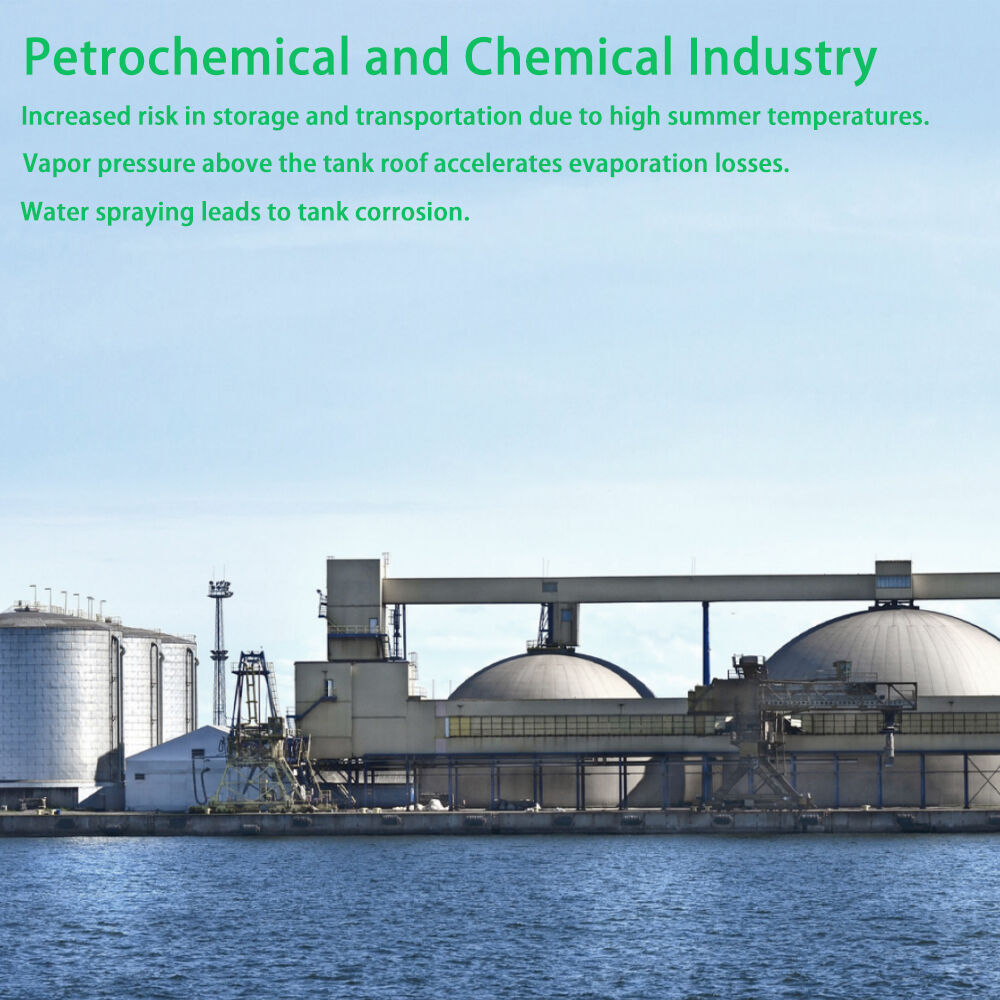
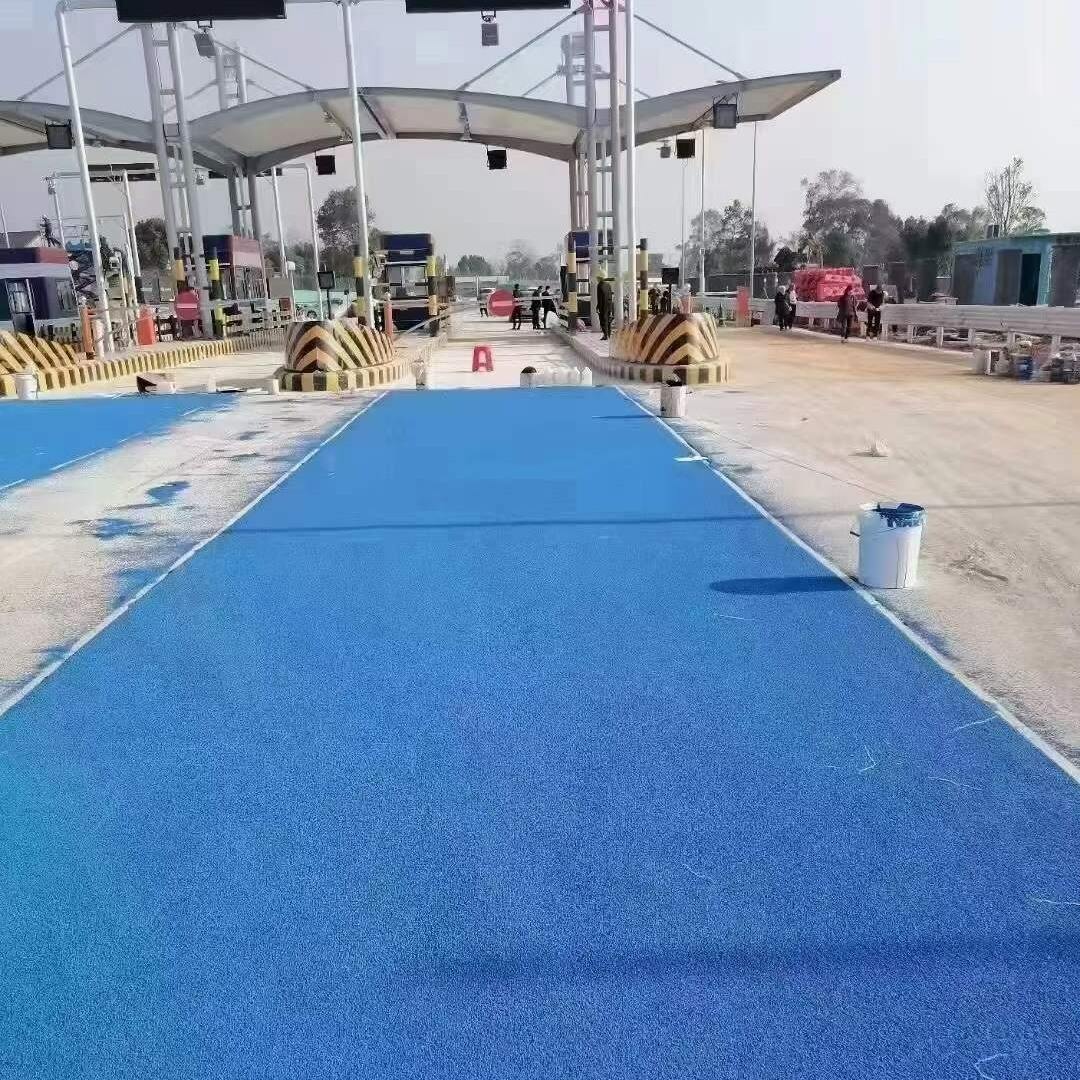
The adaptability of radiative cooling coating material extends across numerous industries and applications, demonstrating remarkable versatility that addresses diverse cooling challenges in modern society. Building and construction sectors benefit significantly from radiative cooling coating material applications on rooftops, exterior walls, and architectural elements, where the coating reduces cooling loads and improves energy efficiency ratings. Commercial buildings utilize this technology to achieve LEED certification requirements while residential applications provide homeowners with reduced utility costs and enhanced comfort levels. The automotive industry has embraced radiative cooling coating material for vehicle exterior applications, where the coating maintains lower interior temperatures and reduces air conditioning demands, improving fuel efficiency and passenger comfort simultaneously. Transportation applications extend to railway cars, shipping containers, and recreational vehicles, where passive cooling capabilities provide valuable benefits without adding weight or complexity to existing designs. Textile and apparel industries integrate radiative cooling coating material into fabric treatments, creating clothing and outdoor gear that keeps wearers cooler in hot climates without requiring powered cooling systems. Military and defense applications leverage this technology for equipment cooling, personnel comfort, and tactical advantages in challenging environmental conditions. Electronics and telecommunications sectors apply radiative cooling coating material to equipment housings and infrastructure components, preventing overheating issues while reducing cooling system requirements and operational costs. Agricultural applications include greenhouse coverings, livestock shelter treatments, and food storage facilities where temperature control is essential for productivity and product quality maintenance. Solar panel installations benefit from radiative cooling coating material applications that maintain optimal operating temperatures, improving photovoltaic efficiency and extending equipment lifespan. Data center facilities utilize this technology for supplemental cooling of server racks and building exteriors, contributing to overall thermal management strategies and energy consumption reduction. Marine applications encompass ship coatings, offshore platform treatments, and coastal infrastructure protection, where the technology provides cooling benefits while resisting harsh maritime environmental conditions. The manufacturing scalability of radiative cooling coating material enables customization for specific industry requirements, with formulations optimized for different performance parameters, environmental conditions, and substrate compatibility needs.
Sustainable Solution with Long-Term Value

Sustainable Solution with Long-Term Value

Radiative cooling coating material delivers exceptional long-term value through sustainable performance characteristics that benefit both users and the environment over extended operational periods. The environmental sustainability of this technology stems from its passive operation mechanism, which requires no energy input while providing continuous cooling benefits that reduce overall energy consumption and carbon emissions. Unlike conventional cooling systems that rely on refrigerants with high global warming potential, radiative cooling coating material achieves cooling effects through natural physical processes, eliminating harmful emissions and supporting climate change mitigation efforts. The durability engineering of radiative cooling coating material ensures consistent performance over decades of service, with formulations designed to resist ultraviolet degradation, thermal cycling stress, and environmental contamination that typically affect coating performance. Advanced polymer chemistry and stabilization technologies protect the optical properties that enable cooling functionality, maintaining effectiveness throughout the coating's operational lifespan. Economic sustainability emerges from the combination of reduced operational costs, minimal maintenance requirements, and extended substrate protection that radiative cooling coating material provides to property owners and facility managers. Energy savings accumulate continuously, creating substantial cost reductions over time that typically exceed initial investment costs within reasonable payback periods. The technology contributes to building value enhancement through improved energy efficiency ratings, reduced HVAC system wear, and extended roof membrane lifespans that translate into tangible asset appreciation. Manufacturing sustainability considerations include the use of abundant raw materials, water-based formulations that minimize volatile organic compound emissions, and production processes that generate minimal waste streams. Life cycle assessments demonstrate favorable environmental profiles compared to traditional cooling alternatives, with lower resource consumption and reduced environmental impact throughout the product lifecycle. The scalability of radiative cooling coating material production supports widespread adoption while maintaining sustainable manufacturing practices and competitive pricing structures. Research and development investments continue to improve formulation efficiency, expand application possibilities, and reduce production costs, ensuring that this sustainable cooling technology becomes increasingly accessible to diverse market segments. The technology's alignment with global sustainability initiatives, renewable energy goals, and climate action plans positions radiative cooling coating material as a strategic solution for organizations committed to environmental responsibility and long-term operational efficiency.

Get a Free Quote

Our representative will contact you soon.
Email
Mobile/WhatsApp
Name
Company Name
Message
0/1000