anti skid road paint
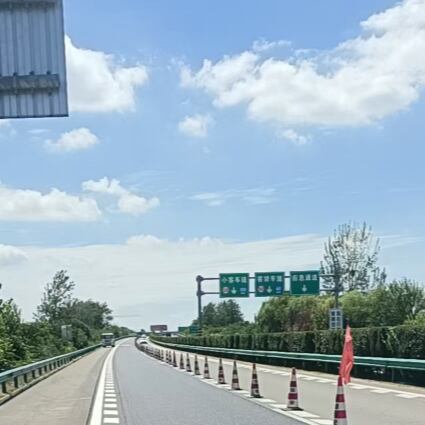
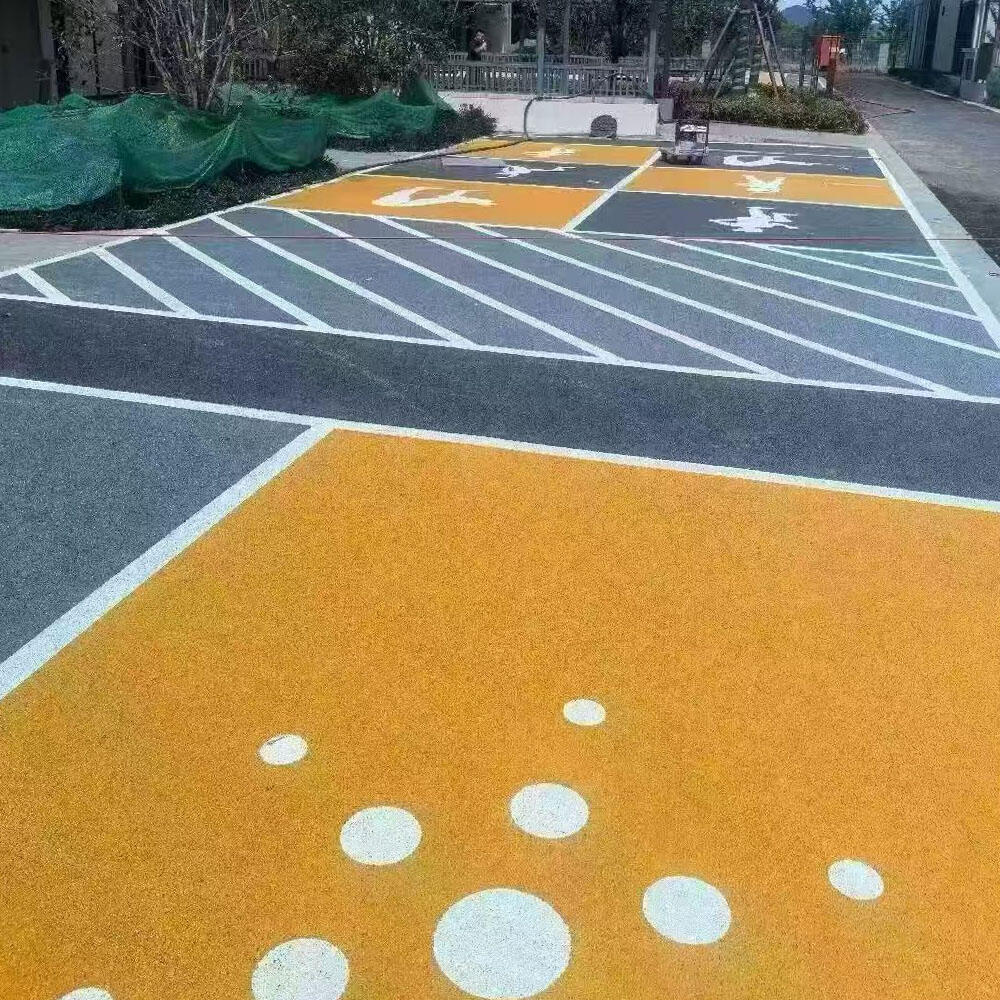
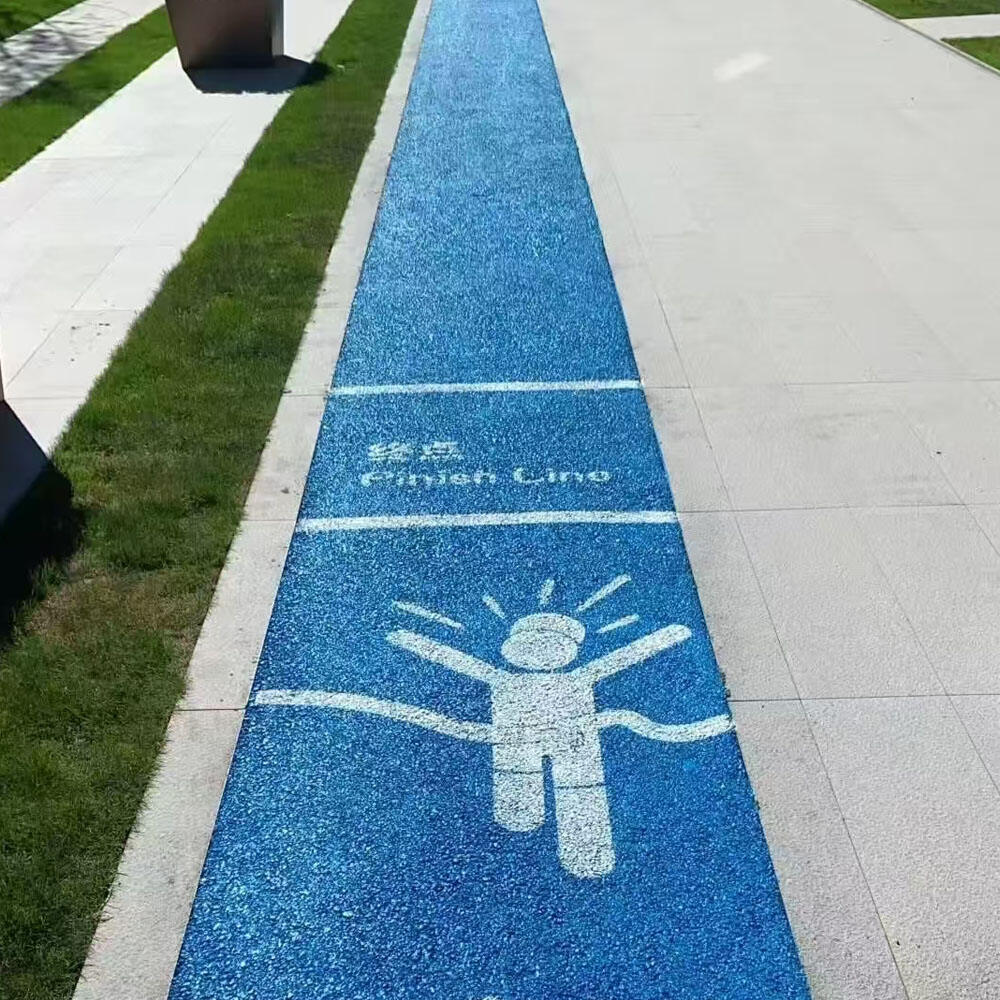
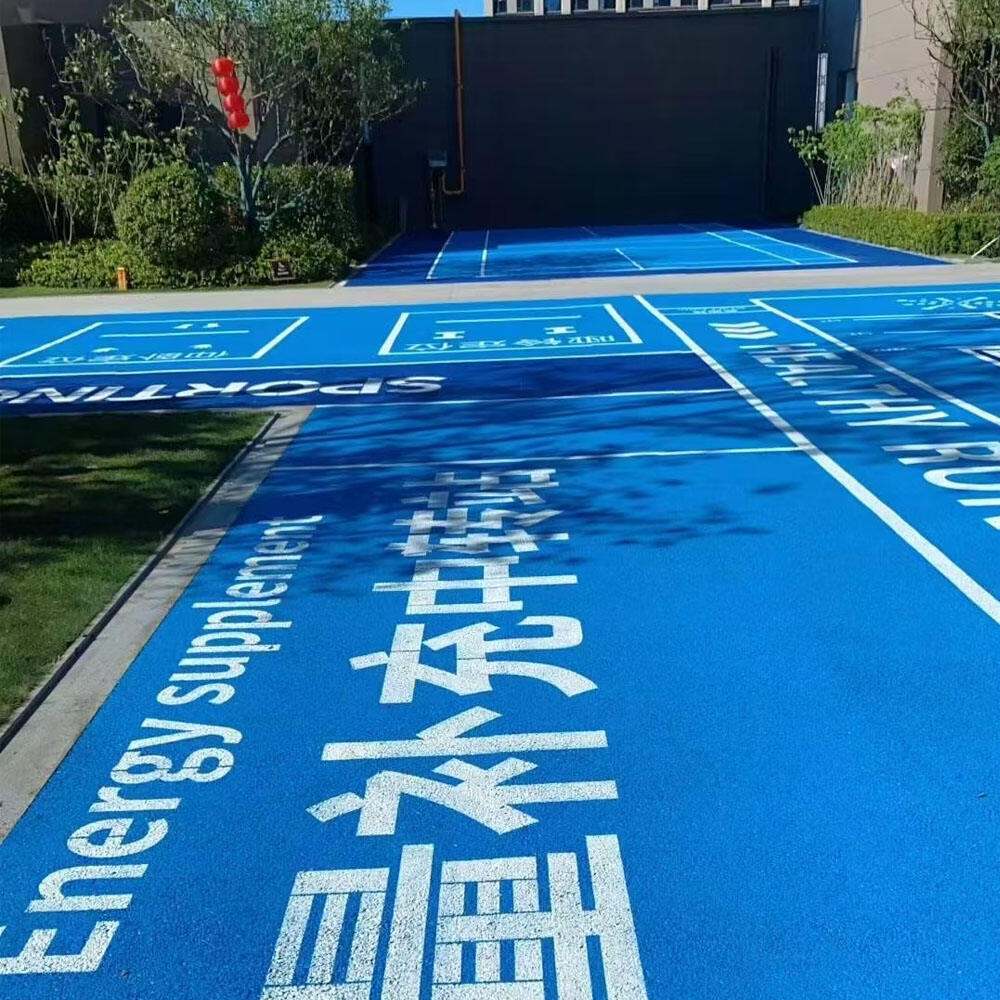
Anti skid road paint represents a revolutionary advancement in transportation infrastructure safety, designed to enhance vehicle traction and reduce accident rates on roads, highways, and various transportation surfaces. This specialized coating system combines high-performance polymers with carefully engineered aggregate materials to create a textured surface that dramatically improves grip between tires and pavement. The primary function of anti skid road paint involves creating a micro-rough surface texture that channels water away from the contact area while providing enhanced friction coefficients under both dry and wet conditions. Modern anti skid road paint formulations incorporate advanced acrylic resins, epoxy compounds, and thermoplastic materials that bond permanently to asphalt and concrete substrates. The technological features include rapid curing capabilities, weather resistance, and long-term durability that withstands heavy traffic loads and environmental stresses. These coatings typically contain reflective glass beads or ceramic particles that not only improve skid resistance but also enhance nighttime visibility through retroreflection. Applications for anti skid road paint span across multiple transportation sectors including highway entrance and exit ramps, pedestrian crossings, bike lanes, airport runways, parking structures, and industrial facilities. The paint system works by creating thousands of tiny contact points that grip tire treads more effectively than smooth pavement surfaces. Professional installation involves surface preparation, primer application when necessary, and precise coating application using specialized equipment. Quality anti skid road paint maintains its effectiveness for several years under normal traffic conditions while requiring minimal maintenance. The coating also provides color coding opportunities for traffic management, allowing different zones to be clearly identified through various color applications that maintain their skid-resistant properties throughout their service life.


 EN
EN