thermoplastic paint price
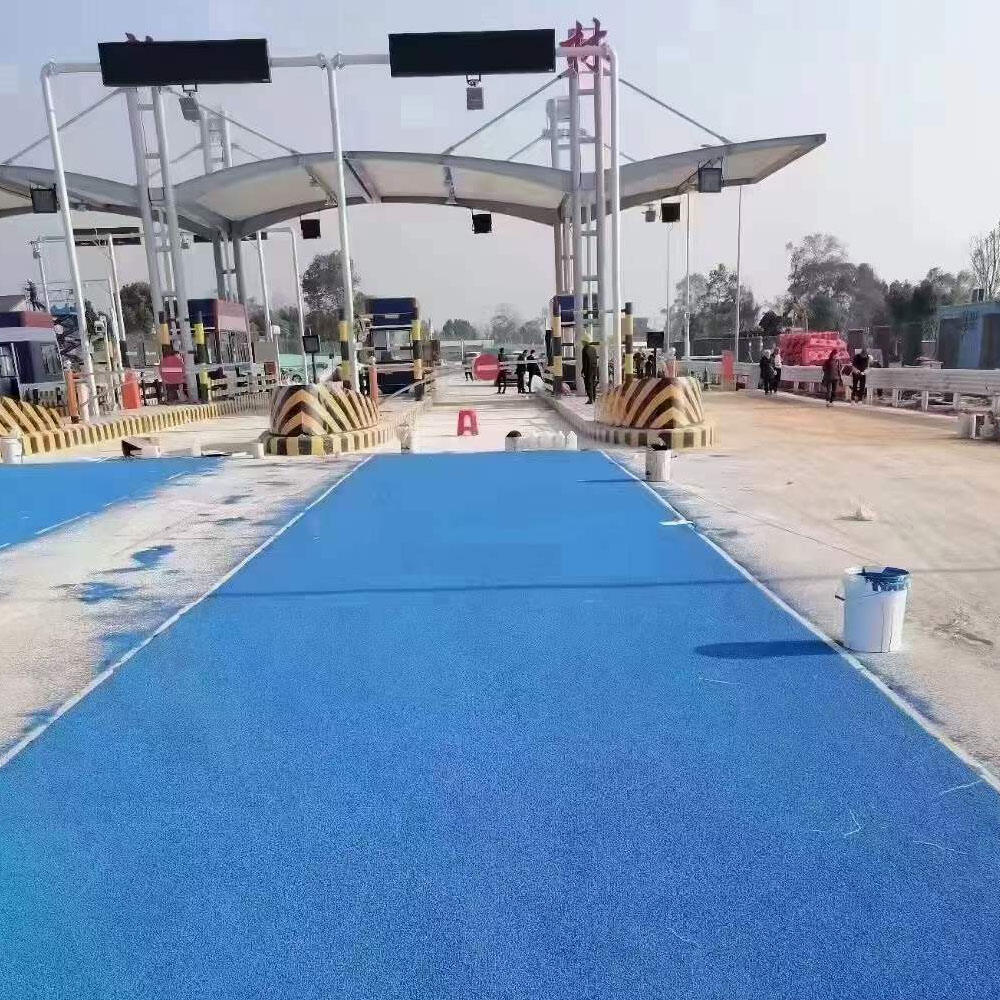
Thermoplastic paint price represents a critical consideration for contractors, municipalities, and facility managers seeking durable road marking solutions. This specialized coating technology offers exceptional value through its unique polymer-based formulation that melts when heated and solidifies upon cooling. Understanding thermoplastic paint price structures helps buyers make informed decisions while evaluating long-term project costs and performance expectations. The primary functions of thermoplastic paint encompass road marking, parking lot striping, playground demarcation, and warehouse floor identification systems. These applications benefit from the material's superior adhesion properties and weather resistance capabilities. Technological features distinguish thermoplastic paint from conventional marking materials through its hot-applied nature, requiring specialized heating equipment for proper installation. The paint contains glass beads that enhance retroreflectivity, improving visibility during nighttime conditions. Temperature stability allows the coating to withstand extreme weather fluctuations without cracking or peeling. Chemical composition includes thermoplastic resins, pigments, fillers, and reflective elements that contribute to longevity and performance. Processing temperatures typically range from 200 to 220 degrees Celsius during application phases. Applications span diverse sectors including highway departments, airport authorities, commercial property owners, and industrial facility operators. Municipal governments frequently specify thermoplastic paint for crosswalks, lane dividers, and traffic control markings due to its extended service life. Private sector clients utilize this technology for parking garage systems, distribution center navigation, and safety compliance initiatives. The thermoplastic paint price varies based on color specifications, quantity requirements, and regional market conditions. Bulk purchasing often reduces per-gallon costs while specialized colors command premium pricing. Installation complexity influences overall project expenses beyond material costs alone.

 EN
EN