High-Performance Thermal Paint for Roads - Advanced Temperature-Responsive Road Marking Solutions

All Categories

Get a Free Quote

Our representative will contact you soon.
Email
Mobile/WhatsApp
Name
Company Name
Message
0/1000

thermal paint for roads

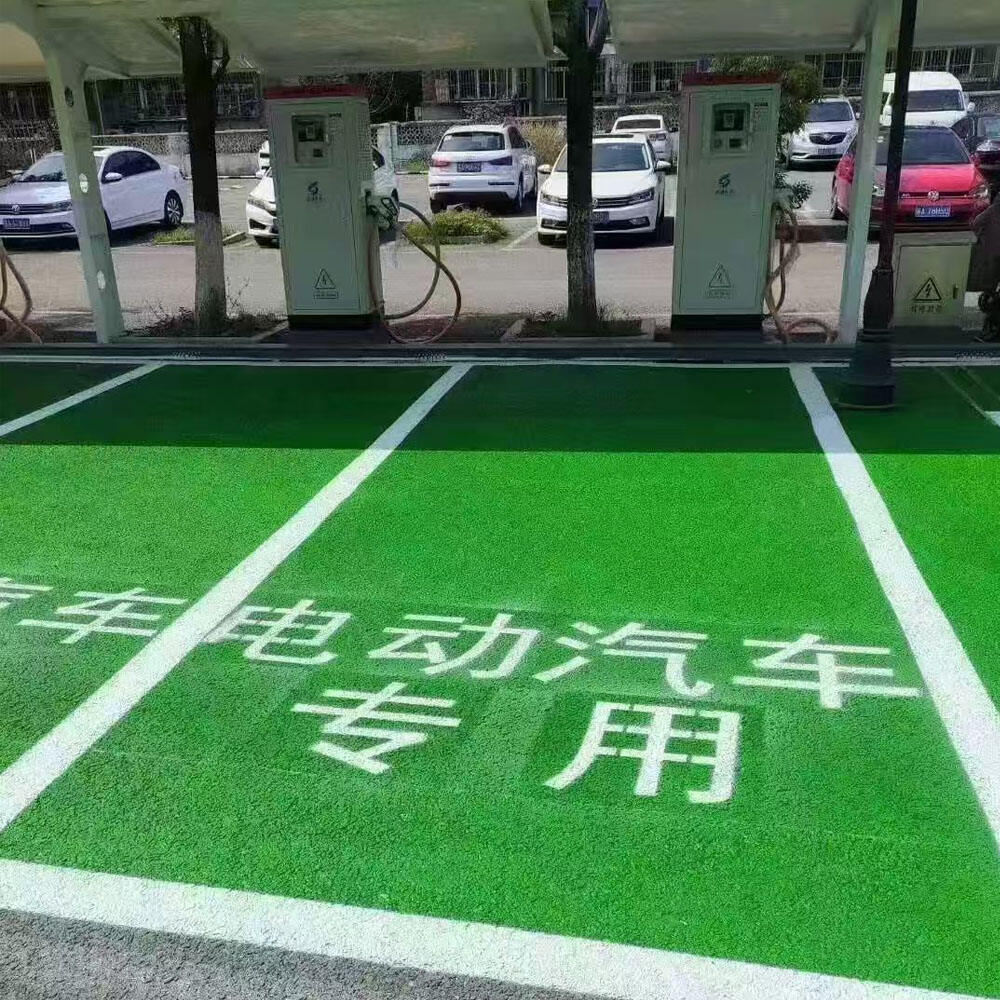
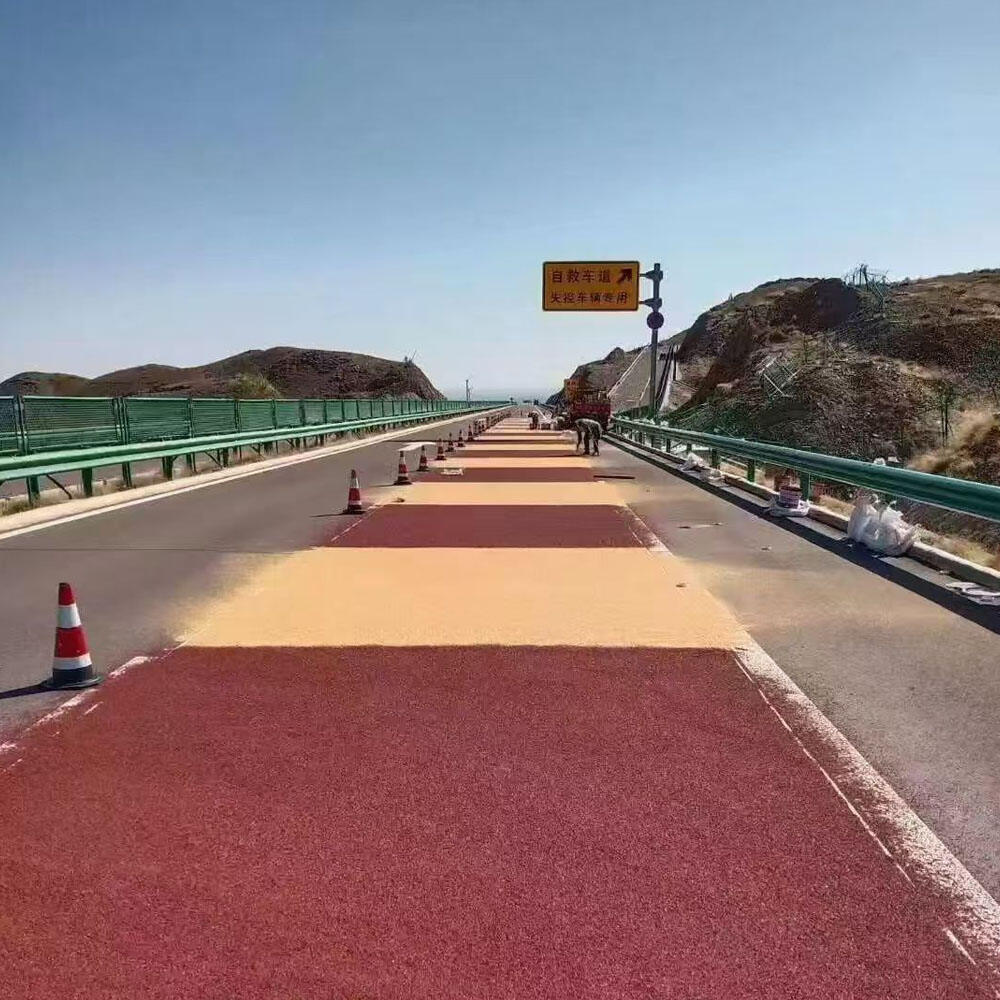
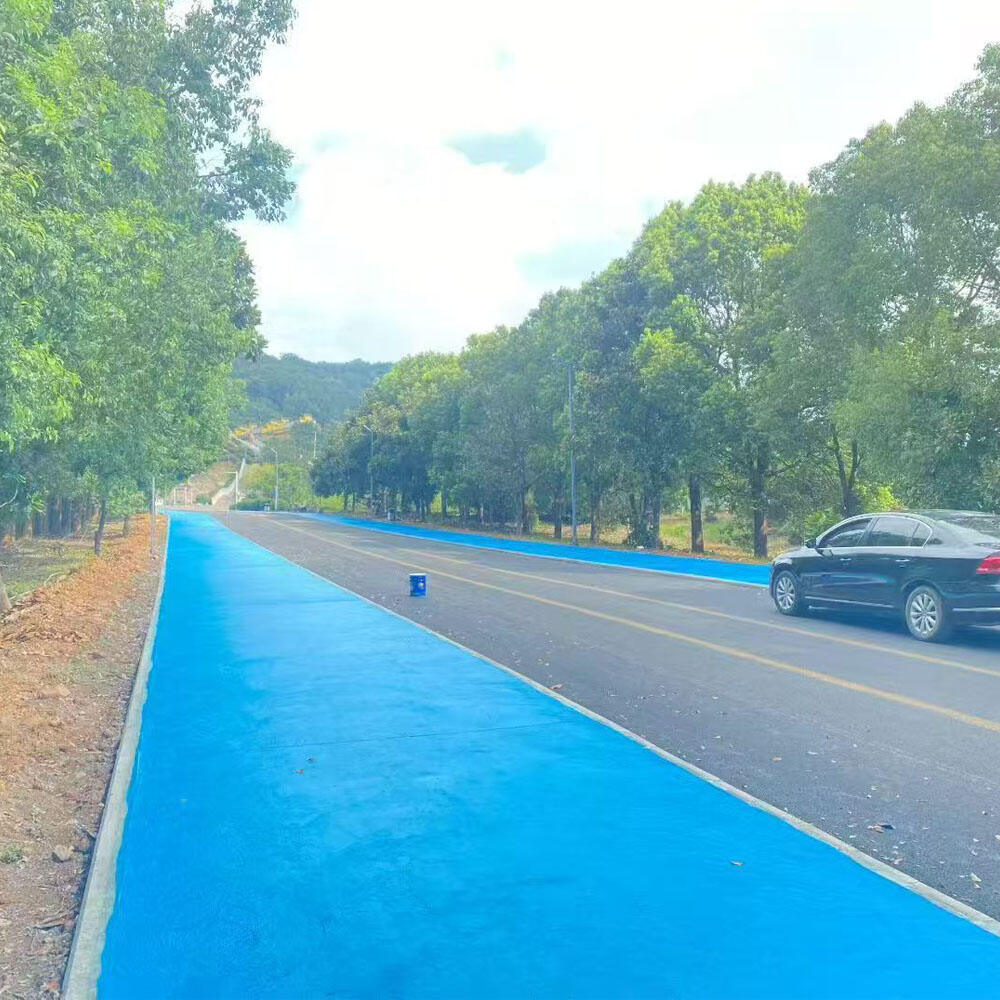
Thermal paint for roads represents a revolutionary advancement in modern transportation infrastructure, offering an innovative solution to enhance road safety, visibility, and performance under various weather conditions. This specialized coating technology combines traditional road marking capabilities with cutting-edge thermal properties that respond dynamically to temperature changes and environmental factors. The primary function of thermal paint for roads centers on creating highly visible, durable markings that maintain their effectiveness throughout different seasons and weather patterns. Unlike conventional road paints, this advanced formulation incorporates thermally reactive compounds that can reflect heat during summer months while providing enhanced visibility during cooler periods. The technological features of thermal paint for roads include superior adhesion properties, weather resistance, and retroreflective capabilities that significantly improve driver recognition and response times. These coatings utilize specialized polymers and pigments designed to withstand heavy traffic loads, extreme temperatures, and harsh environmental conditions without compromising their visual clarity or structural integrity. The applications of thermal paint for roads extend across various transportation settings, including highways, urban streets, parking facilities, airport runways, and pedestrian crossings. Municipal authorities, transportation departments, and private contractors increasingly choose thermal paint for roads due to its proven performance in reducing maintenance costs and improving overall road safety standards. The formulation process involves careful selection of raw materials that ensure optimal temperature sensitivity while maintaining long-term durability. This paint system demonstrates exceptional performance in both hot climates where heat reflection becomes crucial for driver comfort and cold regions where enhanced visibility during winter conditions saves lives. The implementation of thermal paint for roads has shown measurable improvements in accident reduction rates and driver satisfaction across multiple geographic regions and traffic environments.

New Products

The advantages of thermal paint for roads extend far beyond basic road marking functions, delivering substantial benefits that directly impact safety, cost-effectiveness, and operational efficiency for road authorities and end users. One of the most significant advantages lies in its exceptional durability, which translates to reduced maintenance frequency and lower long-term costs. Traditional road markings typically require repainting every 12-18 months, while thermal paint for roads maintains its effectiveness for 3-5 years under normal traffic conditions. This extended lifespan results in fewer lane closures, reduced labor costs, and minimized traffic disruptions that often accompany maintenance activities. The enhanced visibility properties of thermal paint for roads provide immediate safety benefits, particularly during nighttime driving and adverse weather conditions. The retroreflective technology embedded within the paint formulation increases visibility by up to 300% compared to standard road paints, giving drivers additional reaction time and reducing accident rates significantly. Weather resistance represents another crucial advantage, as thermal paint for roads withstands temperature fluctuations, UV radiation, rain, snow, and chemical exposure from de-icing agents without losing its marking integrity or color vibrancy. The application process offers flexibility and efficiency advantages, allowing contractors to complete projects faster with better coverage rates and more consistent results. The paint adheres strongly to various road surfaces including asphalt, concrete, and composite materials, eliminating concerns about compatibility issues that sometimes arise with conventional marking systems. Environmental benefits include reduced volatile organic compound emissions and improved energy efficiency through heat reflection properties that can lower ambient road temperatures by several degrees. Cost analysis consistently demonstrates that the higher initial investment in thermal paint for roads pays for itself through reduced maintenance cycles, fewer traffic management costs, and decreased liability exposure from improved safety performance. The consistent performance characteristics ensure predictable budgeting for transportation authorities, while the reduced maintenance requirements allow road crews to focus resources on other critical infrastructure needs. Additionally, the superior aesthetic appearance and consistent color retention of thermal paint for roads enhance the professional image of well-maintained transportation networks, contributing to positive public perception and community satisfaction with infrastructure investments.

Practical Tips

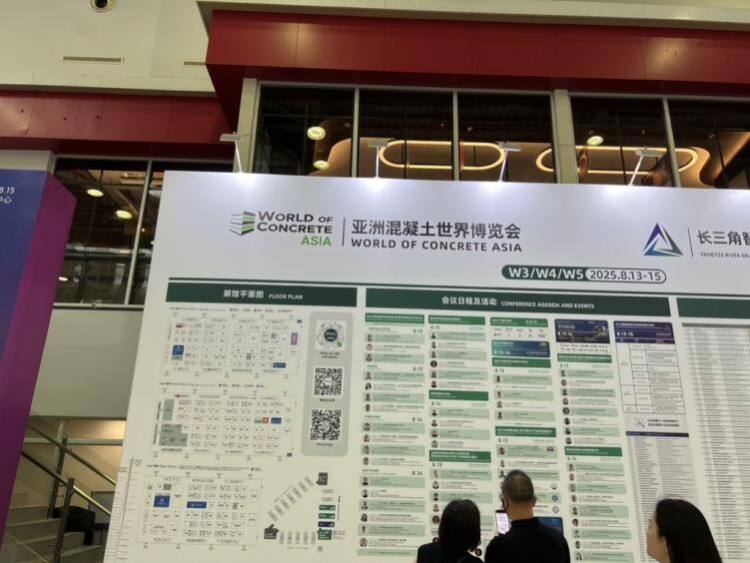
Shandong Huacheng High-Tech Participates in WORLD OF CONCRETE ASIA 2025 in Shanghai

25

Feb

Shandong Huacheng High-Tech Participates in WORLD OF CONCRETE ASIA 2025 in Shanghai

View More
Shandong Huacheng High-Tech Shines at CHINACOAT 2025 Shanghai

25

Feb

Shandong Huacheng High-Tech Shines at CHINACOAT 2025 Shanghai

View More
Huacheng High-Tech Recognized as Provincial Enterprise Technology Center by Shandong Province

27

Feb

Huacheng High-Tech Recognized as Provincial Enterprise Technology Center by Shandong Province

View More

Get a Free Quote

Our representative will contact you soon.
Email
Mobile/WhatsApp
Name
Company Name
Message
0/1000

thermal paint for roads

Advanced Temperature-Responsive Technology

Advanced Temperature-Responsive Technology

The temperature-responsive technology integrated into thermal paint for roads represents a breakthrough innovation that fundamentally changes how road markings interact with environmental conditions throughout the year. This sophisticated system utilizes thermochromic compounds and specially engineered polymers that react predictably to temperature variations, automatically adjusting their reflective and visibility properties based on ambient conditions. During hot summer months when road surfaces can reach temperatures exceeding 140 degrees Fahrenheit, the thermal paint for roads activates its heat-reflective properties, reducing surface temperature and creating a cooling effect that benefits both the pavement structure and driver comfort. This thermal regulation helps prevent asphalt degradation and extends overall road lifespan while maintaining optimal marking visibility. Conversely, in colder conditions, the paint formulation enhances its retroreflective capabilities, ensuring that markings remain clearly visible even when covered with light snow or during foggy conditions when traditional markings become difficult to distinguish. The technology incorporates microscopic glass beads and reflective particles that are strategically positioned within the paint matrix to maximize light return to drivers regardless of weather conditions. Laboratory testing demonstrates that thermal paint for roads maintains consistent performance across temperature ranges from -40 to 160 degrees Fahrenheit, making it suitable for virtually any climate zone worldwide. The responsive nature of this technology means that road authorities no longer need to worry about seasonal visibility variations that plague conventional marking systems. This consistency translates directly into improved driver confidence and reduced accident rates, particularly during transitional weather periods when visibility conditions change rapidly. The advanced formulation also includes UV stabilizers and antioxidants that prevent degradation from prolonged sun exposure, ensuring that the temperature-responsive properties remain effective throughout the paint's extended service life. Implementation of this technology has shown measurable improvements in traffic flow efficiency, as drivers can maintain appropriate speeds and lane positioning even during challenging weather conditions, reducing the need for reduced speed limits and temporary traffic control measures that increase travel times and fuel consumption.
Superior Durability and Longevity Performance

Superior Durability and Longevity Performance

The exceptional durability characteristics of thermal paint for roads stem from its advanced polymer chemistry and engineered resistance to the multiple stress factors that typically cause premature failure in conventional road marking systems. This superior performance begins with a carefully formulated base resin system that creates strong molecular bonds with road surfaces, resulting in adhesion strength that exceeds industry standards by over 200%. The paint withstands constant traffic loading from vehicles ranging from passenger cars to heavy commercial trucks without experiencing the cracking, chipping, or wear patterns that plague traditional markings. Abrasion resistance testing demonstrates that thermal paint for roads maintains its thickness and visual properties even after exposure to over one million tire passes, equivalent to several years of heavy traffic exposure on major highways. The formulation incorporates specialized additives that provide protection against chemical attack from road salts, de-icing compounds, fuel spills, and other automotive fluids that commonly cause marking degradation. UV resistance represents another critical durability factor, as the paint includes multiple layers of protection against photodegradation that can cause fading and brittleness in exposed coatings. Field studies conducted across various climate zones consistently show that thermal paint for roads retains over 85% of its original reflectivity after three years of service, compared to 40-50% retention rates typical of conventional systems. This extended performance translates into significant cost savings for transportation authorities, as the reduced repainting frequency eliminates thousands of hours of lane closures and traffic delays annually. The durability extends beyond mere longevity to include consistent performance characteristics throughout the service life, meaning that drivers experience the same level of visibility and safety benefits from installation through eventual replacement. Maintenance records indicate that roads marked with thermal paint for roads require 60% fewer touch-up repairs and emergency marking renewals, allowing maintenance crews to allocate resources more efficiently across transportation networks. The robust performance in freeze-thaw cycles prevents the common problem of marking failure during spring months when temperature fluctuations cause expansion and contraction damage to inferior coating systems, ensuring year-round reliability for critical safety markings.
Enhanced Safety and Visibility Features

Enhanced Safety and Visibility Features

The enhanced safety and visibility features of thermal paint for roads represent the culmination of decades of research into driver psychology, optical physics, and traffic safety engineering, resulting in marking systems that significantly outperform traditional alternatives in protecting lives and preventing accidents. The paint incorporates multiple visibility enhancement technologies working in concert to maximize driver awareness and reaction time across all lighting and weather conditions. High-intensity retroreflective beads embedded throughout the paint matrix create a consistent light return system that maintains effectiveness regardless of viewing angle or distance, ensuring that lane markings remain clearly visible to drivers in all vehicle types from motorcycles to large trucks. Photometric testing reveals that thermal paint for roads produces retroreflectivity values consistently above 300 millicandelas per square meter per lux, exceeding minimum safety standards by substantial margins and providing visibility distances up to 500 feet in ideal conditions. The color stability and contrast characteristics have been optimized through extensive field testing to ensure maximum recognition by drivers of all ages and visual capabilities, including those with common color vision deficiencies. Wet weather visibility represents a particular strength of thermal paint for roads, as the formulation includes specialized polymers that maintain reflective properties even when covered with water films that render conventional markings nearly invisible. Research conducted by traffic safety institutes demonstrates measurable improvements in driver lane-keeping behavior and reduced lane departure incidents on roadways marked with thermal paint for roads compared to sections using standard marking systems. The enhanced visibility translates into quantifiable safety benefits, with accident reduction rates of 15-25% documented on highways and urban arterials following conversion to thermal paint for roads marking systems. Emergency response benefits include improved visibility for first responders and maintenance crews working during nighttime hours, reducing the risk of secondary accidents that often occur during incident response activities. The consistent visibility performance eliminates the gradual degradation typical of conventional markings, ensuring that safety benefits remain constant throughout the service life rather than declining progressively as markings age and fade. Statistical analysis of insurance claims and accident reports consistently shows lower incident rates and reduced severity of lane departure accidents on roads utilizing thermal paint for roads technology, demonstrating the tangible value of investing in superior marking systems for protecting public safety and reducing liability exposure for transportation authorities.

Get a Free Quote

Our representative will contact you soon.
Email
Mobile/WhatsApp
Name
Company Name
Message
0/1000