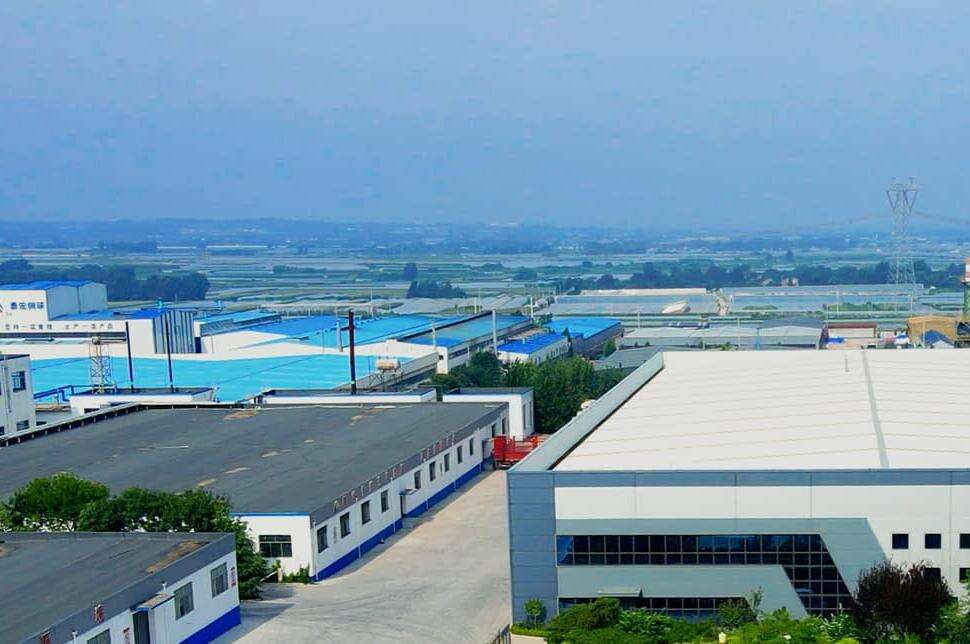
radiative cooling technology
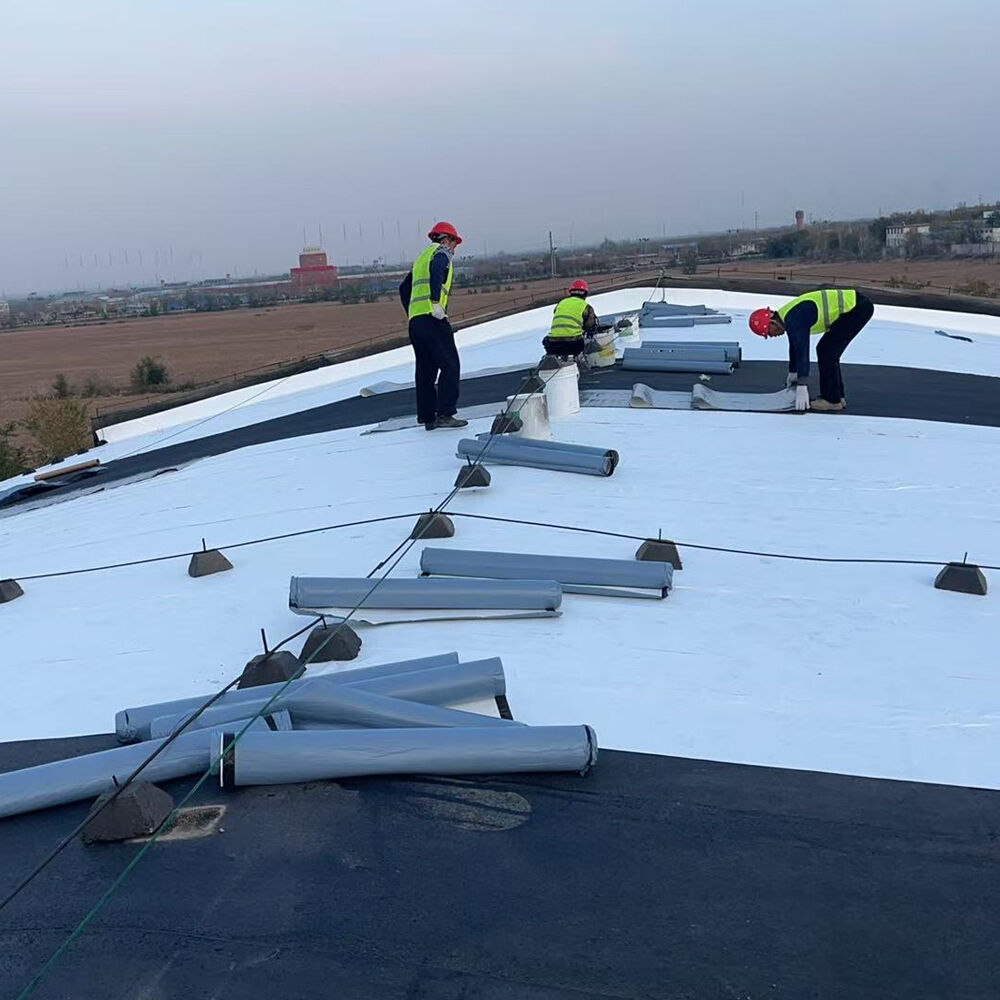
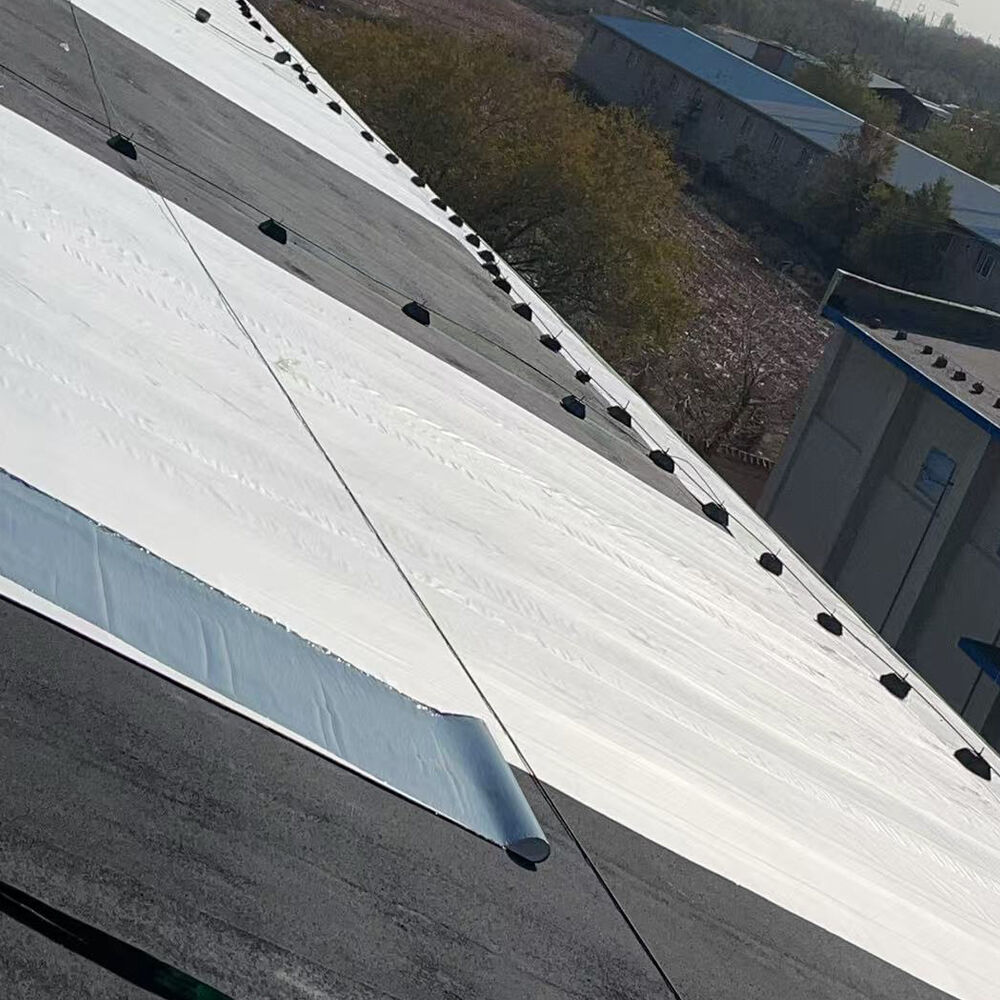
Radiative cooling technology represents a groundbreaking approach to temperature regulation that harnesses the natural phenomenon of thermal radiation to achieve cooling without consuming electrical energy. This innovative technology operates by emitting infrared radiation directly to outer space through the atmospheric window, a specific wavelength range where the atmosphere remains largely transparent. The core principle behind radiative cooling technology involves specially engineered materials that selectively emit thermal radiation while simultaneously reflecting solar energy, creating a net cooling effect even under direct sunlight. These advanced materials typically consist of multilayer structures incorporating photonic crystals, metamaterials, or specially designed coatings that manipulate electromagnetic radiation across different wavelengths. The main functions of radiative cooling technology include passive temperature reduction, energy conservation, and sustainable climate control for various applications. Unlike conventional cooling systems that require electricity or refrigerants, this technology provides continuous cooling by leveraging the temperature difference between Earth's surface and the cold vacuum of space. The technological features of radiative cooling systems include high solar reflectance, selective thermal emission, durability under environmental conditions, and scalability for different applications. Modern radiative cooling technology can achieve temperature reductions of 5-15 degrees Celsius below ambient temperature, depending on atmospheric conditions and material properties. Applications span across multiple sectors including building construction, automotive industry, textile manufacturing, food preservation, and electronics cooling. In architectural applications, radiative cooling technology serves as roofing materials, exterior coatings, and integrated building systems that reduce energy consumption for air conditioning. The automotive industry utilizes this technology for vehicle roof coatings and component cooling, while the electronics sector applies it for thermal management of sensitive equipment and data centers.


 EN
EN