All Categories
Home
Products
Radiative Cooling Products
Aerogel Products
Waterproof Products
Road And Floor Surface Materials
About Us
Application
News
Contact Us
Home
Products
Radiative Cooling Products
Aerogel Products
Waterproof Products
Road And Floor Surface Materials
About Us
Application
News
Contact Us
EN
EN
AR
CS
DA
NL
FI
FR
DE
EL
HI
IT
JA
KO
NO
PL
PT
RU
ES
SV
TL
IW
ID
LV
SR
UK
VI
SQ
HU
MT
TH
TR
FA
MS
GA
AZ
UR
BN
TA
UZ
KY
Get a Quote
Get a Free Quote
Our representative will contact you soon.
Email
Mobile/WhatsApp
Name
Company Name
Message
0/1000
Submit
Products
Home
>
Products
Products
Radiative Cooling Products
Aerogel Products
Waterproof Products
Road And Floor Surface Materials
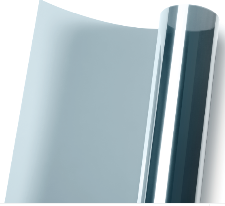
Window Insulation Film
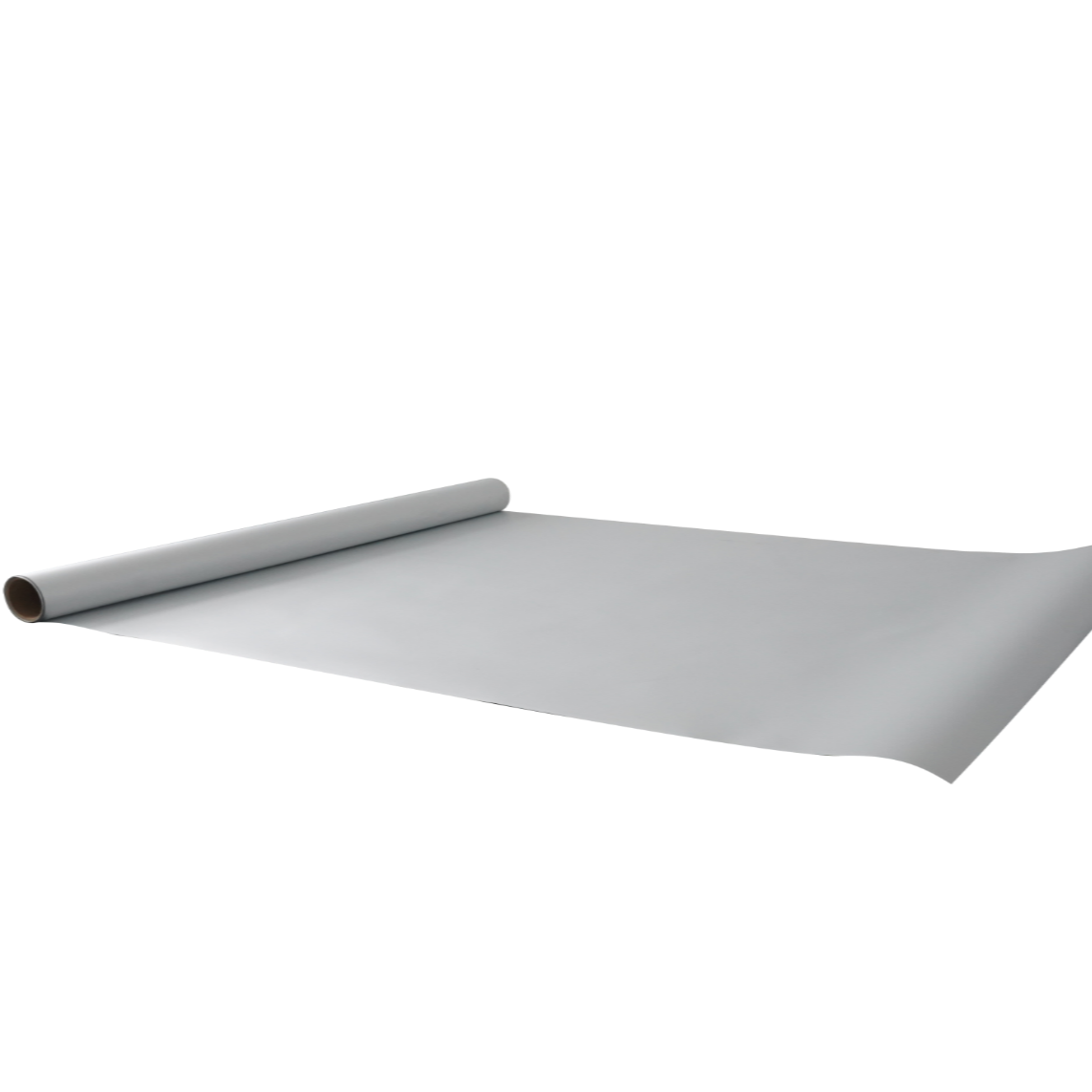
Radiative Cooling Film For Construction Field, Power Equipment, Industrial And Special Warehousing,Oil Tank,Grain Depot,Transportation And Outdoor Facilities, And Emerging Lifestyle Applications
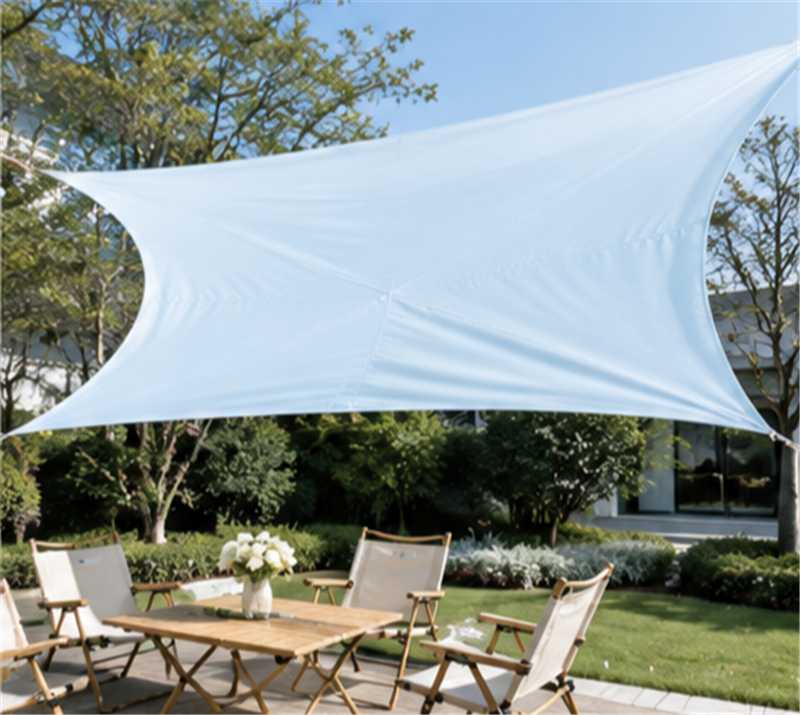
Radiative Cooling Sunshading Fabric
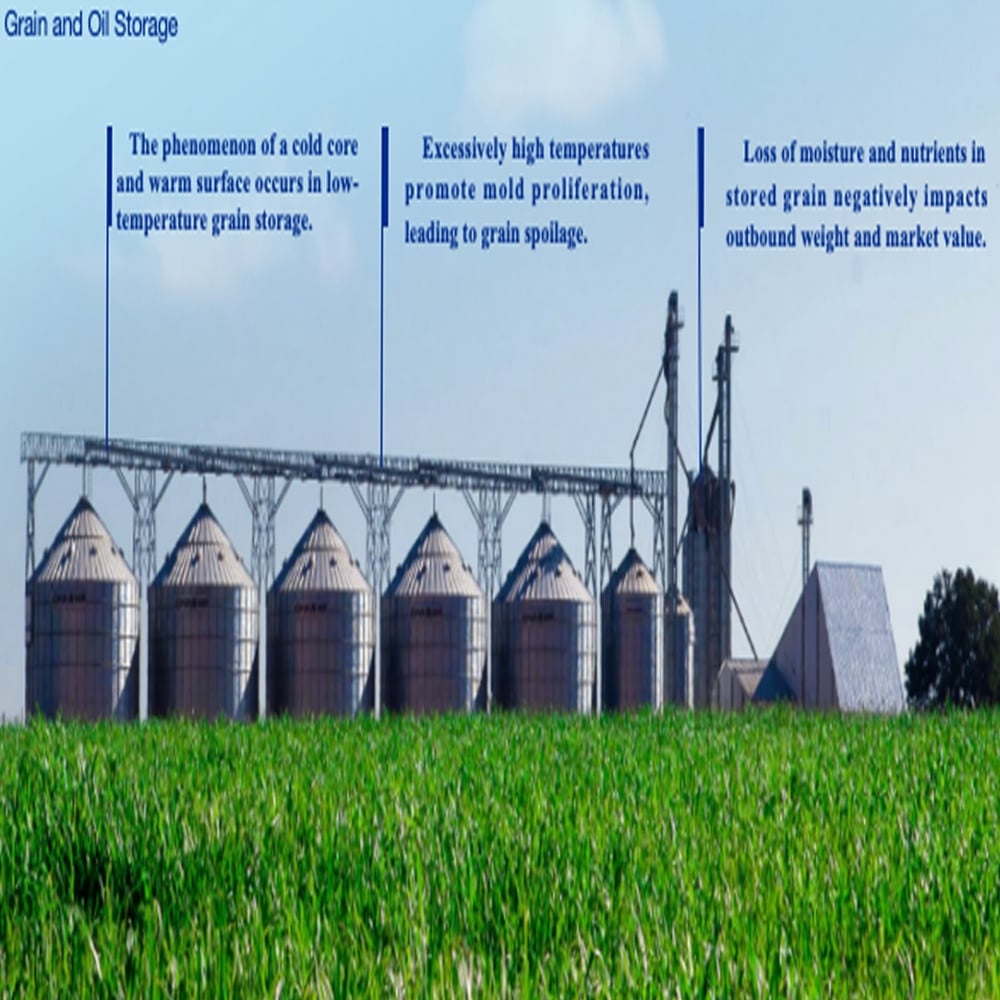
Radiative Cooling Coatings For Transformer Cabinet Housings,Color Steel Tile Factory Building, Grain Storage Tank,Oil Storage Tank
Dual-Superhydrophobic & Superoleophobic Top Coat For Using With Radiative Cooling Coatings, Or In Other Scenarios Requiring Hydrophobic And Oleophobic Properties
Aerogel Powder
Aerogel Paste
Aerogel Coatings For Thermal Insulation,Sound Insulation And Absorption,Moisture And Mold Resistance,For Roof,Sunroom,Exterior Wall,Interior Wall, Partition Wall,Bedroom,Meeting Room And Classroom,Ktv,Underground Garage,Underground Home Theater,Undergro
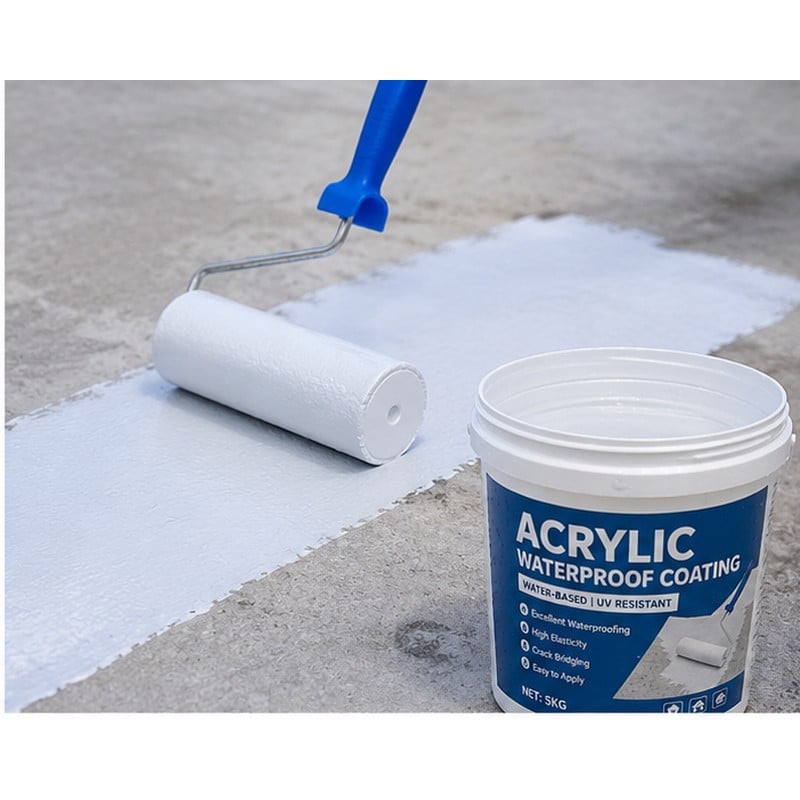
High-Solid Acrylic CF-300 Decorative Exposed Roof Waterproof Coating
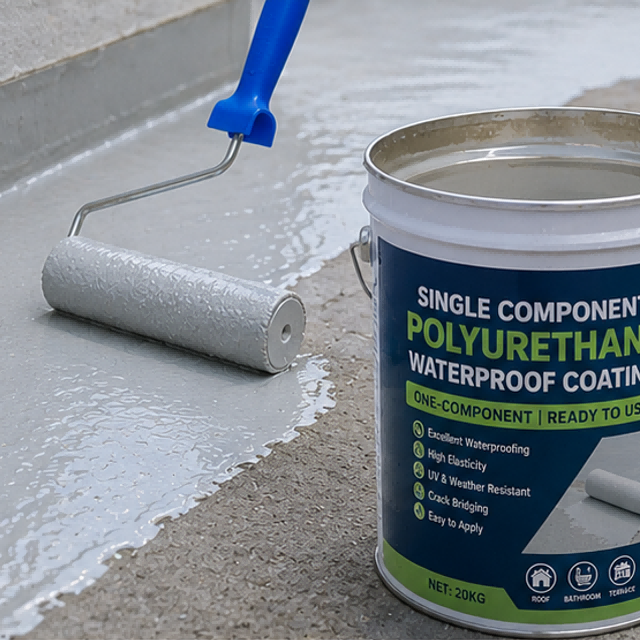
Moisture-Cure Single-Component PU Waterproof Coating — Ready-to-Use, No Primer Needed
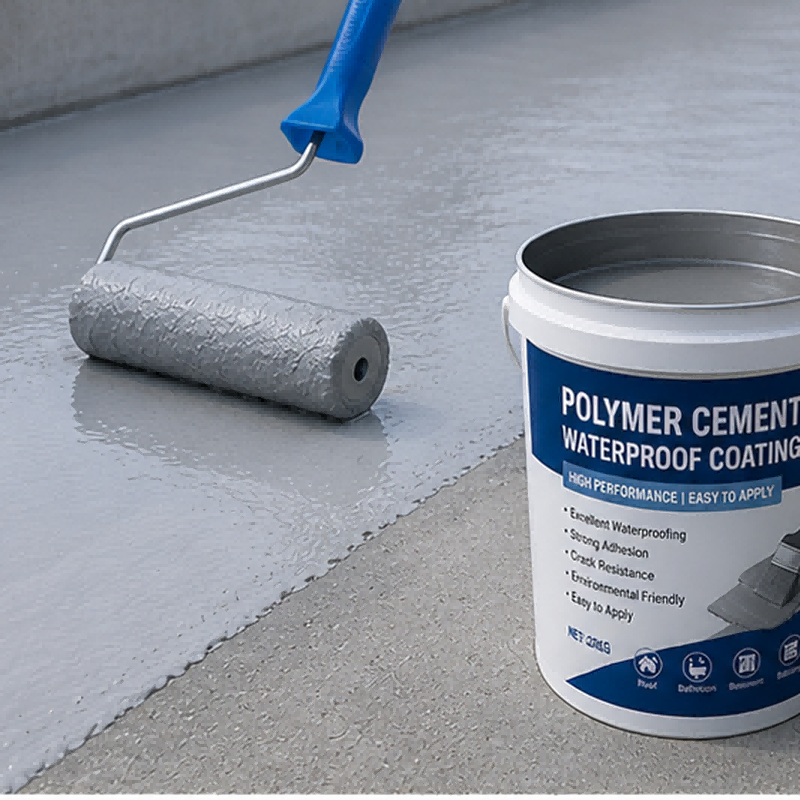
Polymer-Modified Cementitious (JS) Waterproof Coating
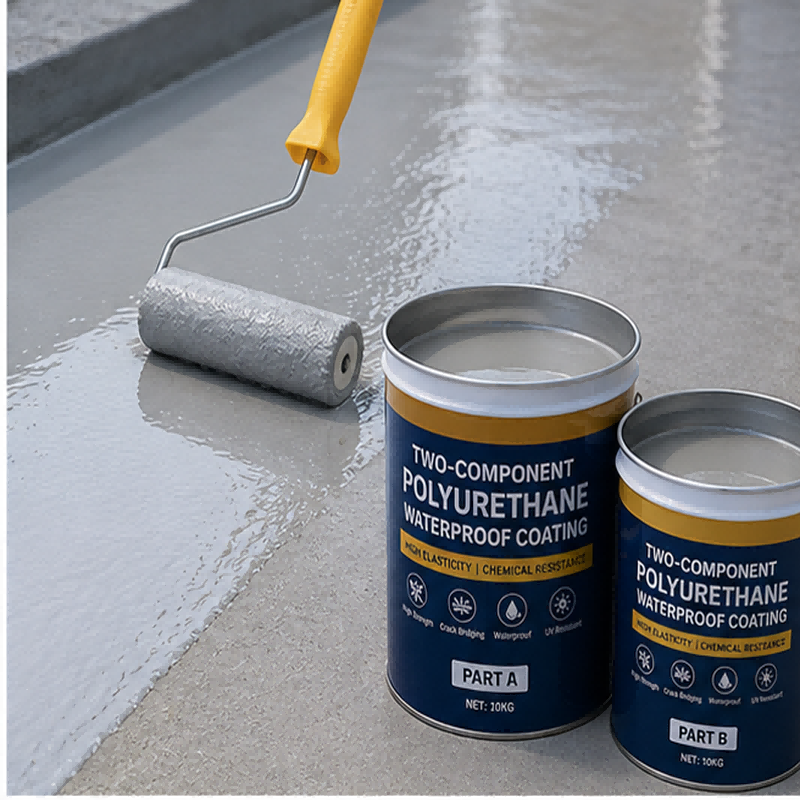
Two-Component PU Waterproof Coating — Type I · 1:1 Mix · ≥92% Solid · −35°C Rated · B₂-E
PREV
1
2
NEXT
Get a Free Quote
Our representative will contact you soon.
Email
Mobile/WhatsApp
Name
Company Name
Message
0/1000
Submit

 EN
EN
