EN
EN

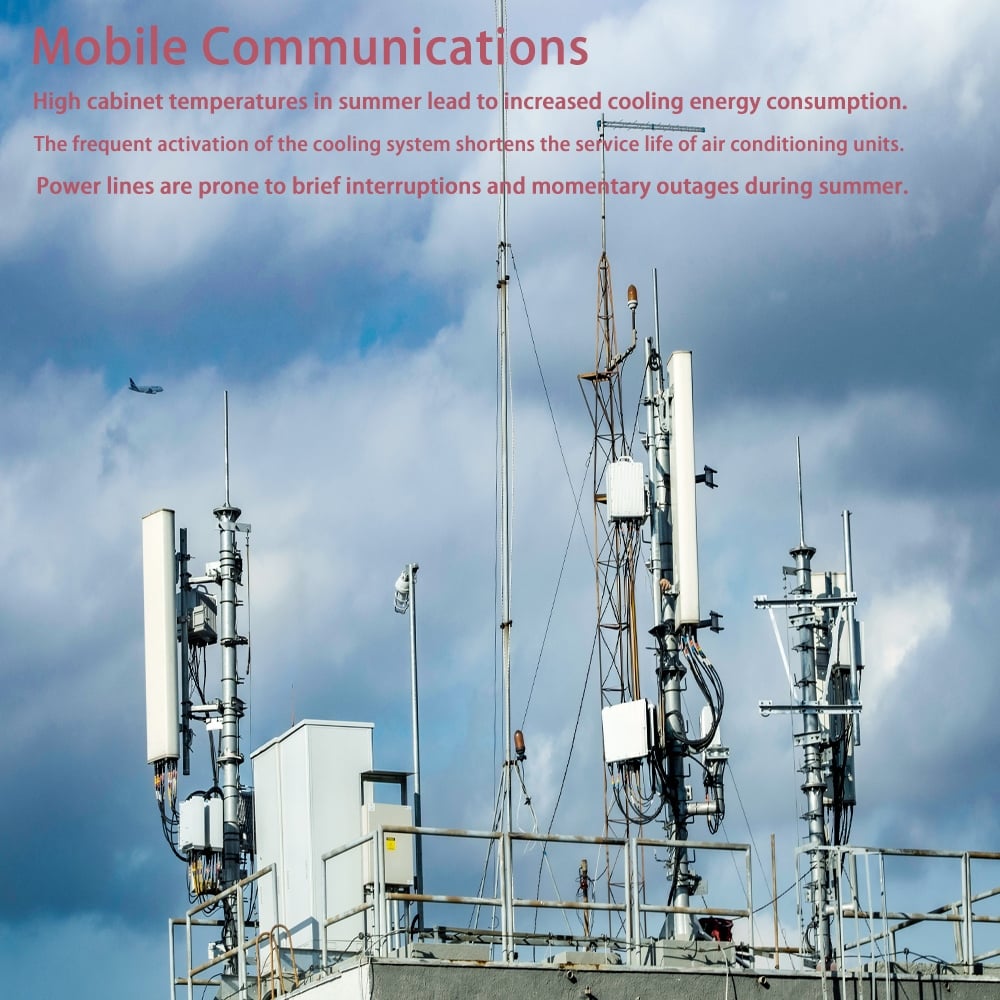
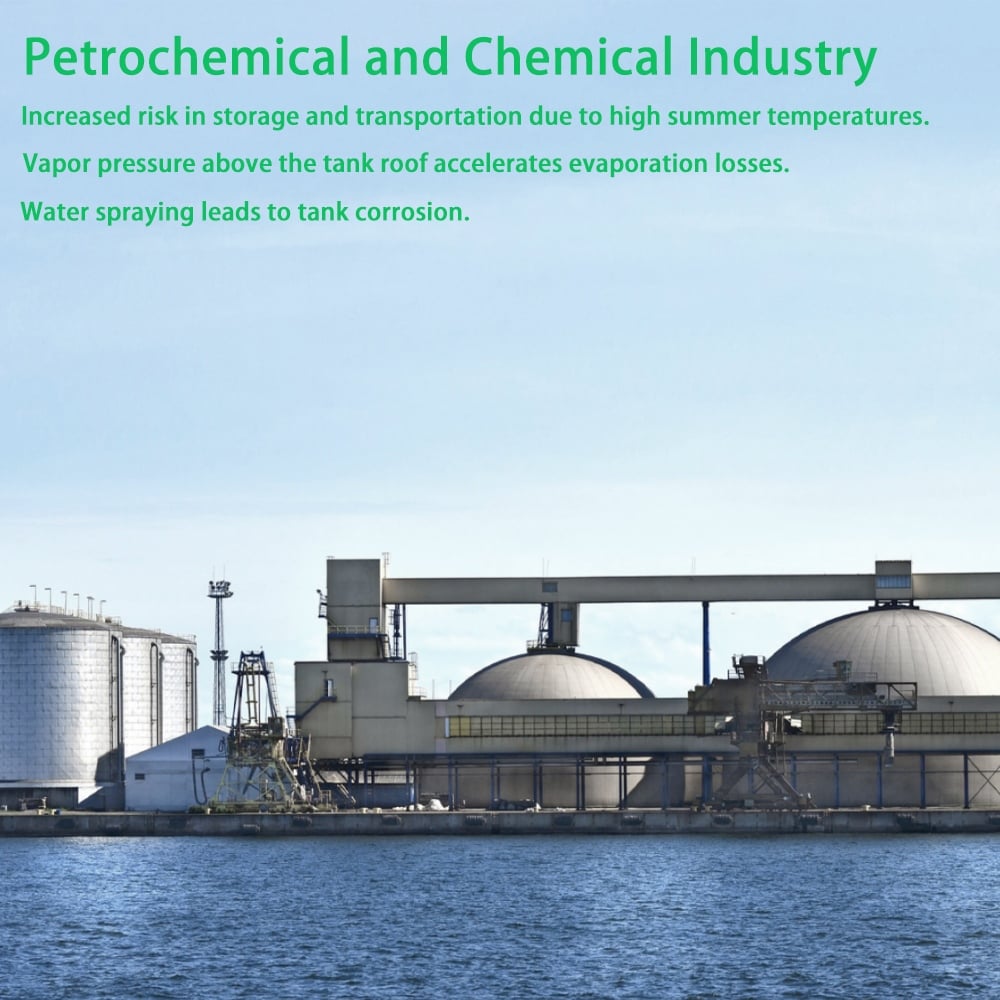
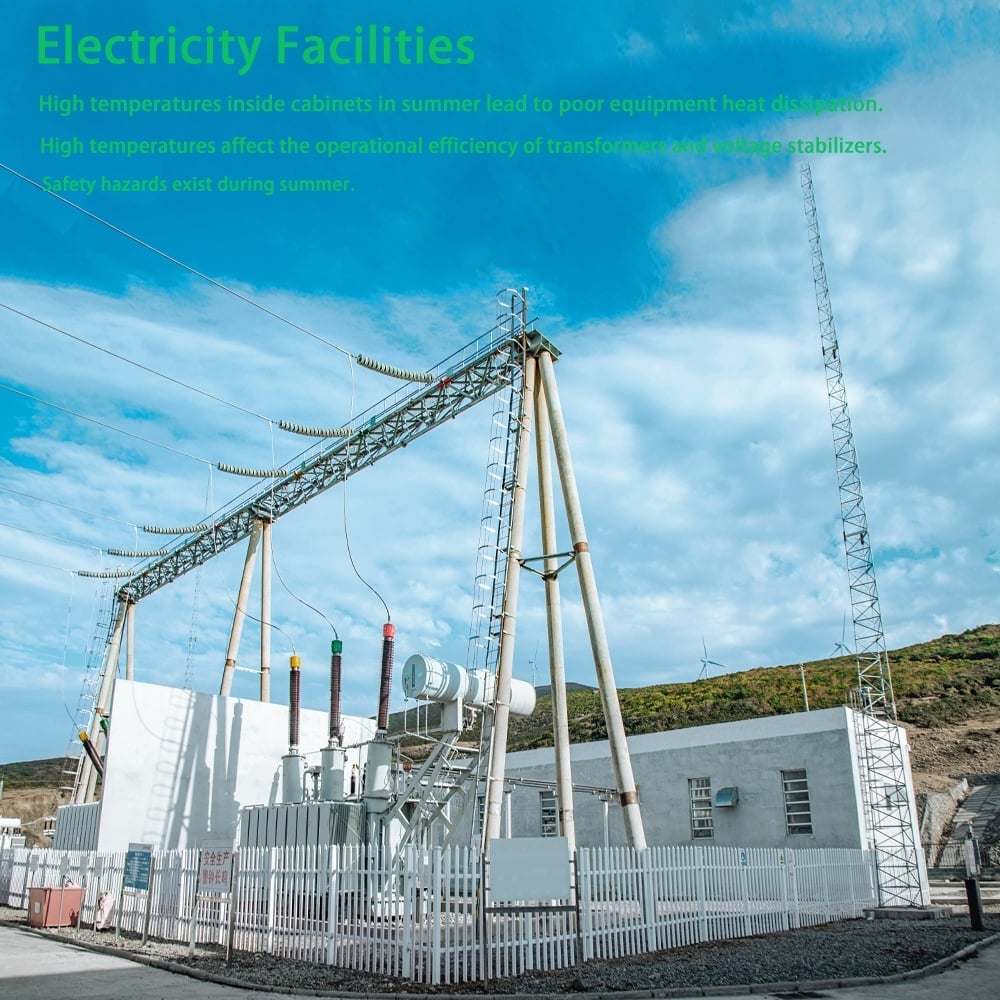
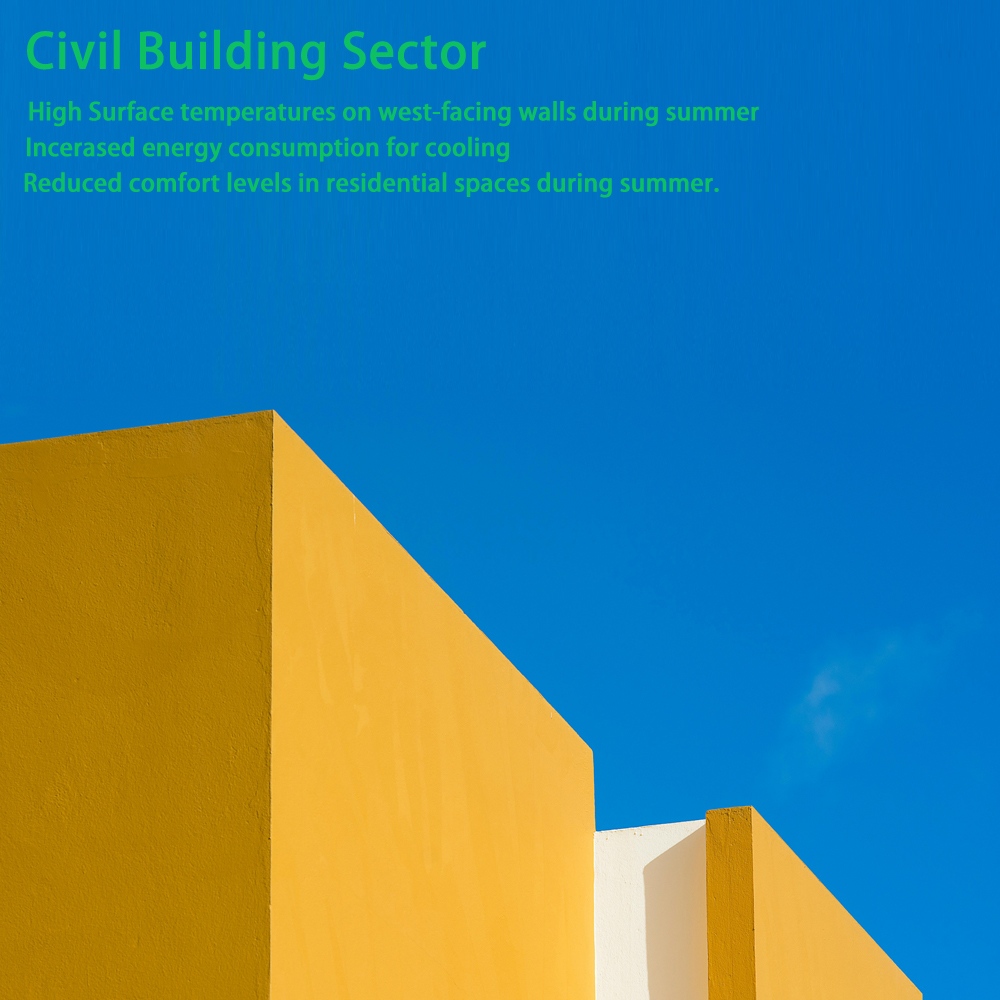
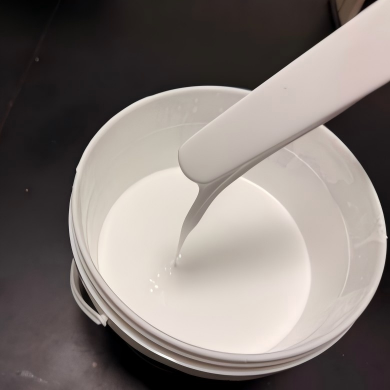
Radiative Cooling Coatings For Transformer Cabinet Housings,Color Steel Tile Factory Building, Grain Storage Tank,Oil Storage Tank
Energy-free radiative cooling coating with high solar reflectance and passive cooling for transformer housings, color steel tile factory buildings and storage tanks.
Characteristics: high solar reflectance;passive cooling
- Overview
- Recommended Products
Product Introduction
| No. | Item | Requirement | Test Result | Conclusion |
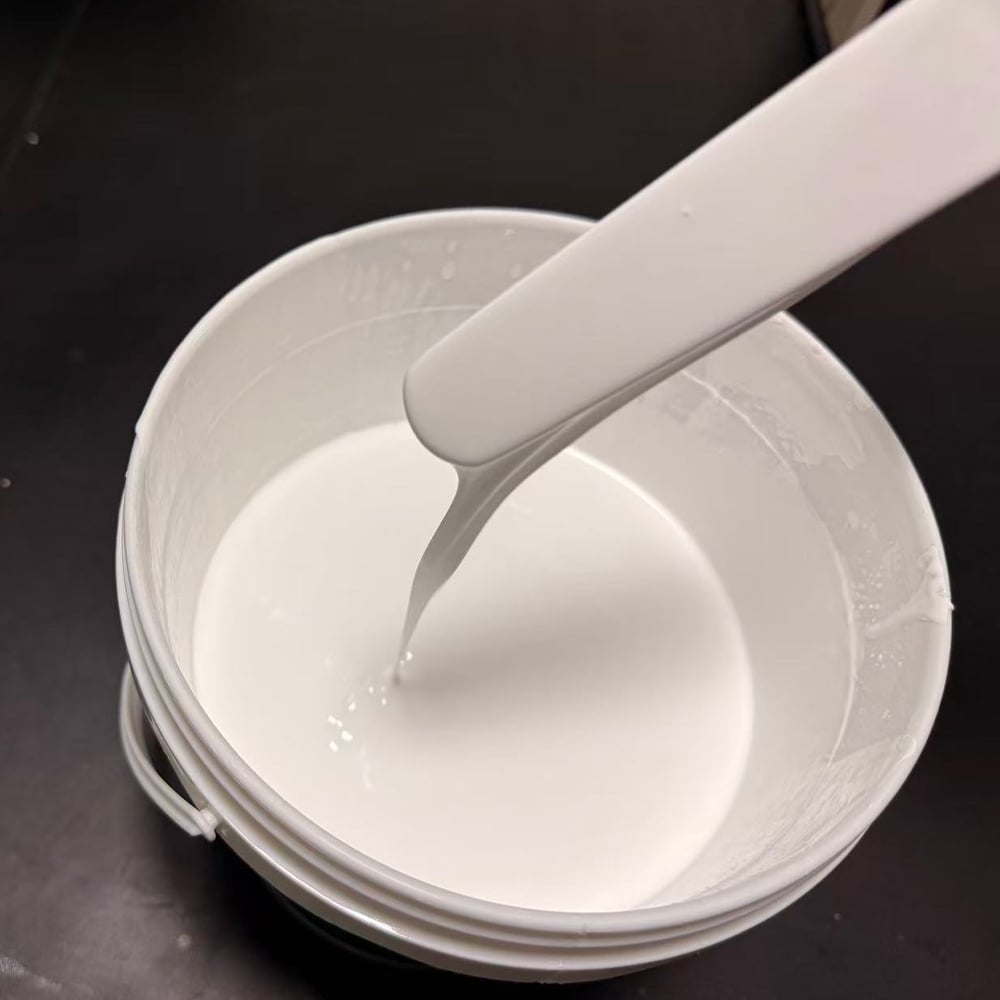
| 1 | Appearance | Milky white, free of impurities | Milky white, free of impurities | Conforms |
| 2 | Application | Smooth application | Smooth application | Conforms |
| 3 | Surface Dry Time | ≤4h | 3h | Conforms |
| 4 | Water Resistance (96h) | No abnormalities | No abnormalities | Conforms |
| 5 | Solar Reflectance | ≥90% | 91.20% | Conforms |
| 6 | Near-Infrared Reflectance | ≥88% | 89.60% | Conforms |
| 7 | Hemispherical Emittance | ≥88% | 88.90% | Conforms |
| 8 | Scrub Resistance (2000 cycles) | No abnormalities | No abnormalities | Conforms |
Product Business Terms
| Packaging Details | 35kg/drum |
| Delivery Time | In 10 days |
| Payment Terms | T/T, L/C, PayPal, Western Union, Cash |
FJ-065 is an energy-free passive cooling coating. When applied to a substrate surface, it reflects sunlight and emits ultraviolet radiation from sunlight, thereby achieving a passive cooling effect.
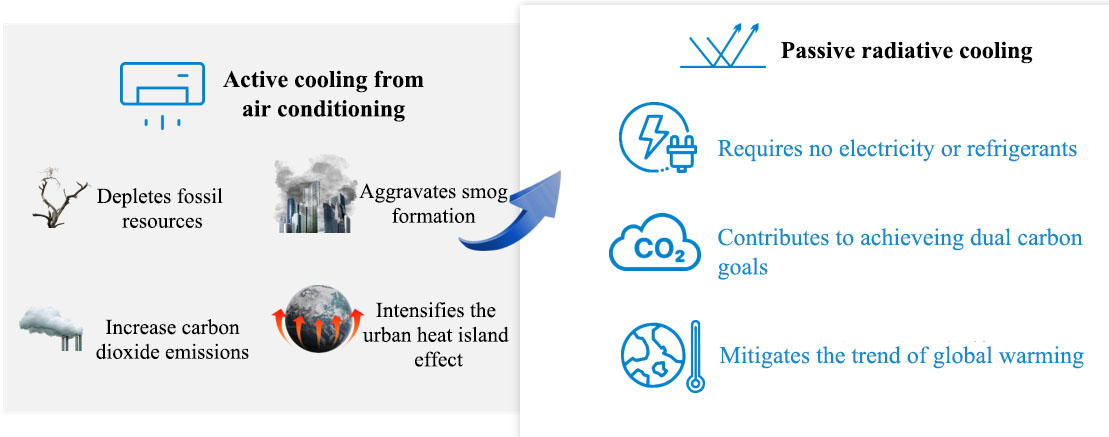
Passive radiative cooling offers significant advantages over traditional active cooling systems, as it not only saves energy and reduces carbon emissions by requiring no energy input, but also alings with China’s dual carbon goals.
Introduction To Refrigeration Principles
Passive radiative cooling occurs when a surface emits more heat in the form of infrared radiation than it absorbs, resulting in a surface temperature below the ambient air temperature under direct sunlight.
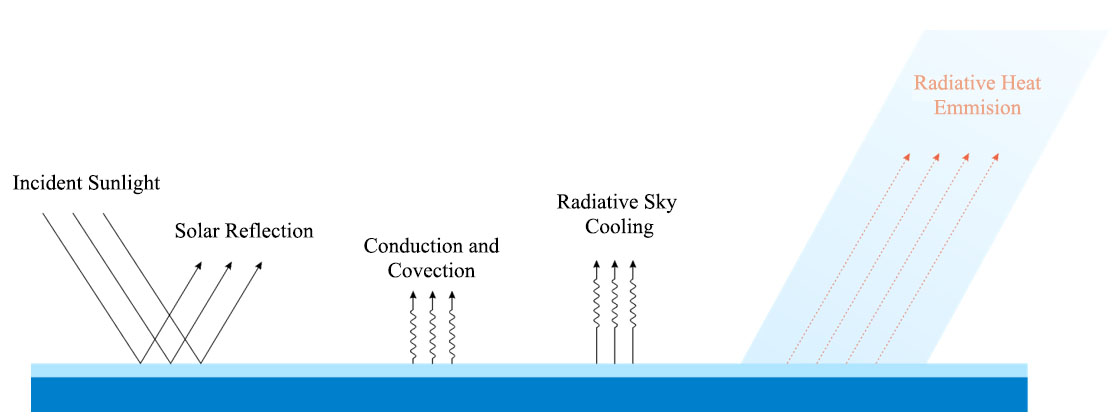
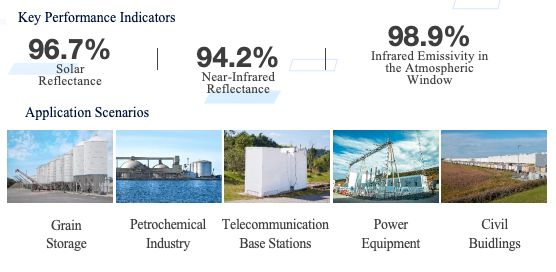
For a surface exposed to the daytime sky, the energy conservation equation is as follows: P_cooling=P_radiation-P_atmospheric-P_solar-P_conduction_and_convection. To achieve passive radiative cooling, the surface must have a solar reflectivity of at least 94%, and the higher the selectie infrared emissivity or broad-spectrum emissivity within the atmospheric window, the better.
Utilizing daytime passive radiative cooling technology, this coating achieves a consistent surface temperature lower than the ambient air temperature both day and night.
Performance Feature
1.Excellent reflective insulation performance.
2.With excellent weather resistance, color retention, and excellent adhesion.
3.Effectively resist alkali, prevent mold and algae growth
4.It has a certain anti-stain function. The paint surface can be washed, and the cleaning and maintenance are very simple.
Application Areas
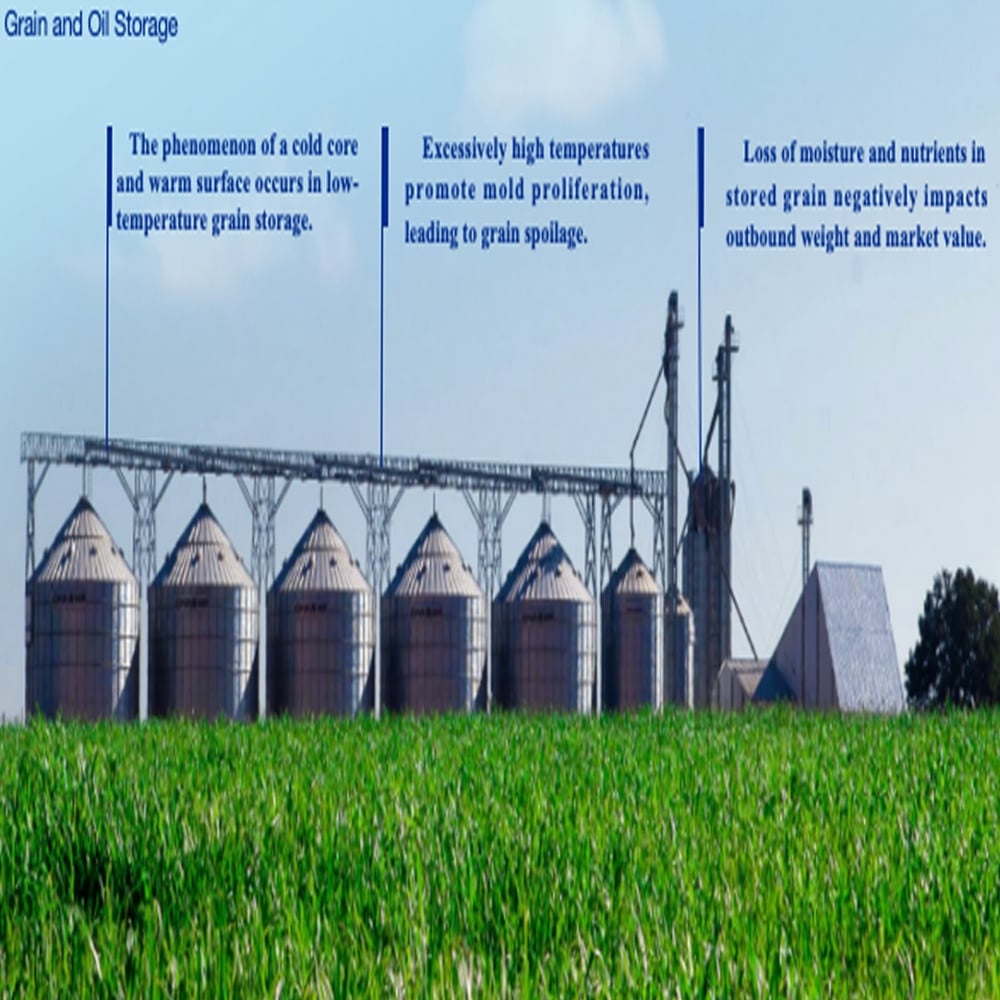
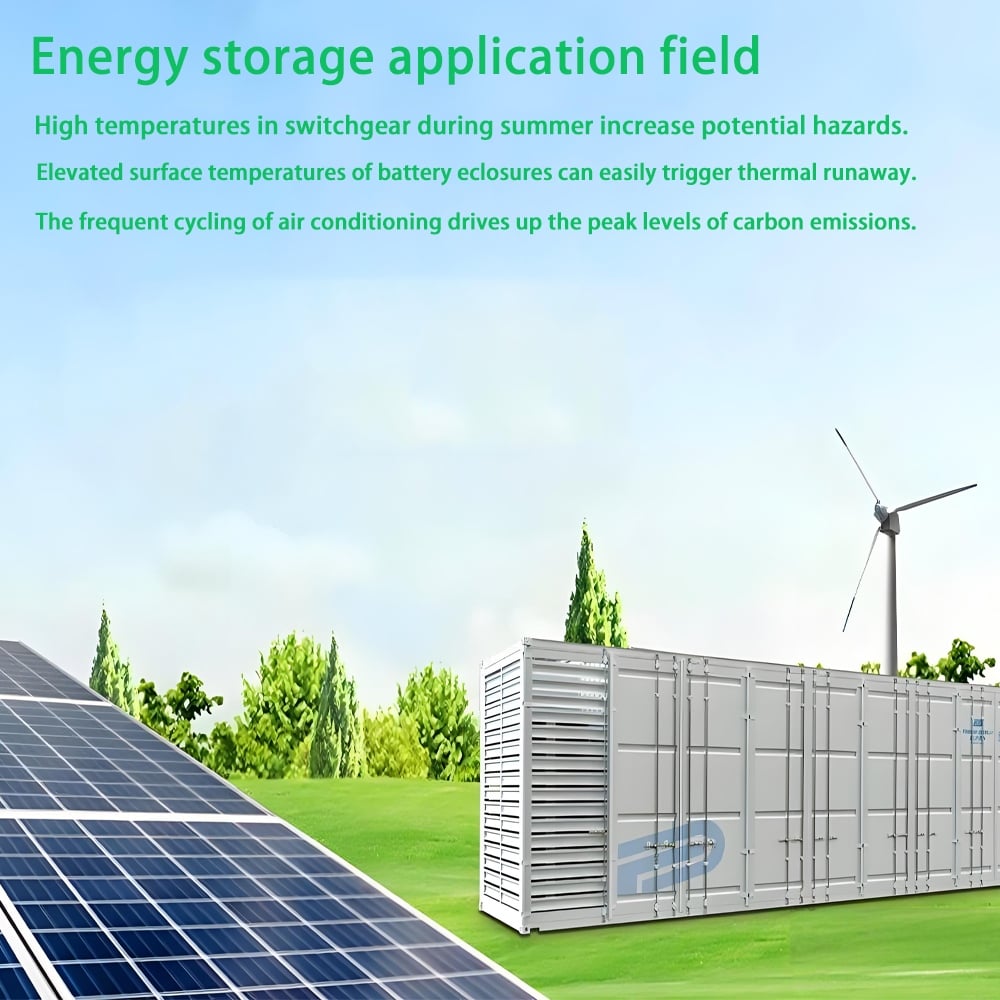
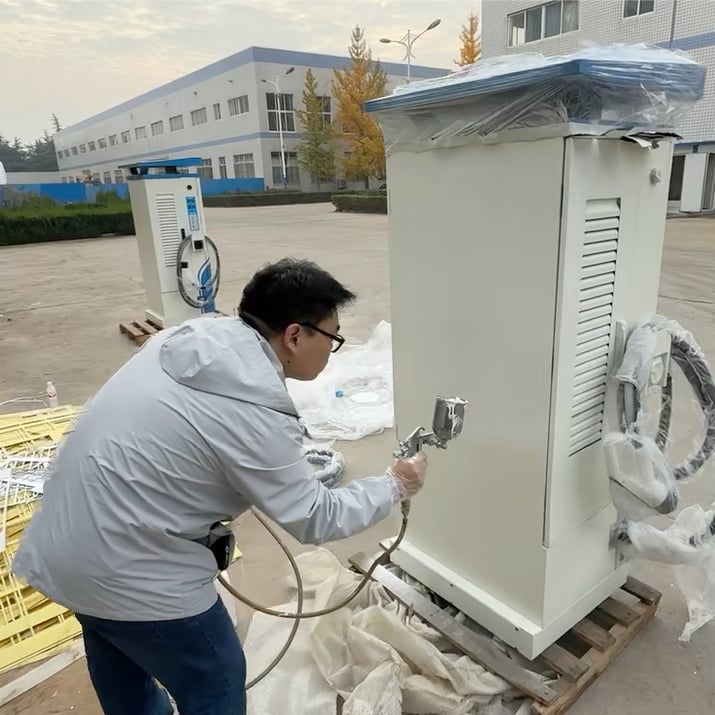
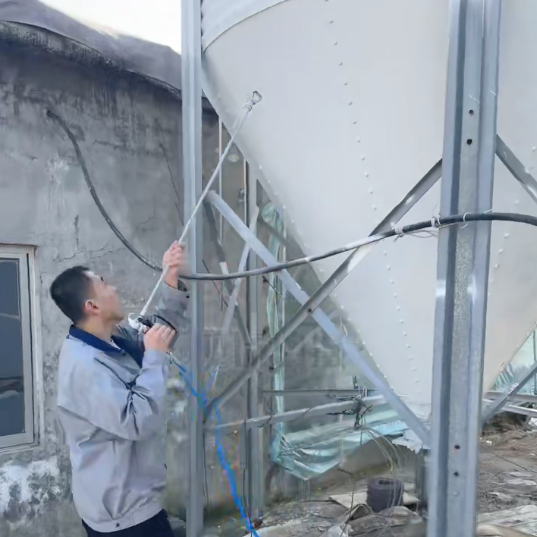
Electric meter boxes, electronic base stations, transformer cabinet housings, color steel tile factory buildings, grain storage tanks, oil storage tanks, feed storage tanks, building exterior walls, and other scenarios requiring cooling.
 |
 |
Usage Instructions
1.This product is a water-based coating, ready to use after opening. For spray application, add a small amount of water and stir evenly before use.
2.Mixed material must be tightly sealed in the container; direct contact with air is prohibited.
3.This product can be applied by roller or spray. Spray application is recommended, with a minimum of two coats required.
4.Before application, prepare the substrate by removing surface dust, debris, etc., and addressing any cracks, bulges, or other surface defects. For rust-proofing requirements or scenarios demanding high adhesion, it is necessary to first apply a coat of alkali-resistant, sealing primer.
5.Application is strictly prohibited during rain or snow. Recommended application temperature is between 5℃ and 35℃. Allow the coating to air dry naturally for 24 hours after each coat before proceeding with the next.
Storage and Transportation
1.The product should be stored in a sealed condition in a dry, well-ventilated warehouse. Storage temperature should be above 5℃ and below 35℃. Protect from water immersion, direct sunlight, and keep away from fire and heat sources.
2.When stored under the specified conditions, the shelf life is one year from the date of production. Product exceeding the shelf life can be tested; if they meet the standard, they may still be used.
3.During transportation, protect the product from severe cold, rain, and direct sunlight. Comply with relevant regulations of the transportation department.