Sustainable Drainage Pavement Solutions: Advanced Water Management Technology for Modern Infrastructure

All Categories

Get a Free Quote

Our representative will contact you soon.
Email
Mobile/WhatsApp
Name
Company Name
Message
0/1000

sustainable drainage pavement

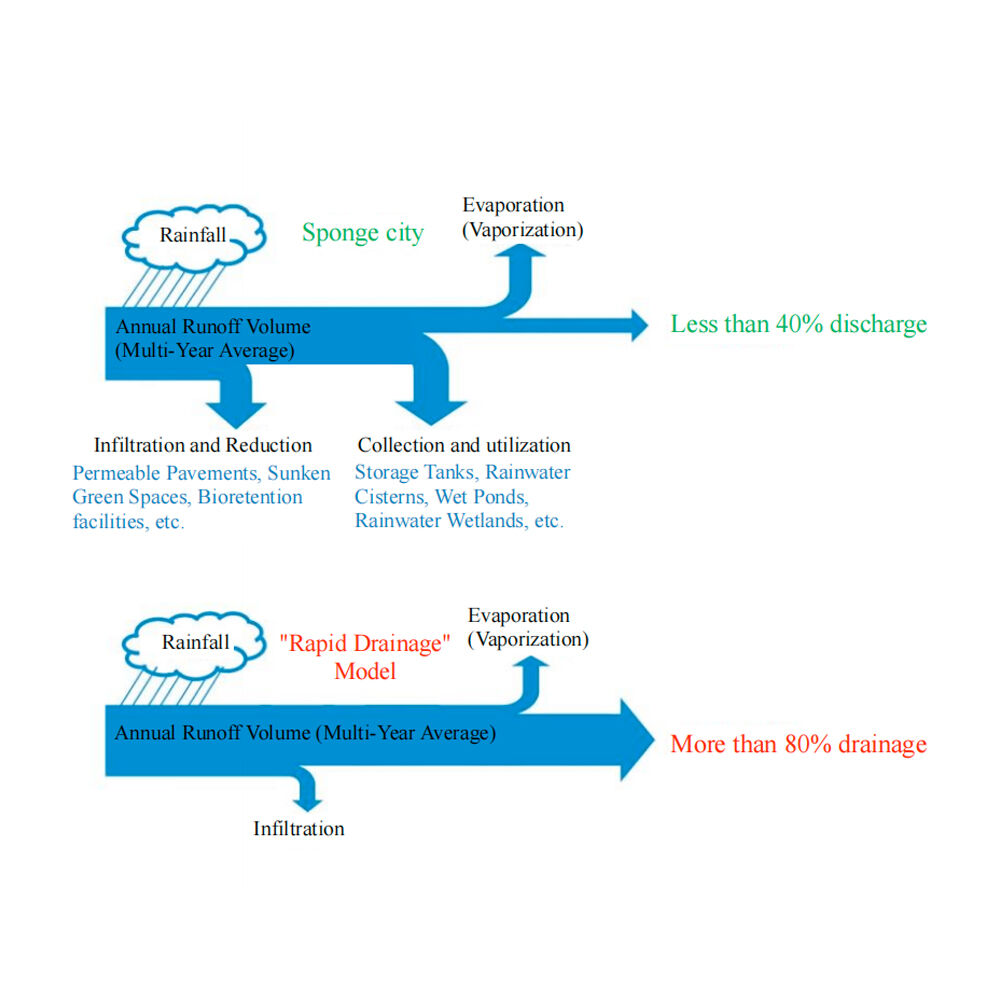
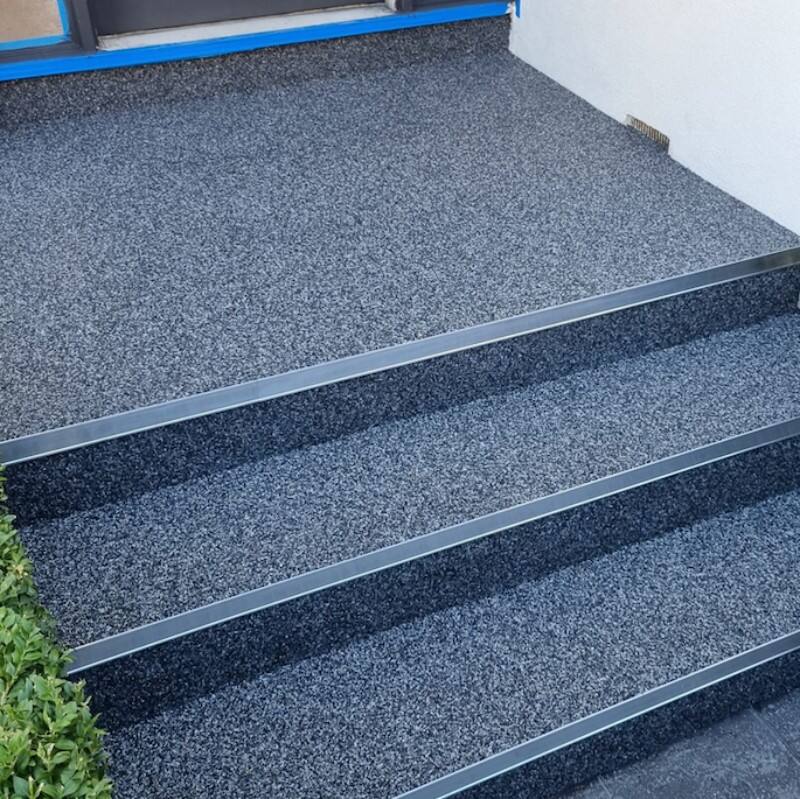
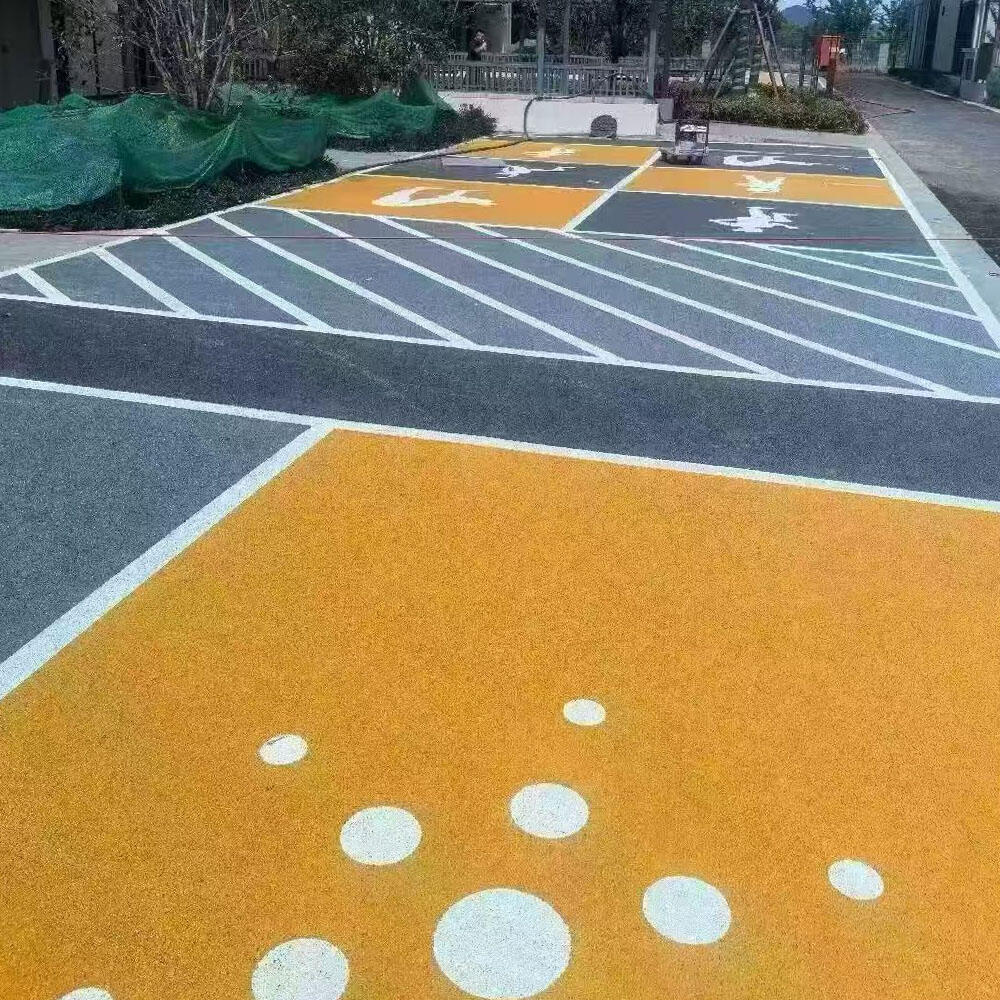
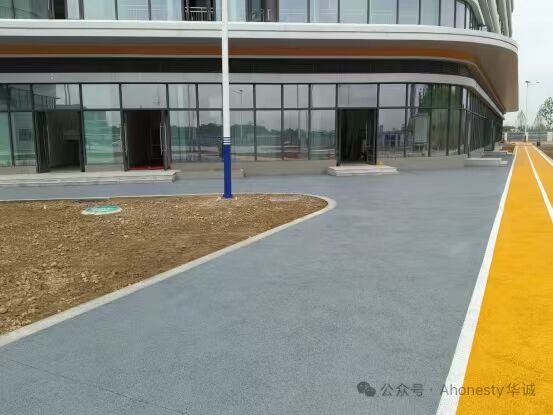
Sustainable drainage pavement represents a revolutionary approach to urban water management, combining traditional paving functionality with advanced stormwater control capabilities. This innovative infrastructure solution addresses the growing challenges of urban flooding, water pollution, and environmental sustainability through its unique porous design and integrated drainage systems. The sustainable drainage pavement operates by allowing rainwater to infiltrate through its permeable surface, effectively reducing surface runoff and minimizing the burden on conventional drainage networks. The core technology incorporates specially engineered materials that maintain structural integrity while facilitating water passage, creating a dual-purpose surface that serves both transportation and environmental management needs. The pavement system typically consists of multiple layers, including a permeable top surface, aggregate storage layers, and optional underdrain systems that work together to capture, store, and gradually release stormwater. Key technological features include high-performance concrete or asphalt mixtures with interconnected void spaces, geotextile filters that prevent soil migration, and sophisticated sub-base materials designed for optimal water storage and filtration. The applications for sustainable drainage pavement span across various urban environments, including parking lots, pedestrian walkways, residential driveways, commercial plazas, and low-traffic roadways. Municipal authorities increasingly specify these systems for public infrastructure projects, while private developers incorporate them into sustainable building designs to meet environmental regulations and green building certifications. The technology proves particularly valuable in areas prone to flooding, regions with limited drainage infrastructure, and locations where traditional stormwater management proves challenging or expensive. Educational institutions, healthcare facilities, and retail centers benefit significantly from implementing sustainable drainage pavement solutions, as these installations demonstrate environmental commitment while providing practical flood mitigation benefits that protect property and enhance community resilience against climate change impacts.

New Product Releases

The sustainable drainage pavement delivers substantial cost savings by reducing the need for extensive underground drainage infrastructure and expensive stormwater management systems. Property owners save money on installation costs since the pavement itself functions as the primary drainage solution, eliminating the need for separate storm drains, retention ponds, or complex piping systems. Maintenance expenses decrease significantly because the system naturally filters and manages water, reducing the workload on municipal drainage networks and minimizing flood damage risks that could result in costly repairs. The environmental benefits create long-term value by improving local water quality through natural filtration processes that remove pollutants, sediments, and harmful chemicals before they reach groundwater supplies or nearby water bodies. This natural filtration system helps communities meet environmental regulations and avoid potential fines or remediation costs associated with water pollution violations. The sustainable drainage pavement enhances property values by demonstrating environmental responsibility and providing practical flood protection that makes properties more attractive to environmentally conscious buyers and tenants. Insurance benefits often accompany installations, as many providers offer reduced premiums for properties with effective flood mitigation systems in place. The technology improves urban heat island effects by allowing evaporative cooling through the porous surface, creating more comfortable outdoor environments and reducing air conditioning costs for nearby buildings. Construction projects benefit from streamlined permitting processes since sustainable drainage pavement often helps developers meet stormwater management requirements more easily than conventional approaches. The system provides immediate functionality during construction phases, allowing partial use of paved areas before project completion while still providing effective drainage capabilities. Weather-related disruptions decrease substantially because the pavement quickly handles heavy rainfall events without creating standing water or unsafe conditions that could halt construction activities or business operations. Communities experience enhanced quality of life through reduced flooding, improved air quality, and demonstration of environmental stewardship that attracts businesses and residents who value sustainability initiatives and forward-thinking infrastructure investments.

Latest News

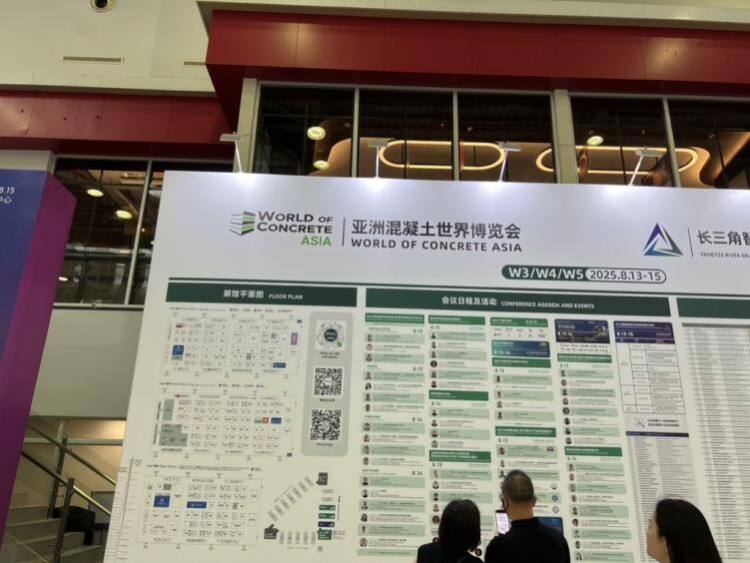
Shandong Huacheng High-Tech Participates in WORLD OF CONCRETE ASIA 2025 in Shanghai

25

Feb

Shandong Huacheng High-Tech Participates in WORLD OF CONCRETE ASIA 2025 in Shanghai

View More
Shandong Huacheng High-Tech Shines at CHINACOAT 2025 Shanghai

25

Feb

Shandong Huacheng High-Tech Shines at CHINACOAT 2025 Shanghai

View More
Huacheng High-Tech Recognized as Provincial Enterprise Technology Center by Shandong Province

27

Feb

Huacheng High-Tech Recognized as Provincial Enterprise Technology Center by Shandong Province

View More

Get a Free Quote

Our representative will contact you soon.
Email
Mobile/WhatsApp
Name
Company Name
Message
0/1000

sustainable drainage pavement

Advanced Water Management Technology

Advanced Water Management Technology

The sustainable drainage pavement incorporates cutting-edge water management technology that revolutionizes how urban surfaces handle stormwater runoff and precipitation events. The system utilizes precisely engineered porous materials that create interconnected pathways for water infiltration while maintaining the structural strength required for vehicle and pedestrian traffic. The technology features multiple filtration layers that work systematically to remove contaminants, suspended solids, and pollutants from stormwater before it reaches underlying soil or groundwater systems. Advanced aggregate materials within the pavement structure provide temporary water storage capacity, allowing controlled release during extended dry periods and preventing overwhelming downstream drainage systems during intense rainfall events. The engineering behind this technology includes sophisticated void ratio calculations that optimize both structural performance and hydraulic conductivity, ensuring the pavement can handle specified traffic loads while maintaining superior drainage capabilities throughout its service life. Specialized binding agents and additives enhance the durability of the porous structure, preventing premature deterioration that could compromise both structural integrity and drainage performance. The system incorporates geotextile separation layers that prevent fine soil particles from migrating upward and clogging the porous network, ensuring long-term functionality without frequent maintenance interventions. Smart design features include optional underdrain systems that can be integrated when soil conditions require additional water management capabilities, providing flexibility for various site conditions and climate zones. The technology adapts to different climate conditions through customizable porosity levels and aggregate specifications that optimize performance for local precipitation patterns and soil characteristics. Quality control measures during manufacturing ensure consistent pore structure and hydraulic performance, while installation protocols guarantee proper functionality and longevity. This advanced water management technology transforms traditional pavement from a liability that increases runoff into an asset that actively contributes to sustainable urban water management and environmental protection.
Exceptional Durability and Performance

Exceptional Durability and Performance

Sustainable drainage pavement demonstrates exceptional durability and performance characteristics that exceed expectations for both structural integrity and environmental functionality over extended service periods. The advanced material composition incorporates high-strength aggregates and specialized binding systems that resist weathering, freeze-thaw cycles, and chemical degradation while maintaining the porous structure essential for drainage performance. Rigorous testing protocols validate the pavement's ability to withstand heavy traffic loads, temperature variations, and environmental stressors without compromising its drainage capabilities or structural stability. The material engineering process optimizes particle size distribution and binding agent selection to create a robust matrix that supports vehicle loads while preserving the interconnected void network necessary for water infiltration and storage. Performance monitoring studies demonstrate that properly installed sustainable drainage pavement maintains its hydraulic conductivity and structural properties for decades, providing reliable service life comparable to or exceeding conventional pavement systems. The self-cleaning properties inherent in the porous structure help maintain performance by allowing natural flushing of accumulated debris and fine particles during rainfall events, reducing maintenance requirements and ensuring consistent drainage effectiveness. Advanced surface treatments and protective coatings can be applied to enhance durability in harsh environments or high-traffic applications without significantly compromising permeability or drainage performance. The pavement system resists common deterioration modes such as cracking, spalling, and surface raveling through carefully controlled material properties and installation techniques that account for thermal expansion, settling, and loading conditions. Performance verification includes standardized testing methods that measure infiltration rates, structural capacity, and long-term stability under simulated service conditions, ensuring reliable performance throughout the design life. Quality assurance programs monitor material consistency and installation practices to maintain performance standards across different projects and environmental conditions. The exceptional durability translates directly into economic benefits through reduced replacement costs, minimal maintenance requirements, and sustained environmental performance that continues delivering value long after initial installation, making sustainable drainage pavement a superior long-term investment for property owners and communities.
Environmental Impact and Sustainability Benefits

Environmental Impact and Sustainability Benefits

The environmental impact and sustainability benefits of sustainable drainage pavement create transformative positive effects on local ecosystems, water quality, and climate resilience that extend far beyond traditional pavement functions. The system actively contributes to groundwater recharge by facilitating natural infiltration processes that restore the hydrological cycle disrupted by conventional impermeable surfaces, helping maintain local water table levels and supporting vegetation and wildlife habitat. Water quality improvements occur through multiple mechanisms including physical filtration, biological treatment within the aggregate matrix, and chemical adsorption processes that remove heavy metals, hydrocarbons, nutrients, and other pollutants commonly found in urban runoff. The technology significantly reduces the urban heat island effect by promoting evapotranspiration and reducing surface temperatures compared to conventional pavement, contributing to more comfortable microclimates and reduced energy consumption in adjacent buildings. Carbon footprint reduction results from decreased energy requirements for stormwater infrastructure, reduced need for concrete and steel in drainage systems, and potential incorporation of recycled materials in the pavement structure itself. Biodiversity benefits emerge as the improved water management supports healthier soil conditions and vegetation establishment in surrounding areas, creating habitat opportunities and enhancing urban ecological networks. The sustainable drainage pavement helps communities adapt to climate change by providing resilient infrastructure that handles increased precipitation intensity and frequency while reducing flood risks and protecting downstream water bodies from pollution and erosion. Life cycle assessments demonstrate superior environmental performance compared to conventional pavement and separate stormwater management systems, showing reduced resource consumption, lower emissions, and decreased environmental disruption over the project lifespan. The technology supports green building certifications and sustainable development goals by providing measurable environmental benefits that contribute to LEED points, environmental compliance, and corporate sustainability objectives. Ecosystem services provided by the system include air quality improvement, noise reduction, and aesthetic enhancement that contribute to community health and well-being while demonstrating environmental stewardship and innovation in infrastructure design and implementation.

Get a Free Quote

Our representative will contact you soon.
Email
Mobile/WhatsApp
Name
Company Name
Message
0/1000