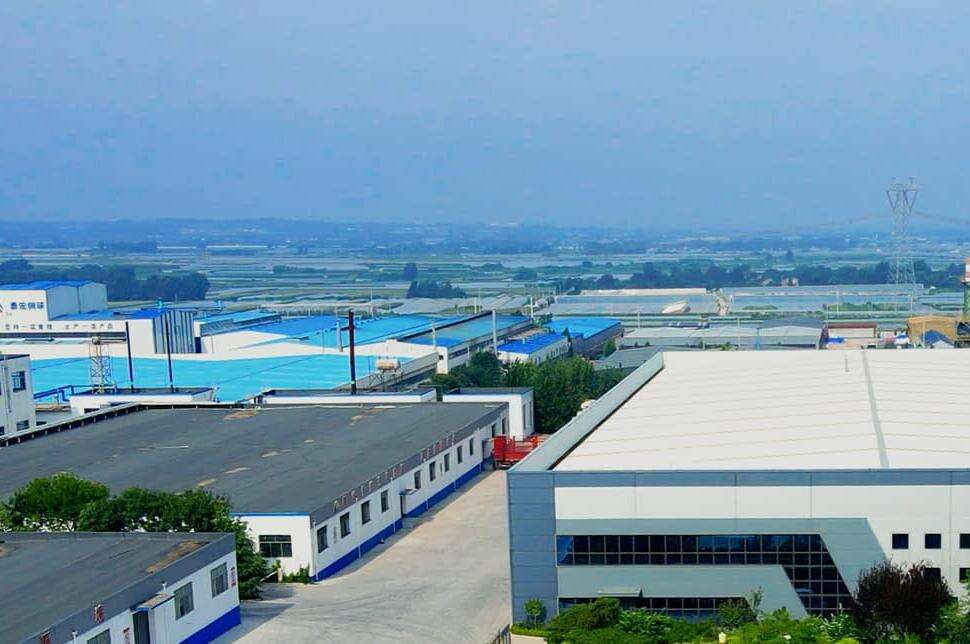
pervious rubber pavement
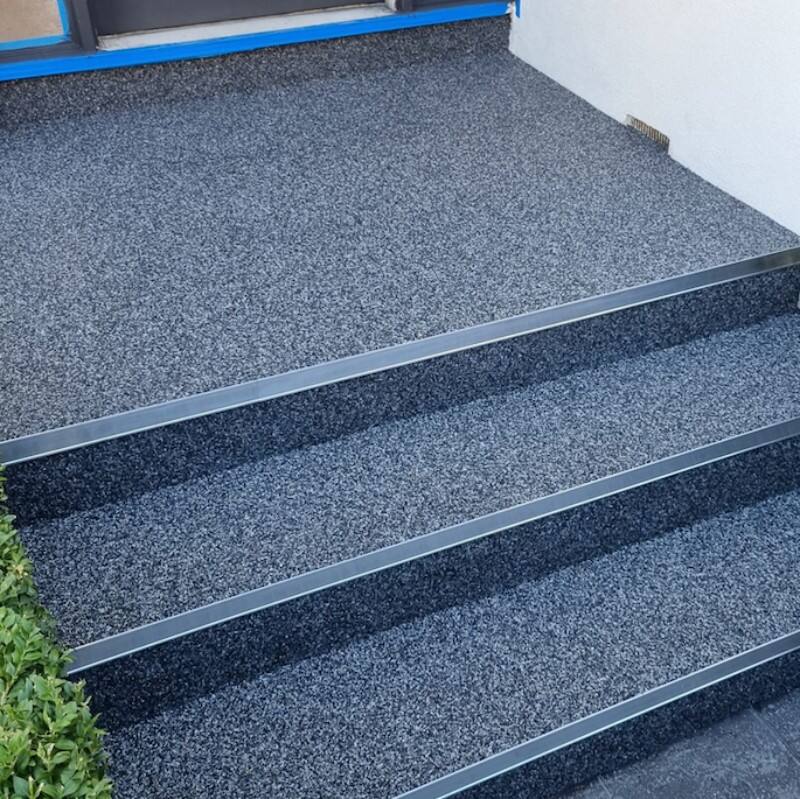
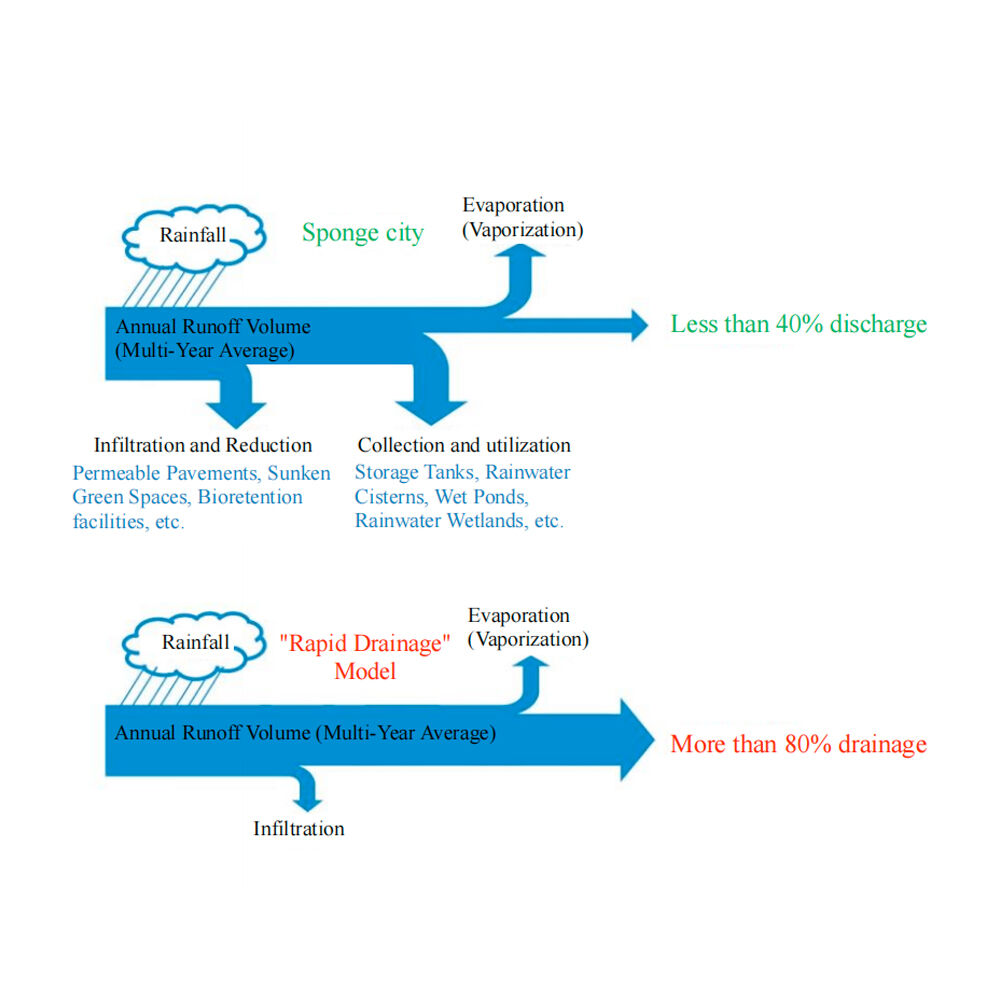
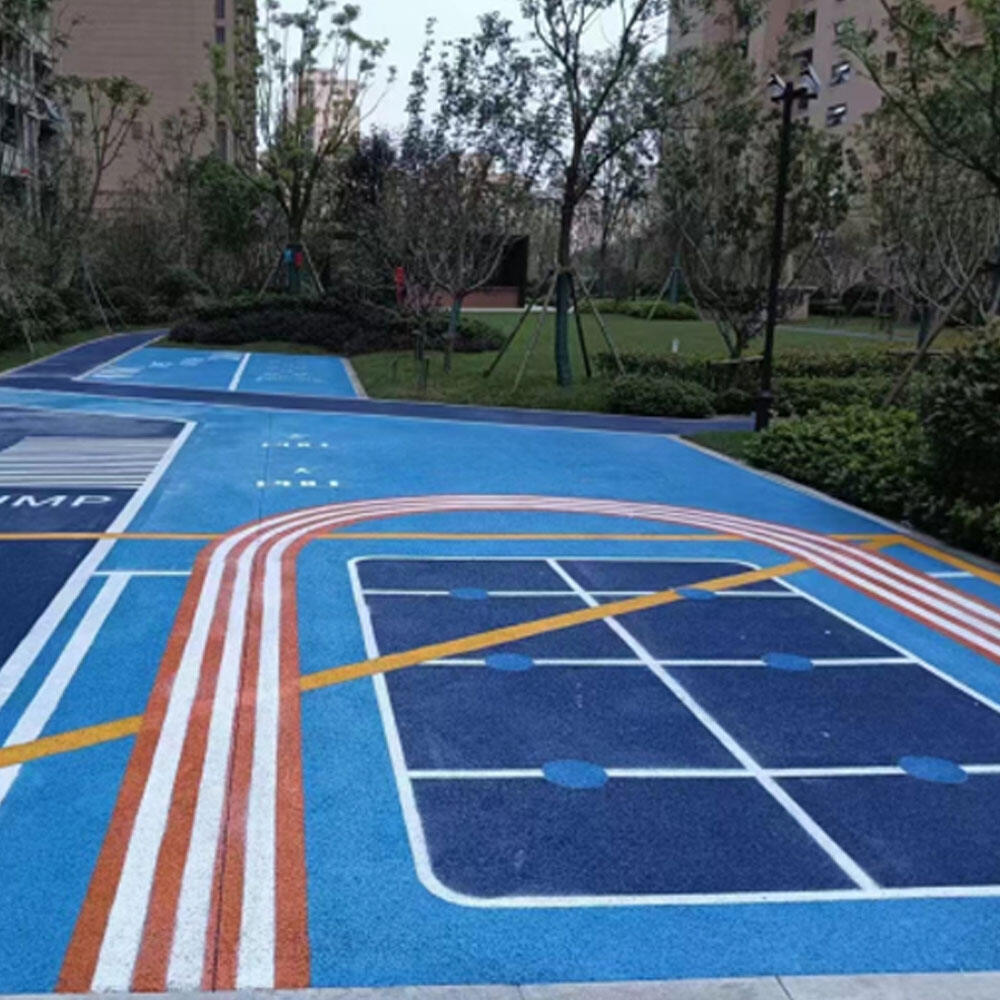
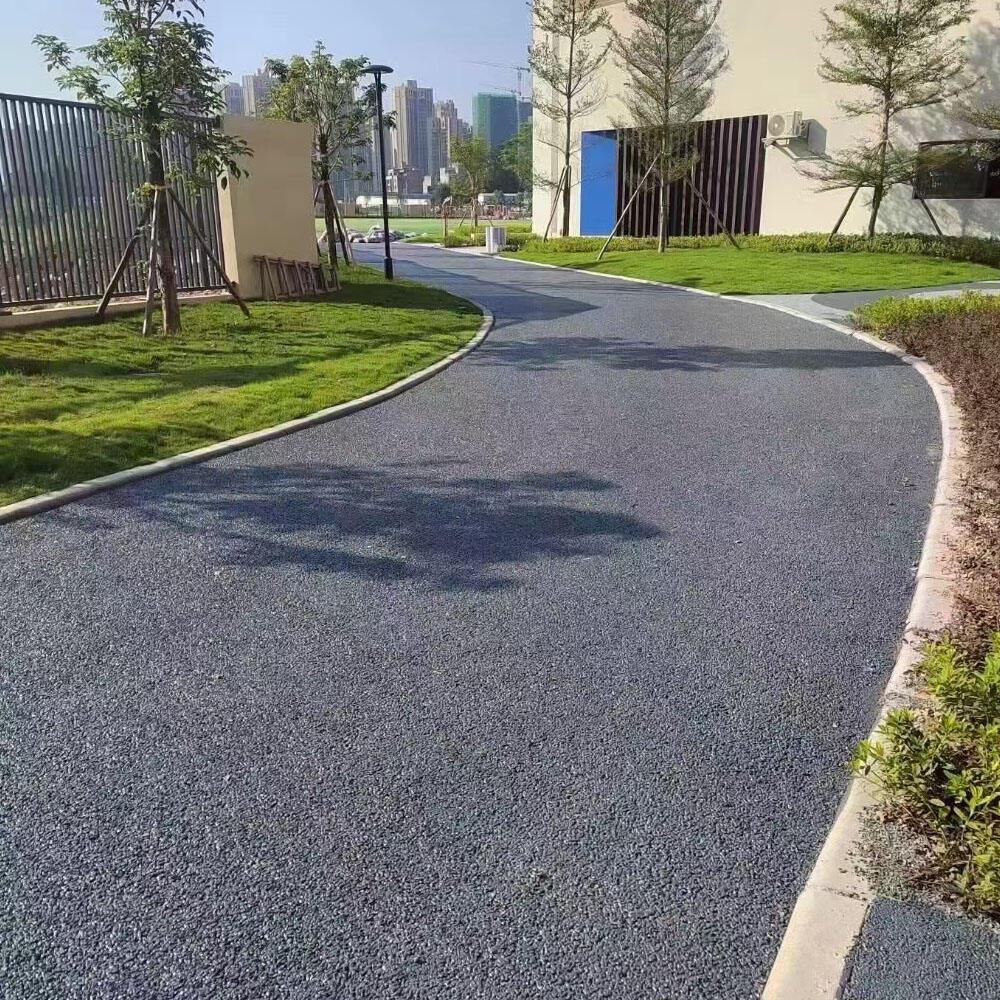
Pervious rubber pavement represents a revolutionary advancement in sustainable surface technology, combining recycled rubber materials with innovative engineering to create a permeable paving solution. This cutting-edge pavement system integrates recycled tire rubber with specialized binding agents, forming a durable surface that allows water to pass through while maintaining structural integrity. The pervious rubber pavement technology addresses critical urban infrastructure challenges including stormwater management, surface durability, and environmental sustainability. The main functions of pervious rubber pavement encompass water infiltration management, surface traction enhancement, and noise reduction capabilities. The permeable structure enables rainwater to penetrate through the surface, reducing surface runoff and promoting natural groundwater recharge. This functionality proves essential for urban areas facing increasing precipitation and flooding concerns. The technological features of pervious rubber pavement include a carefully engineered pore structure that maintains optimal permeability while ensuring load-bearing capacity. The rubber aggregate composition provides exceptional flexibility and resilience, allowing the surface to withstand temperature fluctuations and heavy traffic loads without cracking or deteriorating. Advanced polymer binders create strong adhesion between rubber particles while preserving the permeable characteristics essential for water management. Applications for pervious rubber pavement span diverse environments including parking lots, walkways, recreational trails, playground surfaces, and low-traffic roadways. Municipal installations benefit from the stormwater management capabilities, while commercial properties appreciate the reduced maintenance requirements and enhanced safety features. Educational institutions and recreational facilities utilize pervious rubber pavement for its shock-absorbing properties and slip-resistant surface characteristics. The installation process involves specialized techniques that ensure proper compaction and surface finishing while maintaining permeability standards throughout the pavement structure.

 EN
EN