Cost-Effective Investment with Multiple Return Benefits
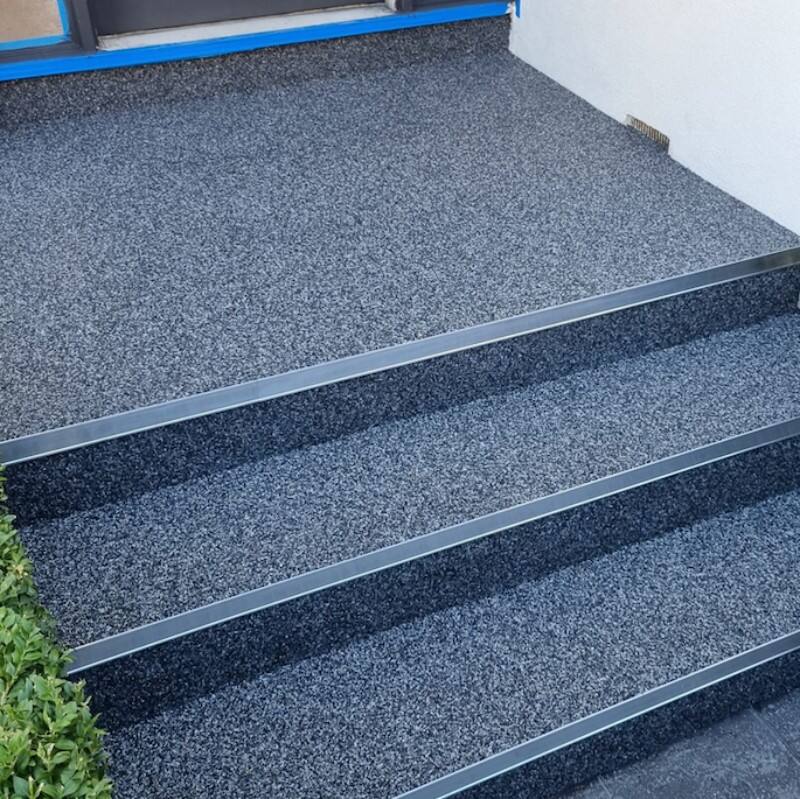
The pervious pavement driveway represents a smart financial investment that provides multiple streams of value return through reduced infrastructure costs, environmental benefits, and enhanced property values. Initial installation costs for a pervious pavement driveway typically compare favorably with high-quality traditional paving options when considering the elimination of separate drainage infrastructure requirements such as catch basins, storm drains, and retention ponds. Property owners save significant money on drainage system installation and ongoing maintenance by choosing a pervious pavement driveway that manages stormwater directly at the source rather than requiring complex collection and conveyance systems. Many municipalities offer financial incentives, tax credits, or reduced stormwater fees for properties that install pervious pavement driveways as part of green infrastructure programs designed to reduce public drainage system burdens. The energy savings associated with pervious pavement driveways contribute to reduced cooling costs during summer months, as the permeable surface remains significantly cooler than traditional asphalt or concrete surfaces that absorb and radiate heat. Long-term maintenance savings accumulate over the pervious pavement driveway lifecycle through reduced need for surface repairs, crack sealing, and resurfacing that typically plague conventional driveways within 5-10 years of installation. Insurance benefits may be available for properties with pervious pavement driveways in flood-prone areas, as these systems demonstrably reduce flood risk and property damage potential during severe weather events. The pervious pavement driveway adds measurable value to properties through its sustainability credentials, increasingly important to environmentally conscious buyers who prioritize green building features. Return on investment calculations for pervious pavement driveways often show positive returns within 8-12 years through combined savings on maintenance, utilities, municipal fees, and increased property values, making this technology an economically sound choice for forward-thinking property owners.
 EN
EN