Environmental Sustainability and Ecosystem Enhancement Benefits
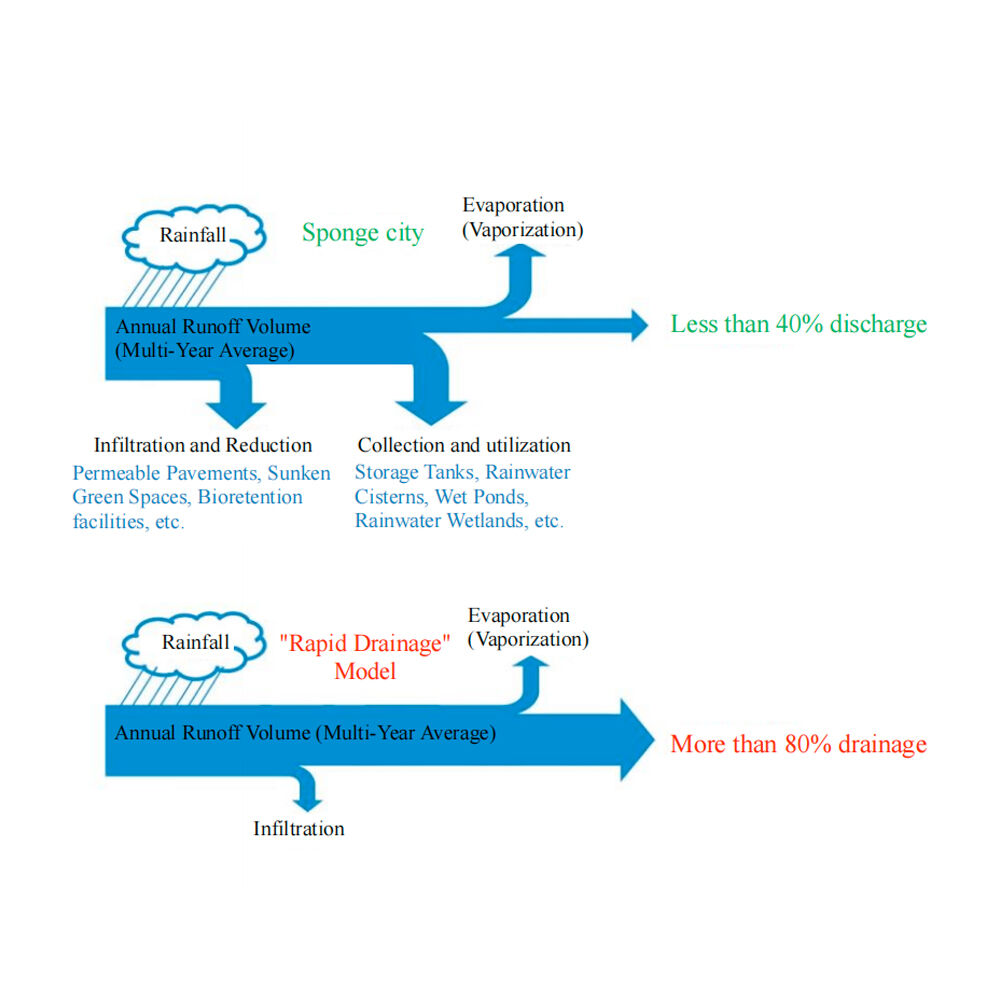
The environmental advantages of waterproof permeable pavement extend far beyond basic stormwater management to encompass comprehensive ecosystem enhancement and sustainability benefits that support long-term environmental health. This innovative paving technology actively contributes to carbon footprint reduction through decreased manufacturing energy requirements, reduced transportation needs for drainage infrastructure, and support for natural vegetation growth that sequesters atmospheric carbon dioxide. The infiltration process naturally filters contaminants including oils, heavy metals, and chemical pollutants from stormwater runoff, preventing these harmful substances from entering local waterways, groundwater supplies, and sensitive ecological areas. Temperature regulation properties help mitigate urban heat island effects by allowing evapotranspiration through the porous surface structure, creating cooler microclimates that reduce energy consumption for air conditioning and improve outdoor comfort levels. The waterproof permeable pavement system supports biodiversity by maintaining natural water cycles that sustain nearby vegetation, soil organisms, and wildlife habitats that depend on consistent moisture availability. Installation reduces the need for energy-intensive stormwater treatment facilities, concrete drainage channels, and mechanical pumping systems that consume significant electrical power and require ongoing operational costs. The reduced surface runoff minimizes soil erosion, stream bank degradation, and sedimentation in water bodies that threaten aquatic ecosystems and water quality. Property developers and municipalities increasingly recognize waterproof permeable pavement as essential infrastructure for achieving green building certifications, environmental compliance standards, and sustainability goals that enhance community reputation and property values. The technology supports circular economy principles through its use of recycled materials, extended service life, and end-of-life recyclability that reduces waste generation and resource consumption. Long-term studies demonstrate measurable improvements in local water quality, reduced flooding frequency, and enhanced environmental resilience in areas where waterproof permeable pavement replaces traditional impervious surfaces.



 EN
EN