aerogel waterproof
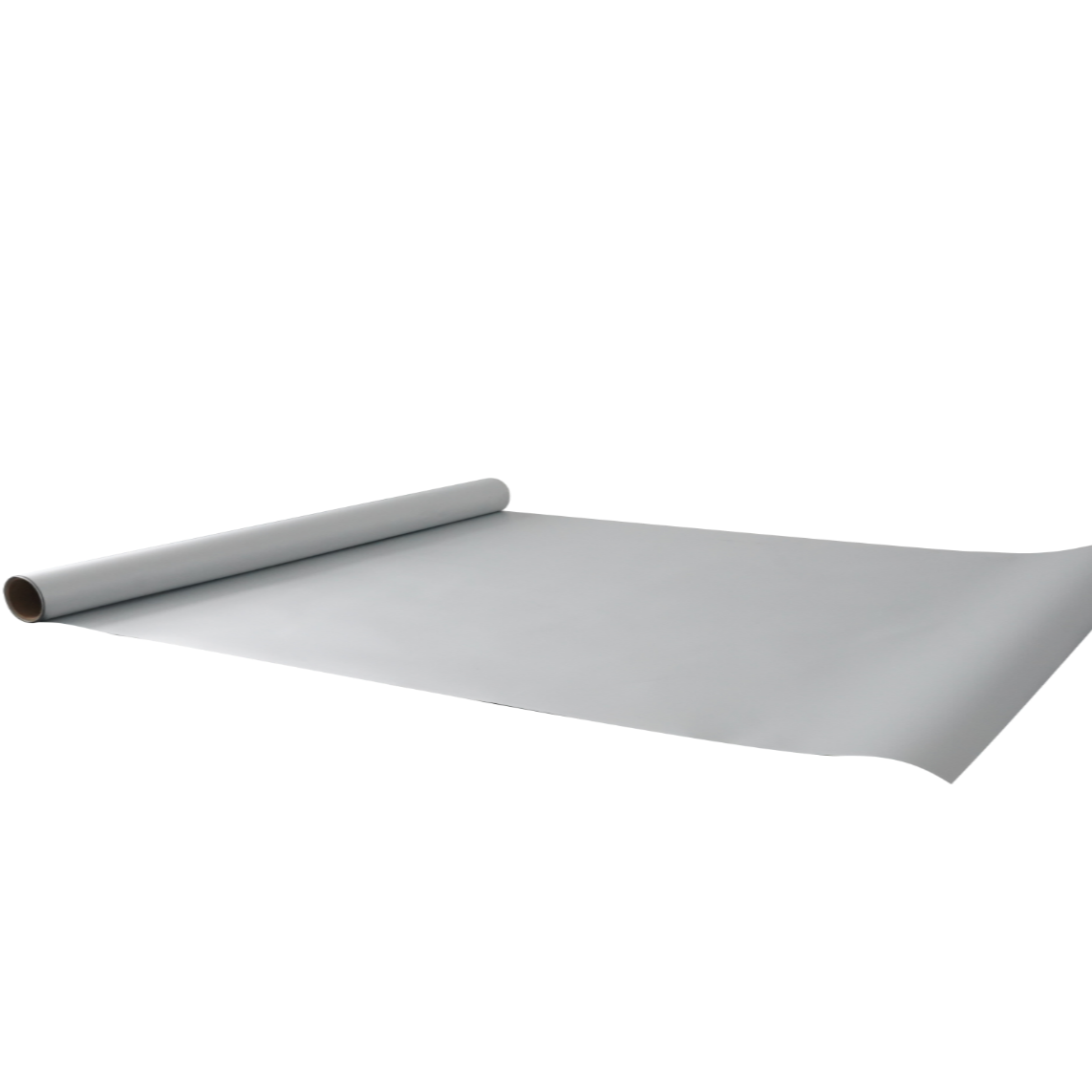
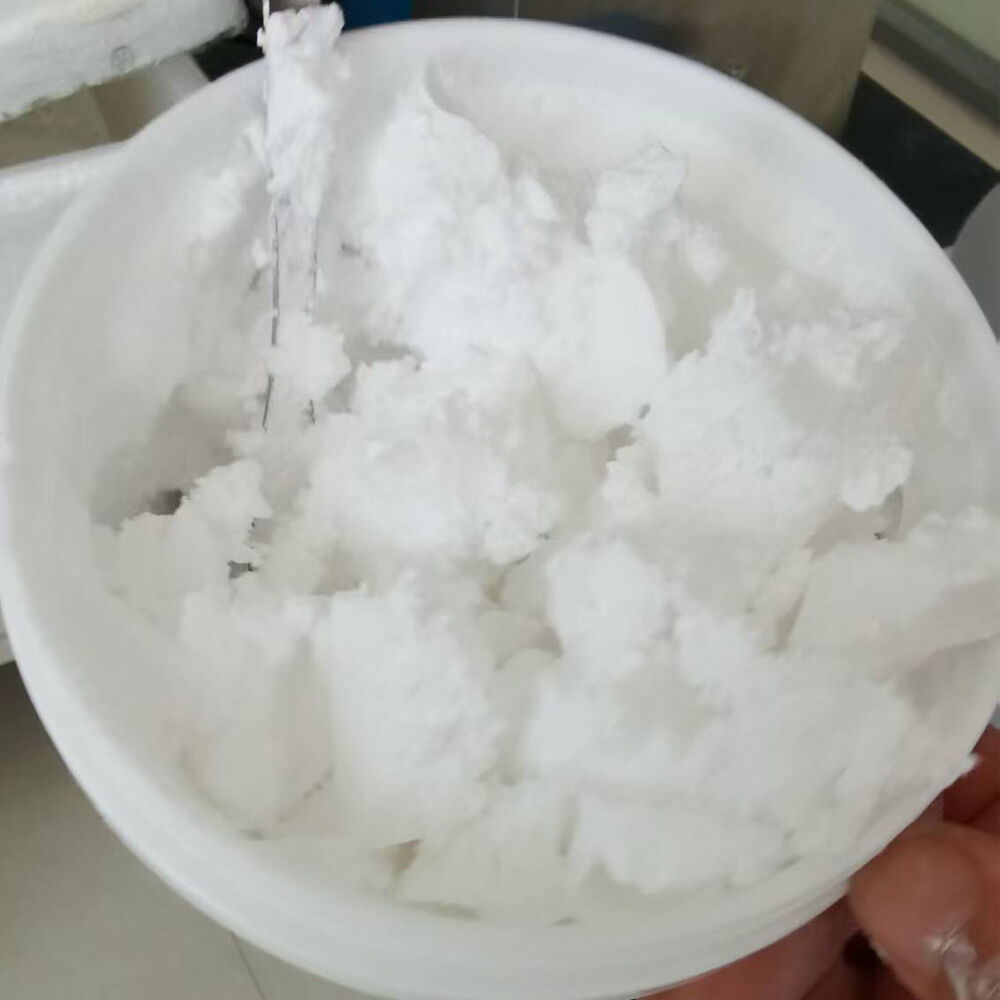
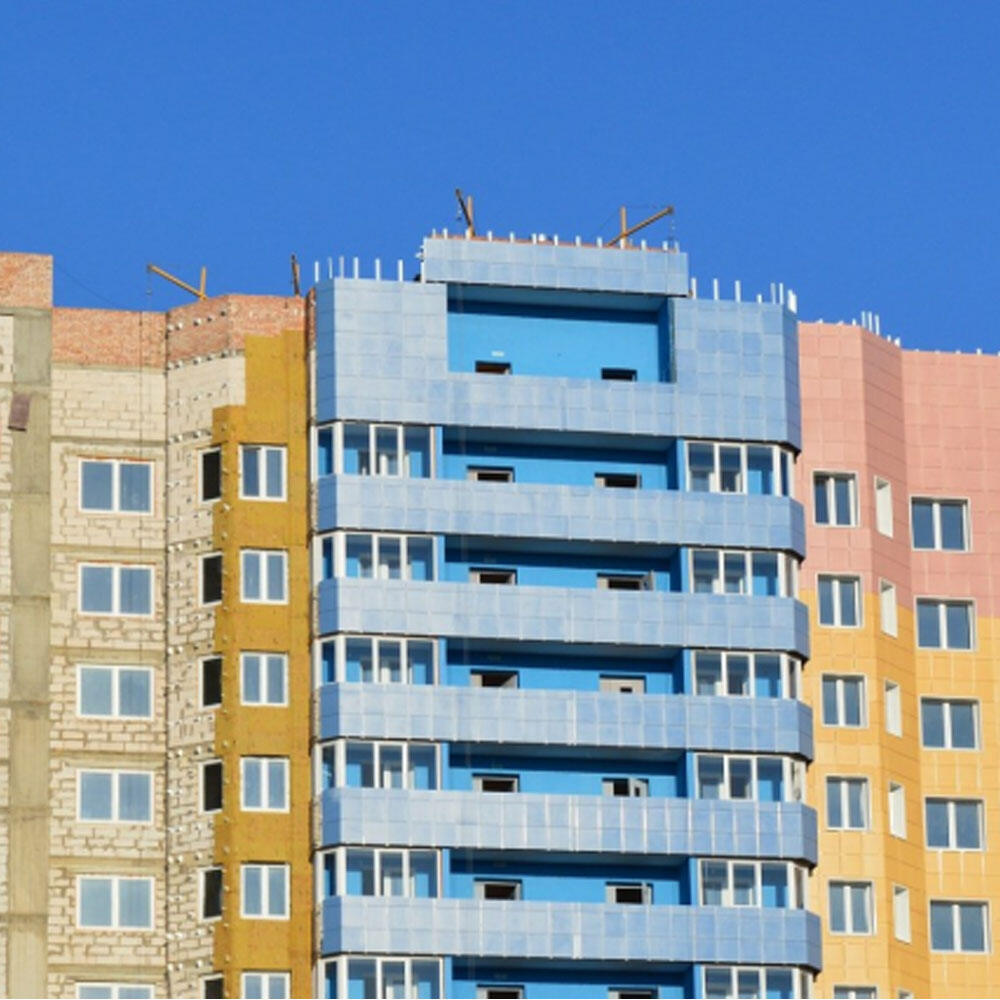
Aerogel waterproof technology represents a groundbreaking advancement in materials science, combining the remarkable properties of aerogel with superior moisture protection capabilities. This innovative solution creates an ultra-lightweight, highly porous material that maintains exceptional waterproof performance while delivering outstanding thermal insulation properties. The aerogel waterproof system utilizes a unique three-dimensional network structure composed of interconnected silica particles, forming a solid matrix with up to 99% air content by volume. This extraordinary composition enables the material to achieve both hydrophobic characteristics and exceptional thermal resistance simultaneously. The manufacturing process involves creating a gel structure through sol-gel chemistry, followed by supercritical drying that removes liquid while preserving the delicate porous architecture. The resulting aerogel waterproof material exhibits remarkable versatility across multiple industries, from aerospace applications where weight reduction is critical to building construction where energy efficiency matters most. Key technological features include nano-scale pore structures that prevent water penetration while allowing vapor transmission, ensuring breathability without compromising protection. The material demonstrates exceptional durability under extreme temperature conditions, maintaining its waterproof integrity from -200°C to 650°C, making it suitable for harsh environmental applications. Primary applications span across outdoor textiles, protective clothing, building insulation systems, marine equipment, and industrial components requiring both waterproof protection and thermal management. The aerogel waterproof technology also offers excellent acoustic dampening properties, reducing noise transmission while providing moisture barriers. Its low thermal conductivity, typically ranging from 0.013 to 0.025 W/mK, surpasses traditional insulation materials significantly. Manufacturing flexibility allows for various forms including blankets, panels, granules, and custom-shaped components, enabling seamless integration into diverse product designs and architectural specifications.

 EN
EN