Advanced Aerogel Thermal Coating: Superior Insulation Technology for Maximum Energy Efficiency

All Categories

Get a Free Quote

Our representative will contact you soon.
Email
Mobile/WhatsApp
Name
Company Name
Message
0/1000

aerogel thermal coating

Aerogel thermal coating represents a revolutionary advancement in insulation technology, combining the exceptional thermal properties of aerogel materials with practical coating applications. This innovative solution delivers outstanding thermal protection through its unique nanoporous structure, which contains up to 99% air while maintaining solid material integrity. The primary function of aerogel thermal coating centers on providing superior thermal insulation performance across extreme temperature ranges, from cryogenic applications to high-heat industrial environments. The coating effectively minimizes heat transfer through conduction, convection, and radiation, making it an ideal solution for energy conservation and temperature control applications. Technologically, aerogel thermal coating features an ultra-low thermal conductivity coefficient, typically ranging from 0.013 to 0.025 W/mK, significantly outperforming traditional insulation materials. The coating maintains its insulating properties even under mechanical stress and environmental exposure, demonstrating remarkable durability and longevity. Its hydrophobic characteristics ensure moisture resistance, preventing performance degradation in humid conditions. The application versatility of aerogel thermal coating spans multiple industries, including aerospace, automotive, construction, marine, and industrial processing sectors. In aerospace applications, the coating provides critical thermal protection for spacecraft and aircraft components exposed to extreme temperatures. The construction industry utilizes aerogel thermal coating for building envelope improvements, enhancing energy efficiency while reducing material thickness requirements. Industrial facilities employ this coating technology for pipeline insulation, equipment protection, and process optimization. The coating can be applied through various methods, including spray application, brush coating, and roll-on techniques, accommodating different project requirements and surface geometries. Manufacturing processes have evolved to ensure consistent quality and performance characteristics across different batch productions. Environmental sustainability considerations make aerogel thermal coating an attractive option for green building initiatives and energy reduction programs, contributing to reduced carbon footprints and operational cost savings.

New Products

Aerogel thermal coating delivers exceptional energy savings by dramatically reducing heat loss and gain, resulting in lower heating and cooling costs for building owners and industrial operators. The superior insulation performance means facilities require less energy to maintain desired temperatures, translating directly into reduced utility bills and operational expenses. Property managers and facility operators experience significant cost reductions, often seeing payback periods of just two to three years through energy savings alone. The coating creates effective thermal barriers that maintain consistent indoor temperatures, improving comfort levels for occupants while reducing strain on HVAC systems. Space efficiency represents another major advantage, as aerogel thermal coating provides outstanding insulation performance in remarkably thin applications, typically requiring only millimeters of material thickness compared to centimeters needed for conventional insulation. This space-saving characteristic proves invaluable in applications where dimensional constraints limit traditional insulation options, allowing designers and engineers greater flexibility in system layouts and equipment placement. Installation simplicity makes aerogel thermal coating accessible to contractors and maintenance teams without requiring specialized equipment or extensive training programs. The coating applies easily using standard application methods, reducing labor costs and project timelines compared to complex insulation installation procedures. Maintenance requirements remain minimal once properly applied, as the coating resists degradation from environmental exposure, mechanical wear, and temperature cycling. Long-term performance stability ensures consistent thermal protection over extended service periods, eliminating the need for frequent replacement or maintenance interventions that plague traditional insulation materials. Chemical resistance properties protect the coating from industrial environments containing acids, bases, and solvents, maintaining performance integrity where other materials would deteriorate rapidly. Fire resistance characteristics provide additional safety benefits, as aerogel thermal coating typically exhibits excellent fire-retardant properties without releasing toxic gases during exposure to high temperatures. Weather resistance ensures outdoor applications maintain their insulating properties despite exposure to rain, snow, UV radiation, and temperature fluctuations, making the coating suitable for external building applications and outdoor industrial equipment. Versatile application methods accommodate various surface types and geometries, from flat panels to complex curved surfaces and intricate equipment configurations, providing design freedom that rigid insulation systems cannot match.

Latest News

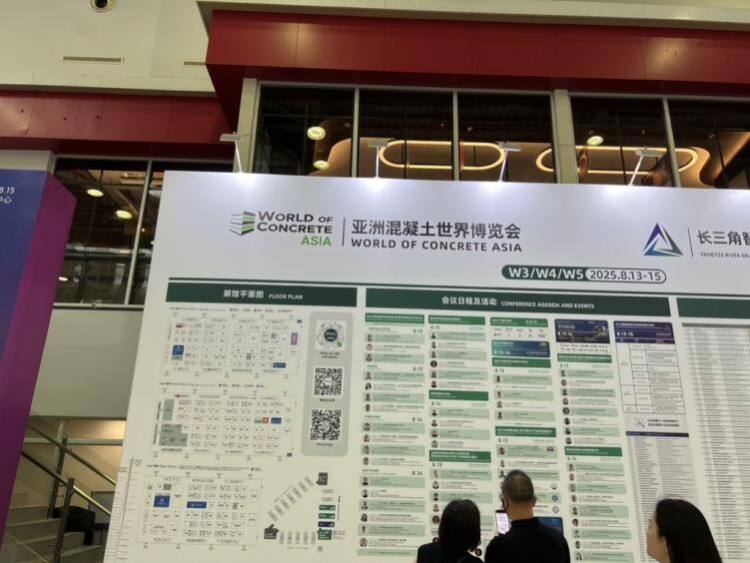
Shandong Huacheng High-Tech Participates in WORLD OF CONCRETE ASIA 2025 in Shanghai

25

Feb

Shandong Huacheng High-Tech Participates in WORLD OF CONCRETE ASIA 2025 in Shanghai

View More
Shandong Huacheng High-Tech Shines at CHINACOAT 2025 Shanghai

25

Feb

Shandong Huacheng High-Tech Shines at CHINACOAT 2025 Shanghai

View More
Huacheng High-Tech Recognized as Provincial Enterprise Technology Center by Shandong Province

27

Feb

Huacheng High-Tech Recognized as Provincial Enterprise Technology Center by Shandong Province

View More

Get a Free Quote

Our representative will contact you soon.
Email
Mobile/WhatsApp
Name
Company Name
Message
0/1000

aerogel thermal coating

Ultra-Low Thermal Conductivity Performance

Ultra-Low Thermal Conductivity Performance

The exceptional thermal conductivity performance of aerogel thermal coating sets it apart from all conventional insulation materials, delivering thermal resistance values that exceed traditional options by factors of three to five times. This remarkable performance stems from the unique nanoporous structure of aerogel materials, where interconnected air pockets create an extremely effective barrier to heat transfer through all three mechanisms: conduction, convection, and radiation. The thermal conductivity coefficient typically ranges between 0.013 and 0.025 watts per meter-kelvin, representing some of the lowest values achievable in practical insulation applications. This superior performance translates into immediate benefits for customers seeking maximum energy efficiency with minimal material thickness requirements. Industrial applications particularly benefit from this exceptional thermal performance, as equipment operating at extreme temperatures requires reliable thermal protection to maintain process efficiency and worker safety. The coating effectively prevents heat loss in high-temperature applications while providing excellent thermal protection in cryogenic environments, demonstrating versatility across the complete temperature spectrum. Customers experience reduced energy consumption for heating and cooling systems, as the enhanced thermal resistance significantly decreases unwanted heat transfer through building envelopes, equipment surfaces, and piping systems. The performance consistency of aerogel thermal coating remains stable across varying environmental conditions, ensuring reliable thermal protection regardless of humidity levels, temperature fluctuations, or mechanical stress. Long-term testing demonstrates that thermal performance characteristics remain virtually unchanged over decades of service, providing customers with predictable energy savings and performance reliability. This stability eliminates concerns about thermal performance degradation that commonly affect other insulation materials, particularly in challenging industrial environments or extreme climate conditions. Engineering calculations show that specifying aerogel thermal coating often allows designers to reduce overall system complexity while achieving superior thermal performance targets, simplifying project execution and reducing material costs across multiple building systems.
Space-Efficient Installation Solutions

Space-Efficient Installation Solutions

Aerogel thermal coating revolutionizes space utilization in thermal insulation applications by delivering exceptional performance in extremely thin layers, typically requiring only 3-10 millimeters of material thickness to achieve thermal resistance values that would demand 50-100 millimeters of conventional insulation materials. This space efficiency advantage proves transformative for customers working within tight dimensional constraints, particularly in retrofitting existing buildings, upgrading industrial equipment, or designing compact systems where every millimeter matters. The thin profile characteristics enable installation in locations where traditional bulk insulation would be impractical or impossible, opening new possibilities for thermal protection in confined spaces, narrow gaps, and complex geometries. Customers benefit from increased usable space within buildings, as thinner wall assemblies provide more interior floor area without sacrificing thermal performance requirements. Industrial facilities gain operational advantages through the ability to insulate equipment and piping systems without significantly increasing clearance requirements or interfering with maintenance access. The coating conforms to irregular surfaces and complex shapes, eliminating the need for custom-fabricated insulation pieces that increase material costs and installation complexity. Application flexibility allows aerogel thermal coating to be used on curved surfaces, corners, penetrations, and other challenging geometries where rigid insulation panels would require extensive cutting and fitting. Transportation and logistics costs decrease substantially due to the reduced material volume required for equivalent thermal performance, particularly beneficial for large-scale projects or remote installation sites. Storage requirements become minimal compared to bulky traditional insulation materials, reducing warehousing costs and site preparation requirements for contractors and project managers. Installation productivity increases significantly as workers can cover larger surface areas more quickly with spray or roll-on application methods compared to the time-intensive process of installing multiple layers of conventional insulation materials. The reduced material thickness also simplifies coordination between trades, as mechanical, electrical, and plumbing systems require less accommodation for insulation clearances during design and construction phases.
Versatile Multi-Environment Applications

Versatile Multi-Environment Applications

The remarkable versatility of aerogel thermal coating enables successful deployment across diverse environmental conditions and application requirements, making it an invaluable solution for customers operating in varied climatic zones, industrial settings, and specialized applications. This adaptability stems from the inherent stability of aerogel materials, which maintain their thermal properties across extreme temperature ranges from cryogenic conditions below -200°C to high-temperature applications exceeding 1000°C. Customers benefit from a single coating solution that addresses multiple thermal protection needs across different equipment types, building systems, and environmental exposures. Marine applications demonstrate the coating's exceptional moisture resistance, as it continues providing effective thermal insulation even when exposed to saltwater environments, high humidity, and temperature cycling that would compromise traditional insulation materials. Chemical processing facilities utilize aerogel thermal coating for equipment protection in environments containing corrosive chemicals, where the coating's chemical inertness ensures long-term performance without degradation. The coating's fire resistance properties make it suitable for applications requiring enhanced safety measures, as it maintains structural integrity and insulating performance during fire exposure while emitting minimal smoke or toxic gases. Outdoor applications benefit from excellent UV resistance and weather durability, ensuring consistent performance despite prolonged exposure to sunlight, rain, snow, and temperature variations. Customers in the aerospace industry rely on aerogel thermal coating for applications ranging from cryogenic fuel system insulation to high-temperature engine component protection, demonstrating performance reliability in the most demanding operational environments. Building envelope applications show consistent performance across different climate zones, from arctic conditions to tropical environments, providing customers with confidence in year-round energy efficiency and comfort control. Food processing facilities utilize the coating for maintaining temperature-controlled environments while meeting strict hygiene requirements, as the smooth, cleanable surface resists bacterial growth and facilitates sanitization procedures. Electronics applications benefit from the coating's electrical insulation properties combined with thermal protection, enabling thermal management solutions for sensitive equipment operating in extreme environments.

Get a Free Quote

Our representative will contact you soon.
Email
Mobile/WhatsApp
Name
Company Name
Message
0/1000