anti skid industrial coating
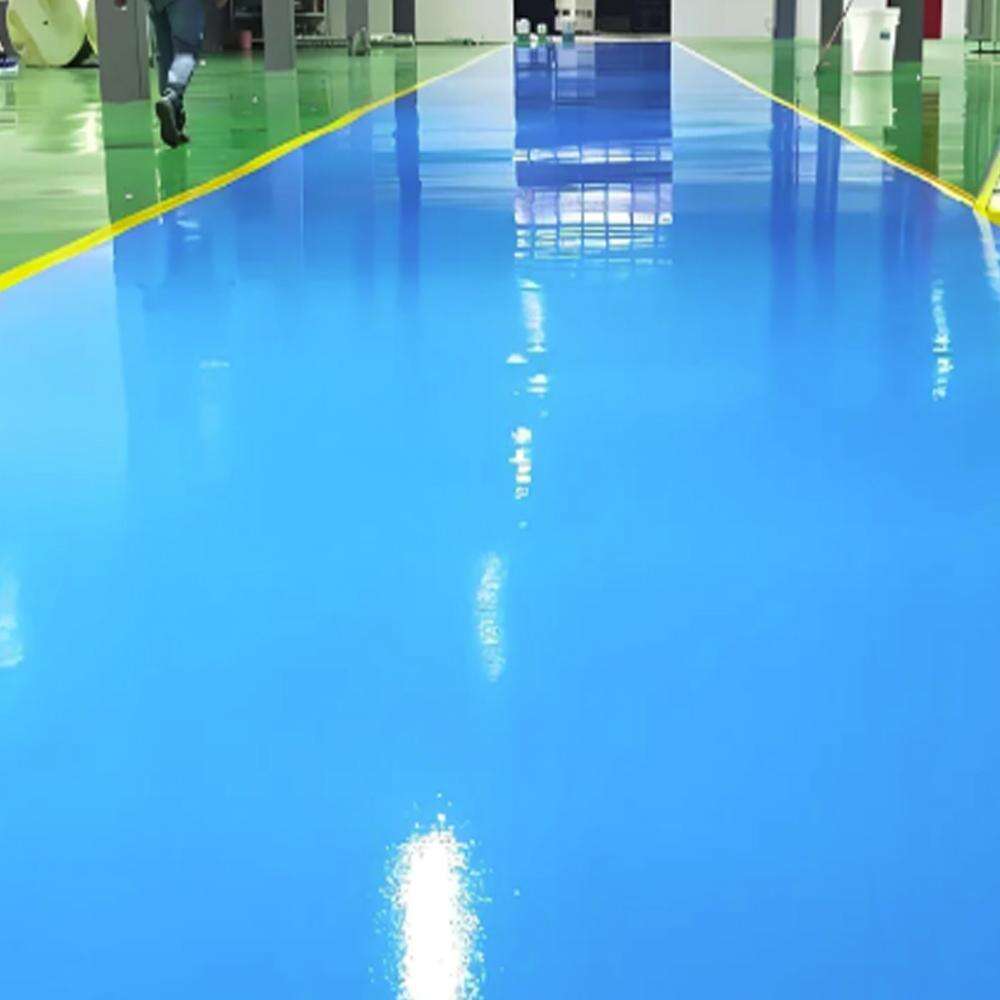
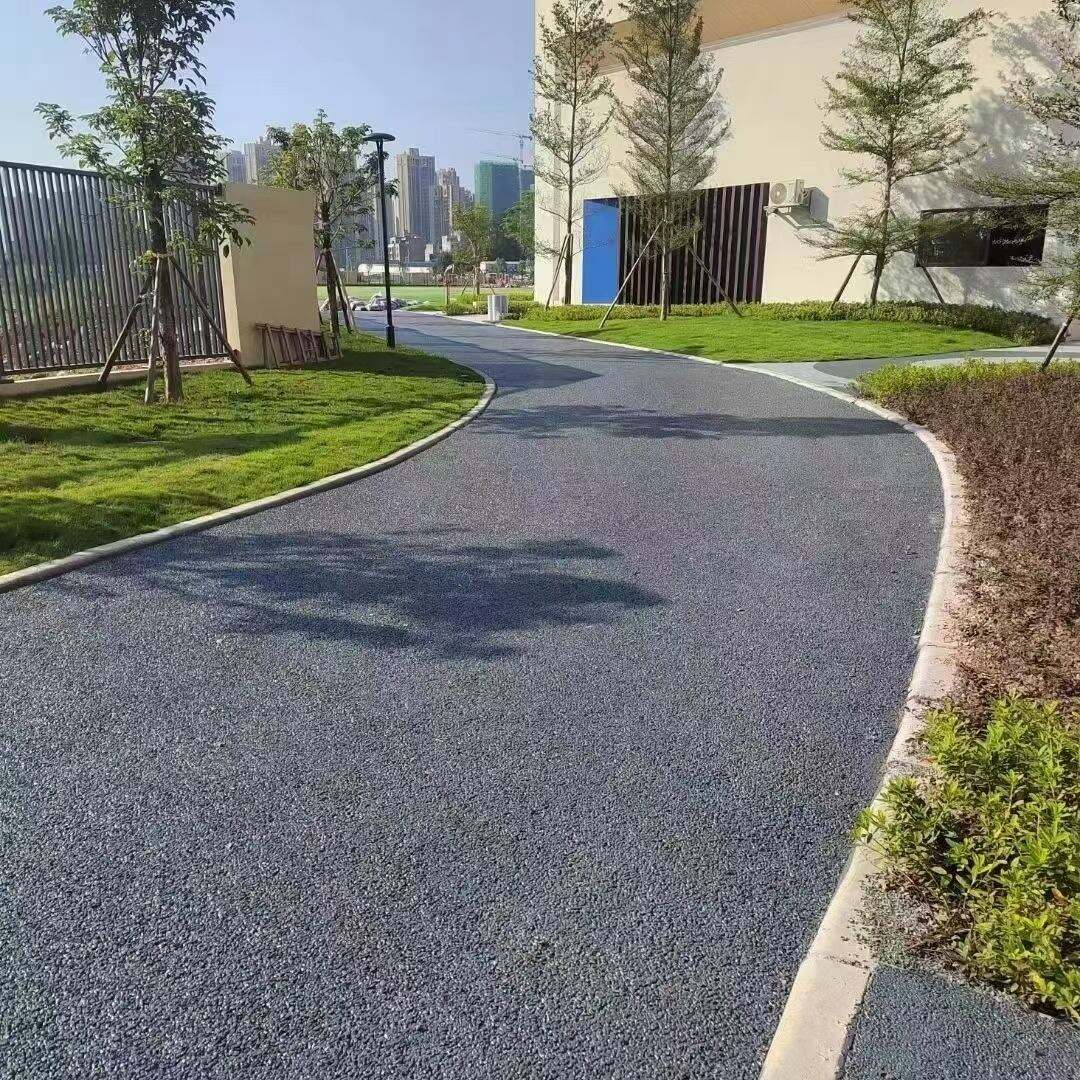
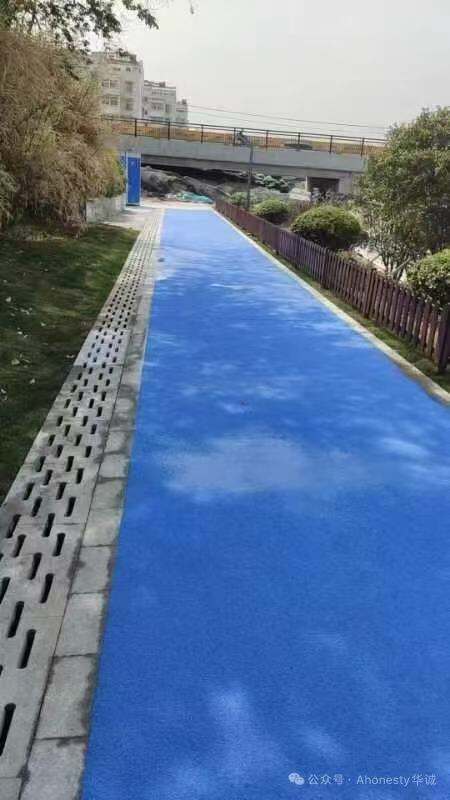
Anti skid industrial coating represents a revolutionary surface treatment solution designed to enhance workplace safety and operational efficiency across various industrial environments. This specialized coating system creates a textured, non-slip surface that significantly reduces the risk of accidents caused by slippery conditions. The anti skid industrial coating incorporates advanced polymer technology combined with specially selected aggregates to deliver superior grip and traction on floors, walkways, ramps, and other critical surfaces. The coating system works by creating microscopic surface irregularities that increase friction between footwear or equipment wheels and the treated surface. Modern anti skid industrial coating formulations utilize cutting-edge resin chemistry, including epoxy, polyurethane, and acrylic-based systems, each engineered to meet specific performance requirements. The technological features of anti skid industrial coating include excellent adhesion properties, chemical resistance, and durability under heavy traffic conditions. These coatings can withstand exposure to oils, solvents, acids, and alkaline substances commonly found in industrial settings. The application process involves surface preparation, primer application when necessary, and the careful distribution of the anti skid industrial coating material to achieve uniform thickness and texture. Applications span manufacturing facilities, warehouses, loading docks, food processing plants, chemical facilities, automotive workshops, and marine environments. The versatility of anti skid industrial coating makes it suitable for both interior and exterior installations, with weather-resistant formulations available for outdoor applications. Temperature resistance capabilities allow these coatings to perform reliably in extreme conditions, from freezing cold storage areas to high-temperature industrial processes. The anti skid industrial coating system can be customized with different aggregate sizes and coating thicknesses to achieve varying levels of slip resistance based on specific operational requirements.



 EN
EN