Premium Anti Skid Road Marking Solutions - Enhanced Safety & Traction for All Weather Conditions

All Categories

Get a Free Quote

Our representative will contact you soon.
Email
Mobile/WhatsApp
Name
Company Name
Message
0/1000

anti skid road marking

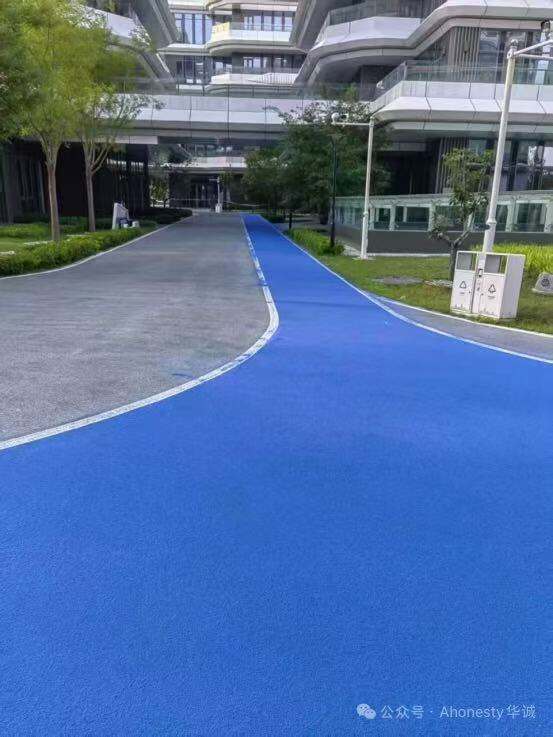
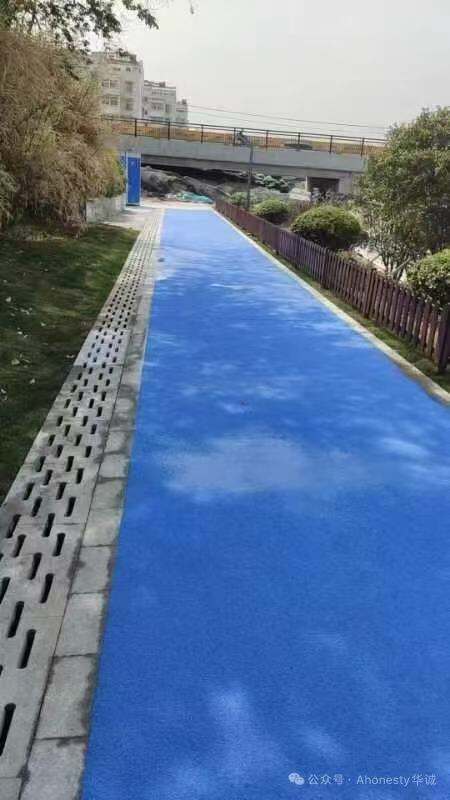
Anti skid road marking represents a revolutionary advancement in traffic safety infrastructure, combining traditional road marking functionality with enhanced grip technology to create safer driving environments. These specialized markings incorporate various materials and techniques designed to increase friction between vehicle tires and road surfaces, particularly in challenging weather conditions or high-risk areas. The primary function of anti skid road marking extends beyond simple visual guidance, actively contributing to accident prevention through improved traction and vehicle control. Modern anti skid road marking systems utilize thermoplastic compounds, epoxy resins, and aggregate materials that create textured surfaces with superior grip properties. The technological foundation relies on carefully selected materials that maintain their effectiveness across diverse temperature ranges and weather conditions. Installation techniques vary depending on specific requirements, including spray application methods, preformed tape systems, and hot-applied thermoplastic solutions. These marking systems demonstrate exceptional durability, withstanding heavy traffic loads while maintaining their anti-slip characteristics over extended periods. The integration of retroreflective elements ensures optimal visibility during nighttime conditions, combining safety enhancement with clear navigation guidance. Anti skid road marking applications span numerous environments, from highway curve sections and intersection approaches to pedestrian crossings and bus stop areas. Airport runways, industrial facilities, and parking structures also benefit from these specialized marking systems. The technology addresses specific challenges related to wet weather driving, where traditional road surfaces become significantly more hazardous. Environmental considerations play a crucial role in modern anti skid road marking development, with manufacturers focusing on sustainable materials and application processes. Quality control measures ensure consistent performance standards across different installation projects, maintaining reliable friction coefficients and longevity expectations. The evolution of anti skid road marking continues through ongoing research into advanced materials, application techniques, and integration with smart transportation systems.

Popular Products

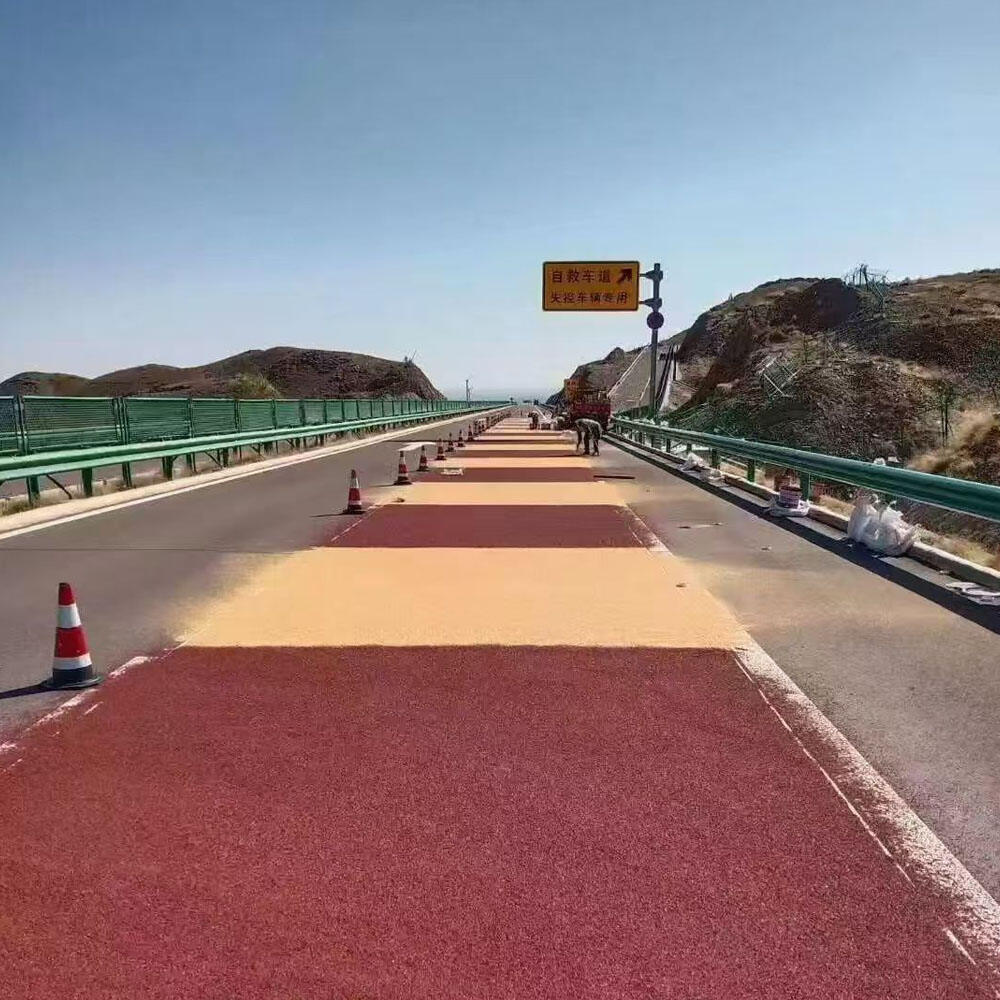
Anti skid road marking delivers substantial benefits that directly impact driver safety and operational efficiency across various transportation environments. The most significant advantage lies in dramatic accident reduction, as these specialized markings provide enhanced traction exactly where vehicles need it most. Studies consistently demonstrate that properly installed anti skid road marking systems reduce collision rates by up to 70 percent in high-risk locations such as sharp curves, intersection approaches, and bridge surfaces. This remarkable safety improvement translates into reduced insurance claims, lower maintenance costs for fleet operators, and most importantly, fewer injuries and fatalities on our roadways. The enhanced grip performance remains effective across diverse weather conditions, maintaining traction during rain, snow, and ice formation when traditional road surfaces become treacherous. Installation flexibility represents another major advantage, as anti skid road marking can be applied to existing infrastructure without requiring extensive reconstruction projects. This cost-effective approach allows transportation authorities to upgrade safety standards efficiently while working within budget constraints. The marking systems adapt to various surface types including asphalt, concrete, and steel, making them suitable for bridges, tunnels, and specialized industrial applications. Maintenance requirements remain minimal compared to alternative safety solutions, with properly installed anti skid road marking systems maintaining effectiveness for five to ten years under normal traffic conditions. The visual impact enhances driver awareness, creating psychological benefits that encourage more cautious driving behavior in treated areas. Color coding options allow for strategic implementation, with different hues indicating specific hazard types or traffic management requirements. Long-term economic benefits extend beyond initial safety improvements, as reduced accident rates contribute to lower infrastructure damage, decreased emergency response costs, and improved traffic flow efficiency. Environmental advantages include reduced tire wear due to improved traction, leading to decreased rubber particulate pollution. The technology supports sustainable transportation initiatives by extending pavement life and reducing the need for frequent resurfacing projects. Integration capabilities with existing traffic management systems provide additional value, supporting smart city initiatives and connected vehicle technologies.

Tips And Tricks

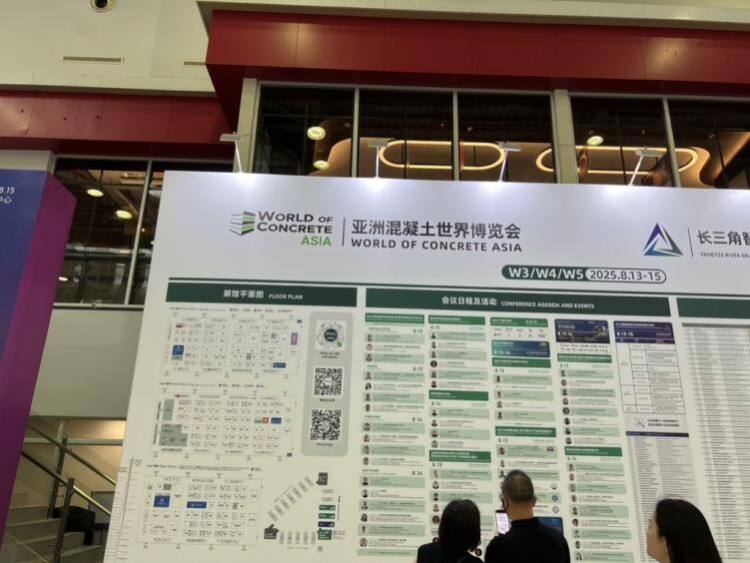
Shandong Huacheng High-Tech Participates in WORLD OF CONCRETE ASIA 2025 in Shanghai

25

Feb

Shandong Huacheng High-Tech Participates in WORLD OF CONCRETE ASIA 2025 in Shanghai

View More
Shandong Huacheng High-Tech Shines at CHINACOAT 2025 Shanghai

25

Feb

Shandong Huacheng High-Tech Shines at CHINACOAT 2025 Shanghai

View More
Huacheng High-Tech Recognized as Provincial Enterprise Technology Center by Shandong Province

27

Feb

Huacheng High-Tech Recognized as Provincial Enterprise Technology Center by Shandong Province

View More

Get a Free Quote

Our representative will contact you soon.
Email
Mobile/WhatsApp
Name
Company Name
Message
0/1000

anti skid road marking

Superior Weather Performance and All-Season Reliability

Superior Weather Performance and All-Season Reliability

The exceptional weather performance of anti skid road marking sets it apart from conventional road surface treatments, delivering consistent traction enhancement across all seasonal conditions. This advanced marking system maintains its grip characteristics even when temperatures drop below freezing or when surfaces become wet from rain or morning dew. The secret lies in the carefully engineered aggregate materials and binding compounds that create micro-texture patterns designed to channel water away from tire contact points while simultaneously providing multiple friction surfaces. During winter months, when traditional road markings become virtually useless due to ice formation, anti skid road marking continues to offer valuable traction assistance. The thermal properties of these specialized materials resist temperature-related expansion and contraction that typically cause standard markings to crack and deteriorate rapidly. UV resistance ensures that the marking materials maintain their structural integrity and performance characteristics even under intense summer heat exposure. The hydrophobic properties of quality anti skid road marking systems prevent water absorption that could lead to freeze-thaw damage during seasonal transitions. Field testing demonstrates that these markings retain over 85 percent of their original friction values after three years of exposure to harsh weather conditions, including snow plowing operations, de-icing chemical applications, and thermal cycling. The aggregate selection process focuses on materials with proven track records for weather resistance, including calcined bauxite, ceramic particles, and specially treated natural aggregates. Quality control procedures verify that each batch of anti skid road marking material meets strict performance standards for wet and dry friction coefficients. Installation timing can be optimized for local climate conditions, but the materials remain workable across a wide temperature range, allowing for year-round application in most geographic regions. The long-term reliability of anti skid road marking in challenging weather conditions provides transportation authorities with confidence in their infrastructure investments, knowing that safety improvements will remain effective regardless of seasonal variations.
Cost-Effective Safety Enhancement with Rapid Installation

Cost-Effective Safety Enhancement with Rapid Installation

Anti skid road marking delivers exceptional value through its combination of rapid installation capabilities and long-term cost effectiveness, making it an ideal solution for transportation authorities working with limited budgets and tight project timelines. The installation process typically requires minimal traffic disruption, often completed during off-peak hours or with simple lane closure procedures rather than extensive road reconstruction projects. Professional crews can install anti skid road marking systems at rates exceeding 1000 linear feet per day, depending on project complexity and site conditions. This efficiency translates into reduced labor costs, shorter project durations, and minimized impact on daily traffic patterns. The economic benefits extend far beyond initial installation savings, as anti skid road marking systems demonstrate remarkable longevity compared to alternative safety enhancement methods. While traditional road improvements might require replacement or major maintenance within two to three years, quality anti skid road marking installations maintain their effectiveness for five to ten years under normal traffic conditions. The cost per safety improvement year becomes exceptionally attractive when calculated over the full service life of these marking systems. Maintenance requirements remain minimal throughout the service period, typically involving only periodic cleaning and minor touch-up applications rather than complete reinstallation. The return on investment becomes apparent within the first year of installation, as accident reduction rates directly correlate with decreased insurance claims, reduced emergency response costs, and lower infrastructure damage expenses. Fleet operators report significant savings in tire replacement costs and vehicle maintenance expenses due to improved traction and reduced wheel spinning incidents. The installation equipment requirements remain relatively simple compared to major construction projects, often utilizing standard road marking trucks with specialized spray systems or heating equipment for thermoplastic applications. Training requirements for installation crews are straightforward, allowing contractors to expand their service capabilities without extensive equipment purchases or lengthy certification processes. Project planning benefits from the predictable installation timeline and minimal weather dependencies, enabling transportation authorities to schedule improvements efficiently within annual budget cycles.
Versatile Applications Across Multiple Transportation Environments

Versatile Applications Across Multiple Transportation Environments

The remarkable versatility of anti skid road marking systems enables effective implementation across diverse transportation environments, from busy urban intersections to specialized industrial facilities, each benefiting from customized friction enhancement solutions. Highway applications represent the most common deployment scenario, where anti skid road marking proves invaluable at locations such as sharp curves, steep grades, and merge areas where vehicles require additional traction for safe navigation. Bridge approaches and elevated roadway sections benefit significantly from these specialized markings, as these structures often experience unique weather-related challenges including wind exposure, rapid temperature changes, and increased susceptibility to ice formation. Airport runway and taxiway applications demand the highest performance standards, where anti skid road marking systems must withstand extreme loads from aircraft operations while maintaining precise friction coefficients required for safe landing and takeoff procedures. Industrial facility implementations include loading docks, warehouse approaches, and heavy equipment operation zones where improved traction enhances both safety and operational efficiency. Parking structures present unique challenges addressed effectively by anti skid road marking, particularly on entrance and exit ramps where vehicles transition between different grade levels. Public transportation facilities including bus stops, transit centers, and rail station approaches utilize these marking systems to improve pedestrian safety and vehicle maneuvering capabilities. School zones and hospital areas receive priority consideration for anti skid road marking installation due to the critical importance of accident prevention in these sensitive locations. Port facilities and shipping terminals employ specialized anti skid road marking formulations designed to resist chemical exposure from cargo handling operations while maintaining superior grip characteristics for heavy commercial vehicles. The marking systems adapt to various surface substrates including aged concrete, asphalt overlays, steel bridge decking, and specialized industrial flooring materials. Color customization options allow for integration with existing traffic management schemes, regulatory compliance requirements, and aesthetic considerations specific to each application environment. Performance specifications can be tailored to match specific traffic volume expectations, vehicle types, and environmental exposure conditions. Installation techniques vary based on substrate conditions, traffic control requirements, and performance expectations, ensuring optimal results across diverse application scenarios.


Get a Free Quote

Our representative will contact you soon.
Email
Mobile/WhatsApp
Name
Company Name
Message
0/1000