industrial anti skid coating
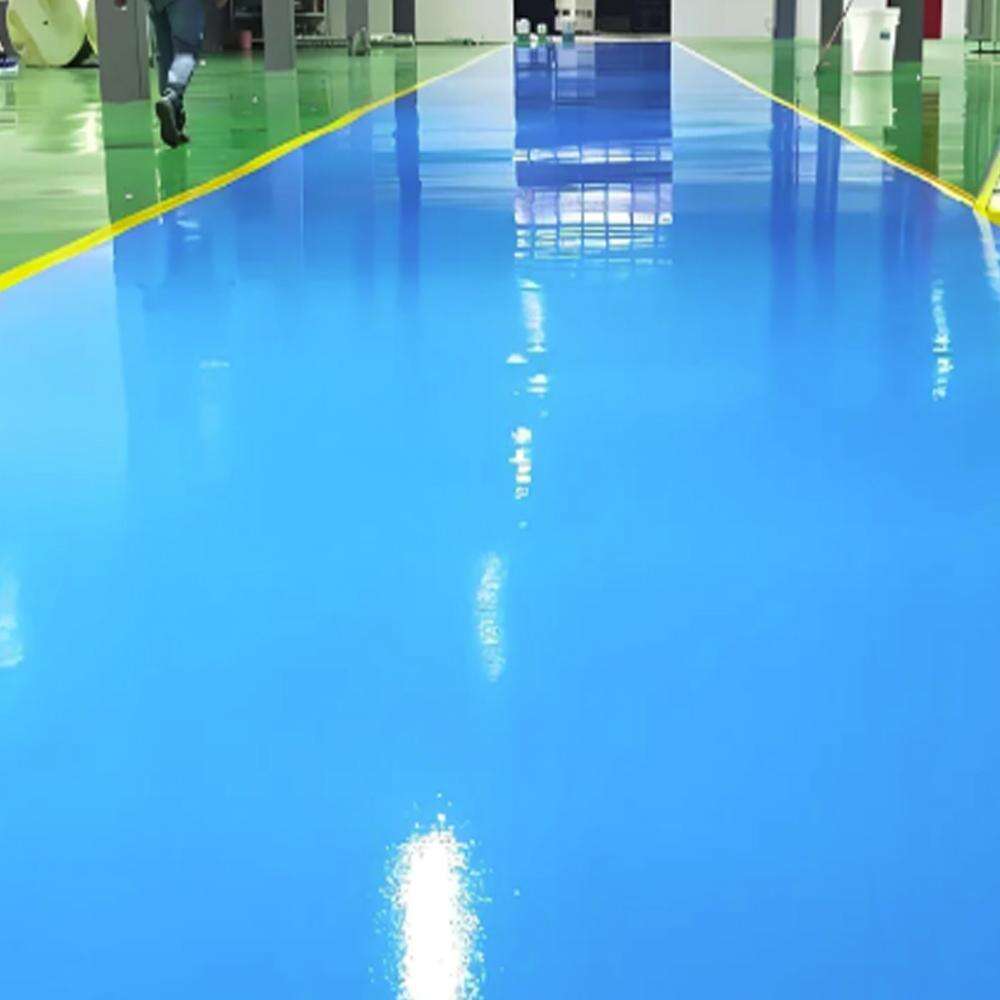
Industrial anti skid coating represents a specialized surface treatment solution designed to enhance safety and prevent slip-related accidents in commercial and industrial environments. This advanced coating technology creates a textured, high-friction surface that significantly improves traction for both pedestrians and vehicles across various flooring materials. The primary function of industrial anti skid coating centers on accident prevention by dramatically reducing the risk of slips, falls, and vehicle skidding incidents that commonly occur in workplaces with smooth or wet surfaces. The coating works by incorporating abrasive particles or creating micro-textures that increase the coefficient of friction between surfaces and footwear or tires. Technological features of modern industrial anti skid coating include excellent adhesion properties, chemical resistance, and durability under heavy traffic conditions. These coatings typically consist of specialized resins, aggregates, and additives that bond permanently to concrete, metal, wood, and composite substrates. Advanced formulations offer UV stability, preventing degradation from sunlight exposure, while maintaining their anti-slip properties over extended periods. The application process involves surface preparation, primer application when necessary, and the systematic application of the coating material using spray, roller, or brush techniques. Applications for industrial anti skid coating span numerous sectors including manufacturing facilities, warehouses, loading docks, pedestrian walkways, vehicle ramps, marine decks, and food processing plants. These coatings prove particularly valuable in environments where moisture, oils, or other contaminants create hazardous conditions. Industrial facilities utilize anti skid coating on stairs, platforms, catwalks, and emergency exits to ensure worker safety compliance with occupational health regulations. The versatility of these coatings allows customization for specific environmental challenges, temperature ranges, and chemical exposure requirements, making them essential components of comprehensive workplace safety programs.




 EN
EN