Professional Fire Retardant Treatment Services - Advanced Protection Solutions

All Categories

Get a Free Quote

Our representative will contact you soon.
Email
Mobile/WhatsApp
Name
Company Name
Message
0/1000

fire retardant treatment

Fire retardant treatment represents a critical advancement in building safety and material protection, offering comprehensive protection against the devastating effects of fire damage. This specialized process involves the application of chemical compounds and protective coatings to various materials, creating a barrier that significantly slows down or prevents ignition and flame spread. The primary function of fire retardant treatment centers on interrupting the combustion process at multiple stages, effectively reducing the rate at which materials burn and providing valuable time for evacuation and emergency response. Modern fire retardant treatment systems work through several mechanisms, including thermal decomposition that releases flame-inhibiting gases, formation of protective char layers that insulate underlying materials, and chemical interference with the free radical chain reactions that sustain combustion. The technological features of contemporary fire retardant treatment include advanced polymer chemistry, nano-technology integration, and environmentally sustainable formulations that maintain effectiveness while minimizing environmental impact. These treatments are engineered to penetrate deep into material substrates, ensuring long-lasting protection that remains effective under various environmental conditions. Applications for fire retardant treatment span across numerous industries and sectors, including residential construction, commercial buildings, transportation infrastructure, textile manufacturing, and industrial facilities. In residential settings, fire retardant treatment is commonly applied to wooden structures, insulation materials, roofing systems, and decorative elements. Commercial applications include office buildings, shopping centers, hospitals, schools, and entertainment venues where large numbers of people gather. The transportation sector utilizes fire retardant treatment for aircraft interiors, marine vessels, railway cars, and automotive components. Industrial applications encompass manufacturing facilities, warehouses, chemical processing plants, and energy production facilities where fire risks are particularly high due to the presence of flammable materials and high-temperature processes.

New Product Releases

The advantages of fire retardant treatment extend far beyond basic fire protection, delivering comprehensive benefits that enhance safety, reduce costs, and provide peace of mind for property owners and occupants. The most significant advantage lies in the substantial increase in evacuation time during fire emergencies, as treated materials resist ignition and slow flame spread, allowing occupants additional minutes that can mean the difference between life and death. This extended escape window reduces casualties and enables emergency responders to implement more effective rescue operations. From a financial perspective, fire retardant treatment offers substantial cost savings through reduced insurance premiums, as insurance companies recognize the decreased risk associated with protected properties and often provide significant discounts on coverage rates. Property owners also benefit from reduced structural damage during fire incidents, as the treatment prevents rapid fire spread that typically causes extensive destruction requiring costly repairs or complete reconstruction. The treatment enhances property value by demonstrating commitment to safety standards and regulatory compliance, making buildings more attractive to tenants, buyers, and investors who prioritize safety features. Fire retardant treatment contributes to regulatory compliance by helping buildings meet increasingly stringent fire safety codes and standards mandated by local, state, and federal authorities. This compliance prevents costly fines, legal liabilities, and potential closure orders that can devastate business operations. The treatment process itself is designed for minimal disruption to daily activities, with many applications possible during regular business hours without requiring building evacuation or extended downtime. Modern formulations are environmentally responsible, utilizing low-toxicity compounds that do not compromise indoor air quality or pose health risks to occupants. The durability of fire retardant treatment ensures long-term protection without frequent reapplication, making it a cost-effective investment that continues providing benefits for years. Additionally, the treatment maintains the aesthetic appearance of treated materials, preserving architectural design elements while adding invisible protection. Many fire retardant treatments also provide secondary benefits such as improved resistance to moisture, insects, and decay, adding value beyond fire protection alone.

Tips And Tricks

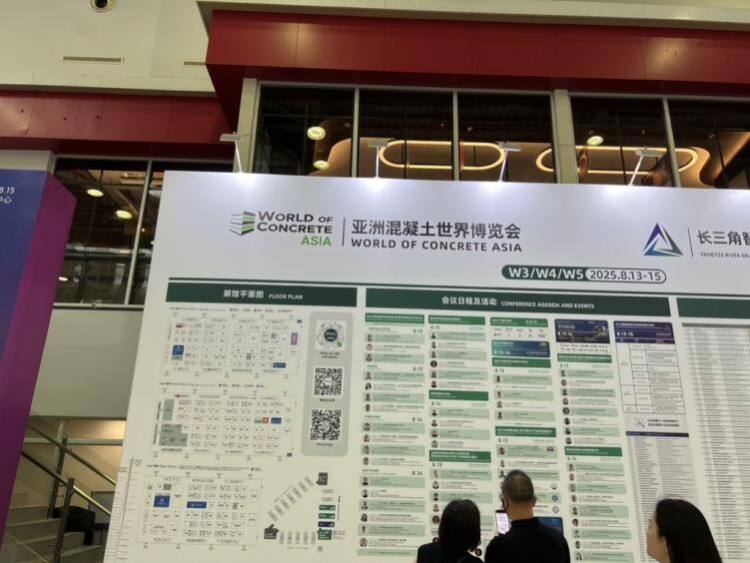
Shandong Huacheng High-Tech Participates in WORLD OF CONCRETE ASIA 2025 in Shanghai

25

Feb

Shandong Huacheng High-Tech Participates in WORLD OF CONCRETE ASIA 2025 in Shanghai

View More
Shandong Huacheng High-Tech Shines at CHINACOAT 2025 Shanghai

25

Feb

Shandong Huacheng High-Tech Shines at CHINACOAT 2025 Shanghai

View More
Huacheng High-Tech Recognized as Provincial Enterprise Technology Center by Shandong Province

27

Feb

Huacheng High-Tech Recognized as Provincial Enterprise Technology Center by Shandong Province

View More

Get a Free Quote

Our representative will contact you soon.
Email
Mobile/WhatsApp
Name
Company Name
Message
0/1000

fire retardant treatment

Advanced Chemical Protection Technology

Advanced Chemical Protection Technology

The foundation of effective fire retardant treatment lies in sophisticated chemical protection technology that employs multiple defense mechanisms to combat fire hazards comprehensively. This advanced system utilizes intumescent compounds that expand when exposed to heat, creating a thick, insulating foam barrier that protects the underlying material from flame contact and heat transfer. The chemical formulation includes phosphorus-based compounds that interfere with the combustion process at the molecular level, releasing fire-suppressing gases that dilute flammable vapors and interrupt the chemical chain reactions necessary for sustained burning. Halogenated flame retardants work by releasing bromine or chlorine radicals that capture the free radicals essential for flame propagation, effectively breaking the combustion cycle before it can establish itself. The technology incorporates synergistic combinations of different chemical agents that work together to provide enhanced protection beyond what individual components could achieve alone. Nano-technology integration allows for deeper penetration into material substrates, ensuring that protection reaches the core of treated items rather than remaining only on surface layers. This deep penetration creates multiple protective zones throughout the material structure, making it extremely difficult for fire to establish and spread. The chemical protection technology is engineered to activate automatically when exposed to elevated temperatures, requiring no human intervention or external power sources to function effectively. Advanced polymer chemistry ensures that the fire retardant treatment bonds permanently with treated materials, preventing degradation or wash-out over time. The formulation includes stabilizers that maintain chemical integrity under various environmental conditions, including temperature fluctuations, humidity changes, and UV exposure. Quality control measures ensure consistent chemical composition and performance across all batches, providing reliable protection that meets or exceeds industry standards. The technology continues evolving through ongoing research and development, incorporating new scientific discoveries and improved formulations that enhance effectiveness while reducing environmental impact and maintaining cost efficiency for widespread application.
Comprehensive Multi-Material Application Versatility

Comprehensive Multi-Material Application Versatility

Fire retardant treatment demonstrates exceptional versatility through its ability to protect diverse material types across numerous applications, making it an invaluable solution for comprehensive fire safety strategies. This versatility encompasses natural materials such as wood, cotton, wool, and other organic fibers, as well as synthetic materials including plastics, composites, foams, and engineered products. The treatment process adapts to different material characteristics, utilizing specialized application methods that ensure optimal penetration and bonding for each specific substrate type. For wooden structures, the fire retardant treatment penetrates deep into the grain, providing protection that remains effective even if surface layers are damaged or worn away over time. Textile applications benefit from specialized formulations that maintain fabric flexibility, breathability, and comfort while adding crucial fire resistance properties. Plastic and composite materials receive treatments that integrate seamlessly with their molecular structure, preventing delamination or performance degradation while significantly improving fire resistance characteristics. The application versatility extends to various installation methods, including pressure treatment for lumber, spray applications for large surfaces, dip treatments for smaller items, and injection methods for hollow structures. Each application method is optimized for specific material types and project requirements, ensuring maximum effectiveness regardless of the installation scenario. The treatment successfully adapts to complex architectural features, irregular surfaces, and hard-to-reach areas through specialized equipment and techniques that guarantee complete coverage. Multi-story buildings benefit from tailored application approaches that address different fire risk levels at various heights and locations within the structure. Industrial applications leverage the treatment's ability to protect materials exposed to challenging conditions such as high temperatures, chemical exposure, moisture, and mechanical stress. The versatility includes compatibility with existing finishes, coatings, and protective systems, allowing integration into current maintenance and protection programs without conflicts or performance issues. Renovation projects particularly benefit from this versatility, as fire retardant treatment can be applied to existing structures without requiring major modifications or disruptions to ongoing operations.
Long-Term Cost-Effectiveness and Return on Investment

Long-Term Cost-Effectiveness and Return on Investment

The long-term cost-effectiveness of fire retardant treatment creates compelling economic advantages that extend far beyond initial application costs, delivering substantial return on investment through multiple financial benefits and risk mitigation strategies. Insurance premium reductions represent one of the most immediate and quantifiable benefits, with many insurance providers offering discounts ranging from ten to thirty percent for properties with certified fire retardant treatment systems. These annual savings accumulate significantly over time, often recovering the initial treatment investment within just a few years while continuing to provide ongoing cost benefits throughout the treatment's effective lifespan. Property value enhancement occurs through increased marketability and buyer confidence, as fire-protected buildings command premium prices and experience faster sales cycles compared to untreated properties. Commercial properties particularly benefit from improved tenant retention and higher rental rates, as businesses increasingly prioritize safety features when selecting facilities for their operations. The treatment's durability eliminates the need for frequent reapplication, with most professional applications maintaining effectiveness for fifteen to twenty-five years under normal conditions, making the cost per year of protection remarkably low compared to alternative safety measures. Maintenance costs decrease significantly due to the treatment's protective effects against moisture, insects, and decay, which extends the overall lifespan of treated materials and reduces replacement frequency. Emergency response costs are minimized through the treatment's ability to slow fire spread and reduce damage severity, resulting in lower firefighting expenses, reduced water damage, and decreased business interruption costs. Legal liability protection provides substantial financial security, as proper fire retardant treatment demonstrates due diligence in safety measures and can significantly reduce potential lawsuit settlements and legal fees following fire incidents. Energy efficiency improvements often accompany fire retardant treatment applications, as many formulations include insulating properties that reduce heating and cooling costs throughout the building's operational life. The treatment's contribution to LEED certification and other green building standards can qualify properties for tax incentives, rebates, and preferential financing options that further enhance the economic benefits. Long-term cost analysis consistently demonstrates that fire retardant treatment represents one of the most cost-effective safety investments available to property owners, delivering measurable financial returns while providing invaluable protection for lives and assets.

Get a Free Quote

Our representative will contact you soon.
Email
Mobile/WhatsApp
Name
Company Name
Message
0/1000