Advanced Flame Retardant Material Solutions - Superior Fire Protection Technology

All Categories

Get a Free Quote

Our representative will contact you soon.
Email
Mobile/WhatsApp
Name
Company Name
Message
0/1000

flame retardant material

Flame retardant material represents a critical innovation in modern safety technology, designed to significantly reduce the risk of fire-related incidents across numerous industries. These specialized materials are engineered to resist ignition, slow down combustion processes, and minimize the spread of flames when exposed to heat sources. The primary function of flame retardant material involves creating a protective barrier that prevents or delays the onset of fire, giving occupants valuable time to evacuate and emergency responders the opportunity to control dangerous situations. This flame retardant material achieves its protective capabilities through various mechanisms, including the release of inert gases that dilute flammable vapors, formation of protective char layers that insulate underlying materials, and chemical reactions that absorb heat energy. Technological features of modern flame retardant material include advanced polymer chemistry, nano-scale additives, and innovative coating systems that maintain material integrity while providing superior fire protection. These materials undergo rigorous testing procedures to meet international safety standards such as UL 94, ASTM E84, and EN 13501 classifications. The versatility of flame retardant material extends across multiple sectors, including construction, automotive, aerospace, electronics, textiles, and furniture manufacturing. In building applications, flame retardant material protects structural components, insulation systems, and interior finishes. The automotive industry utilizes these materials in seat cushions, dashboard components, and wiring harnesses to enhance passenger safety. Electronics manufacturers incorporate flame retardant material into circuit boards, cable jackets, and device housings to prevent electrical fires. Textile applications include protective clothing, curtains, and upholstery fabrics that maintain their aesthetic appeal while offering enhanced fire resistance. The continuous advancement in flame retardant material technology has led to environmentally sustainable solutions that provide excellent protection without compromising human health or ecological systems.

Popular Products

The implementation of flame retardant material offers substantial benefits that directly translate into enhanced safety, cost savings, and regulatory compliance for businesses and consumers alike. Safety represents the most significant advantage, as flame retardant material dramatically reduces fire-related injuries and fatalities by providing crucial escape time during emergency situations. This protective capability stems from the material's ability to self-extinguish when the ignition source is removed, preventing small incidents from escalating into catastrophic fires. Property protection constitutes another major benefit, as flame retardant material safeguards valuable assets, equipment, and infrastructure from fire damage. Insurance companies often recognize these protective measures by offering reduced premiums to facilities that incorporate flame retardant material throughout their operations. The economic advantages extend beyond insurance savings, as flame retardant material reduces maintenance costs, replacement expenses, and business interruption losses associated with fire incidents. Manufacturing efficiency improves when flame retardant material is integrated into production processes, as these materials often possess enhanced durability, chemical resistance, and thermal stability compared to conventional alternatives. Regulatory compliance becomes streamlined with flame retardant material implementation, as these products help organizations meet stringent fire safety codes without requiring extensive modifications to existing systems. Environmental benefits emerge from modern flame retardant material formulations that eliminate harmful substances while maintaining superior performance characteristics. The longevity of flame retardant material translates into reduced waste generation and lower lifecycle costs, making these solutions both economically and environmentally responsible. Versatility represents another key advantage, as flame retardant material can be customized to meet specific application requirements without compromising other material properties such as flexibility, strength, or appearance. Quality assurance improves across manufacturing processes, as flame retardant material typically undergoes more rigorous testing protocols, resulting in higher overall product reliability. Competitive advantages emerge for businesses that prioritize flame retardant material implementation, as customers increasingly demand safer products and services. Market differentiation becomes possible through the strategic use of flame retardant material, allowing companies to position themselves as safety-conscious industry leaders while building stronger customer relationships based on trust and protection.

Latest News

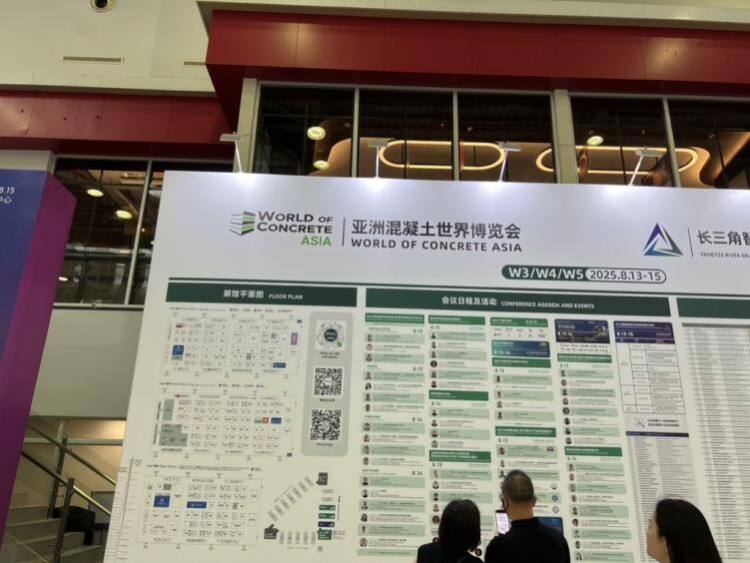
Shandong Huacheng High-Tech Participates in WORLD OF CONCRETE ASIA 2025 in Shanghai

25

Feb

Shandong Huacheng High-Tech Participates in WORLD OF CONCRETE ASIA 2025 in Shanghai

View More
Shandong Huacheng High-Tech Shines at CHINACOAT 2025 Shanghai

25

Feb

Shandong Huacheng High-Tech Shines at CHINACOAT 2025 Shanghai

View More
Huacheng High-Tech Recognized as Provincial Enterprise Technology Center by Shandong Province

27

Feb

Huacheng High-Tech Recognized as Provincial Enterprise Technology Center by Shandong Province

View More

Get a Free Quote

Our representative will contact you soon.
Email
Mobile/WhatsApp
Name
Company Name
Message
0/1000

flame retardant material

Superior Fire Suppression Technology

Superior Fire Suppression Technology

The advanced fire suppression technology embedded within modern flame retardant material represents a breakthrough in protective engineering that delivers unparalleled safety performance across diverse applications. This sophisticated flame retardant material incorporates multiple suppression mechanisms that work synergistically to combat fire through various stages of combustion. When exposed to heat, the material initiates a cascading series of protective responses, beginning with the release of non-combustible gases that dilute oxygen concentration around the burning area. This oxygen displacement creates an environment where sustained combustion becomes increasingly difficult to maintain. Simultaneously, the flame retardant material forms an insulating char layer that acts as a thermal barrier, preventing heat transfer to underlying substrates and effectively slowing fire progression. The endothermic decomposition process absorbs substantial amounts of thermal energy, further reducing the temperature of the combustion zone and limiting flame spread. Advanced flame retardant material formulations include synergistic additive systems that enhance these protective mechanisms while maintaining material integrity and performance characteristics. The technology allows for precise control over flame retardant material behavior, enabling customization for specific fire hazard scenarios and environmental conditions. Testing protocols demonstrate that properly implemented flame retardant material can reduce flame spread rates by up to 90 percent compared to untreated alternatives, providing critical time for evacuation procedures and emergency response activities. The reliability of this fire suppression technology has been validated through extensive laboratory testing, real-world applications, and independent third-party certifications. Modern flame retardant material technology incorporates smart additives that remain dormant under normal conditions but activate rapidly when exposed to fire threats, ensuring long-term stability while maintaining immediate responsiveness. This intelligent design approach maximizes protection while minimizing any potential impact on material properties such as flexibility, strength, or processability. The comprehensive nature of this fire suppression technology makes flame retardant material an essential component in critical safety applications where fire protection cannot be compromised.
Exceptional Durability and Longevity

Exceptional Durability and Longevity

The exceptional durability and longevity characteristics of contemporary flame retardant material establish these products as superior long-term investments that deliver consistent protection throughout extended service lifecycles. Unlike conventional materials that may degrade over time, advanced flame retardant material maintains its protective properties through decades of exposure to environmental stresses, mechanical wear, and chemical challenges. This remarkable durability stems from sophisticated polymer chemistry that creates stable molecular bonds resistant to UV radiation, moisture infiltration, temperature fluctuations, and chemical degradation. The flame retardant material undergoes accelerated aging tests that simulate years of real-world exposure, demonstrating consistent performance retention even under extreme conditions. Thermal cycling tests reveal that flame retardant material maintains its fire-resistant properties across temperature ranges from -40°C to 150°C, making it suitable for applications in harsh environmental conditions. The material's resistance to chemical attack ensures that exposure to cleaning agents, industrial solvents, and atmospheric pollutants does not compromise its protective capabilities. Mechanical durability testing shows that flame retardant material withstands repetitive stress cycles, impact forces, and abrasion without losing its structural integrity or fire-resistant characteristics. This exceptional durability translates into significant cost savings over the material's lifespan, as replacement frequencies decrease substantially compared to conventional alternatives. Maintenance requirements for flame retardant material are minimal, typically involving routine cleaning and periodic inspection rather than extensive rehabilitation or replacement procedures. The longevity advantage becomes particularly pronounced in critical infrastructure applications where service interruptions for material replacement would be costly and disruptive. Advanced flame retardant material formulations incorporate stabilizing additives that prevent oxidative degradation, ensuring consistent performance throughout the entire service life. Quality control processes guarantee that each batch of flame retardant material meets stringent durability standards, providing customers with confidence in long-term performance reliability. The combination of exceptional durability and maintained fire protection creates a compelling value proposition that justifies initial investment costs through reduced lifecycle expenses and enhanced safety assurance over extended operational periods.
Versatile Application Compatibility

Versatile Application Compatibility

The versatile application compatibility of modern flame retardant material enables seamless integration across an extensive range of industries, products, and environments while maintaining optimal performance characteristics tailored to specific requirements. This remarkable adaptability stems from advanced material science that allows flame retardant material to be formulated in various forms including coatings, additives, films, textiles, and structural components. Manufacturing processes can easily incorporate flame retardant material without requiring significant equipment modifications or process changes, making adoption straightforward and cost-effective. The material's chemical compatibility extends to numerous substrate types including metals, plastics, wood, fabric, and composite materials, ensuring broad applicability across diverse manufacturing sectors. Processing flexibility allows flame retardant material to be applied through conventional methods such as spraying, dipping, laminating, extrusion, and molding, accommodating existing production workflows seamlessly. Temperature processing ranges accommodate both high-temperature applications such as automotive components and low-temperature sensitive materials like electronic assemblies. The flame retardant material maintains its protective properties across varying thickness applications, from thin protective coatings measuring micrometers to thick structural elements several centimeters deep. Color customization options ensure that aesthetic requirements are met without compromising fire protection, allowing designers to maintain visual appeal while enhancing safety. Mechanical property retention means that flame retardant material does not significantly alter the strength, flexibility, or other performance characteristics of base materials, preserving original design specifications. Environmental compatibility testing confirms that flame retardant material performs consistently across humidity ranges from desert conditions to tropical environments, ensuring global applicability. The material's electrical properties can be tailored for specific applications, offering insulating characteristics for electronics or conductive properties for specialized applications. Quality assurance protocols ensure that flame retardant material maintains consistent performance regardless of application method or environmental conditions. This comprehensive compatibility profile enables architects, engineers, and manufacturers to specify flame retardant material confidently across virtually any application where fire protection is essential, creating unlimited possibilities for enhanced safety implementation across industries and environments worldwide.


Get a Free Quote

Our representative will contact you soon.
Email
Mobile/WhatsApp
Name
Company Name
Message
0/1000