Advanced Flame Retardant Technology: Superior Fire Protection Solutions for Modern Industries

All Categories

Get a Free Quote

Our representative will contact you soon.
Email
Mobile/WhatsApp
Name
Company Name
Message
0/1000

flame retardant technology

Flame retardant technology represents a critical advancement in material science, designed to significantly reduce the flammability of various materials and products. This innovative technology works by incorporating specialized chemical compounds into materials during manufacturing or applying treatments that inhibit combustion processes. The primary function of flame retardant technology centers on preventing ignition, slowing flame spread, and reducing heat release rates when materials encounter fire sources. Modern flame retardant systems employ multiple mechanisms including thermal decomposition, formation of protective char layers, and release of non-combustible gases that dilute oxygen concentration around burning materials. The technological features of flame retardant technology include halogen-free formulations, environmentally sustainable compounds, and nano-scale additives that provide superior protection without compromising material properties. These systems demonstrate exceptional thermal stability, maintaining effectiveness across wide temperature ranges while preserving the original characteristics of treated materials. Applications span numerous industries including construction, automotive, electronics, textiles, and aerospace sectors. In construction applications, flame retardant technology protects structural components, insulation materials, and interior furnishings from fire hazards. The automotive industry utilizes this technology in seat fabrics, dashboard components, and electrical systems to enhance passenger safety. Electronics manufacturers integrate flame retardant technology into circuit boards, cable insulation, and device housings to prevent electrical fires. Textile applications include protective clothing, curtains, and upholstery materials that require enhanced fire resistance. Aerospace applications demand the highest performance standards, where flame retardant technology protects critical components and passenger safety systems. The technology continues evolving with research focusing on sustainable alternatives, improved efficiency, and reduced environmental impact while maintaining superior fire protection capabilities.

New Product Releases

Flame retardant technology delivers substantial benefits that directly impact safety, compliance, and operational efficiency for businesses and consumers. The most significant advantage lies in enhanced safety protection, where this technology dramatically reduces fire-related risks in residential, commercial, and industrial environments. Materials treated with flame retardant technology resist ignition more effectively, providing crucial escape time during emergencies and reducing property damage substantially. This protection translates into lower insurance premiums and reduced liability exposure for property owners and manufacturers. Regulatory compliance represents another major advantage, as flame retardant technology helps companies meet stringent fire safety standards mandated by international building codes, industry regulations, and government safety requirements. This compliance capability eliminates costly delays in product launches and prevents expensive retrofitting of non-compliant materials. Economic benefits extend beyond immediate cost savings, as flame retardant technology reduces maintenance expenses and extends product lifecycles. Materials incorporating this technology demonstrate superior durability under thermal stress, reducing replacement frequency and associated labor costs. The technology also prevents business interruption losses that typically result from fire damage, protecting revenue streams and operational continuity. Environmental advantages emerge through modern formulations that eliminate harmful substances while maintaining peak performance levels. These eco-friendly alternatives reduce environmental impact without sacrificing fire protection effectiveness, supporting corporate sustainability initiatives and environmental compliance requirements. Manufacturing flexibility represents a practical advantage, as flame retardant technology integrates seamlessly into existing production processes without requiring expensive equipment modifications or significant workflow changes. This compatibility reduces implementation costs and minimizes production disruptions during technology adoption. Quality enhancement benefits include improved product reliability and consumer confidence, as flame retardant technology demonstrates commitment to safety excellence. Markets increasingly demand fire-resistant products, making this technology essential for maintaining competitive positioning and accessing premium market segments. Long-term cost effectiveness becomes evident through reduced total ownership costs, combining initial investment savings with ongoing operational benefits and risk mitigation advantages.

Tips And Tricks

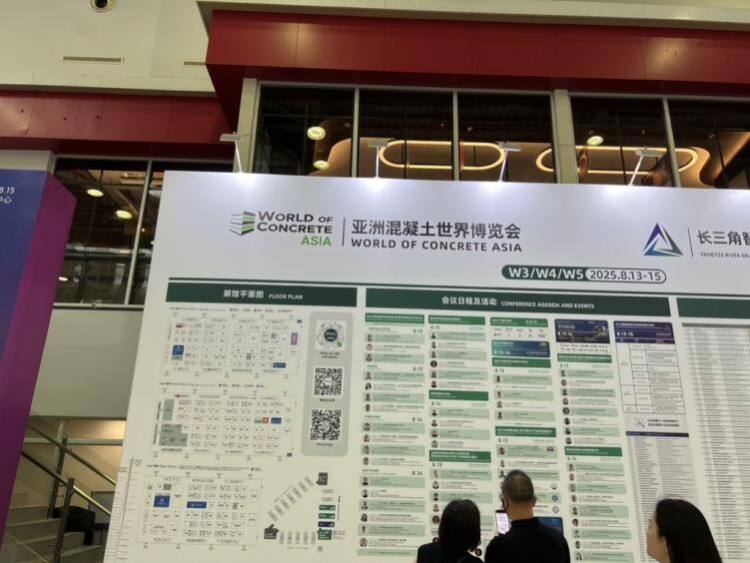
Shandong Huacheng High-Tech Participates in WORLD OF CONCRETE ASIA 2025 in Shanghai

25

Feb

Shandong Huacheng High-Tech Participates in WORLD OF CONCRETE ASIA 2025 in Shanghai

View More
Shandong Huacheng High-Tech Shines at CHINACOAT 2025 Shanghai

25

Feb

Shandong Huacheng High-Tech Shines at CHINACOAT 2025 Shanghai

View More
Huacheng High-Tech Recognized as Provincial Enterprise Technology Center by Shandong Province

27

Feb

Huacheng High-Tech Recognized as Provincial Enterprise Technology Center by Shandong Province

View More

Get a Free Quote

Our representative will contact you soon.
Email
Mobile/WhatsApp
Name
Company Name
Message
0/1000

flame retardant technology

Advanced Multi-Mechanism Fire Protection System

Advanced Multi-Mechanism Fire Protection System

The multi-mechanism fire protection system represents the cornerstone of modern flame retardant technology, offering comprehensive defense against various combustion scenarios through integrated protective strategies. This sophisticated approach combines multiple fire suppression mechanisms that activate sequentially or simultaneously, depending on thermal conditions and material composition. The primary mechanism involves endothermic decomposition, where flame retardant compounds absorb substantial heat energy during breakdown, effectively cooling the material surface and surrounding environment below ignition temperatures. This cooling effect prevents flame propagation and creates thermal barriers that protect underlying material structures. The secondary mechanism focuses on char layer formation, where specialized additives promote the development of protective carbonaceous layers on material surfaces. These char layers act as physical barriers, preventing oxygen access to combustible materials while insulating underlying structures from heat transfer. The char formation process also releases water vapor and non-combustible gases that further dilute oxygen concentration in the immediate vicinity. The third mechanism involves gas phase inhibition, where flame retardant compounds release specific molecules that interfere with free radical chain reactions essential for combustion processes. These inhibitor molecules effectively break the combustion cycle, preventing flame sustenance and spread. This multi-layered approach ensures protection across diverse fire scenarios, from slow smoldering conditions to rapid flame propagation events. The system adapts dynamically to changing thermal conditions, optimizing protection strategies based on real-time fire behavior. This adaptability proves crucial in complex fire environments where single-mechanism systems might fail. The technology incorporates synergistic effects between different mechanisms, where combined actions produce superior protection compared to individual mechanism performance. Advanced formulations balance mechanism activation temperatures to ensure optimal response timing and maximum protective effectiveness. This comprehensive protection system provides reliability and consistency across various material types and applications, making it invaluable for critical safety applications where failure consequences are severe.
Environmentally Sustainable and Non-Toxic Formulations

Environmentally Sustainable and Non-Toxic Formulations

Environmental sustainability and non-toxic formulations represent revolutionary advances in flame retardant technology, addressing growing concerns about ecological impact and human health while maintaining superior fire protection performance. Traditional flame retardant systems often relied on halogenated compounds that posed environmental persistence and bioaccumulation risks, creating long-term ecological challenges. Modern sustainable formulations eliminate these problematic substances, utilizing bio-based materials, recycled components, and naturally occurring flame retardant compounds that degrade safely in natural environments. These eco-friendly alternatives demonstrate comparable or superior fire protection performance while supporting circular economy principles and environmental stewardship goals. The development process emphasizes life cycle assessment considerations, evaluating environmental impact from raw material extraction through end-of-life disposal or recycling. Non-toxic formulations prioritize human health protection, eliminating substances linked to respiratory irritation, endocrine disruption, or carcinogenic effects. This health-conscious approach proves particularly important in residential applications, educational facilities, and healthcare environments where occupant wellbeing remains paramount. Sustainable flame retardant technology incorporates renewable feedstocks, reducing dependence on petroleum-based chemicals and supporting agricultural sustainability initiatives. Bio-based flame retardants derived from plant materials, agricultural waste, or sustainable forestry products provide renewable alternatives that maintain performance standards while reducing carbon footprint. The technology also emphasizes recyclability, ensuring treated materials can undergo standard recycling processes without contamination or performance degradation. Advanced encapsulation techniques prevent flame retardant compound migration, maintaining effectiveness while eliminating environmental release during normal use conditions. Water-based formulations replace solvent-based systems, reducing volatile organic compound emissions and improving indoor air quality. These sustainable approaches align with green building standards, environmental certification programs, and corporate sustainability commitments. Regulatory compliance becomes streamlined as non-toxic formulations meet or exceed safety standards without requiring extensive testing or special handling procedures. The technology supports LEED certification requirements and other green building initiatives, adding value for environmentally conscious projects and organizations.
Seamless Integration and Cost-Effective Implementation

Seamless Integration and Cost-Effective Implementation

Seamless integration and cost-effective implementation distinguish advanced flame retardant technology from traditional fire protection methods, offering businesses practical solutions that minimize disruption while maximizing safety benefits. The integration process requires no specialized equipment purchases or extensive facility modifications, allowing companies to adopt flame retardant technology within existing manufacturing workflows and operational frameworks. This compatibility extends across diverse production methods including injection molding, extrusion, coating applications, and textile treatment processes. The technology accommodates various material types from polymers and composites to natural fibers and building materials, providing versatility that simplifies inventory management and reduces training requirements. Implementation begins with straightforward additive incorporation during standard manufacturing processes, eliminating complex installation procedures or specialized application techniques. Quality control integration proves equally seamless, as flame retardant technology maintains material properties essential for downstream processing and end-use performance. Color stability, mechanical strength, and processing characteristics remain consistent, ensuring product specifications meet established quality standards without compromise. Cost-effectiveness emerges through multiple economic advantages including reduced insurance premiums, lower regulatory compliance costs, and decreased liability exposure. The technology eliminates expensive retrofitting requirements often associated with fire safety upgrades, allowing proactive protection during initial manufacturing stages. Bulk purchasing opportunities and long-term supplier relationships further reduce material costs while ensuring consistent supply chain reliability. Processing efficiency improvements result from optimized formulations that enhance material flow characteristics and reduce manufacturing defects. These efficiency gains translate into higher throughput rates and reduced waste generation, improving overall operational profitability. The technology also eliminates expensive fire testing requirements for many applications, as pre-certified formulations meet established fire safety standards without additional validation procedures. Maintenance cost reductions occur through extended material lifecycles and reduced replacement frequency, as flame retardant technology enhances durability under thermal stress conditions. Training requirements remain minimal due to straightforward implementation procedures and comprehensive technical support programs provided by technology suppliers. Return on investment calculations demonstrate positive outcomes within reasonable timeframes, considering safety improvements, regulatory compliance benefits, and operational efficiency gains that justify initial technology adoption investments.

Get a Free Quote

Our representative will contact you soon.
Email
Mobile/WhatsApp
Name
Company Name
Message
0/1000