Permeable Asphalt Pavement Solutions: Sustainable Drainage and Water Management Systems

All Categories

Get a Free Quote

Our representative will contact you soon.
Email
Mobile/WhatsApp
Name
Company Name
Message
0/1000

permeable asphalt pavement

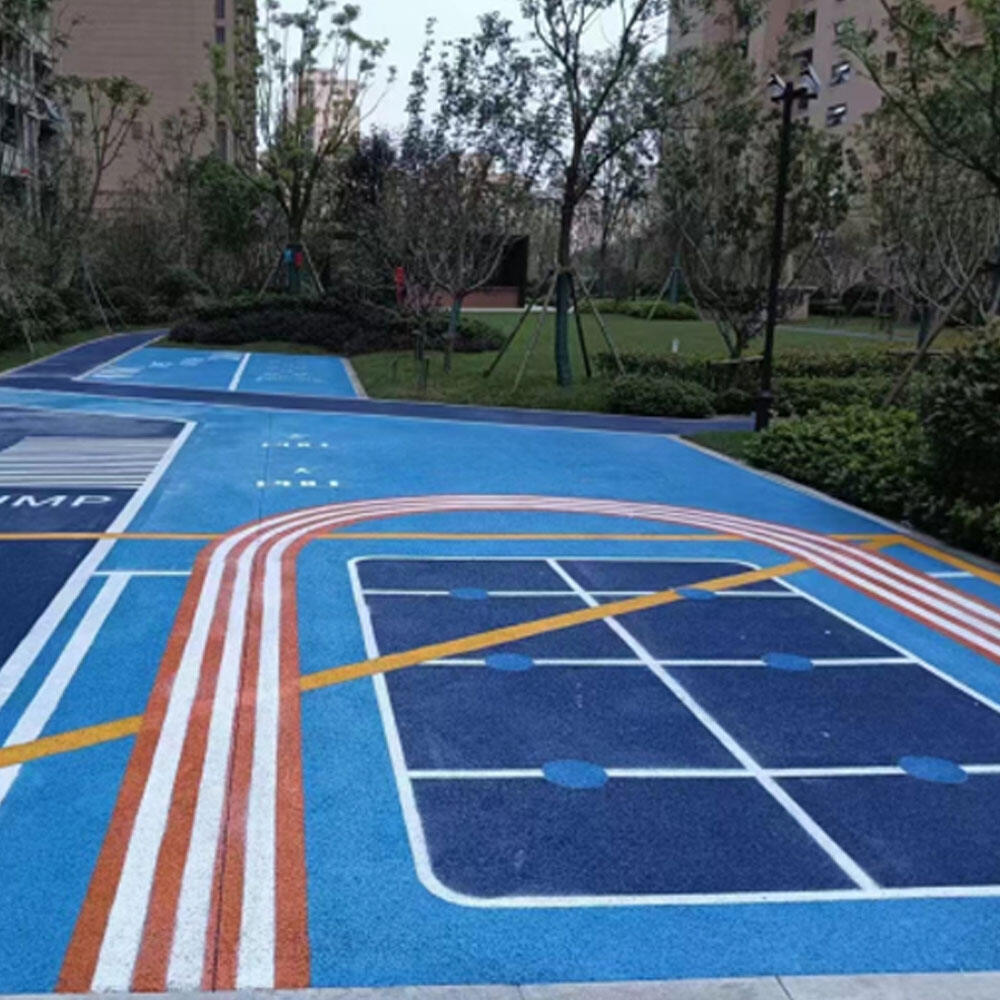
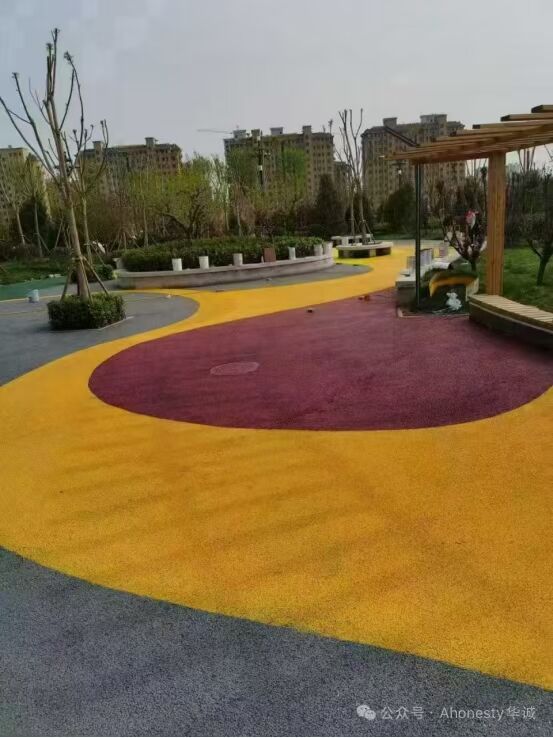
Permeable asphalt pavement represents a revolutionary approach to sustainable road construction that addresses critical environmental and infrastructure challenges. This innovative paving solution features a specially designed structure that allows water to penetrate through the surface and infiltrate into the underlying layers, rather than creating surface runoff. The permeable asphalt pavement system consists of open-graded asphalt concrete with interconnected void spaces, typically ranging from 15 to 25 percent porosity, which enables effective water management while maintaining structural integrity. The main functions of permeable asphalt pavement include stormwater management, groundwater recharge, and pollutant filtration. By allowing rainwater to pass through the surface, this pavement system significantly reduces surface runoff, minimizes flooding risks, and helps prevent erosion. The technological features of permeable asphalt pavement involve carefully selected aggregate gradations, modified asphalt binders, and specialized construction techniques. The aggregate structure creates a network of connected voids that facilitate water flow while providing adequate load-bearing capacity. Advanced polymer-modified binders enhance durability and prevent raveling of the aggregate particles. The construction process requires precise temperature control, proper compaction methods, and quality assurance measures to ensure optimal performance. Applications for permeable asphalt pavement span various sectors including parking lots, low-traffic roadways, pedestrian walkways, recreational areas, and urban infrastructure projects. This pavement solution proves particularly valuable in areas with strict stormwater management requirements, environmentally sensitive locations, and regions prone to flooding. The versatility of permeable asphalt pavement makes it suitable for both new construction projects and rehabilitation of existing impervious surfaces, contributing to sustainable development goals and green infrastructure initiatives.

New Products

Permeable asphalt pavement delivers exceptional environmental benefits that directly impact communities and property owners. This innovative surface dramatically reduces stormwater runoff by up to 90 percent compared to traditional impervious pavements, effectively preventing flooding and erosion issues that plague many urban areas. Property owners experience immediate cost savings through reduced need for expensive drainage systems, retention ponds, and stormwater management facilities. The permeable asphalt pavement naturally filters pollutants from rainwater, removing oil, grease, heavy metals, and sediments before they reach groundwater sources or nearby waterways. This filtration capability protects local ecosystems and improves water quality without requiring additional treatment infrastructure. Installation costs for permeable asphalt pavement often prove lower than conventional pavement systems when considering the elimination of separate stormwater management requirements. Maintenance expenses remain minimal due to the pavement's self-cleaning properties and reduced need for surface repairs caused by water damage. The permeable asphalt pavement provides excellent skid resistance and improved safety during wet weather conditions, as water drains through the surface rather than accumulating on top. This characteristic significantly reduces hydroplaning risks and enhances driver safety. Property values increase when permeable asphalt pavement installations demonstrate environmental responsibility and compliance with green building standards. Many municipalities offer incentives, tax breaks, or expedited permitting for projects incorporating permeable asphalt pavement systems. The pavement contributes to urban heat island reduction by allowing air circulation through the surface structure and reducing surface temperatures. Durability matches or exceeds traditional asphalt when properly designed and constructed, with typical service lives extending 15-20 years. The permeable asphalt pavement supports sustainable development initiatives and helps organizations achieve LEED certification points. Noise reduction represents another significant advantage, as the porous structure absorbs sound rather than reflecting it, creating quieter environments for surrounding communities. Emergency response capabilities improve in areas with permeable asphalt pavement, as reduced flooding allows better access during severe weather events.

Tips And Tricks

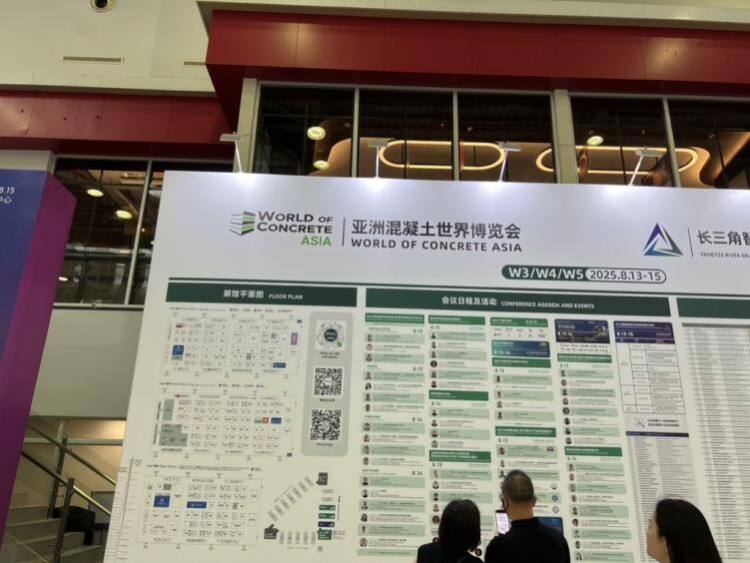
Shandong Huacheng High-Tech Participates in WORLD OF CONCRETE ASIA 2025 in Shanghai

25

Feb

Shandong Huacheng High-Tech Participates in WORLD OF CONCRETE ASIA 2025 in Shanghai

View More
Shandong Huacheng High-Tech Shines at CHINACOAT 2025 Shanghai

25

Feb

Shandong Huacheng High-Tech Shines at CHINACOAT 2025 Shanghai

View More
Huacheng High-Tech Recognized as Provincial Enterprise Technology Center by Shandong Province

27

Feb

Huacheng High-Tech Recognized as Provincial Enterprise Technology Center by Shandong Province

View More

Get a Free Quote

Our representative will contact you soon.
Email
Mobile/WhatsApp
Name
Company Name
Message
0/1000

permeable asphalt pavement

Superior Stormwater Management and Flood Prevention

Superior Stormwater Management and Flood Prevention

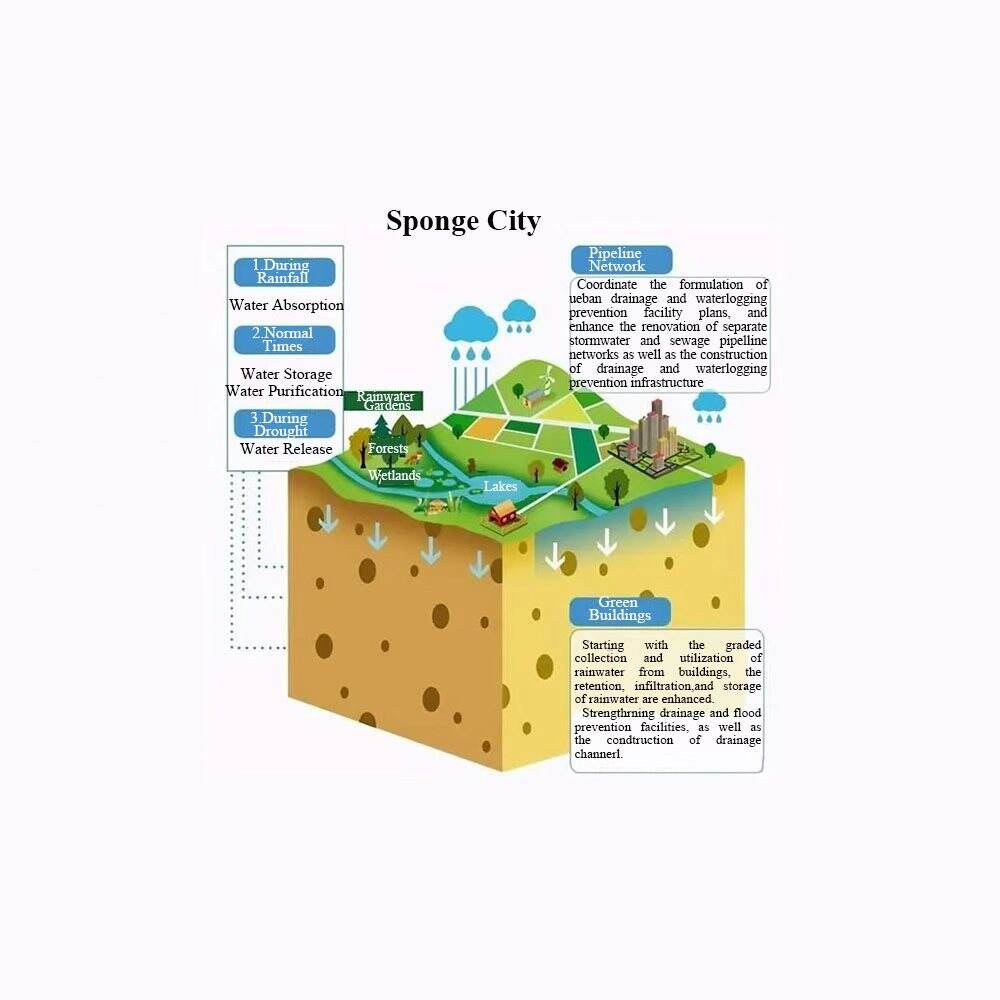
Permeable asphalt pavement revolutionizes stormwater management by transforming traditional impervious surfaces into effective water infiltration systems that prevent flooding and protect communities from water-related damage. This advanced pavement technology captures rainwater directly at the source, allowing precipitation to penetrate through the surface and infiltrate into underlying soil layers rather than contributing to overwhelming drainage systems. The interconnected void structure within permeable asphalt pavement creates pathways for water movement that can handle intense rainfall events, significantly reducing peak runoff rates and volumes that typically cause urban flooding problems. Property owners benefit from eliminated or reduced requirements for expensive stormwater infrastructure such as catch basins, storm sewers, detention ponds, and complex drainage networks. The permeable asphalt pavement system effectively manages water from multiple storm events, including heavy downpours that traditionally overwhelm conventional drainage systems. This capability proves especially valuable in urban areas where impervious surface coverage contributes to flash flooding and infrastructure strain. The pavement's infiltration capacity removes the burden on municipal stormwater systems, reducing the risk of combined sewer overflows that can contaminate local waterways. Environmental protection extends beyond immediate flood prevention, as permeable asphalt pavement helps maintain natural hydrologic cycles by promoting groundwater recharge and supporting local aquifer systems. The technology addresses regulatory compliance requirements for stormwater management, helping developers and municipalities meet increasingly stringent environmental regulations while achieving cost-effective solutions. Long-term performance data demonstrates that properly constructed permeable asphalt pavement maintains its infiltration capabilities throughout its service life, providing reliable stormwater management benefits that justify initial investment costs through reduced infrastructure needs and environmental protection.
Advanced Pollutant Filtration and Water Quality Protection

Advanced Pollutant Filtration and Water Quality Protection

Permeable asphalt pavement functions as a comprehensive water treatment system that actively removes contaminants from stormwater runoff while protecting groundwater resources and local ecosystems from pollution. The multi-layered filtration process begins when rainwater enters the permeable asphalt pavement surface, where larger particles and debris become trapped within the void spaces of the aggregate structure. As water continues to percolate through the pavement system, progressively finer filtration occurs through the underlying base layers and subgrade materials, effectively removing oil, grease, heavy metals, suspended solids, and other urban pollutants before they can reach sensitive environmental areas. This natural treatment process eliminates the need for expensive water quality treatment facilities while providing superior pollutant removal efficiency compared to traditional best management practices. Research studies consistently demonstrate that permeable asphalt pavement removes 80-95 percent of suspended solids, 65-85 percent of phosphorus, and significant percentages of nitrogen compounds, metals, and hydrocarbons from stormwater. The biological processes occurring within the pavement structure enhance treatment effectiveness, as beneficial microorganisms break down organic pollutants and neutralize harmful substances. Property owners gain regulatory compliance advantages through documented water quality improvements that satisfy environmental permit requirements and demonstrate corporate environmental responsibility. The permeable asphalt pavement system protects valuable groundwater resources by preventing contaminated runoff from reaching wells, springs, and aquifer recharge areas. Maintenance of filtration effectiveness remains straightforward through periodic vacuum sweeping that removes accumulated surface debris and restores infiltration capacity. The pavement's self-maintaining characteristics reduce long-term operational costs while providing consistent water quality protection throughout its service life, making it an ideal solution for environmentally sensitive applications such as parking areas near waterways, commercial developments, and institutional facilities committed to environmental stewardship.
Cost-Effective Installation with Long-Term Economic Benefits

Cost-Effective Installation with Long-Term Economic Benefits

Permeable asphalt pavement delivers exceptional economic value through reduced initial construction costs, eliminated infrastructure requirements, and substantial long-term savings that benefit property owners, developers, and municipalities. The installation process typically costs less than combined traditional pavement and stormwater management systems because permeable asphalt pavement eliminates the need for separate drainage infrastructure, retention basins, and complex piping networks. Project timelines accelerate when using permeable asphalt pavement, as contractors avoid extensive excavation and installation of underground drainage systems, reducing labor costs and minimizing site disruption. The simplified construction approach requires fewer permits, inspections, and regulatory approvals compared to projects involving conventional pavement and separate stormwater facilities. Material costs remain competitive due to the use of locally available aggregates and standard asphalt binders, while transportation expenses decrease through reduced material quantities needed for drainage infrastructure. Long-term economic benefits compound over the pavement's service life through minimal maintenance requirements, reduced liability exposure from flooding damage, and improved property values associated with sustainable infrastructure. Insurance costs may decrease for properties utilizing permeable asphalt pavement due to reduced flood risk and demonstrated environmental responsibility. Many jurisdictions offer financial incentives, tax credits, or fee reductions for projects incorporating permeable asphalt pavement technology, further improving project economics. The pavement's durability and resistance to freeze-thaw damage, rutting, and cracking extend service life beyond traditional asphalt surfaces when properly designed and constructed. Energy savings result from reduced need for snow and ice removal operations, as the pavement's drainage characteristics prevent ice formation and reduce salt application requirements. Property owners experience increased marketability and tenant satisfaction through demonstrated environmental stewardship and compliance with green building standards. The economic advantages of permeable asphalt pavement continue to grow as environmental regulations become more stringent and sustainable development practices gain greater importance in real estate markets and corporate responsibility initiatives.

Get a Free Quote

Our representative will contact you soon.
Email
Mobile/WhatsApp
Name
Company Name
Message
0/1000