Porous Asphalt Pavement: Revolutionary Permeable Road Technology for Sustainable Infrastructure

All Categories

Get a Free Quote

Our representative will contact you soon.
Email
Mobile/WhatsApp
Name
Company Name
Message
0/1000

porous asphalt pavement

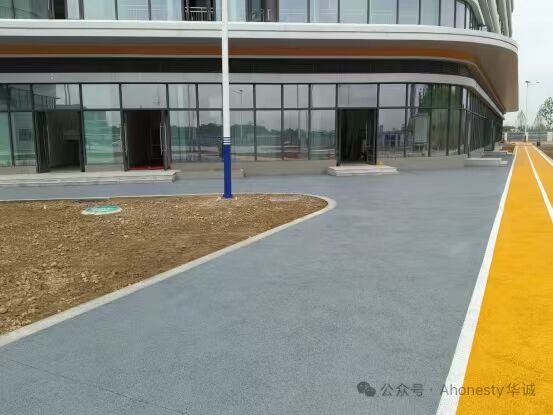
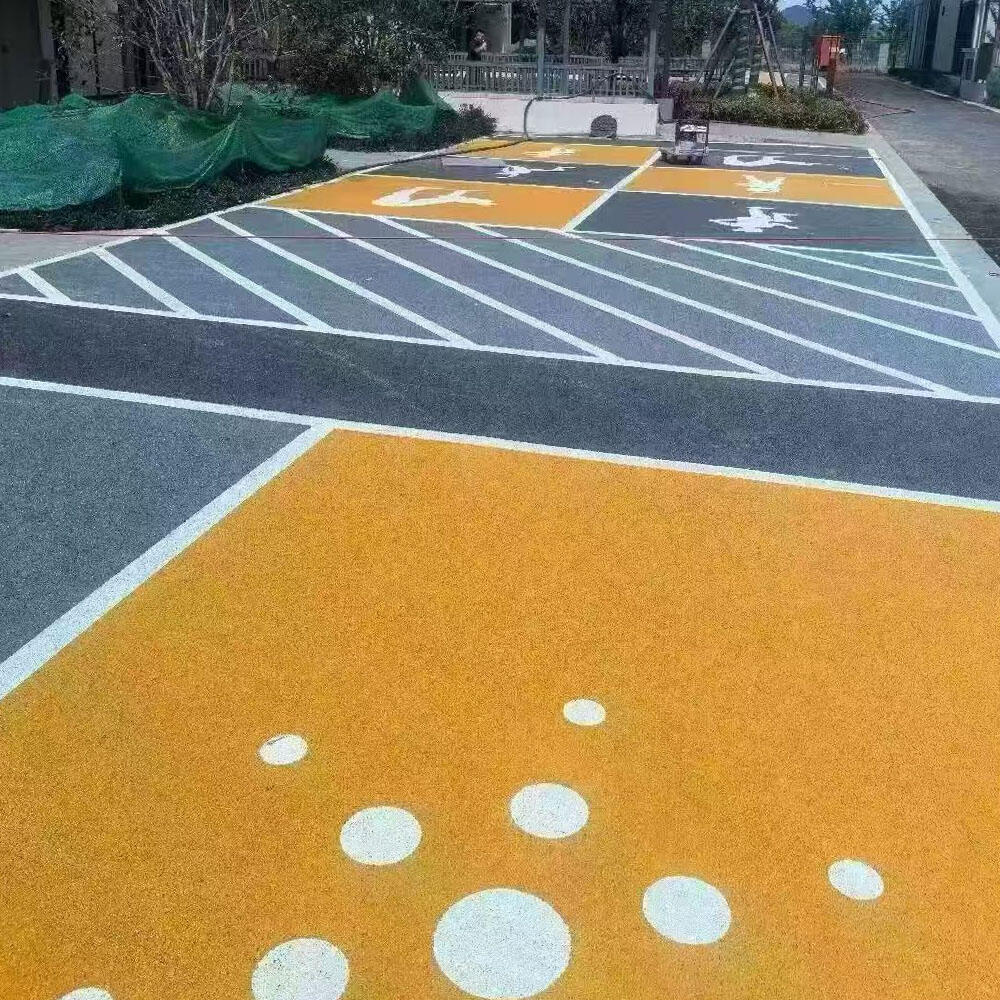
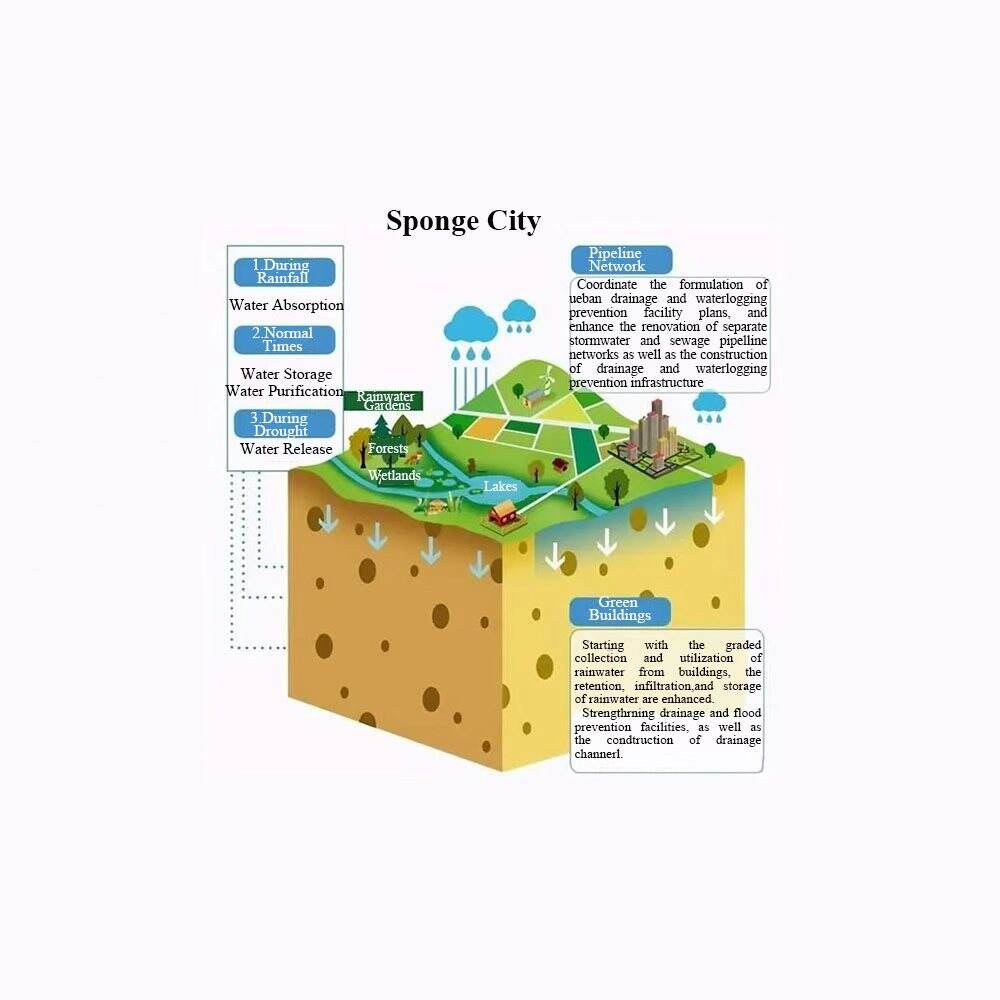
Porous asphalt pavement represents a revolutionary advancement in road construction technology that addresses critical urban infrastructure challenges through its innovative permeable design. This specialized pavement system features an open-graded structure that allows water to infiltrate through the surface and into underlying layers, fundamentally transforming how roadways manage stormwater runoff. The porous asphalt pavement consists of a unique mix of aggregates and modified asphalt binder that creates interconnected void spaces throughout the material structure. These void spaces typically comprise 15-20 percent of the total volume, enabling rapid water penetration while maintaining structural integrity for vehicular traffic. The technological framework of porous asphalt pavement incorporates carefully engineered aggregate gradations that maximize permeability without compromising load-bearing capacity. The construction process requires specialized equipment and techniques to ensure proper compaction levels that preserve the essential void structure. Underneath the porous asphalt pavement surface, a robust drainage system captures and redirects infiltrated water to designated collection points or groundwater recharge areas. This comprehensive approach transforms traditional impermeable roadways into functional components of sustainable urban water management systems. Applications for porous asphalt pavement span diverse settings including parking lots, residential streets, airport runways, and commercial developments where stormwater management presents ongoing challenges. The system proves particularly valuable in urban environments where conventional drainage infrastructure struggles to handle increasing precipitation volumes and development density. Municipal engineers increasingly specify porous asphalt pavement for projects requiring compliance with environmental regulations and green infrastructure mandates. The technology supports Low Impact Development principles by reducing surface runoff, minimizing flooding risks, and protecting downstream water bodies from pollutant loading associated with traditional impervious surfaces.

New Product Recommendations

Porous asphalt pavement delivers exceptional stormwater management capabilities that significantly reduce surface runoff volumes and peak flow rates during rainfall events. Property owners and municipalities experience immediate benefits through decreased flooding risks and reduced strain on existing drainage infrastructure. The permeable surface allows rainwater to infiltrate naturally rather than overwhelming storm drains and causing costly overflow situations. This enhanced water management translates directly into lower municipal maintenance costs and improved community resilience against extreme weather events. The noise reduction properties of porous asphalt pavement create quieter, more pleasant environments for residents and businesses. The open structure absorbs sound waves from vehicle tires, reducing traffic noise by up to 50 percent compared to traditional dense-graded surfaces. This acoustic benefit proves especially valuable in residential neighborhoods, commercial districts, and areas near schools or hospitals where noise pollution impacts quality of life. Property values often increase in areas where porous asphalt pavement installations reduce traffic-related disturbances. Safety improvements represent another compelling advantage as the textured surface provides enhanced skid resistance during wet conditions. Drivers experience better traction and shorter stopping distances because water drains through the pavement rather than creating hazardous surface films. The elimination of standing water also prevents hydroplaning incidents and reduces spray from vehicle wheels, improving visibility for all road users. Winter maintenance becomes more manageable as the permeable structure allows melting snow and ice to drain away effectively, reducing the formation of dangerous ice patches. Environmental benefits extend beyond immediate site conditions as porous asphalt pavement helps filter pollutants from stormwater before it reaches groundwater supplies or surface water bodies. The natural filtration process removes sediments, oils, and other contaminants typically carried by surface runoff from conventional pavements. This water quality improvement supports broader watershed protection goals and may help property owners achieve green building certifications or comply with environmental permits. Long-term cost savings emerge through reduced need for separate stormwater management facilities, lower maintenance requirements for drainage systems, and potential regulatory incentives for sustainable infrastructure adoption. The durability and performance characteristics of properly installed porous asphalt pavement match or exceed traditional alternatives while delivering these additional environmental and economic advantages.

Tips And Tricks

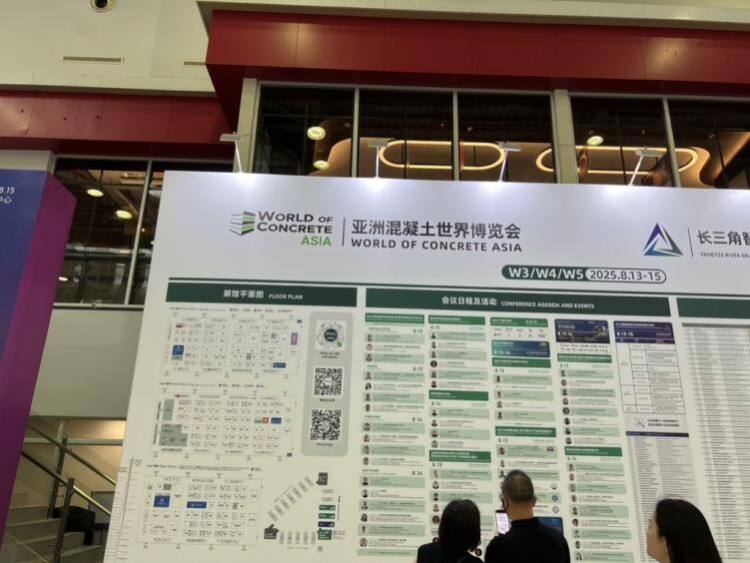
Shandong Huacheng High-Tech Participates in WORLD OF CONCRETE ASIA 2025 in Shanghai

25

Feb

Shandong Huacheng High-Tech Participates in WORLD OF CONCRETE ASIA 2025 in Shanghai

View More
Shandong Huacheng High-Tech Shines at CHINACOAT 2025 Shanghai

25

Feb

Shandong Huacheng High-Tech Shines at CHINACOAT 2025 Shanghai

View More
Huacheng High-Tech Recognized as Provincial Enterprise Technology Center by Shandong Province

27

Feb

Huacheng High-Tech Recognized as Provincial Enterprise Technology Center by Shandong Province

View More

Get a Free Quote

Our representative will contact you soon.
Email
Mobile/WhatsApp
Name
Company Name
Message
0/1000

porous asphalt pavement

Superior Water Management and Flood Prevention

Superior Water Management and Flood Prevention

The water management capabilities of porous asphalt pavement represent a paradigm shift in how communities address stormwater challenges and flood prevention. This innovative surface technology transforms impermeable roadways into functional components of comprehensive watershed management systems. The engineered void structure within porous asphalt pavement allows rapid infiltration rates of up to 600 inches per hour, dramatically exceeding natural soil percolation rates and effectively managing even intense rainfall events. Property owners benefit from significantly reduced surface runoff that traditionally overwhelms municipal storm drain systems and causes costly flooding damage. The permeable design captures rainwater at the source, preventing the accumulation of standing water that creates safety hazards and property damage risks. Municipal engineers report substantial reductions in peak stormwater flows when porous asphalt pavement installations replace conventional impermeable surfaces in watershed areas. This flood prevention capability proves especially critical in urban environments where development has increased impervious surface coverage and traditional drainage infrastructure operates beyond design capacity. The economic value of flood prevention extends beyond immediate property protection to include reduced insurance claims, decreased emergency response costs, and avoided business interruptions during severe weather events. Commercial property managers find that porous asphalt pavement installations eliminate ponding in parking areas, ensuring continued customer access and preventing slip-and-fall liability issues. The natural groundwater recharge facilitated by porous asphalt pavement helps maintain local water table levels and supports sustainable water resource management in communities facing drought concerns or water supply limitations. Environmental regulators increasingly recognize porous asphalt pavement as an effective Best Management Practice for meeting Total Maximum Daily Load requirements and protecting sensitive water bodies from urban runoff impacts. The long-term performance of these systems provides reliable flood protection that adapts to changing precipitation patterns and urban development pressures, making porous asphalt pavement an essential tool for climate-resilient community planning and infrastructure investment strategies that protect both public safety and economic stability.
Enhanced Safety Performance and Noise Reduction

Enhanced Safety Performance and Noise Reduction

The safety performance characteristics of porous asphalt pavement deliver measurable improvements in road user protection while simultaneously addressing noise pollution concerns that affect community livability. The textured surface created by the open aggregate structure provides superior skid resistance compared to traditional smooth pavements, particularly during wet weather conditions when accident risks typically increase. Traffic safety engineers document significant reductions in wet weather accidents on roads surfaced with porous asphalt pavement due to improved tire-to-pavement contact and enhanced water drainage capabilities. The elimination of surface water films prevents hydroplaning incidents that cause vehicles to lose control during rainfall, while the rapid drainage action ensures that drivers maintain optimal traction throughout storm events. Emergency responders report fewer weather-related accidents and improved response times on routes featuring porous asphalt pavement installations. The noise reduction benefits create substantial quality-of-life improvements for residential communities and commercial areas affected by traffic-generated sound pollution. The open structure of porous asphalt pavement absorbs sound energy from tire-pavement interaction, reducing noise levels by 3-5 decibels compared to conventional surfaces, which represents a 50 percent reduction in perceived loudness. Property owners near busy roadways experience quieter environments that enhance property values and resident satisfaction. Commercial developments benefit from reduced noise complaints and improved customer experiences in outdoor spaces adjacent to porous asphalt pavement installations. The safety advantages extend to pedestrian areas where the improved drainage prevents slippery conditions and reduces splash-back from vehicles. Winter maintenance operations become more effective as the permeable structure allows de-icing materials to penetrate the surface and prevents the formation of ice sheets that create hazardous driving conditions. Fleet operators report reduced vehicle maintenance costs and improved driver safety scores on routes utilizing porous asphalt pavement due to decreased tire wear and fewer weather-related incidents. The dual benefits of enhanced safety and noise reduction make porous asphalt pavement an attractive solution for communities seeking to improve transportation infrastructure while addressing broader livability concerns that affect economic development and resident retention.
Environmental Sustainability and Regulatory Compliance

Environmental Sustainability and Regulatory Compliance

The environmental sustainability profile of porous asphalt pavement addresses critical regulatory requirements while delivering measurable ecological benefits that support long-term community environmental goals. This permeable infrastructure functions as a natural filtration system that removes pollutants from stormwater runoff before contaminants reach groundwater supplies or sensitive surface water bodies. The filtering action occurs as water passes through the aggregate structure, where physical straining and biological processes capture sediments, petroleum products, heavy metals, and other urban pollutants typically carried by surface runoff from conventional impermeable pavements. Environmental compliance officers recognize porous asphalt pavement installations as effective Best Management Practices that help municipalities meet increasingly stringent stormwater quality regulations and Total Maximum Daily Load requirements for impaired watersheds. The natural groundwater recharge facilitated by these permeable surfaces supports aquifer replenishment and maintains base flow in local streams, contributing to ecosystem health and water resource sustainability. Carbon footprint reductions result from decreased energy consumption associated with stormwater pumping and treatment operations when porous asphalt pavement manages runoff naturally rather than requiring mechanical infrastructure. Life cycle assessments demonstrate that porous asphalt pavement systems provide superior environmental performance compared to traditional pavements combined with separate stormwater management facilities. The material composition often incorporates recycled aggregates and sustainable binder modifications that reduce virgin material consumption and support circular economy principles. Green building certification programs including LEED and SITES award credits for porous asphalt pavement installations that demonstrate stormwater management and sustainable site development practices. Property developers find that porous asphalt pavement helps achieve required green infrastructure targets while providing functional parking and roadway surfaces without additional land area requirements. The heat island reduction benefits occur through the light-colored aggregate exposure and evapotranspiration effects that lower surface temperatures compared to traditional dark asphalt surfaces. Long-term environmental monitoring studies confirm that properly maintained porous asphalt pavement systems continue delivering water quality benefits throughout their service life, making them reliable components of comprehensive environmental management strategies that protect community health and natural resources while meeting regulatory obligations.

Get a Free Quote

Our representative will contact you soon.
Email
Mobile/WhatsApp
Name
Company Name
Message
0/1000