Permeable Concrete Cost Guide: Investment Benefits and Long-Term Value Analysis

All Categories

Get a Free Quote

Our representative will contact you soon.
Email
Mobile/WhatsApp
Name
Company Name
Message
0/1000

permeable concrete cost

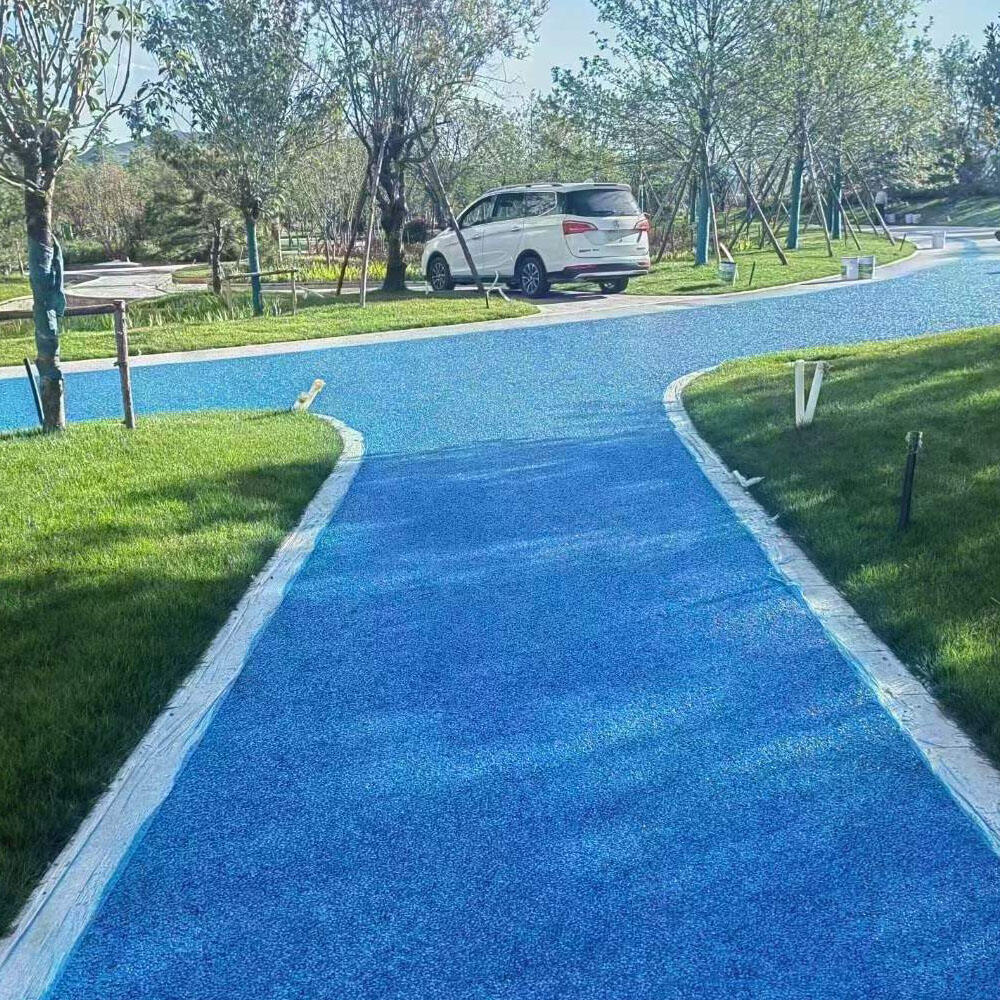
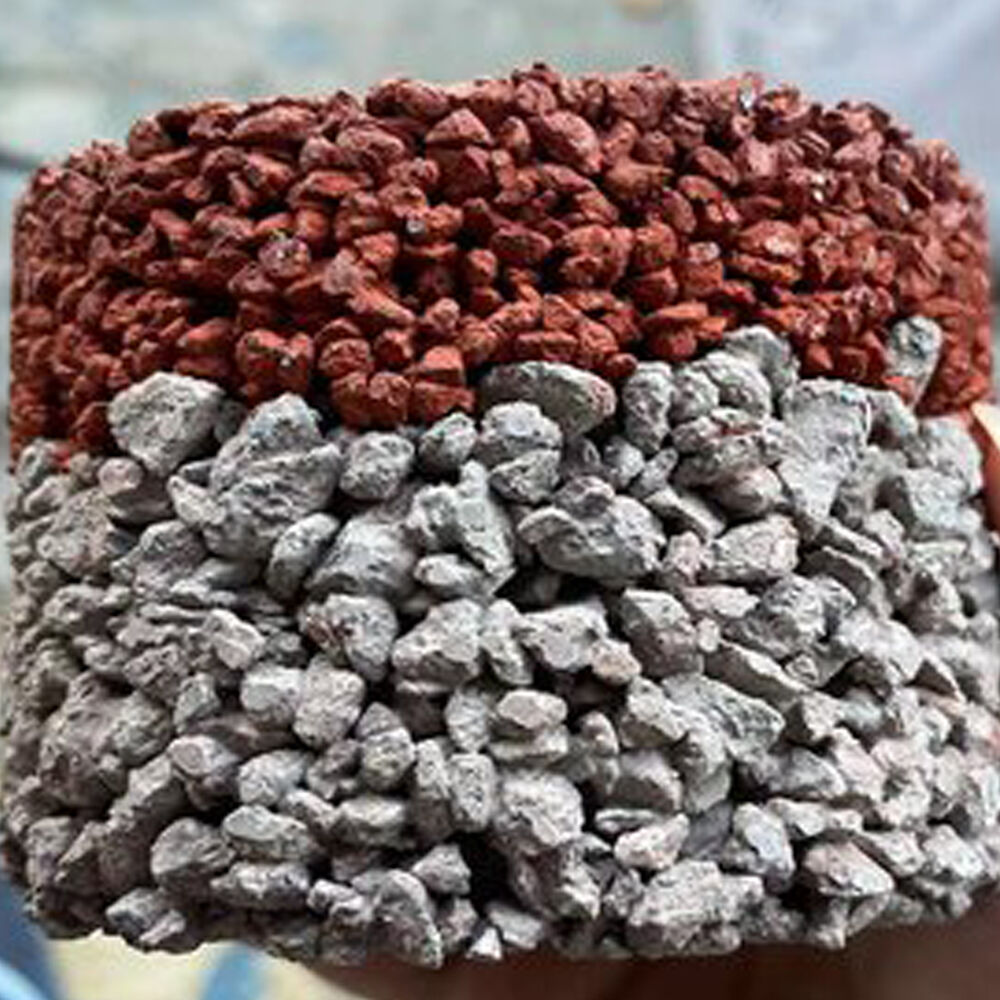
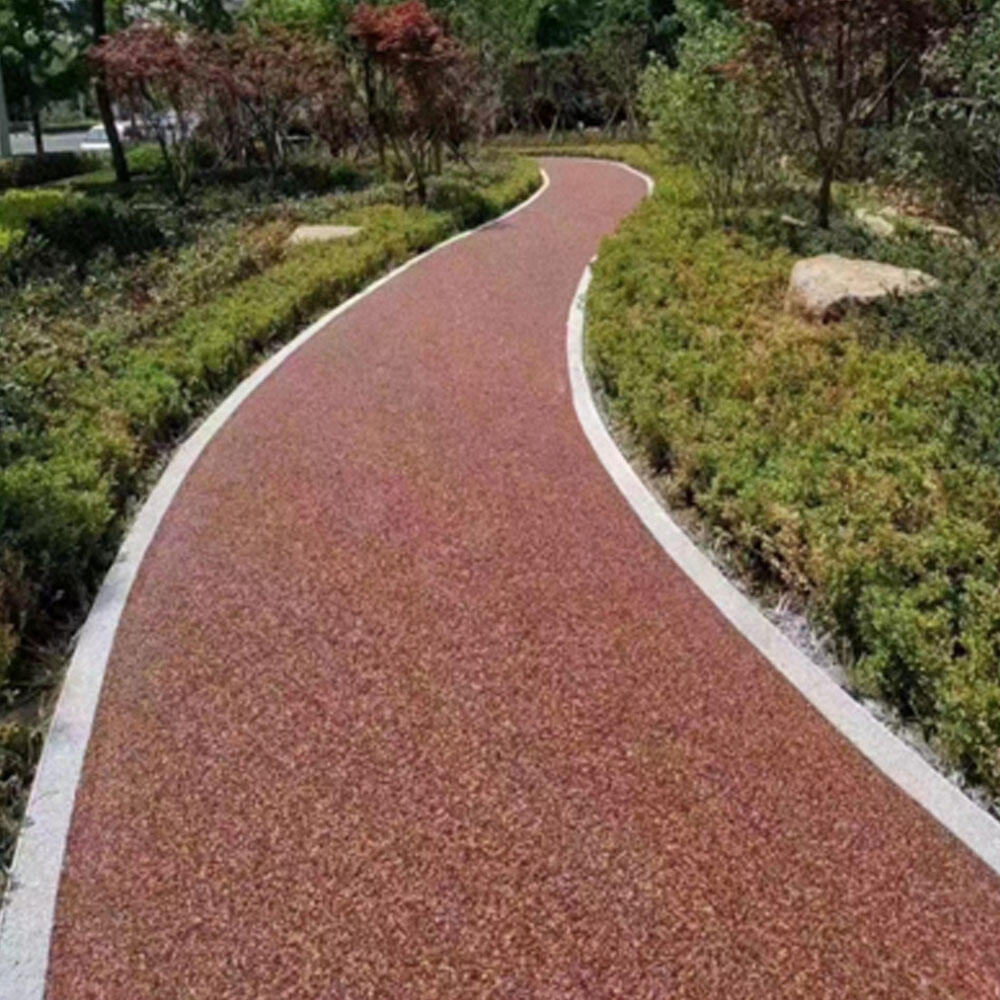
Understanding permeable concrete cost requires examining both initial investment and long-term value proposition. Permeable concrete, also known as pervious concrete, represents an innovative construction material designed to allow water infiltration through its porous structure. The permeable concrete cost typically ranges from $3 to $8 per square foot installed, depending on project specifications, local labor rates, and site conditions. This sustainable paving solution functions as a natural water management system by allowing rainwater to pass directly through the concrete surface into underlying soil layers. The technological features of permeable concrete include a specially formulated mix with minimal fine aggregates, creating interconnected void spaces that facilitate water drainage. These void spaces, typically comprising 15-25% of the concrete volume, enable rapid water absorption while maintaining structural integrity for vehicular and pedestrian traffic. The permeable concrete cost reflects advanced manufacturing processes that ensure optimal porosity without compromising durability. Applications span residential driveways, commercial parking lots, sidewalks, and municipal infrastructure projects where stormwater management is critical. The material effectively reduces surface runoff, minimizes flooding risks, and helps recharge groundwater supplies. When evaluating permeable concrete cost, property owners must consider installation complexity, substrate preparation requirements, and specialized equipment needs. The porous structure requires careful attention to proper base preparation, typically involving graded stone layers and geotextile fabrics to prevent clogging and ensure long-term performance. Despite higher initial permeable concrete cost compared to traditional concrete, the material offers significant environmental benefits and potential cost savings through reduced stormwater management infrastructure needs. Many municipalities provide incentives or rebates for permeable concrete installations, effectively reducing the overall permeable concrete cost for qualifying projects. The material supports sustainable development goals while providing functional, durable surfaces suitable for various applications requiring effective water management solutions.

New Product Releases

The advantages of permeable concrete extend far beyond its initial cost considerations, delivering substantial benefits that justify the investment for property owners and developers. First, permeable concrete dramatically reduces stormwater runoff, eliminating the need for expensive drainage systems and retention ponds. This natural water management capability can save thousands of dollars in infrastructure costs while preventing costly flood damage to surrounding properties. The permeable concrete cost becomes more attractive when you factor in these avoided expenses and potential insurance savings from reduced flood risk. Environmental benefits translate into practical advantages for users. The material helps recharge groundwater supplies naturally, supporting local water tables and reducing dependence on municipal stormwater systems. This eco-friendly approach often qualifies for green building credits and sustainability certifications, adding value to commercial developments and potentially reducing regulatory compliance costs. The permeable concrete cost investment supports corporate environmental responsibility goals while delivering measurable performance benefits. Maintenance advantages make permeable concrete particularly appealing for long-term ownership. The material requires minimal upkeep beyond occasional vacuum cleaning to remove debris from pores. Unlike traditional concrete that may crack and require frequent repairs, permeable concrete's flexible structure accommodates ground movement better, reducing maintenance expenses over time. This durability factor significantly improves the lifetime value proposition despite higher initial permeable concrete cost. Temperature regulation represents another practical benefit. Permeable concrete surfaces remain cooler than traditional pavement, reducing urban heat island effects and creating more comfortable outdoor environments. This cooling effect can lower adjacent building energy costs and improve property appeal. The material also provides better traction in wet conditions, enhancing safety for vehicles and pedestrians while potentially reducing liability risks. Installation flexibility allows permeable concrete to work in various applications where traditional drainage solutions would be impractical or expensive. The material can be customized with different colors and textures to meet aesthetic requirements while maintaining functionality. This versatility makes the permeable concrete cost worthwhile for projects requiring both performance and visual appeal. Financial incentives from municipalities and utility companies often offset initial permeable concrete cost through rebates, tax credits, or reduced stormwater fees, improving project economics significantly.

Latest News

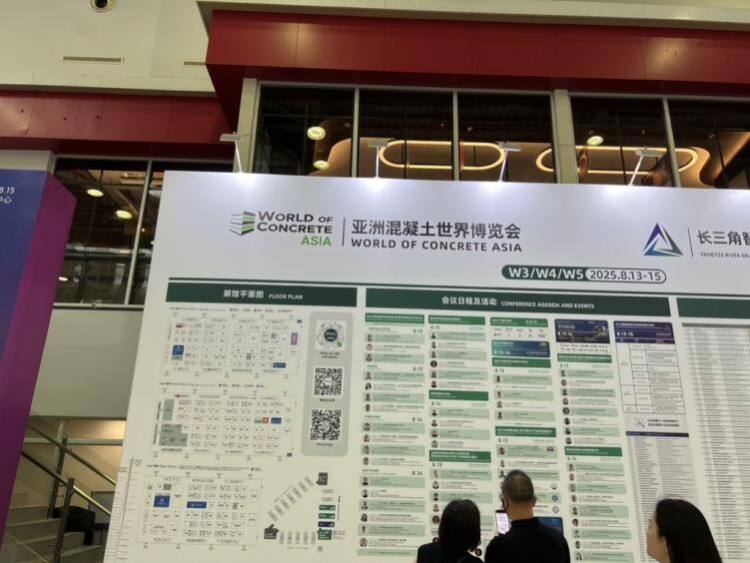
Shandong Huacheng High-Tech Participates in WORLD OF CONCRETE ASIA 2025 in Shanghai

25

Feb

Shandong Huacheng High-Tech Participates in WORLD OF CONCRETE ASIA 2025 in Shanghai

View More
Shandong Huacheng High-Tech Shines at CHINACOAT 2025 Shanghai

25

Feb

Shandong Huacheng High-Tech Shines at CHINACOAT 2025 Shanghai

View More
Huacheng High-Tech Recognized as Provincial Enterprise Technology Center by Shandong Province

27

Feb

Huacheng High-Tech Recognized as Provincial Enterprise Technology Center by Shandong Province

View More

Get a Free Quote

Our representative will contact you soon.
Email
Mobile/WhatsApp
Name
Company Name
Message
0/1000

permeable concrete cost

Superior Stormwater Management Performance

Superior Stormwater Management Performance

Permeable concrete delivers unmatched stormwater management capabilities that traditional paving materials cannot match, making the permeable concrete cost a smart investment for property owners facing drainage challenges. The engineered porous structure allows water to infiltrate at rates exceeding 100 inches per hour, far surpassing natural soil infiltration rates and eliminating surface ponding issues that plague conventional pavement installations. This exceptional drainage performance means property owners can eliminate expensive storm drain systems, catch basins, and retention facilities that would otherwise be required for traditional impervious surfaces. The permeable concrete cost savings become evident when comparing total project expenses, as avoided infrastructure can reduce overall development costs by 15-30 percent. The material's water management effectiveness extends beyond simple drainage, actively contributing to groundwater recharge and natural hydrologic cycle restoration. Unlike traditional concrete that creates impermeable barriers forcing water into overloaded municipal systems, permeable concrete allows natural water infiltration patterns to continue functioning. This approach reduces stress on aging municipal infrastructure while supporting sustainable development practices increasingly required by regulatory agencies. The permeable concrete cost investment supports compliance with increasingly strict stormwater regulations while providing superior performance compared to alternative solutions. Long-term performance data demonstrates that properly installed permeable concrete maintains drainage effectiveness for decades with minimal maintenance. The interconnected void structure resists clogging when properly designed and maintained, ensuring consistent water infiltration throughout the pavement's service life. This reliability makes the permeable concrete cost particularly attractive for critical applications where drainage failure could result in significant property damage or liability exposure. Property owners benefit from reduced flood insurance premiums, eliminated drainage maintenance costs, and improved property values through enhanced stormwater management. The material's proven performance in various climatic conditions and traffic applications demonstrates versatility that justifies the permeable concrete cost across diverse project types. Professional installation ensures optimal void ratios and proper base preparation, maximizing drainage performance and return on investment for the permeable concrete cost expenditure.
Long-Term Economic Value and Incentive Programs

Long-Term Economic Value and Incentive Programs

The long-term economic benefits of permeable concrete far exceed initial installation costs, making the permeable concrete cost an intelligent financial decision for forward-thinking property owners. Comprehensive lifecycle cost analysis reveals significant savings through reduced maintenance requirements, eliminated drainage infrastructure needs, and potential revenue generation through government incentive programs. Many municipalities offer substantial rebates ranging from $1-3 per square foot for permeable concrete installations, directly offsetting permeable concrete cost and improving project economics immediately upon completion. These incentive programs reflect governmental recognition of permeable concrete's value in reducing municipal stormwater management expenses and supporting environmental sustainability goals. The permeable concrete cost investment becomes even more attractive when considering avoided expenses for traditional drainage systems. Conventional developments require extensive storm sewer networks, detention basins, and water treatment facilities that can cost tens of thousands of dollars for typical commercial projects. Permeable concrete eliminates these requirements while providing superior drainage performance, creating immediate cost savings that often exceed the premium associated with permeable concrete cost. Property tax benefits and green building certification credits provide additional economic advantages that improve long-term return on investment. Insurance companies increasingly recognize permeable concrete's flood risk reduction benefits, offering premium reductions for properties utilizing this technology. These ongoing savings accumulate over time, further justifying the initial permeable concrete cost through reduced operating expenses. The material's durability characteristics contribute to long-term economic value through reduced replacement and repair costs. Traditional concrete surfaces require regular crack sealing, resurfacing, and eventual replacement due to freeze-thaw damage and settling issues. Permeable concrete's flexible structure accommodates ground movement better, extending service life and reducing maintenance interventions. Professional installations backed by proper warranties provide additional economic security, ensuring the permeable concrete cost investment delivers expected performance throughout the pavement's design life. Energy savings from reduced urban heat island effects create additional economic benefits for adjacent buildings, while improved property marketability enhances resale values. Commercial developers report faster lease-up rates and premium rental rates for properties featuring sustainable infrastructure including permeable concrete installations.
Environmental Sustainability and Regulatory Compliance Benefits

Environmental Sustainability and Regulatory Compliance Benefits

Permeable concrete represents the gold standard for sustainable pavement solutions, making the permeable concrete cost a strategic investment in environmental stewardship and regulatory compliance. The material actively contributes to watershed protection by filtering pollutants from stormwater runoff before infiltration into groundwater supplies. This natural filtration process removes suspended solids, oils, and other contaminants that would otherwise flow directly into storm drains and receiving waters. The environmental protection capability makes permeable concrete cost particularly attractive for projects near sensitive water bodies or in areas with strict environmental regulations. Groundwater recharge benefits provide measurable environmental improvements that support local ecosystems and water supply sustainability. Traditional impervious surfaces disrupt natural hydrologic cycles by preventing rainwater infiltration, forcing water into artificial drainage systems that often discharge into rivers and streams without natural filtration. Permeable concrete restores natural water infiltration patterns, supporting aquifer recharge and maintaining base flow in streams and wetlands. This environmental benefit justifies permeable concrete cost for environmentally conscious developers and municipalities seeking to protect water resources. Carbon footprint reduction represents another significant environmental advantage that enhances the value proposition of permeable concrete cost. The material's cooling properties reduce urban heat island effects, lowering energy consumption for air conditioning in adjacent buildings. Manufacturing processes for permeable concrete can incorporate recycled materials and require less cement than traditional concrete, reducing embodied carbon and supporting circular economy principles. These environmental benefits align with corporate sustainability goals and may qualify for carbon offset credits that provide additional economic value beyond the initial permeable concrete cost. Regulatory compliance advantages become increasingly important as environmental regulations tighten worldwide. Many jurisdictions now require low-impact development practices for new construction projects, making permeable concrete installations mandatory rather than optional. Early adoption of this technology positions property owners ahead of regulatory requirements while avoiding costly retrofits later. The permeable concrete cost investment ensures compliance with current and anticipated future regulations while demonstrating environmental leadership. Biodiversity benefits emerge from improved soil moisture conditions and reduced surface temperatures around permeable concrete installations. These microclimatic improvements support urban forestry and landscaping success, creating more attractive and valuable properties. Professional environmental impact assessments consistently demonstrate positive outcomes from permeable concrete installations, validating the environmental benefits that justify permeable concrete cost for sustainability-focused projects.

Get a Free Quote

Our representative will contact you soon.
Email
Mobile/WhatsApp
Name
Company Name
Message
0/1000