Permeable Road Solutions - Advanced Porous Pavement Technology for Sustainable Infrastructure

All Categories

Get a Free Quote

Our representative will contact you soon.
Email
Mobile/WhatsApp
Name
Company Name
Message
0/1000

permeable road

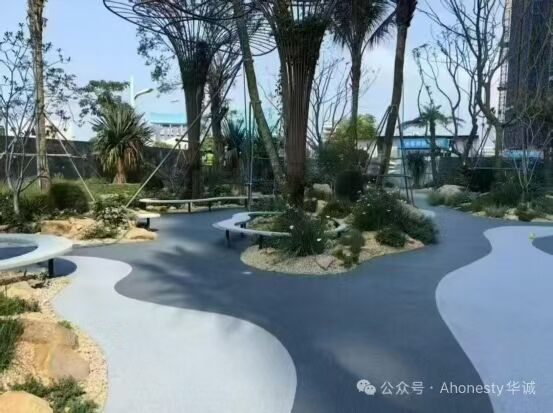
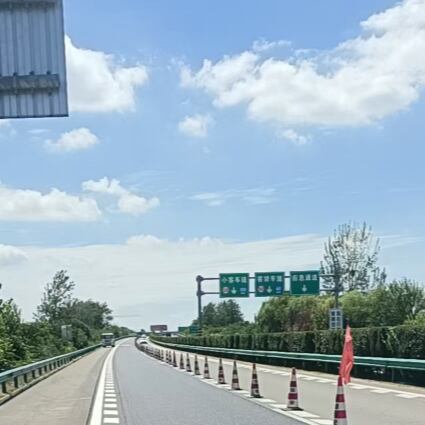
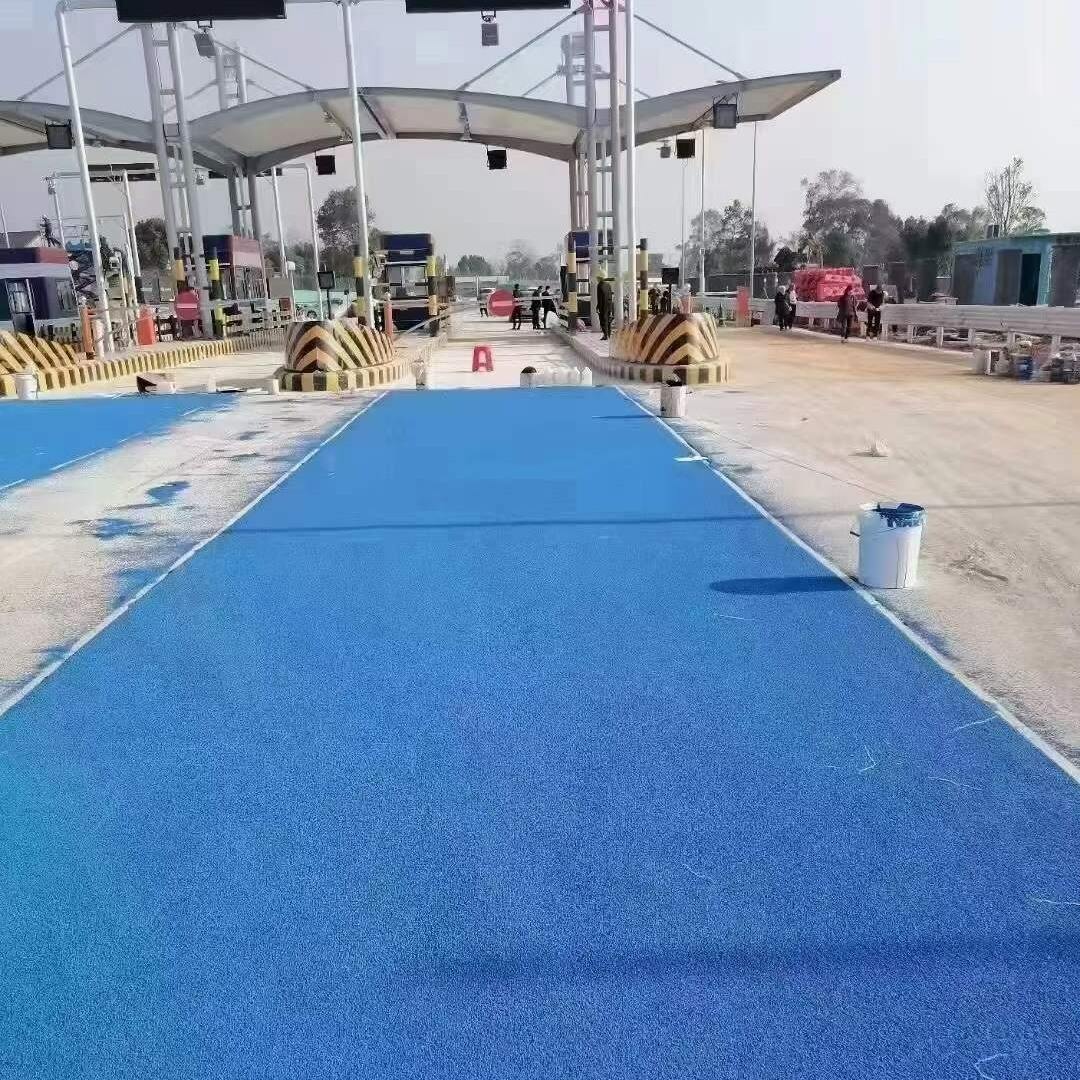
A permeable road represents a revolutionary advancement in modern pavement technology that addresses critical urban infrastructure challenges through innovative engineering solutions. This cutting-edge road surface system incorporates specially designed materials and construction techniques that allow water to penetrate through the pavement structure, creating a functional drainage system integrated directly into the roadway. The permeable road utilizes porous asphalt or pervious concrete materials that contain interconnected void spaces, enabling stormwater to filter through the surface and into underlying storage layers or natural groundwater systems. The technological foundation of permeable road construction involves carefully calibrated aggregate gradations, specialized binding agents, and precise compaction methods that maintain structural integrity while preserving porosity. These roads feature multiple functional layers including a porous surface course, filter layer, and stone reservoir base that work together to manage water flow and provide adequate load-bearing capacity for vehicular traffic. The permeable road system effectively combines transportation infrastructure with environmental management, offering dual functionality that traditional impervious pavements cannot provide. Construction techniques for permeable road installation require specific expertise in material selection, proper subgrade preparation, and quality control measures to ensure optimal performance. The applications of permeable road technology span various settings including residential neighborhoods, commercial parking areas, industrial facilities, and municipal street networks. These sustainable pavement solutions prove particularly valuable in urban environments where stormwater management poses significant challenges to existing drainage infrastructure. The permeable road design accommodates different traffic loads and environmental conditions through customizable specifications that can be tailored to specific project requirements. Modern permeable road systems incorporate advanced materials science and hydraulic engineering principles to deliver reliable performance across diverse climatic conditions while supporting sustainable urban development initiatives.

Popular Products

The implementation of permeable road technology delivers substantial environmental benefits that transform urban water management strategies and reduce the burden on municipal stormwater systems. Property owners and municipalities experience immediate cost savings through reduced requirements for traditional drainage infrastructure such as storm sewers, retention ponds, and water treatment facilities. The permeable road naturally filters pollutants from surface runoff, removing oil, sediments, and other contaminants before they reach groundwater supplies or waterways, creating cleaner communities and protecting local ecosystems. Urban heat island effects diminish significantly when permeable road surfaces replace conventional asphalt, as the porous structure allows for better air circulation and reduced surface temperatures that contribute to more comfortable neighborhood environments. Flooding risks decrease dramatically in areas utilizing permeable road systems, as these surfaces can absorb rainfall rates of up to 600 gallons per minute per square foot, preventing water accumulation during heavy precipitation events. Installation and maintenance costs remain competitive with traditional pavement options while providing additional value through integrated stormwater management capabilities that eliminate the need for separate drainage solutions. The permeable road surface reduces vehicle splash and spray during wet conditions, improving driver visibility and safety for all road users while minimizing weather-related traffic hazards. Groundwater recharge occurs naturally through permeable road systems, helping maintain local water tables and supporting sustainable water resource management in communities facing water scarcity challenges. Noise pollution decreases when vehicles travel on permeable road surfaces due to the sound-absorbing properties of the porous material structure, creating quieter neighborhoods and improved quality of life for residents. Long-term durability of properly constructed permeable road systems matches or exceeds conventional pavement performance while delivering ongoing environmental and economic advantages throughout the service life of the infrastructure investment.

Latest News

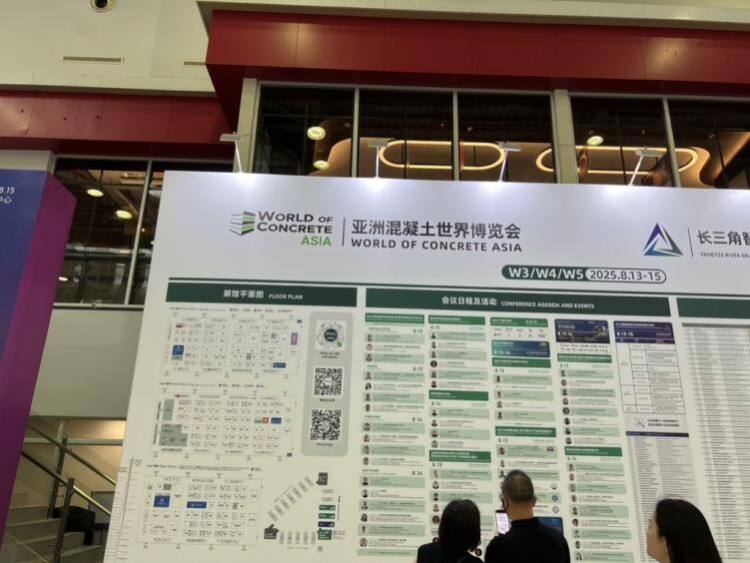
Shandong Huacheng High-Tech Participates in WORLD OF CONCRETE ASIA 2025 in Shanghai

25

Feb

Shandong Huacheng High-Tech Participates in WORLD OF CONCRETE ASIA 2025 in Shanghai

View More
Shandong Huacheng High-Tech Shines at CHINACOAT 2025 Shanghai

25

Feb

Shandong Huacheng High-Tech Shines at CHINACOAT 2025 Shanghai

View More
Huacheng High-Tech Recognized as Provincial Enterprise Technology Center by Shandong Province

27

Feb

Huacheng High-Tech Recognized as Provincial Enterprise Technology Center by Shandong Province

View More

Get a Free Quote

Our representative will contact you soon.
Email
Mobile/WhatsApp
Name
Company Name
Message
0/1000

permeable road

Advanced Stormwater Management Integration

Advanced Stormwater Management Integration

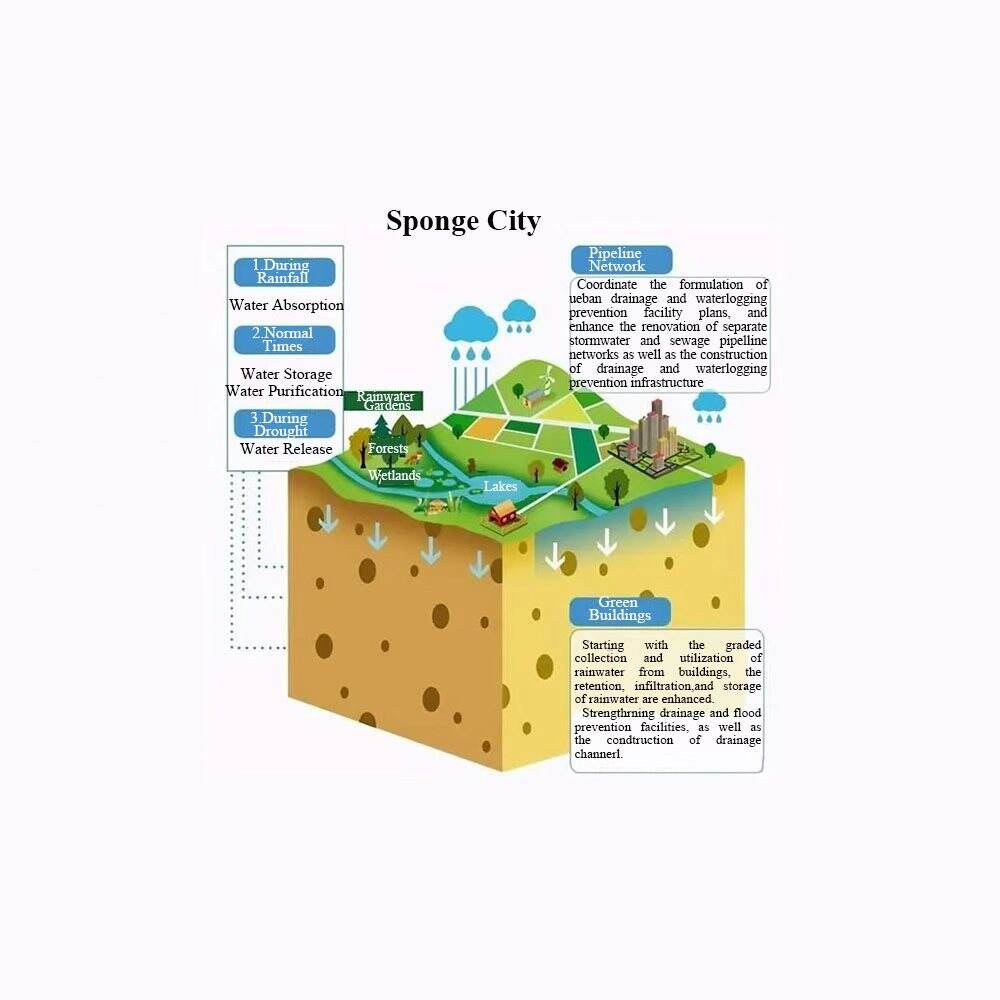
The permeable road system revolutionizes urban water management through its sophisticated integration of transportation infrastructure with comprehensive stormwater control mechanisms. This innovative approach eliminates the traditional separation between roadway surfaces and drainage systems by creating a unified solution that handles both traffic loads and water management simultaneously. The permeable road structure features engineered porosity that allows rapid water infiltration while maintaining the structural integrity necessary for vehicular traffic, effectively transforming every square foot of pavement into a functional component of the overall stormwater management network. The multi-layered design of permeable road systems incorporates a porous wearing surface that facilitates immediate water penetration, followed by filter layers that remove contaminants and pollutants from the infiltrating water. Beneath these layers, a substantial stone reservoir base provides temporary water storage capacity while allowing controlled release into underlying soil or engineered drainage systems. This comprehensive approach to water management through permeable road technology significantly reduces peak stormwater flows, minimizes flooding risks, and decreases the burden on municipal drainage infrastructure. The environmental benefits extend beyond simple water collection, as the permeable road system actively improves water quality through natural filtration processes that remove suspended solids, hydrocarbons, and other urban pollutants before they reach groundwater supplies or surface water bodies. Communities implementing permeable road solutions experience measurable improvements in local water quality, reduced erosion, and enhanced groundwater recharge rates that support long-term water resource sustainability and environmental protection goals.
Superior Durability and Performance Engineering

Superior Durability and Performance Engineering

The engineering excellence behind permeable road construction delivers exceptional durability and performance characteristics that exceed traditional pavement expectations while maintaining superior functionality across diverse environmental conditions. Advanced material science drives the development of permeable road systems through carefully optimized aggregate selections, specialized binding agents, and precision construction techniques that create robust pavement structures capable of withstanding heavy traffic loads and extreme weather conditions. The permeable road design incorporates high-strength materials and proven construction methodologies that ensure long-term structural performance while preserving the critical porosity necessary for effective water management functionality. Quality control measures during permeable road installation include comprehensive testing protocols that verify proper material properties, adequate compaction levels, and optimal porosity rates to guarantee performance specifications throughout the design life of the pavement system. The flexible design characteristics of permeable road technology accommodate various traffic loads from light residential use to heavy commercial applications through customizable specifications that match specific project requirements and performance expectations. Maintenance requirements for permeable road systems remain minimal compared to traditional pavements, with routine care consisting primarily of periodic cleaning to maintain surface porosity and occasional inspection of drainage components. The proven track record of permeable road installations demonstrates consistent performance across different climatic zones, soil conditions, and traffic patterns, validating the reliability of this technology for diverse infrastructure applications. Advanced testing and monitoring of existing permeable road projects confirm that properly designed and constructed systems maintain their hydraulic performance and structural integrity over extended service periods, providing confidence in long-term investment value and continued functionality for property owners and transportation agencies.
Economic Value and Cost-Effectiveness Analysis

Economic Value and Cost-Effectiveness Analysis

The financial advantages of implementing permeable road technology create compelling value propositions for property developers, municipalities, and infrastructure investors through significant cost reductions and long-term economic benefits. Initial construction costs for permeable road projects often compare favorably with traditional pavement installations when factoring in the eliminated need for separate stormwater management infrastructure such as storm drains, retention basins, and water treatment facilities. The integrated approach of permeable road systems reduces overall project complexity and construction timelines by combining transportation and drainage functions into a single infrastructure solution, resulting in lower engineering costs, simplified permitting processes, and reduced construction management requirements. Long-term maintenance expenses for permeable road installations typically remain lower than conventional pavement systems due to the absence of separate drainage infrastructure that requires ongoing maintenance, repair, and replacement over the facility lifecycle. Property owners benefit from reduced stormwater utility fees and regulatory compliance costs in jurisdictions that offer incentives for sustainable infrastructure practices, creating ongoing operational savings that enhance the return on investment for permeable road projects. The economic benefits extend to community-wide impacts through reduced flood damage, lower municipal infrastructure costs, and decreased environmental remediation expenses associated with stormwater pollution and urban runoff management. Insurance costs may decrease for properties utilizing permeable road systems due to reduced flooding risks and improved stormwater management, providing additional financial incentives for property owners and developers. The growing regulatory emphasis on sustainable infrastructure practices creates market advantages for properties incorporating permeable road technology, potentially increasing property values and marketability while demonstrating environmental responsibility and forward-thinking development approaches that appeal to environmentally conscious tenants, buyers, and stakeholders in today's marketplace.


Get a Free Quote

Our representative will contact you soon.
Email
Mobile/WhatsApp
Name
Company Name
Message
0/1000