polyurethane adhesive price
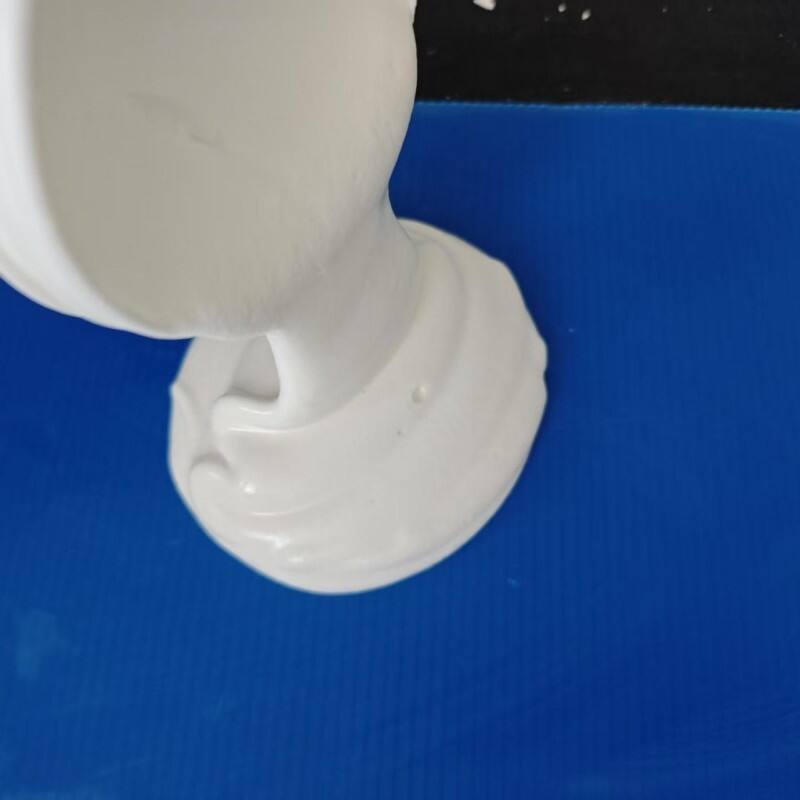
Polyurethane adhesive price represents a critical factor for businesses seeking high-performance bonding solutions across various industries. These versatile adhesives offer exceptional bonding strength while maintaining competitive pricing structures that make them accessible for both large-scale manufacturing operations and specialized applications. The polyurethane adhesive price varies significantly based on formulation complexity, performance characteristics, and intended use cases, ranging from economical general-purpose formulations to premium specialty grades designed for demanding environments. Understanding the comprehensive value proposition behind polyurethane adhesive pricing requires examining their main functions, which include structural bonding, flexible joint creation, and weatherproofing applications. These adhesives excel in creating durable bonds between dissimilar materials such as metals, plastics, wood, glass, and composites, making them indispensable in automotive, construction, aerospace, and marine industries. Technologically, polyurethane adhesives feature remarkable flexibility after curing, excellent chemical resistance, and superior adhesion properties that justify their market position. The curing process can be tailored through moisture cure, heat activation, or two-component systems, providing manufacturers with processing flexibility that impacts the overall polyurethane adhesive price structure. Applications span from automotive windshield installation and structural glazing to footwear manufacturing and electronic component assembly. The temperature resistance ranges from -40°C to +120°C in standard formulations, with specialized grades extending these limits further. UV stability, paintability, and gap-filling capabilities add to their functional versatility. When evaluating polyurethane adhesive price considerations, buyers must factor in performance longevity, application efficiency, and reduced maintenance costs that often offset initial investment concerns, making these adhesives economically attractive for long-term applications requiring reliable bonding performance.




 EN
EN