Professional Polyurethane Bonding Adhesive Solutions - Superior Flexibility & Multi-Substrate Performance

All Categories

Get a Free Quote

Our representative will contact you soon.
Email
Mobile/WhatsApp
Name
Company Name
Message
0/1000

polyurethane bonding adhesive

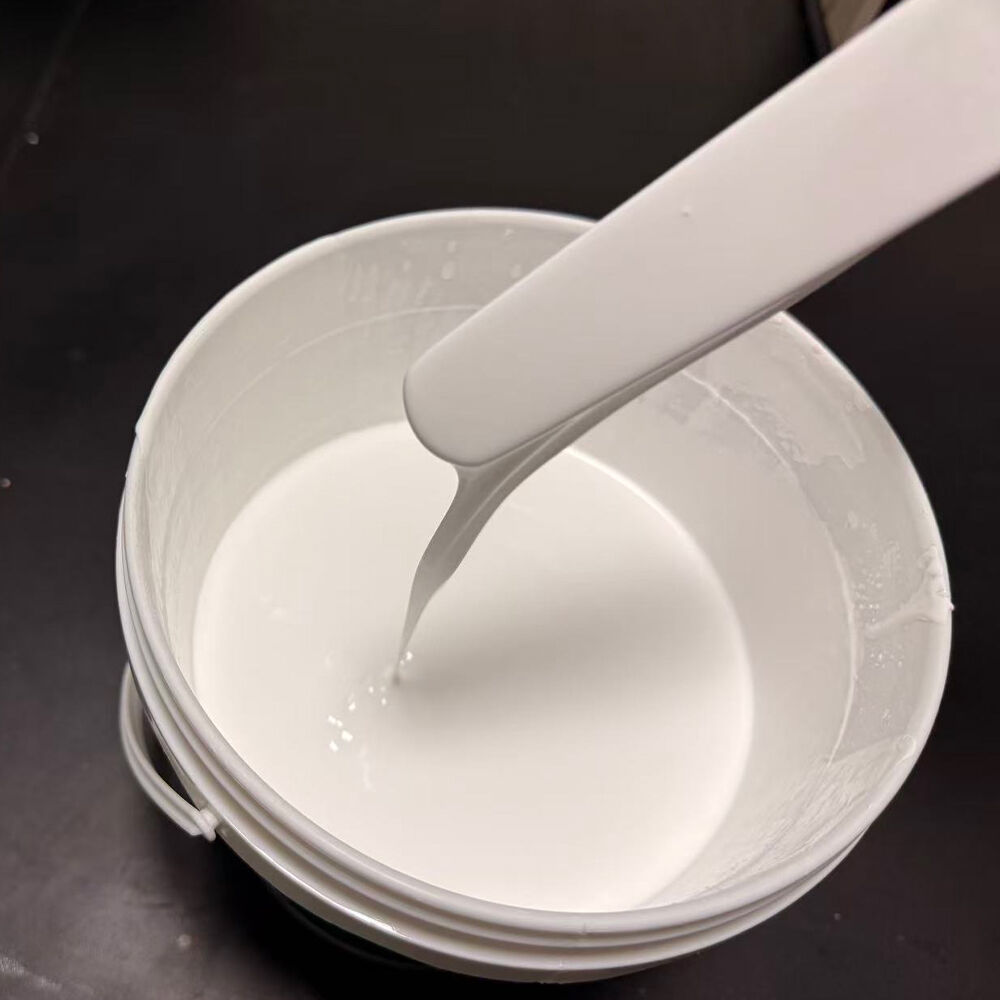
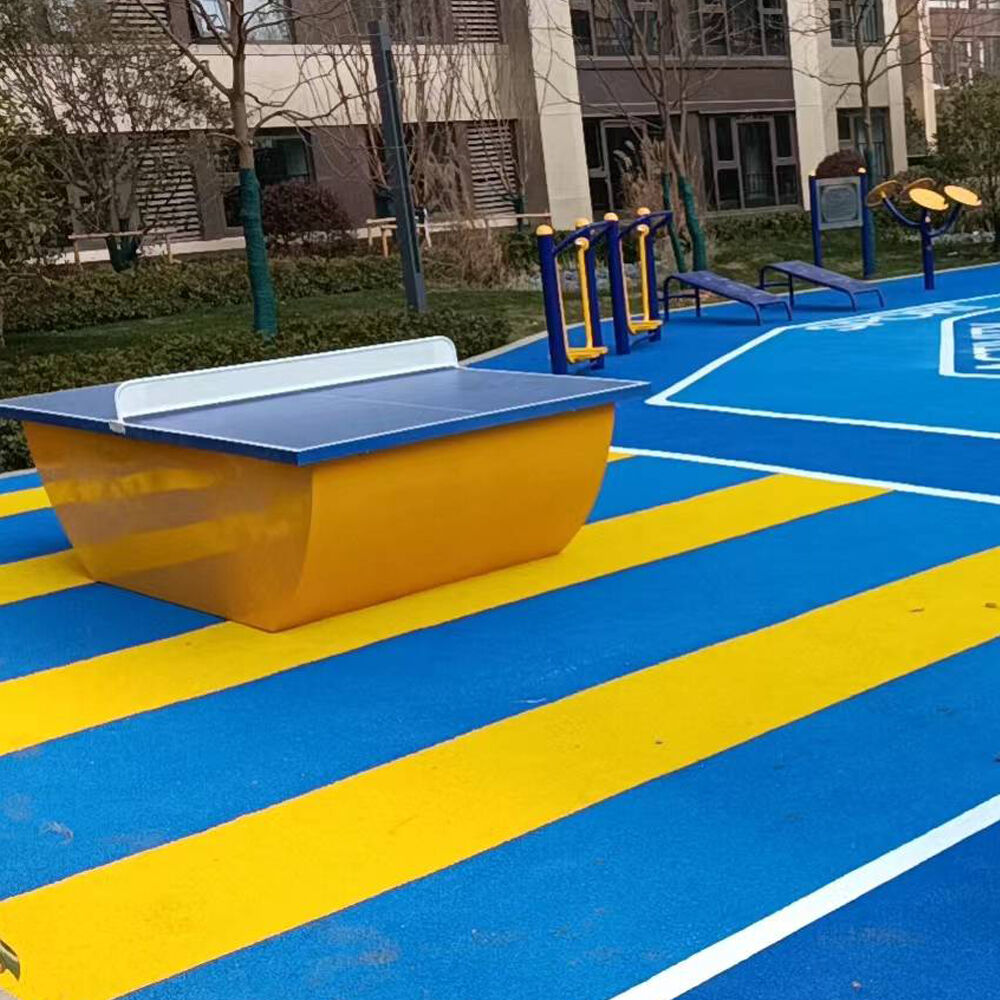
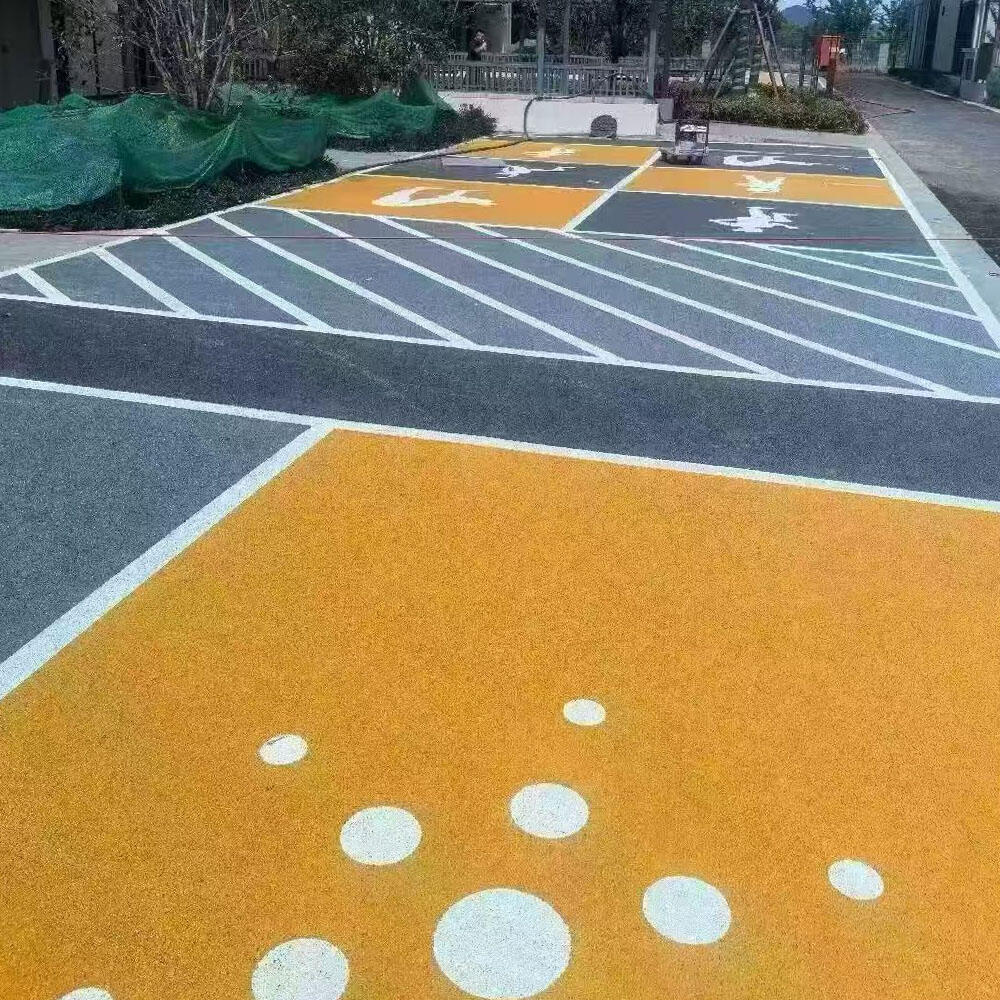
Polyurethane bonding adhesive represents a cutting-edge solution in modern industrial and commercial applications, offering exceptional performance characteristics that make it indispensable across numerous sectors. This advanced adhesive technology combines the remarkable flexibility of polyurethane chemistry with superior bonding capabilities, creating a versatile product that addresses complex assembly challenges. The main functions of polyurethane bonding adhesive center on creating permanent, durable connections between diverse substrates while maintaining structural integrity under demanding conditions. These adhesives excel at bonding dissimilar materials, including metals, plastics, composites, glass, and wood, making them essential for manufacturers seeking reliable joining solutions. The technological features of polyurethane bonding adhesive include exceptional elasticity, outstanding chemical resistance, and remarkable temperature stability. These characteristics stem from the unique molecular structure of polyurethane polymers, which feature urethane linkages that provide both strength and flexibility. The adhesive demonstrates superior gap-filling properties, accommodating surface irregularities and thermal expansion differences between bonded materials. Additionally, polyurethane bonding adhesive offers excellent cure characteristics, with options ranging from moisture-cure systems to heat-activated formulations. Applications for polyurethane bonding adhesive span multiple industries, including automotive manufacturing, aerospace engineering, construction, marine applications, and electronics assembly. In automotive applications, these adhesives secure body panels, bond windshields, and assemble interior components while withstanding vibration and temperature fluctuations. Aerospace manufacturers rely on polyurethane bonding adhesive for structural assemblies that demand lightweight solutions without compromising safety standards. Construction professionals utilize these adhesives for curtain wall systems, panel bonding, and weatherproofing applications where durability and weather resistance are paramount. The marine industry benefits from the excellent water resistance and corrosion protection properties of polyurethane bonding adhesive in boat construction and repair applications.

New Product Releases

Polyurethane bonding adhesive delivers remarkable benefits that make it the preferred choice for demanding applications across various industries. The primary advantage lies in its exceptional durability, which ensures long-lasting bonds that withstand harsh environmental conditions, mechanical stress, and thermal cycling. This durability translates directly into reduced maintenance costs and improved product reliability for end users. The flexibility of polyurethane bonding adhesive sets it apart from rigid alternatives, allowing bonded assemblies to accommodate movement, vibration, and thermal expansion without bond failure. This characteristic proves invaluable in applications where materials with different expansion rates must work together harmoniously. The superior weather resistance of polyurethane bonding adhesive provides outstanding protection against UV radiation, moisture, temperature extremes, and chemical exposure. This weather resistance ensures that outdoor applications maintain their structural integrity and appearance over extended periods, reducing replacement and repair costs significantly. Users benefit from the excellent adhesion properties of polyurethane bonding adhesive, which creates strong bonds with minimal surface preparation on most substrates. This characteristic reduces labor costs and processing time while ensuring reliable results across diverse materials. The gap-filling capabilities of polyurethane bonding adhesive accommodate imperfect surfaces and varying tolerances, eliminating the need for precise machining or extensive surface preparation. This feature streamlines manufacturing processes and reduces production costs while maintaining bond quality. Chemical resistance represents another significant advantage, as polyurethane bonding adhesive maintains its properties when exposed to oils, solvents, acids, and alkaline substances commonly encountered in industrial environments. This resistance extends product life and reduces the risk of premature failure in challenging chemical environments. The versatility of polyurethane bonding adhesive allows manufacturers to consolidate their adhesive inventory, reducing procurement complexity and storage requirements. Temperature performance stands out as a crucial benefit, with polyurethane bonding adhesive maintaining effectiveness across wide temperature ranges, from sub-zero conditions to elevated operating temperatures. This temperature stability ensures consistent performance regardless of seasonal variations or operating environments. The ease of application of polyurethane bonding adhesive reduces training requirements and minimizes application errors, leading to improved productivity and quality control in manufacturing operations.

Latest News

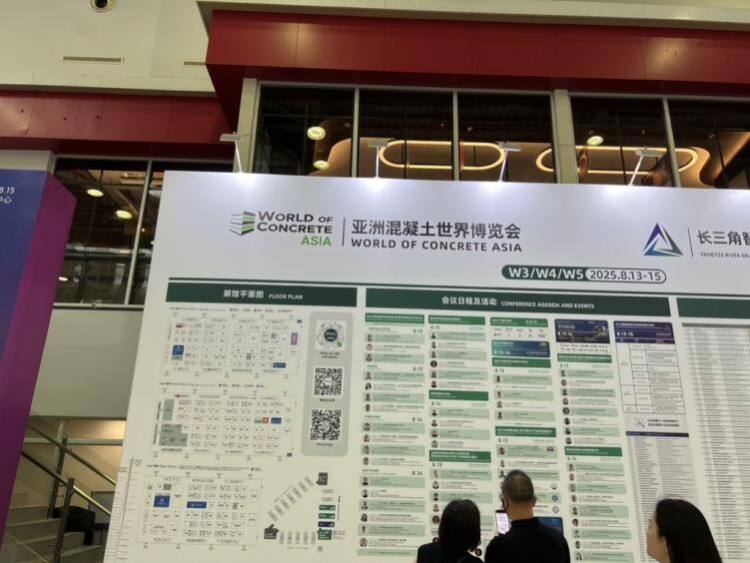
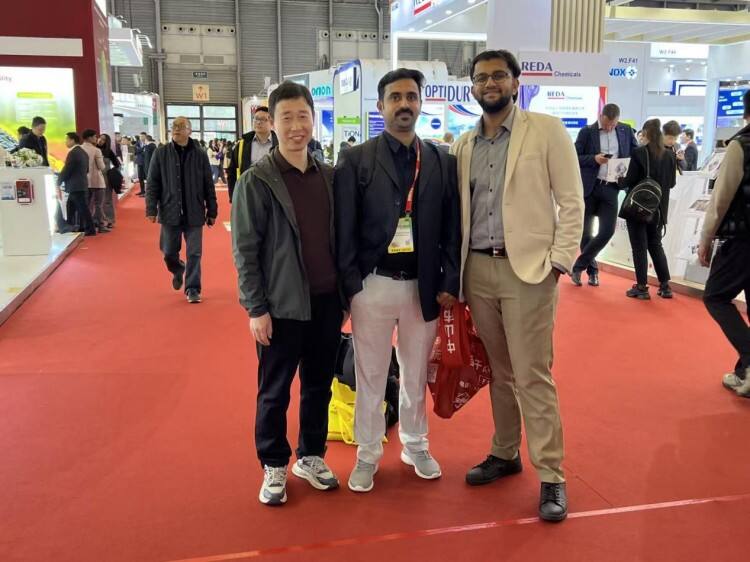
Shandong Huacheng High-Tech Participates in WORLD OF CONCRETE ASIA 2025 in Shanghai

25

Feb

Shandong Huacheng High-Tech Participates in WORLD OF CONCRETE ASIA 2025 in Shanghai

View More
Shandong Huacheng High-Tech Shines at CHINACOAT 2025 Shanghai

25

Feb

Shandong Huacheng High-Tech Shines at CHINACOAT 2025 Shanghai

View More
Huacheng High-Tech Recognized as Provincial Enterprise Technology Center by Shandong Province

27

Feb

Huacheng High-Tech Recognized as Provincial Enterprise Technology Center by Shandong Province

View More

Get a Free Quote

Our representative will contact you soon.
Email
Mobile/WhatsApp
Name
Company Name
Message
0/1000

polyurethane bonding adhesive

Unmatched Flexibility and Movement Accommodation

Unmatched Flexibility and Movement Accommodation

The exceptional flexibility of polyurethane bonding adhesive represents one of its most valuable characteristics, setting it apart from traditional rigid bonding solutions and providing crucial advantages in dynamic applications. This flexibility stems from the unique polymer backbone structure of polyurethane, which incorporates soft and hard segments that work together to create an adhesive capable of significant elongation without losing bond strength. Unlike brittle adhesives that crack under stress, polyurethane bonding adhesive maintains its integrity while accommodating substantial movement between bonded substrates. This characteristic proves essential in applications where thermal expansion and contraction create stress on bonded joints, such as curtain wall systems, automotive body panels, and marine hulls. The ability to flex with movement prevents stress concentration at bond lines, which typically leads to premature failure in rigid adhesive systems. Engineers and manufacturers benefit tremendously from this flexibility when designing products that must withstand vibration, impact, or dimensional changes during service. For example, in transportation applications, polyurethane bonding adhesive allows vehicle components to flex with road vibrations and thermal cycling without developing fatigue cracks or bond line failures that compromise safety and durability. The flexibility also enables the bonding of materials with significantly different thermal expansion coefficients, such as metal frames with plastic panels or glass components with polymer substrates. This capability opens new design possibilities and material combinations that would be impossible with rigid bonding systems. Furthermore, the flexibility of polyurethane bonding adhesive maintains its effectiveness across a wide temperature range, ensuring that the adhesive remains pliable in cold conditions and does not become overly soft at elevated temperatures. This temperature-stable flexibility provides consistent performance in applications ranging from arctic environments to desert conditions, making it ideal for global product deployment.
Superior Environmental Durability and Weather Resistance

Superior Environmental Durability and Weather Resistance

Polyurethane bonding adhesive demonstrates exceptional environmental durability that ensures long-term performance in the most challenging outdoor and industrial conditions, making it the gold standard for applications requiring weather resistance and environmental stability. This superior durability results from the inherent chemical structure of polyurethane polymers, which resist degradation from ultraviolet radiation, ozone exposure, moisture infiltration, and temperature fluctuations that typically compromise other adhesive technologies. The UV resistance of polyurethane bonding adhesive prevents the photo-degradation that causes yellowing, brittleness, and bond failure in many organic adhesives, ensuring that outdoor applications maintain their structural integrity and aesthetic appearance for decades. This UV stability proves particularly valuable in architectural applications, solar panel mounting systems, and marine installations where constant sun exposure would quickly degrade inferior adhesive systems. Moisture resistance represents another critical aspect of environmental durability, as polyurethane bonding adhesive maintains its properties when exposed to high humidity, rain, snow, and even immersion conditions. This moisture resistance prevents the swelling, softening, or dissolution that compromises water-sensitive adhesives, making it ideal for marine applications, outdoor signage, and building envelope systems. The chemical resistance of polyurethane bonding adhesive extends its durability in industrial environments where exposure to oils, solvents, cleaning agents, and process chemicals is common. This resistance ensures that the adhesive maintains its bonding strength and physical properties despite chemical exposure that would attack and degrade other adhesive systems. Temperature cycling durability allows polyurethane bonding adhesive to withstand repeated freeze-thaw cycles and extreme temperature variations without developing cracks or losing adhesion. This thermal cycling resistance proves essential in applications ranging from automotive components that experience engine heat and winter cold to building materials that must perform across seasonal temperature variations.
Exceptional Multi-Substrate Bonding Capability

Exceptional Multi-Substrate Bonding Capability

The remarkable ability of polyurethane bonding adhesive to create strong, permanent bonds across a vast range of dissimilar substrates represents a game-changing advantage for manufacturers and designers seeking versatile joining solutions. This multi-substrate capability eliminates the need for multiple specialized adhesives and enables innovative material combinations that enhance product performance while simplifying manufacturing processes. Polyurethane bonding adhesive achieves excellent adhesion to metals including aluminum, steel, stainless steel, and copper through chemical interactions that create molecular-level bonds with surface oxides and metal atoms. This metallic bonding capability makes it indispensable in aerospace, automotive, and construction applications where metal-to-metal or metal-to-composite joints must withstand extreme loads and environmental conditions. The adhesive also demonstrates superior bonding to various plastic substrates, including thermoplastics, thermosets, and engineering polymers that are notoriously difficult to bond using conventional methods. This plastic bonding capability enables lightweight design solutions that combine the benefits of different polymer materials without the weight and complexity of mechanical fasteners. Glass bonding represents another area where polyurethane bonding adhesive excels, creating optically clear, weather-resistant seals for glazing applications while maintaining the structural integrity required for safety glass installations. The ability to bond to porous substrates such as wood, concrete, and masonry expands application possibilities in construction and furniture manufacturing where traditional mechanical fasteners may not provide adequate performance or aesthetic appeal. Composite material bonding showcases the versatility of polyurethane bonding adhesive in high-performance applications where carbon fiber, fiberglass, and advanced composites must be joined to create lightweight, high-strength assemblies. The adhesive's ability to wet out and penetrate composite surfaces ensures optimal load transfer and fatigue resistance in demanding structural applications. This multi-substrate bonding capability also extends to coated and treated surfaces, reducing the need for extensive surface preparation and enabling bonding to painted, anodized, or chemically treated substrates that would reject other adhesive systems.

Get a Free Quote

Our representative will contact you soon.
Email
Mobile/WhatsApp
Name
Company Name
Message
0/1000