resin washed stone installation
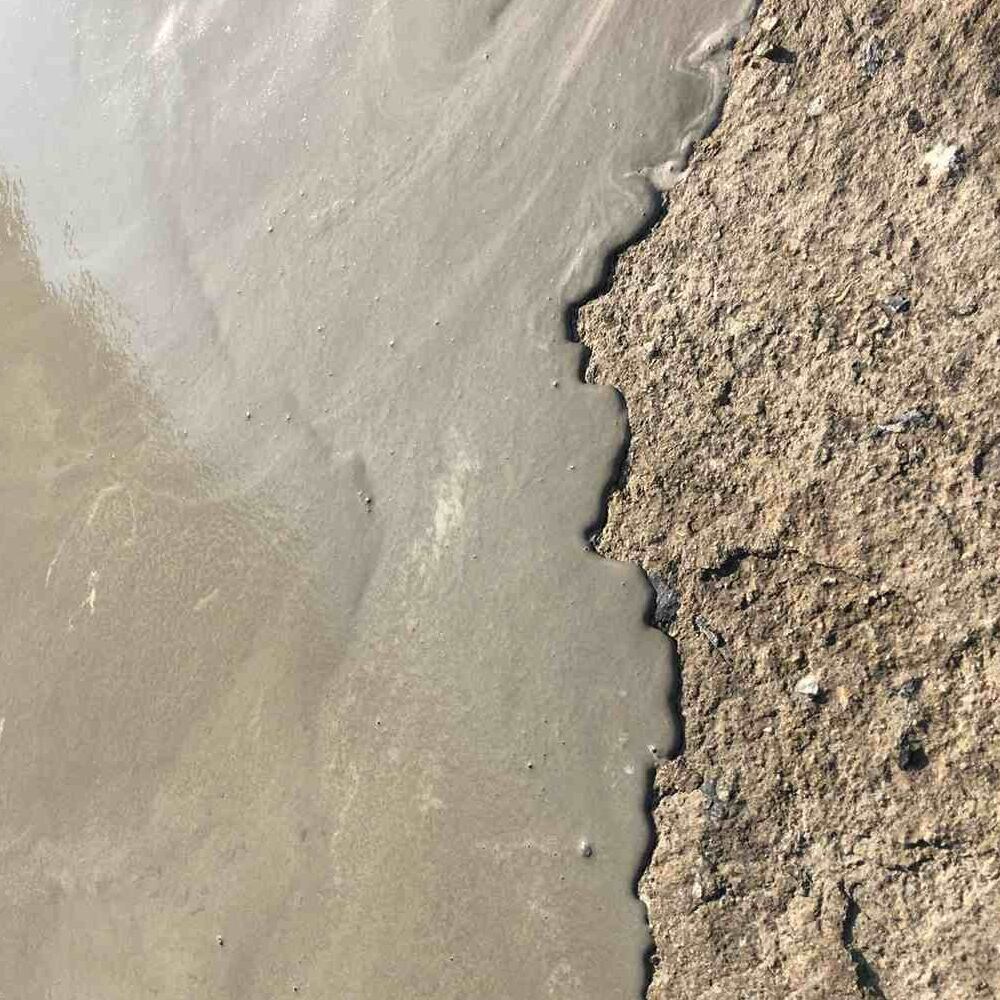
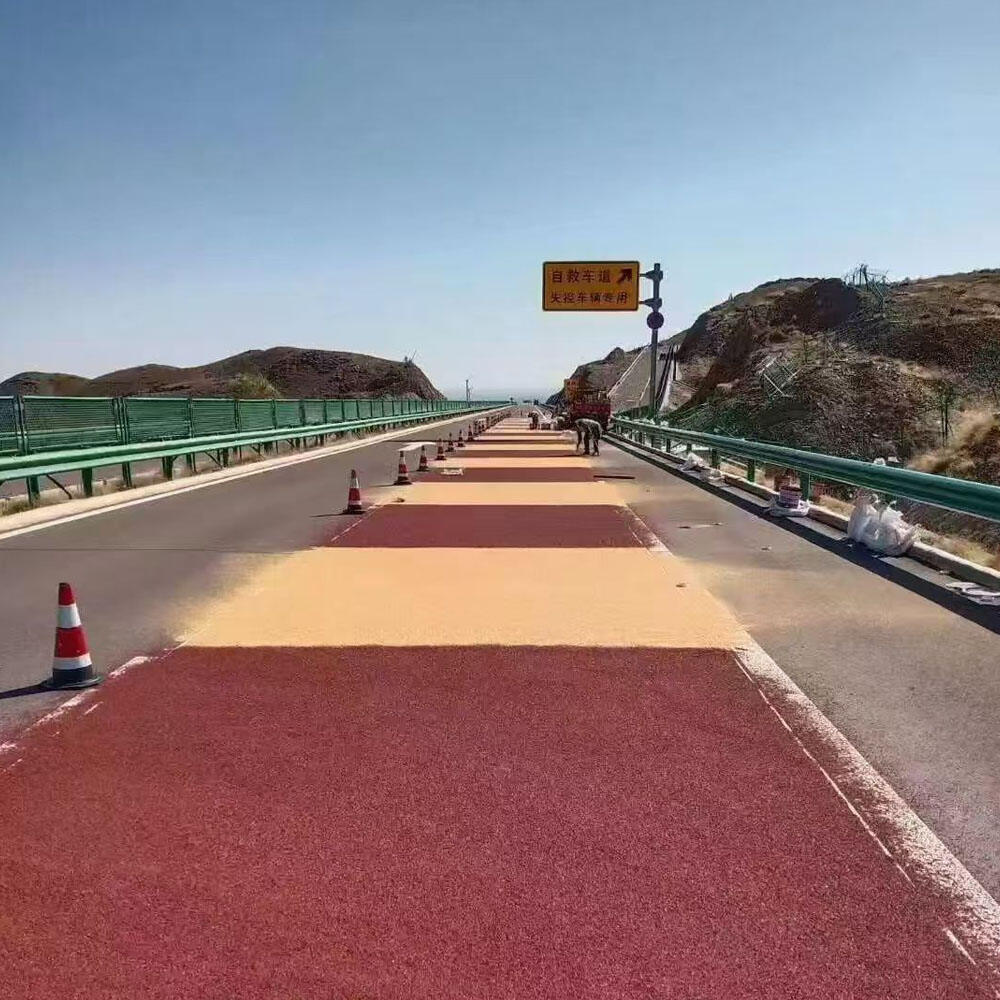
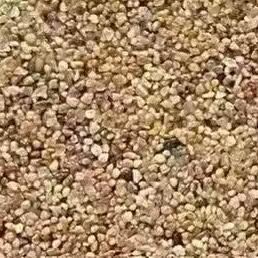
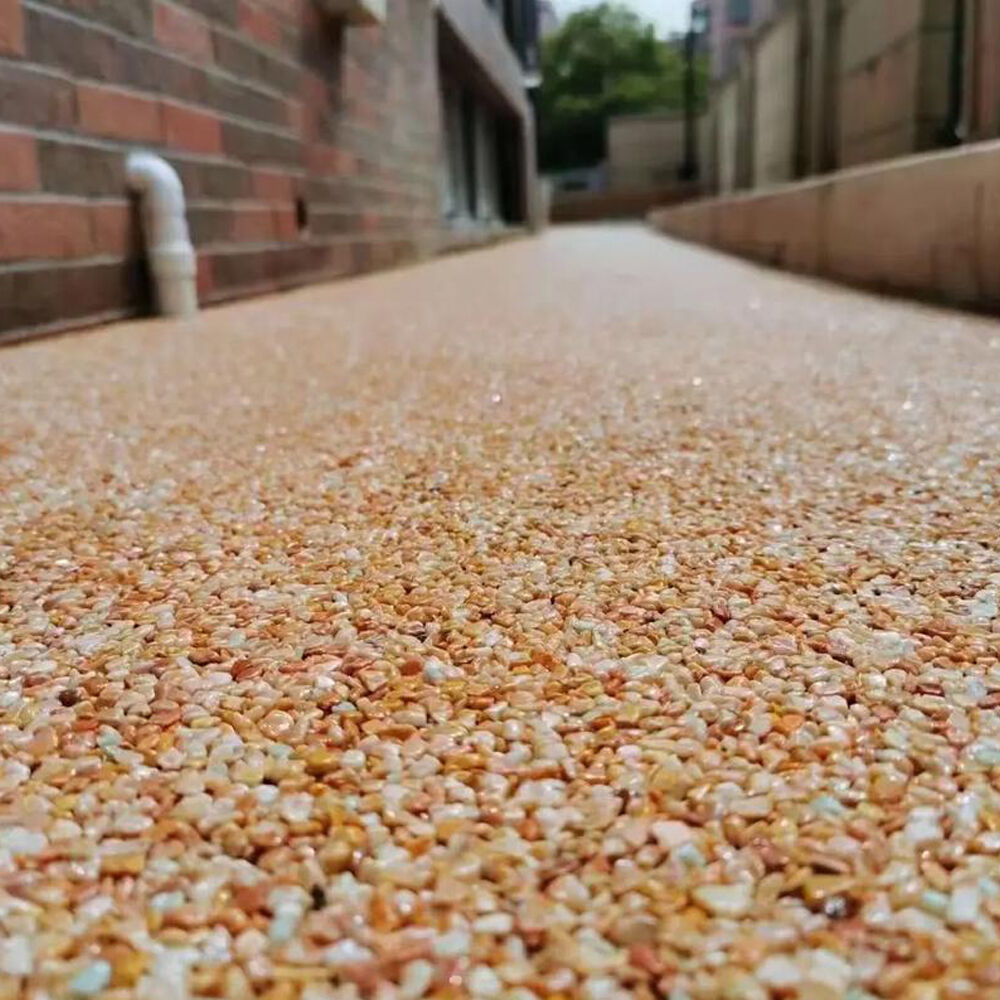
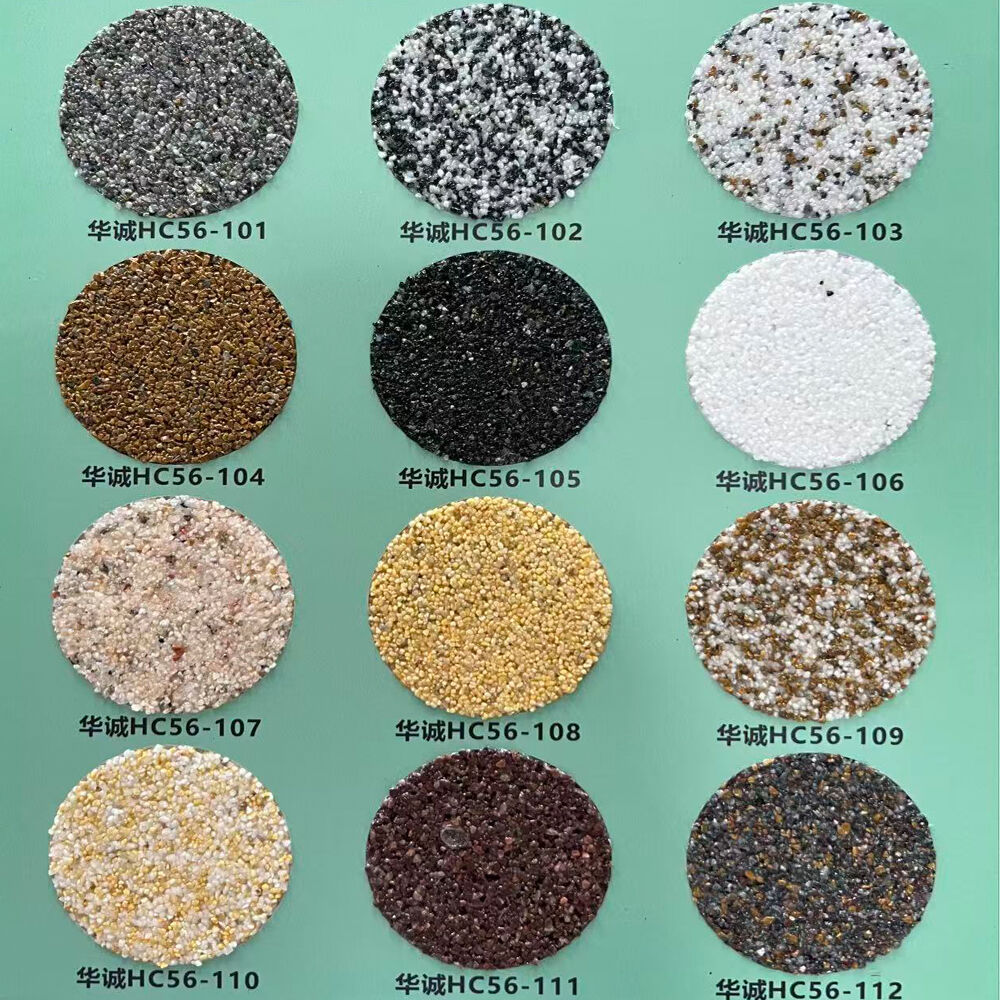
Resin washed stone installation represents a revolutionary surfacing solution that combines natural stone aggregates with high-performance resin binding technology to create durable, permeable, and aesthetically pleasing surfaces. This innovative flooring system utilizes carefully selected stones that are thoroughly washed and graded before being mixed with specialized polyurethane or epoxy resins to form a seamless, porous surface. The resin washed stone installation process involves precise preparation of the substrate, application of primer coatings, mixing of stones with binding agents, and professional laying techniques that ensure optimal adhesion and longevity. The technological framework behind this installation method incorporates advanced polymer chemistry that allows the resin to penetrate between stone particles while maintaining excellent flexibility and weather resistance. Primary functions of resin washed stone installation include providing superior drainage capabilities through its permeable structure, delivering exceptional durability under heavy traffic conditions, and offering low maintenance requirements compared to traditional paving methods. The system effectively manages surface water runoff by allowing rainwater to filter through the stone matrix, reducing pudling and minimizing flood risks in urban environments. Applications span across residential driveways, commercial walkways, public parks, sports facilities, pool decks, and architectural landscaping projects where both functionality and visual appeal are essential. The installation technique accommodates various stone types including granite, marble chips, quartz, and decorative aggregates, enabling customization to match specific design requirements. Temperature resistance characteristics make resin washed stone installation suitable for diverse climatic conditions, maintaining structural integrity through freeze-thaw cycles while preventing surface cracking. The bonding technology creates a stable yet flexible surface that adapts to minor ground movements without compromising performance, making it an ideal choice for both interior and exterior applications requiring long-term reliability and aesthetic excellence.

 EN
EN