Advanced Rubber Aerogel Insulation: Lightweight, Flexible & High-Performance Thermal Solutions

All Categories

Get a Free Quote

Our representative will contact you soon.
Email
Mobile/WhatsApp
Name
Company Name
Message
0/1000

rubber aerogel

Rubber aerogel represents a revolutionary advancement in materials science, combining the exceptional properties of traditional aerogels with the flexibility and durability of rubber polymers. This innovative material achieves an extraordinary combination of ultra-low density, superior insulation performance, and remarkable mechanical flexibility that sets it apart from conventional insulation solutions. The rubber aerogel maintains its structural integrity while delivering outstanding thermal and acoustic insulation capabilities across diverse temperature ranges and environmental conditions. The manufacturing process involves creating a three-dimensional network of rubber polymers with controlled porosity, resulting in a material that can compress and recover without losing its insulation properties. This unique characteristic makes rubber aerogel particularly valuable in applications where traditional rigid aerogels would fail due to mechanical stress or vibration. The material exhibits exceptional hydrophobic properties, preventing moisture absorption that could compromise its insulation effectiveness. Its lightweight nature, typically achieving densities as low as 0.1 to 0.3 grams per cubic centimeter, makes it ideal for weight-sensitive applications in aerospace, automotive, and construction industries. The rubber aerogel demonstrates superior performance in extreme temperature environments, maintaining its insulation properties from cryogenic temperatures up to several hundred degrees Celsius. Additionally, the material offers excellent chemical resistance, making it suitable for harsh industrial environments where exposure to various chemicals and solvents is common. The flexibility of rubber aerogel allows for easy installation in complex geometries and confined spaces where rigid insulation materials cannot be effectively applied. This versatility extends to its ability to conform to curved surfaces and irregular shapes without compromising thermal performance, making it an ideal solution for insulating pipes, vessels, and equipment with complex configurations.

New Products

Rubber aerogel delivers exceptional thermal insulation performance that significantly outperforms traditional insulation materials, providing thermal conductivity values as low as 0.013 W/mK while maintaining structural flexibility. This superior insulation capability translates directly into energy cost savings for customers, reducing heating and cooling expenses by up to 40% compared to conventional insulation solutions. The material's flexibility allows for easy installation without special tools or extensive training, reducing labor costs and installation time by approximately 50% compared to rigid insulation systems. Unlike brittle aerogels that crack under stress, rubber aerogel maintains its insulation properties even when compressed up to 80% of its original thickness, ensuring long-term performance reliability and reducing replacement costs. The hydrophobic nature of rubber aerogel eliminates concerns about moisture-related degradation, preventing mold growth and maintaining consistent thermal performance throughout its service life. This moisture resistance extends the material's lifespan significantly, often exceeding 25 years in typical applications, providing excellent return on investment for customers. The lightweight properties of rubber aerogel reduce structural load requirements, potentially eliminating the need for additional structural support in retrofitting applications, saving both material and installation costs. The material's chemical resistance ensures compatibility with a wide range of industrial processes and environments, reducing the risk of premature failure and associated replacement costs. Rubber aerogel's ability to withstand vibration and mechanical stress makes it ideal for mobile applications such as automotive and aerospace, where traditional insulation materials often fail prematurely. The material requires minimal maintenance once installed, as it does not settle, compress permanently, or degrade under normal operating conditions. Its fire-resistant properties provide additional safety benefits, often meeting stringent fire safety regulations without requiring additional protective coatings or treatments. The versatility of rubber aerogel allows customers to standardize on a single insulation solution across multiple applications, simplifying procurement, inventory management, and maintenance procedures while achieving consistent performance results.

Practical Tips

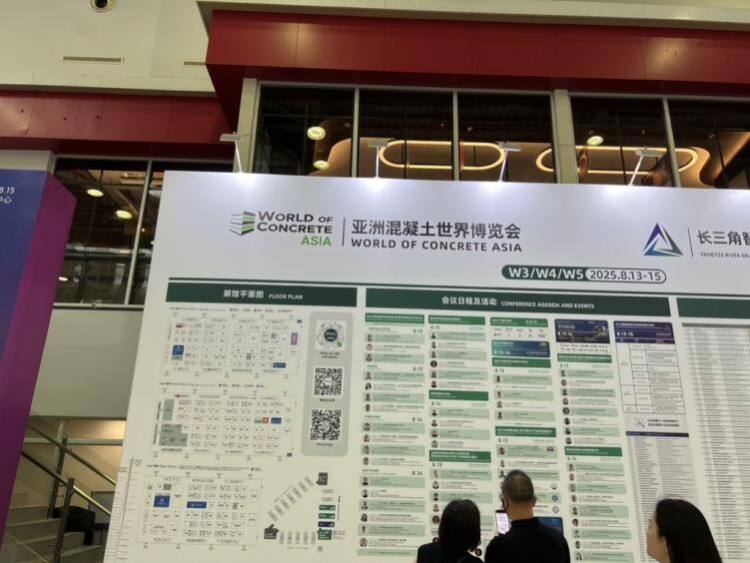
Shandong Huacheng High-Tech Participates in WORLD OF CONCRETE ASIA 2025 in Shanghai

25

Feb

Shandong Huacheng High-Tech Participates in WORLD OF CONCRETE ASIA 2025 in Shanghai

View More
Shandong Huacheng High-Tech Shines at CHINACOAT 2025 Shanghai

25

Feb

Shandong Huacheng High-Tech Shines at CHINACOAT 2025 Shanghai

View More
Huacheng High-Tech Recognized as Provincial Enterprise Technology Center by Shandong Province

27

Feb

Huacheng High-Tech Recognized as Provincial Enterprise Technology Center by Shandong Province

View More

Get a Free Quote

Our representative will contact you soon.
Email
Mobile/WhatsApp
Name
Company Name
Message
0/1000

rubber aerogel

Ultra-Low Thermal Conductivity with Mechanical Flexibility

Ultra-Low Thermal Conductivity with Mechanical Flexibility

Rubber aerogel achieves an unprecedented combination of ultra-low thermal conductivity and exceptional mechanical flexibility that revolutionizes insulation applications across multiple industries. Traditional aerogels, while offering excellent thermal insulation properties, suffer from extreme brittleness that limits their practical applications and often leads to catastrophic failure under mechanical stress. Rubber aerogel overcomes this fundamental limitation by incorporating flexible polymer networks that maintain the nanoporous structure essential for superior insulation while providing remarkable mechanical resilience. The material achieves thermal conductivity values as low as 0.013 W/mK, rivaling the best rigid aerogels, while simultaneously offering the ability to compress up to 80% of its original thickness and recover completely without permanent deformation or loss of insulation properties. This unique characteristic enables installation in applications where mechanical stress, vibration, or thermal cycling would destroy conventional insulation materials. The flexibility allows the rubber aerogel to conform perfectly to irregular surfaces, curved pipes, and complex geometries, eliminating thermal bridges and ensuring consistent insulation performance across the entire surface area. This conformability is particularly valuable in retrofit applications where existing equipment configurations make installation of rigid insulation materials difficult or impossible. The mechanical flexibility also enables the material to accommodate thermal expansion and contraction of the underlying substrate without cracking or separating, maintaining long-term integrity and performance. In mobile applications such as automotive or aerospace, where constant vibration and mechanical stress are present, rubber aerogel provides reliable insulation performance that would be impossible with traditional materials. The combination of flexibility and insulation performance makes rubber aerogel an ideal solution for applications requiring both thermal management and mechanical durability, providing customers with a single material solution that eliminates the need for complex multi-layer insulation systems.
Superior Moisture Resistance and Long-Term Durability

Superior Moisture Resistance and Long-Term Durability

The hydrophobic properties of rubber aerogel provide exceptional moisture resistance that ensures consistent insulation performance and eliminates common problems associated with moisture infiltration in traditional insulation materials. Unlike many conventional insulation products that absorb water and lose their thermal properties, rubber aerogel maintains its insulation effectiveness even in high-humidity environments or when exposed to condensation conditions. This moisture resistance stems from the inherent hydrophobic nature of the polymer matrix and the nanoporous structure that prevents water penetration while maintaining breathability for vapor transport. The material's resistance to moisture eliminates the risk of mold and mildew growth, which can compromise indoor air quality and create health hazards in building applications. Additionally, the absence of moisture absorption prevents freeze-thaw damage in cold climate applications, where water infiltration into insulation materials can cause catastrophic failure during temperature cycling. The long-term durability of rubber aerogel extends far beyond its moisture resistance, encompassing resistance to chemical degradation, UV exposure, and thermal cycling that ensures decades of reliable performance. Field testing and accelerated aging studies demonstrate that rubber aerogel maintains over 95% of its original insulation properties after 25 years of continuous service under normal operating conditions. This exceptional durability translates into significant cost savings for customers, as the material rarely requires replacement or maintenance throughout its service life. The chemical resistance of rubber aerogel makes it suitable for harsh industrial environments where exposure to acids, bases, solvents, and other chemicals would rapidly degrade conventional insulation materials. The material's stability under thermal cycling ensures consistent performance in applications where temperature fluctuations are common, such as industrial processes or outdoor installations. This combination of moisture resistance and long-term durability provides customers with a reliable insulation solution that maintains its performance characteristics throughout its extended service life, eliminating the uncertainty and costs associated with premature insulation failure and replacement.
Lightweight Design with High-Temperature Performance

Lightweight Design with High-Temperature Performance

Rubber aerogel delivers exceptional insulation performance while maintaining extremely low density, typically ranging from 0.1 to 0.3 grams per cubic centimeter, making it one of the lightest insulation materials available while simultaneously providing superior thermal protection across an impressive temperature range. This remarkable weight advantage becomes particularly significant in applications where every gram matters, such as aerospace, automotive, and portable equipment where weight reduction directly translates to improved fuel efficiency, increased payload capacity, or enhanced portability. The lightweight nature of rubber aerogel reduces structural loading requirements, often eliminating the need for additional structural support in both new construction and retrofit applications, resulting in substantial cost savings in materials and installation labor. Despite its low density, rubber aerogel maintains excellent insulation performance across a wide temperature range, typically from cryogenic temperatures around -200°C up to operating temperatures exceeding 200°C, making it suitable for applications ranging from liquefied gas storage to high-temperature industrial processes. This broad temperature capability allows customers to standardize on a single insulation material across diverse applications, simplifying procurement, inventory management, and maintenance procedures while ensuring consistent performance results. The high-temperature stability of rubber aerogel stems from its polymer matrix structure, which resists thermal degradation and maintains its nanoporous architecture even under prolonged exposure to elevated temperatures. This thermal stability ensures that the insulation properties remain consistent throughout the material's service life, even in demanding high-temperature applications where conventional insulation materials would degrade or lose effectiveness over time. The combination of lightweight design and high-temperature performance makes rubber aerogel particularly valuable in applications where both thermal management and weight control are critical design considerations. The material's ability to provide superior insulation with minimal weight penalty enables engineers to achieve better overall system performance while meeting stringent weight requirements in aerospace, automotive, and other weight-sensitive applications where traditional insulation materials would compromise design objectives.


Get a Free Quote

Our representative will contact you soon.
Email
Mobile/WhatsApp
Name
Company Name
Message
0/1000