water porous concrete
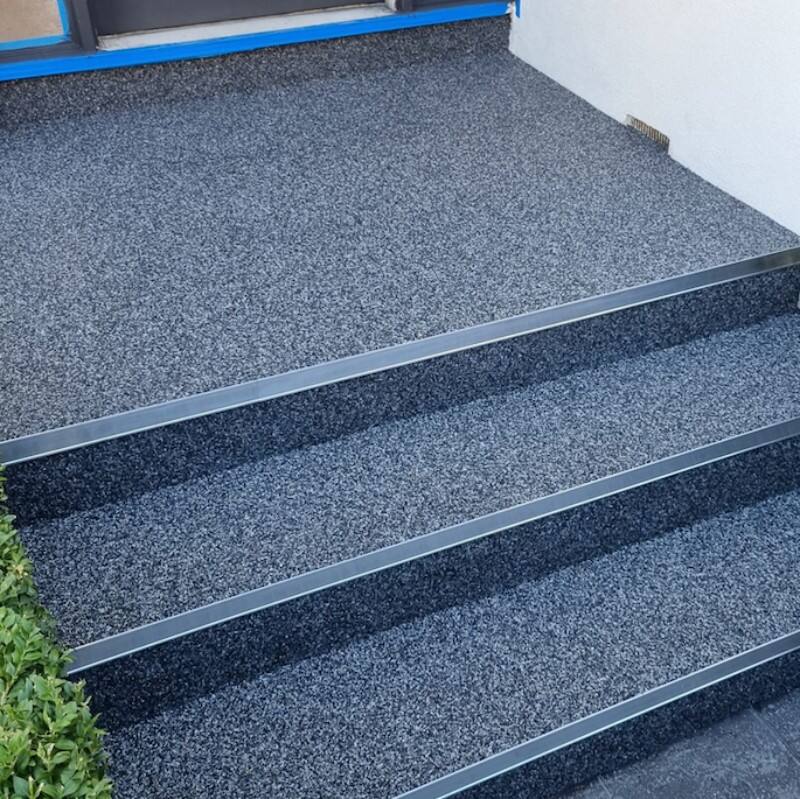
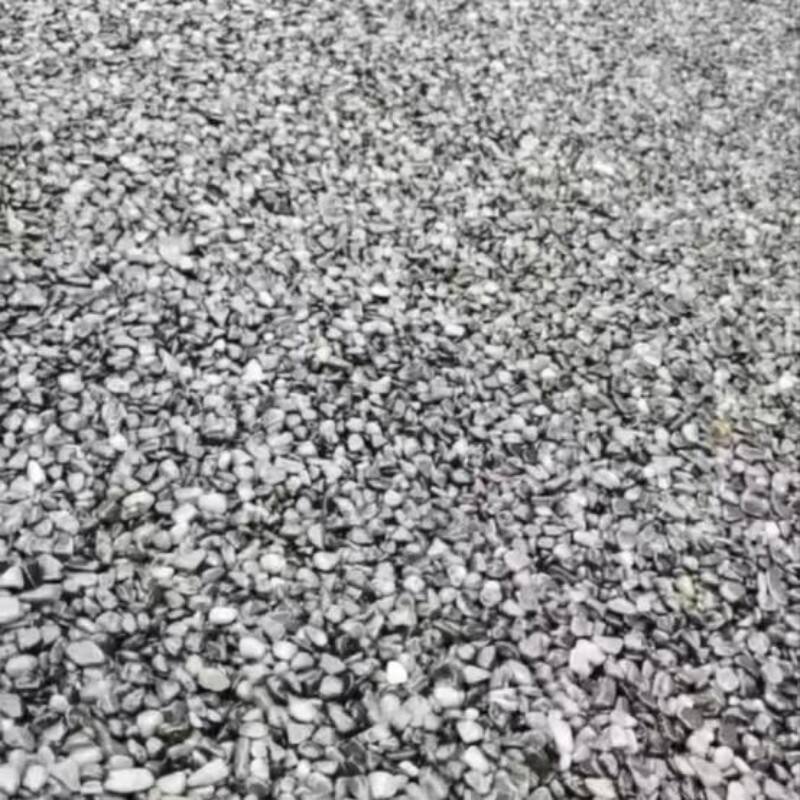
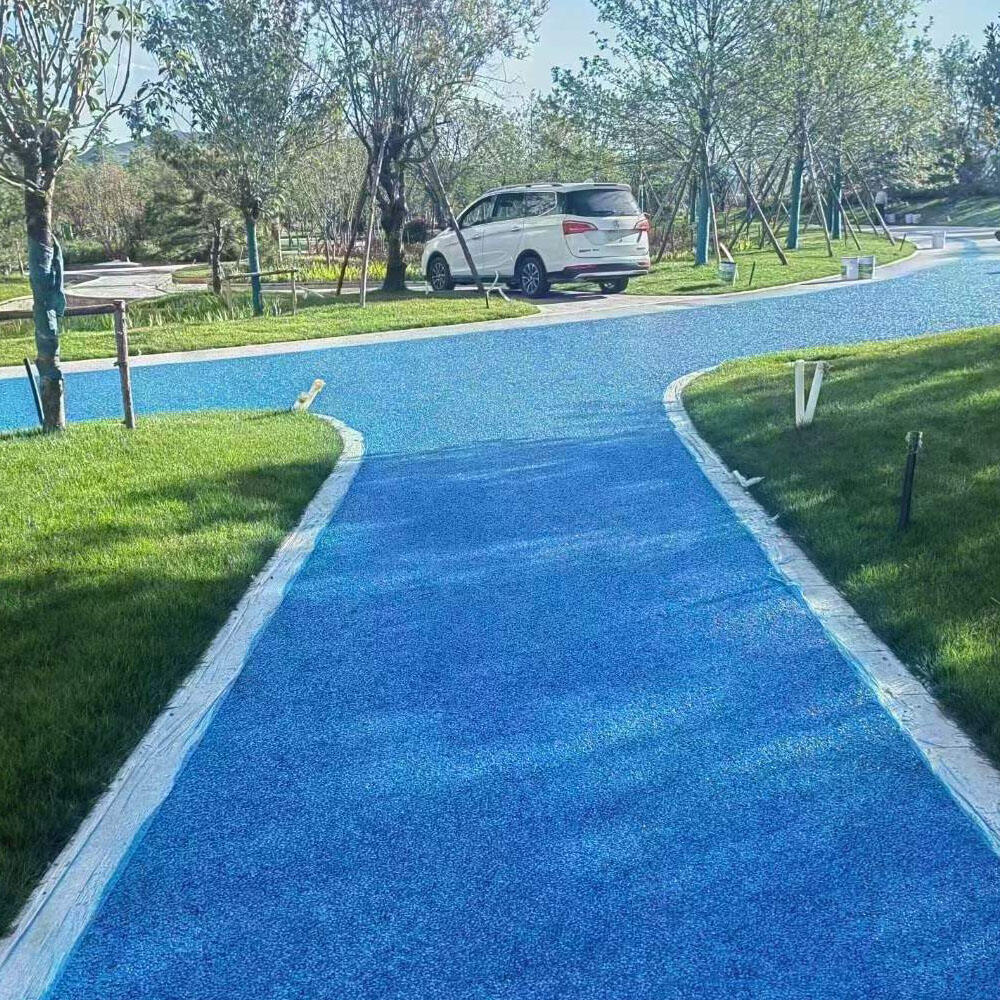
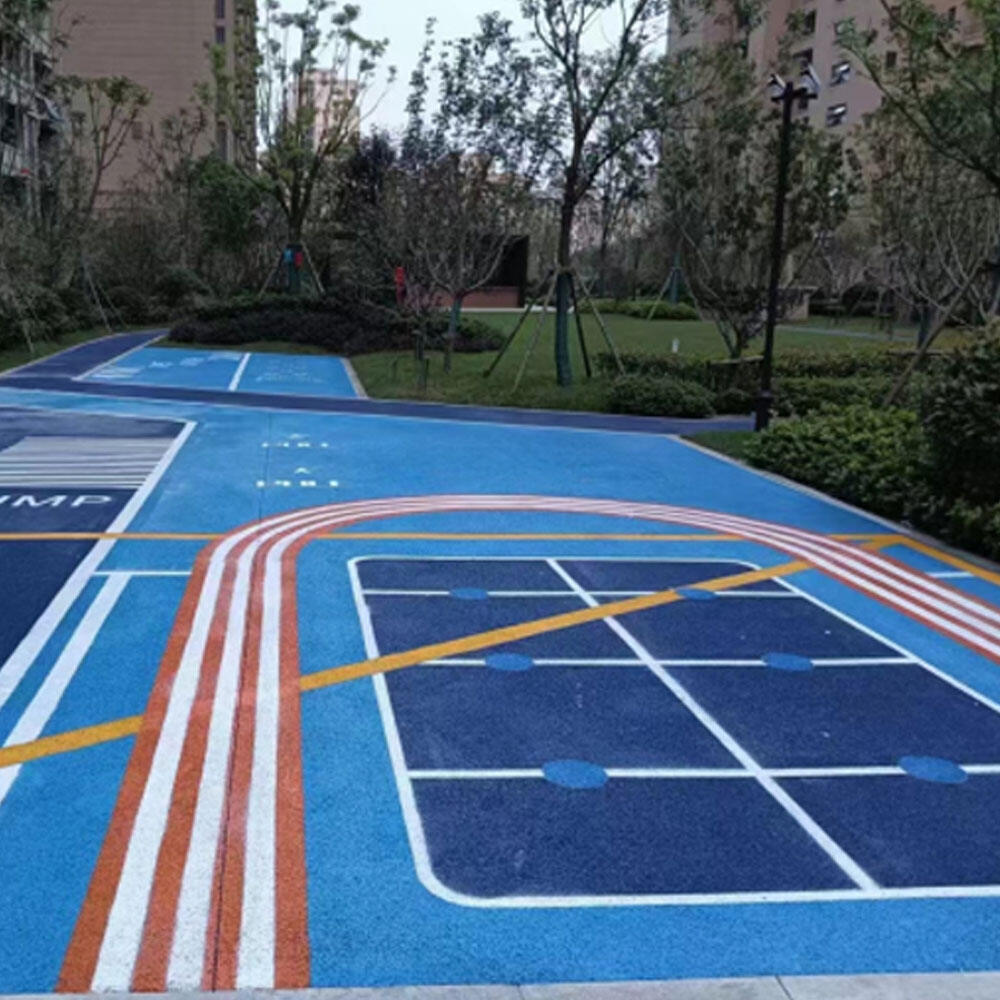
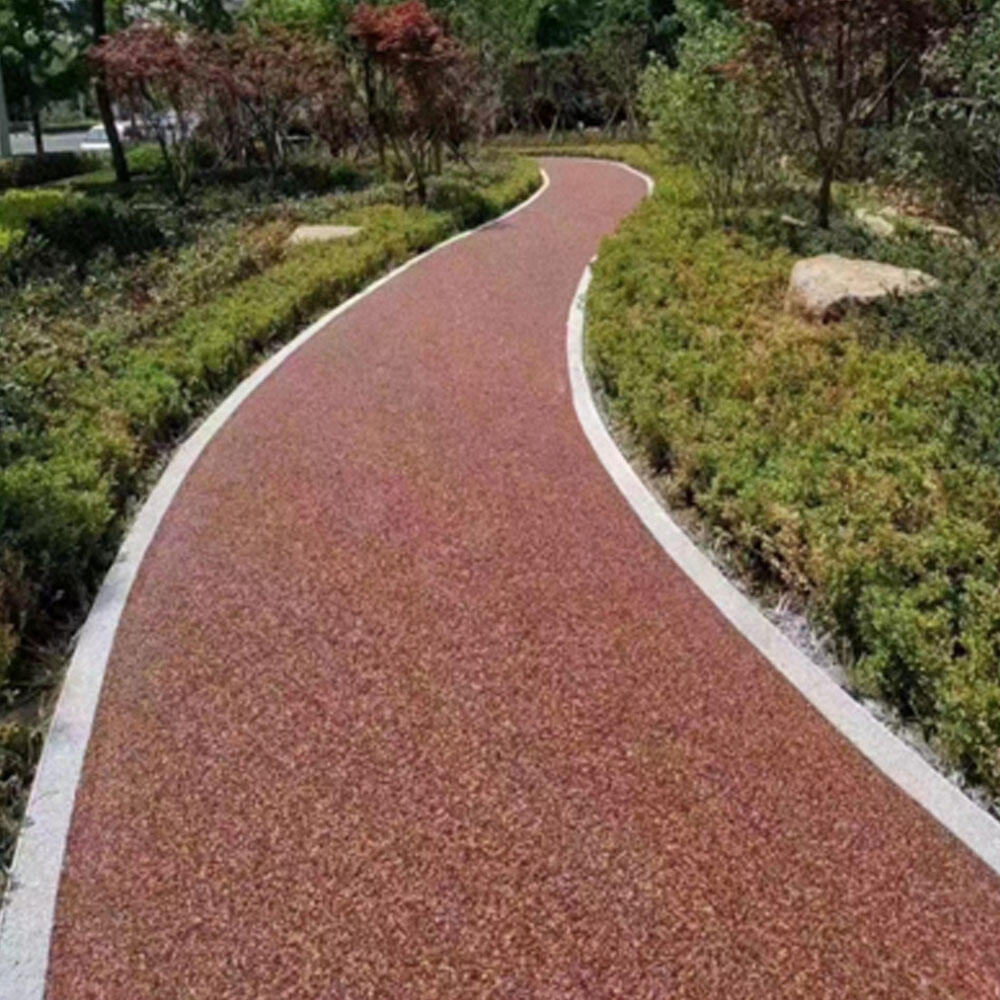
Water porous concrete represents a revolutionary advancement in sustainable construction materials, offering an innovative solution to modern urban water management challenges. This specialized concrete formulation features a unique interconnected void structure that allows water to pass through its surface at rates typically ranging from 2 to 18 gallons per minute per square foot. The technology behind water porous concrete involves carefully controlling the water-to-cement ratio and aggregate gradation to create a network of open pores throughout the material. Unlike traditional concrete that creates impermeable surfaces, water porous concrete maintains structural integrity while providing exceptional drainage capabilities. The main functions of water porous concrete include stormwater management, groundwater recharge facilitation, and urban heat island reduction. This material effectively captures rainwater and surface runoff, directing it through the concrete matrix into underlying soil layers or collection systems. The technological features encompass specialized mix designs that eliminate fine aggregates, creating larger void spaces between coarse aggregates bonded by cement paste. Advanced placement techniques ensure proper consolidation without closing the porous network, while curing methods maintain optimal strength development. Applications span across parking lots, sidewalks, driveways, low-traffic roadways, and recreational pathways where drainage performance is critical. Water porous concrete proves particularly valuable in areas with strict stormwater regulations, flood-prone regions, and developments seeking LEED certification points. The material supports sustainable site development by reducing the need for expensive drainage infrastructure while meeting environmental compliance requirements. Installation requires specialized knowledge of proper subgrade preparation, aggregate selection, and placement techniques to achieve optimal performance. Quality water porous concrete systems can last 20-25 years with proper maintenance, making them cost-effective alternatives to traditional pavement and separate drainage systems for many commercial and residential applications.

 EN
EN