pervious concrete cost
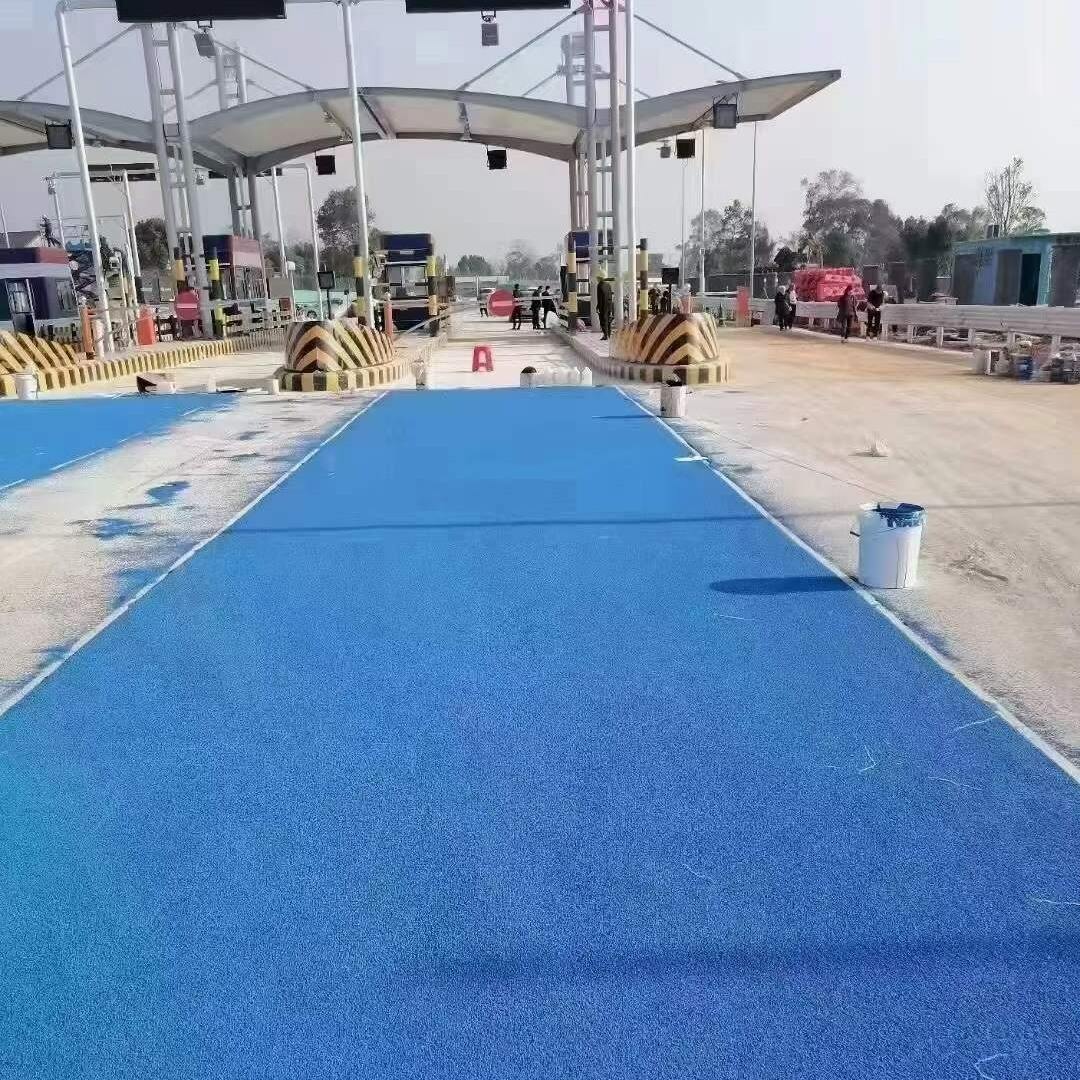
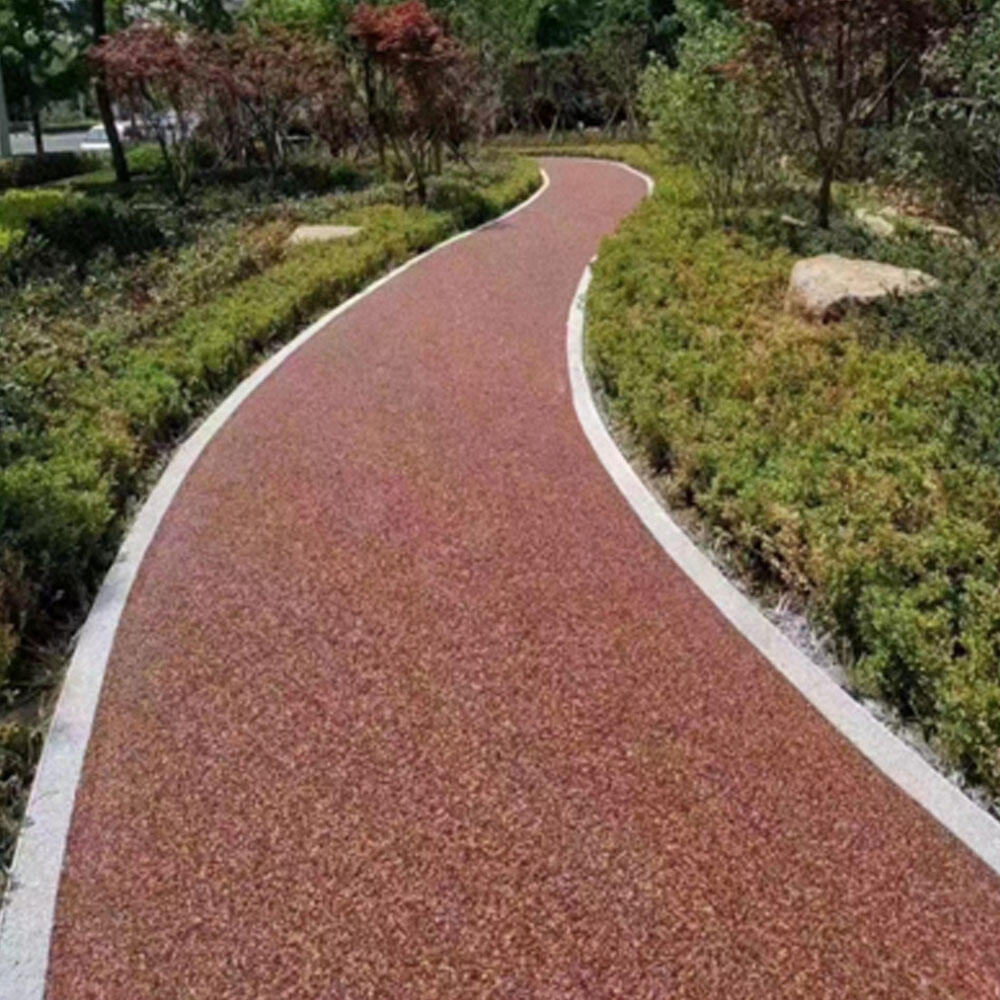
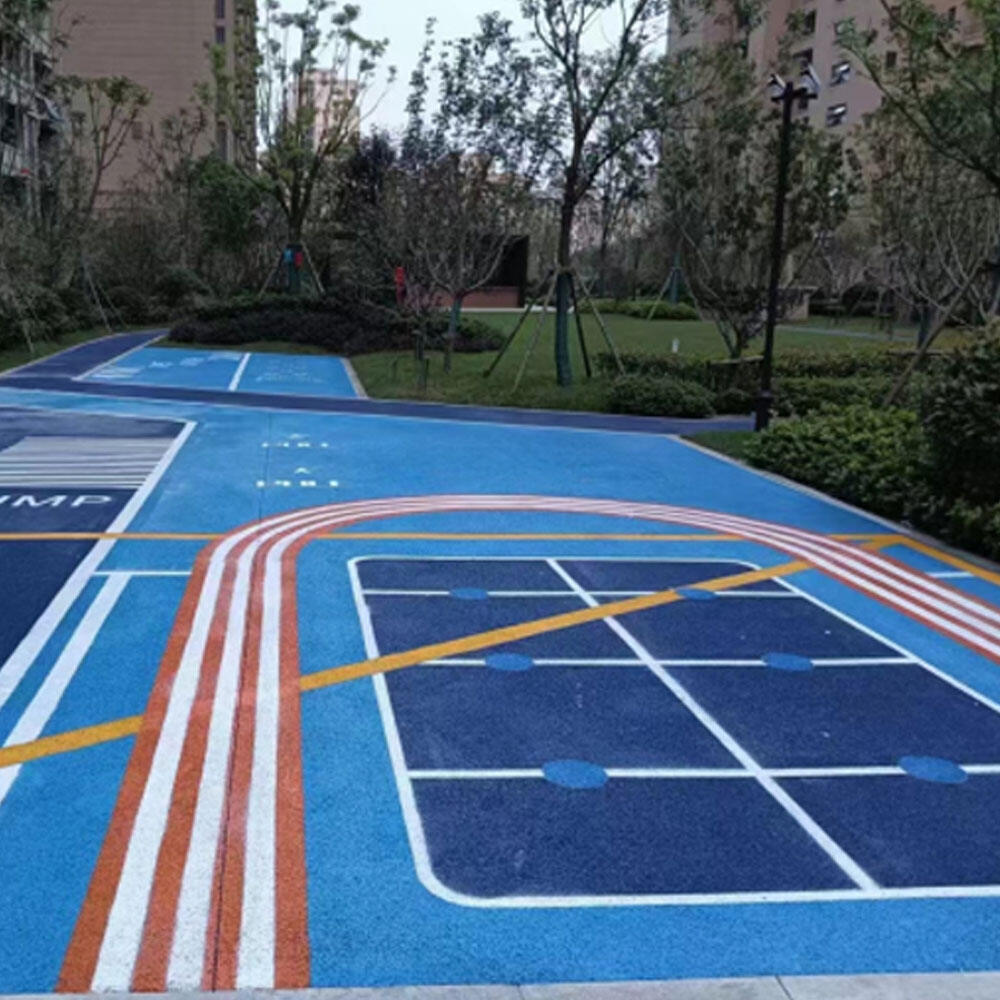
Understanding pervious concrete cost requires examining this innovative material's comprehensive value proposition beyond initial expenses. Pervious concrete, also known as permeable concrete, represents a sustainable construction solution that addresses modern urban drainage challenges while providing long-term economic benefits. This specialized concrete mixture allows water to pass through its structure at rates typically ranging from 2 to 18 gallons per minute per square foot, making it an essential component in green infrastructure projects. The pervious concrete cost encompasses material expenses, installation procedures, and ongoing maintenance requirements that collectively determine the total investment needed for successful implementation. This porous concrete technology features a unique composition with reduced fine aggregates, creating interconnected void spaces that facilitate water infiltration. The typical pervious concrete cost varies significantly based on project specifications, regional factors, and application requirements, generally ranging from $3 to $6 per square foot for basic installations. Advanced applications may increase the pervious concrete cost due to specialized additives, reinforcement materials, or complex installation procedures. The material's technological features include controlled porosity levels, structural integrity comparable to conventional concrete, and enhanced drainage capabilities that eliminate surface water accumulation. Primary functions encompass stormwater management, urban heat island reduction, groundwater recharge facilitation, and sustainable development compliance. Applications span residential driveways, commercial parking lots, pedestrian walkways, recreational facilities, and municipal infrastructure projects. The pervious concrete cost analysis must consider factors such as subgrade preparation, aggregate selection, cement content, admixture requirements, and skilled labor availability. Geographic location significantly influences the pervious concrete cost through material transportation expenses, local labor rates, and regional construction standards. Weather conditions during installation affect project timelines and may impact the overall pervious concrete cost through scheduling adjustments and protective measures. Quality control measures, including porosity testing and strength verification, add to the initial pervious concrete cost but ensure long-term performance and compliance with engineering specifications.

 EN
EN