Permeable concrete is used in the construction of permeable roads, pavements, paving systems, and floors. It is a porous, lightweight concrete composed of aggregate, cement, and water, with no fine aggregates. The coarse aggregates are coated wi...
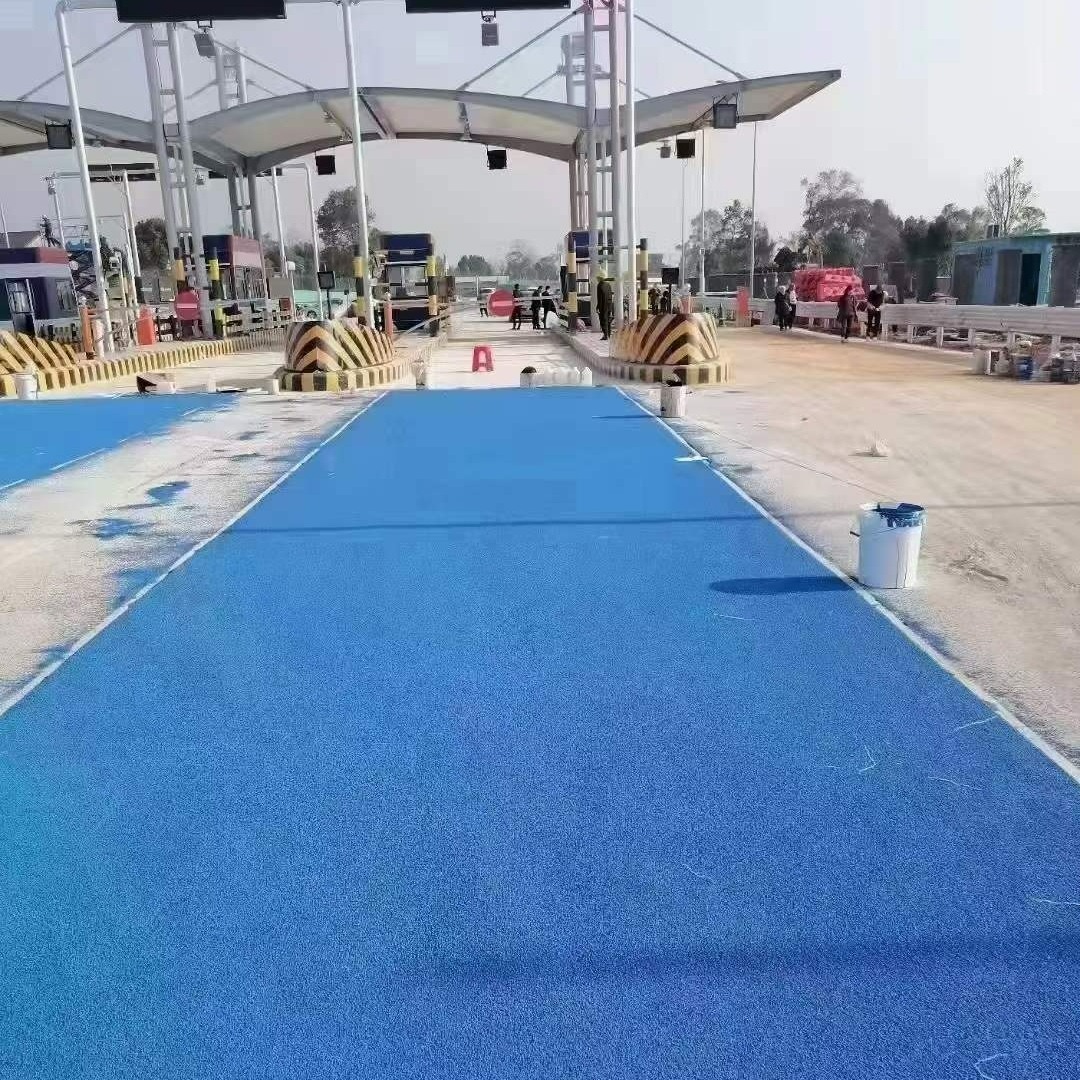
Permeable concrete is used in the construction of permeable roads, pavements, paving systems, and floors. It is a porous, lightweight concrete composed of aggregate, cement, and water, with no fine aggregates. The coarse aggregates are coated with a thin layer of cement paste, forming a honeycomb-like structure with uniformly distributed pores. As a result, permeable concrete is breathable, water-permeable, and lightweight. When using Huacheng Permeable Concrete Binder in colored permeable concrete applications, it not only retains the benefits of standard permeable concrete but also adds aesthetic value to the environment.
High Permeability
Permeable concrete flooring contains 15%–25% void space, enabling a permeability rate of 31–52 liters per square meter per hour—far exceeding the drainage capacity of even well-designed rainfall runoff systems.
High Load-Bearing Capacity
Certified by national testing authorities, permeable concrete flooring meets the load-bearing standards of C20–C25 concrete, surpassing the capacity of typical permeable paving bricks.
Decorative Flexibility
With customizable color mixing options, permeable concrete can be tailored to designers' creative visions, achieving decorative styles suited to various environments and preferences—an advantage rarely attainable with conventional permeable bricks.
Easy Maintenance
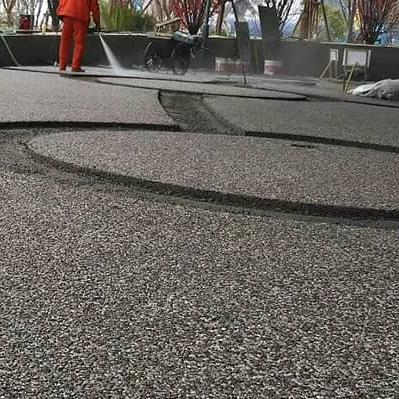
Concerns over pore clogging are unwarranted. The unique permeable paving system allows for easy cleaning using high-pressure water washing.
Freeze-Thaw Resistance
Permeable paving exhibits greater freeze-thaw durability compared to ordinary concrete surfaces. Its porous structure prevents cracking caused by freeze-thaw cycles.
Durability
Permeable concrete flooring offers better wear resistance than asphalt and approaches the durability of standard concrete, avoiding the short service life and economic drawbacks associated with common permeable bricks.
High Heat Dissipation
The material’s lower density (15%–25% voids) reduces thermal storage capacity. Its unique pore structure allows cooler underground temperatures to moderate surface temperatures, enabling the permeable paving system to mimic the heat absorption and storage properties of natural vegetated ground.

 EN
EN