Sponge City is an innovative urban stormwater management concept that envisions cities with the adaptive resilience of a sponge—capable of flexibly responding to environmental changes and mitigating rainwater-induced natural disasters....
Sponge City is an innovative urban stormwater management concept that envisions cities with the adaptive resilience of a sponge—capable of flexibly responding to environmental changes and mitigating rainwater-induced natural disasters. Also referred to as a "water-resilient city," it embodies the internationally recognized approach of Low Impact Development (LID) for stormwater systems.
Such cities absorb, retain, infiltrate, and purify rainwater during precipitation, and release stored water when needed, enabling the natural movement and utilization of rainwater within urban environments.
From an ecosystem services perspective, the core of a sponge city lies in constructing multi-scale water ecological infrastructure supported by a range of technical solutions.
In today’s context, sponge cities represent an innovative model for advancing green building practices, promoting low-carbon urban development, and shaping smarter cities—integrating modern green technologies with social, environmental, and cultural dimensions.
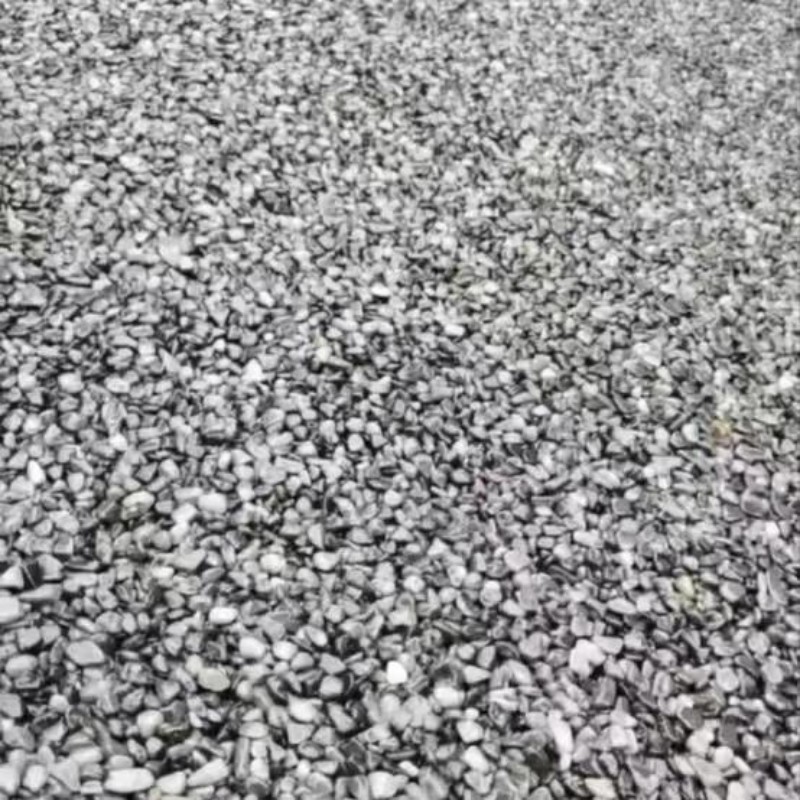
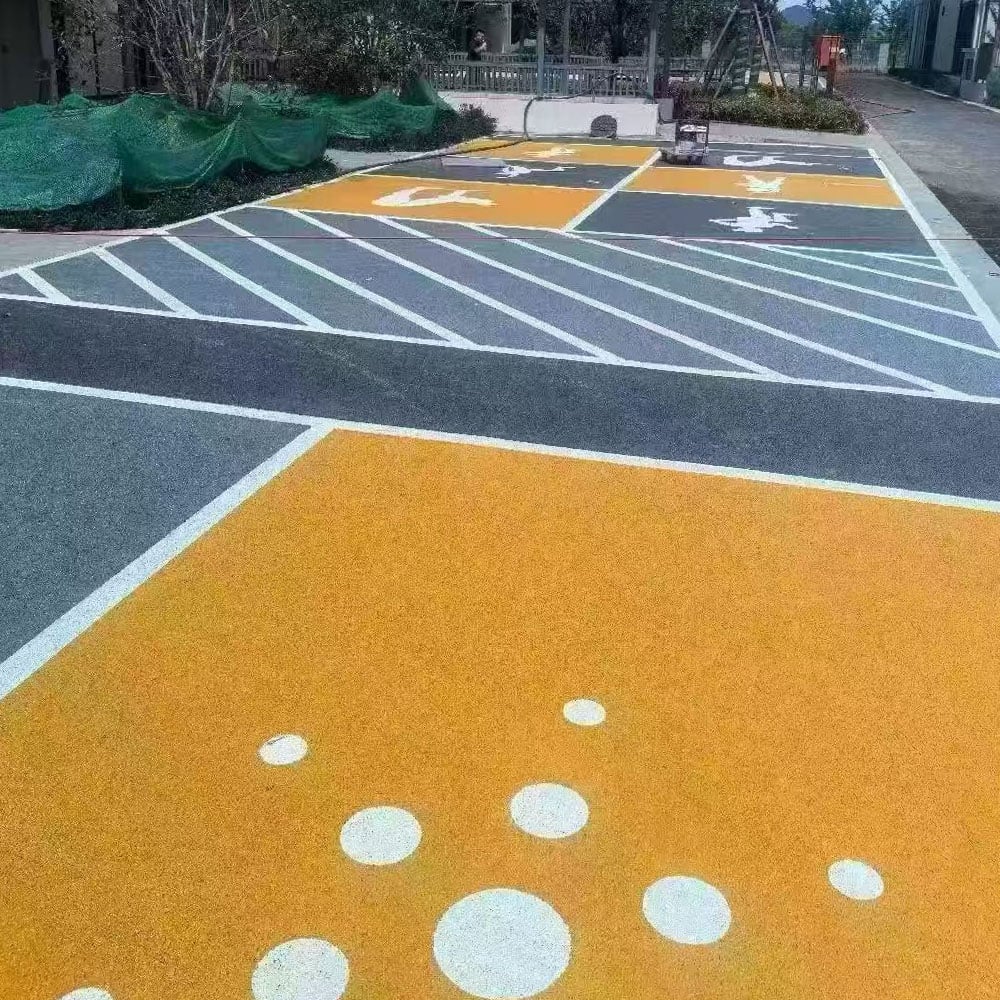
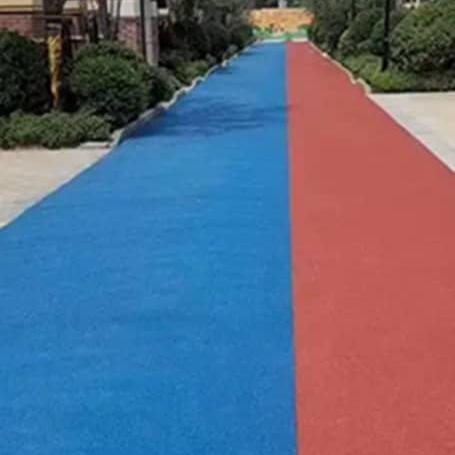
Materials used in sponge city applications demonstrate excellent permeability, compression resistance, wear resistance, anti-slip performance, environmental aesthetics, ease of maintenance, and noise reduction. These “breathing” pavements not only enhance urban landscapes but also help alleviate the urban heat island effect, reducing surface temperature rise.
Sponge city development holds long-term significance for China’s urban future and human habitat improvement. It should be incorporated into ecological city assessment systems and green building standards, implemented through indicators such as permeable pavement ratio, sunken green space ratio, and green roof coverage.
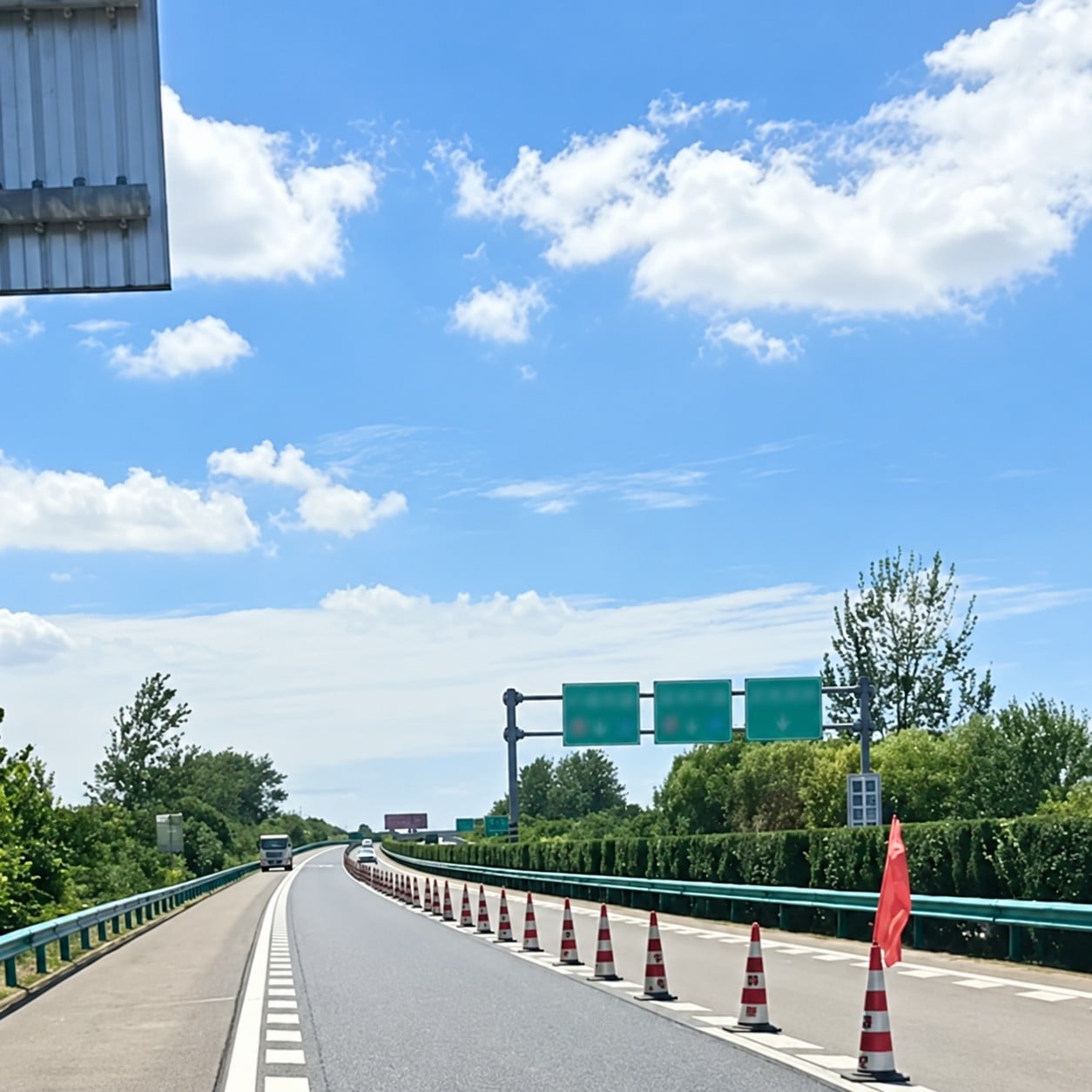
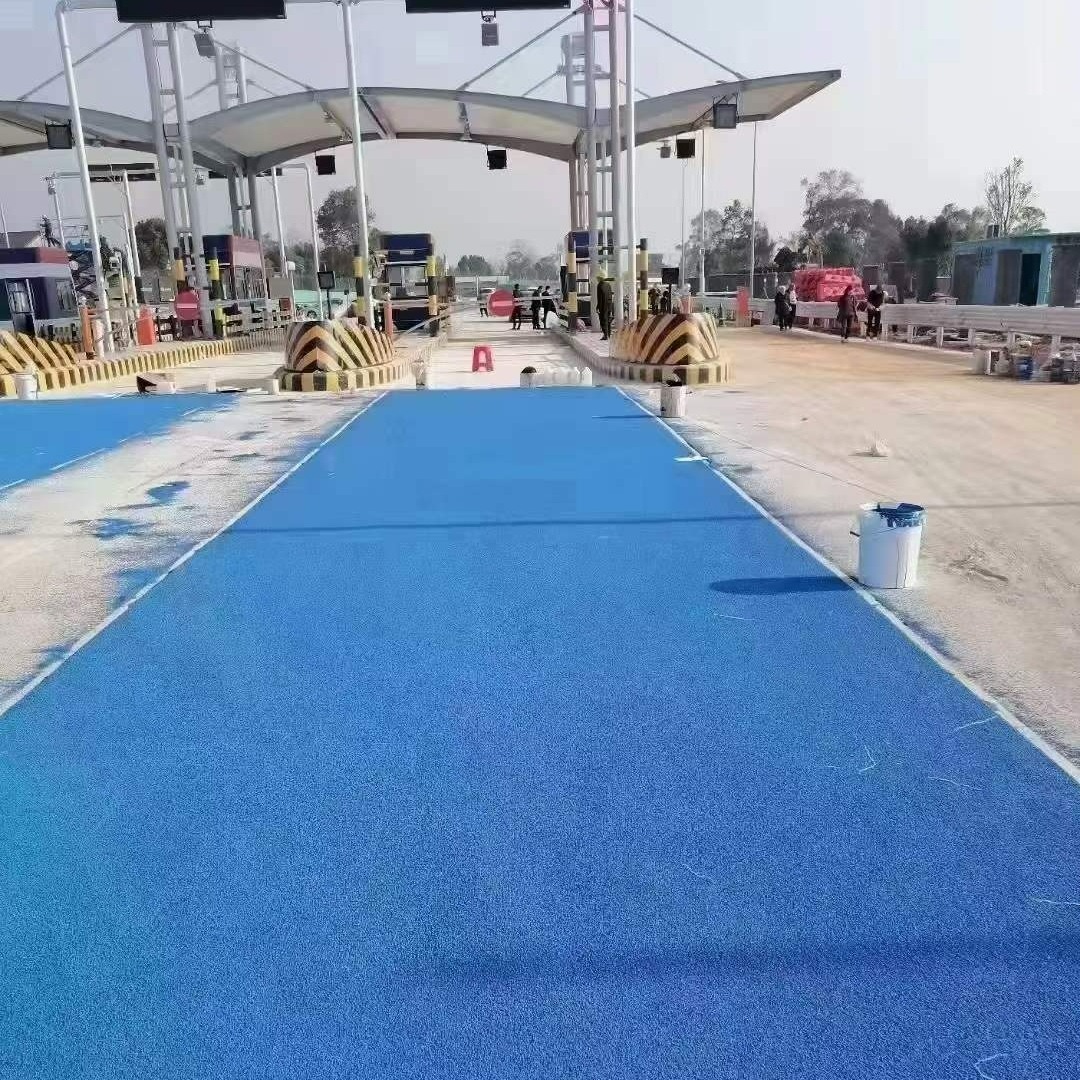
The focus of sponge city construction lies in sponge city pavements and road systems. Permeable roads are designed to meet standard traffic load requirements while maintaining high water permeability, overcoming earlier limitations that restricted permeable surfaces to low-traffic areas like pedestrian walkways or bicycle paths.
Ahonesty Huacheng offers integrated solutions through its dedicated construction teams and engineering guidance, delivering end-to-end services—from producing raw materials for permeable pavements to complete sponge city paving projects. We provide design and construction for permeable roads, permeable floors, and permeable surfaces.

 EN
EN