Premium Abrasion Resistant Coating Solutions - Ultimate Surface Protection Technology

All Categories

Get a Free Quote

Our representative will contact you soon.
Email
Mobile/WhatsApp
Name
Company Name
Message
0/1000

abrasion resistant coating

An abrasion resistant coating represents a specialized protective solution designed to shield surfaces from mechanical wear, friction damage, and material degradation caused by repeated contact with abrasive substances. These advanced coatings form a durable barrier that significantly extends the operational lifespan of equipment, components, and infrastructure across numerous industries. The primary function of abrasion resistant coating technology centers on creating a hardened surface layer that can withstand continuous mechanical stress while maintaining structural integrity. Modern abrasion resistant coating formulations utilize cutting-edge materials science, incorporating ceramic particles, polymer matrices, and metallic compounds to achieve superior performance characteristics. The technological features of these protective systems include exceptional adhesion properties, thermal stability, chemical resistance, and the ability to maintain protective qualities under extreme operating conditions. Manufacturing processes for abrasion resistant coating applications involve precise temperature control, surface preparation protocols, and specialized application techniques to ensure optimal bonding and uniform coverage. These coatings find extensive applications in mining equipment, agricultural machinery, industrial conveyors, marine vessels, pipeline systems, and construction equipment where surface wear poses significant operational challenges. The versatility of abrasion resistant coating solutions allows for customization based on specific environmental factors, load requirements, and performance expectations. Advanced formulations can be tailored to address particular wear patterns, chemical exposures, and temperature ranges encountered in different operational environments. Implementation of abrasion resistant coating technology requires careful consideration of substrate materials, surface conditions, and application methods to achieve maximum effectiveness and longevity.

New Product Releases

The implementation of abrasion resistant coating technology delivers substantial benefits that directly impact operational efficiency and cost management for businesses across various sectors. Equipment protected with high-quality abrasion resistant coating experiences dramatically reduced maintenance requirements, eliminating the need for frequent repairs and component replacements that typically result from surface wear damage. This protection translates to significant cost savings through extended equipment lifecycles, reduced downtime periods, and lower replacement part expenses. Manufacturing facilities utilizing abrasion resistant coating on critical machinery report productivity improvements due to more consistent equipment performance and fewer unexpected breakdowns. The coating creates a smooth, uniform surface that reduces friction coefficients, leading to improved operational efficiency and reduced energy consumption during equipment operation. Safety benefits emerge as another crucial advantage, since abrasion resistant coating prevents material degradation that could lead to equipment failures or workplace accidents. Workers experience safer operating conditions when machinery maintains its structural integrity through protective coating applications. Environmental advantages include reduced waste generation from worn components and decreased need for raw materials in manufacturing replacement parts. The durability of abrasion resistant coating solutions means fewer coating reapplications over time, reducing material consumption and associated environmental impacts. Quality control improvements occur naturally when equipment surfaces remain stable and predictable through coating protection, leading to more consistent product outputs and reduced rejection rates. Financial planning becomes more accurate and predictable when businesses can rely on extended equipment lifecycles provided by abrasion resistant coating applications. Operational flexibility increases significantly as protected equipment can handle more demanding applications and harsher operating conditions without compromising performance standards. The coating technology adapts to various substrate materials and shapes, providing comprehensive protection solutions for complex equipment configurations. Competitive advantages emerge for companies that implement abrasion resistant coating systems, as they can offer more reliable services with lower operational costs and improved equipment availability rates.

Tips And Tricks

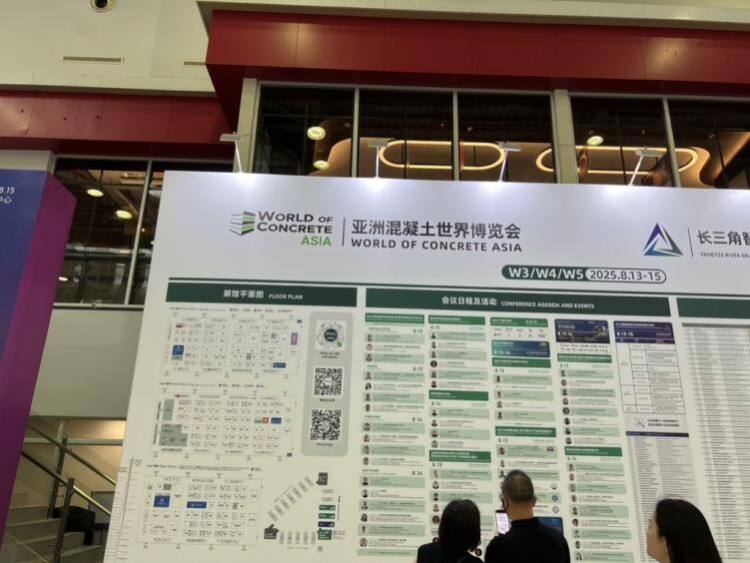
Shandong Huacheng High-Tech Participates in WORLD OF CONCRETE ASIA 2025 in Shanghai

25

Feb

Shandong Huacheng High-Tech Participates in WORLD OF CONCRETE ASIA 2025 in Shanghai

View More
Shandong Huacheng High-Tech Shines at CHINACOAT 2025 Shanghai

25

Feb

Shandong Huacheng High-Tech Shines at CHINACOAT 2025 Shanghai

View More
Huacheng High-Tech Recognized as Provincial Enterprise Technology Center by Shandong Province

27

Feb

Huacheng High-Tech Recognized as Provincial Enterprise Technology Center by Shandong Province

View More

Get a Free Quote

Our representative will contact you soon.
Email
Mobile/WhatsApp
Name
Company Name
Message
0/1000

abrasion resistant coating

Advanced Material Technology and Superior Durability

Advanced Material Technology and Superior Durability

The foundation of exceptional abrasion resistant coating performance lies in sophisticated material engineering that combines multiple protective elements into a unified, high-performance system. Advanced ceramic particles embedded within polymer matrices create a composite structure that delivers outstanding resistance to mechanical wear while maintaining flexibility and adhesion properties essential for long-term performance. The molecular structure of modern abrasion resistant coating formulations incorporates nano-scale reinforcement materials that fill microscopic surface irregularities, creating an ultra-smooth protective barrier that minimizes friction points where wear typically initiates. Thermal stability represents a critical technological advancement, allowing abrasion resistant coating applications to maintain protective qualities across extreme temperature ranges encountered in industrial environments. Chemical cross-linking within the coating matrix ensures that protective properties remain consistent even under continuous mechanical stress and exposure to corrosive substances. The multi-layered approach used in premium abrasion resistant coating systems provides redundant protection levels, where surface damage to outer layers does not compromise overall protective integrity. Quality testing protocols validate coating performance through accelerated wear testing, impact resistance measurements, and long-term exposure studies that simulate real-world operating conditions. Manufacturing precision in coating thickness control ensures uniform protection across complex surface geometries, eliminating weak points that could lead to premature failure. Advanced curing processes optimize molecular bonding between coating layers and substrate materials, creating seamless integration that prevents delamination under stress. The technological sophistication of abrasion resistant coating systems continues advancing through ongoing research into new material combinations, application methods, and performance enhancement techniques that push protective capabilities beyond traditional limitations.
Cost-Effective Protection and Economic Benefits

Cost-Effective Protection and Economic Benefits

Implementing abrasion resistant coating technology generates substantial economic returns through multiple cost reduction mechanisms that positively impact both short-term operational expenses and long-term capital investment strategies. Equipment maintenance costs decrease dramatically when protective coatings prevent surface wear damage that typically requires expensive repairs, component replacements, and extended downtime periods for restoration work. The initial investment in quality abrasion resistant coating applications pays for itself through extended equipment lifecycles that can multiply operational lifespans by several times compared to unprotected surfaces. Production efficiency improvements result from more consistent equipment performance, reduced friction losses, and elimination of wear-related performance degradation that gradually reduces operational effectiveness. Labor cost savings emerge as maintenance teams spend less time on repair activities and component replacements, allowing skilled technicians to focus on productive activities rather than reactive maintenance tasks. Inventory management becomes more predictable and cost-effective when equipment protected by abrasion resistant coating requires fewer replacement parts and less frequent component upgrades. Energy consumption reductions occur naturally as smooth, protected surfaces require less power to operate effectively, contributing to lower utility costs and improved environmental sustainability metrics. Insurance benefits may be available for facilities that demonstrate proactive equipment protection measures, as reduced risk profiles lead to lower premium costs and fewer claims related to equipment failures. Supply chain advantages include reduced dependency on replacement part availability and elimination of emergency procurement costs associated with unexpected equipment failures. Budget predictability improves significantly when businesses can accurately forecast equipment lifecycles and maintenance requirements based on proven abrasion resistant coating performance data. Return on investment calculations consistently demonstrate positive financial outcomes within reasonable payback periods, making coating applications attractive capital investments that contribute to long-term business profitability and operational sustainability.
Versatile Applications and Industry Adaptability

Versatile Applications and Industry Adaptability

The remarkable versatility of abrasion resistant coating technology enables effective protection solutions across an extensive range of industries, equipment types, and operating environments that present unique wear challenges requiring specialized approaches. Mining operations utilize these protective systems on conveyor belts, chutes, hoppers, and processing equipment where constant exposure to abrasive materials would quickly degrade unprotected surfaces and compromise operational efficiency. Agricultural machinery benefits from abrasion resistant coating applications on tillage equipment, harvesting components, and material handling systems that encounter soil particles, crop residues, and other abrasive substances during normal operations. Marine industry applications include ship hull protection, propeller coatings, and deck equipment where saltwater exposure combined with mechanical wear creates particularly challenging environmental conditions requiring robust protective solutions. Construction equipment manufacturers integrate abrasion resistant coating technology into excavator buckets, bulldozer blades, and concrete mixing equipment where constant contact with abrasive materials is unavoidable during normal operations. Transportation infrastructure relies on these protective systems for bridge components, roadway equipment, and railway applications where weather exposure and mechanical stress combine to create accelerated wear conditions. Manufacturing facilities apply abrasion resistant coating to production machinery, material handling equipment, and quality control systems where consistent performance and surface integrity directly impact product quality and operational efficiency. Customization capabilities allow coating formulations to be tailored for specific applications, substrate materials, and environmental conditions encountered in specialized industrial processes. Installation flexibility accommodates various application methods including spray coating, brush application, and immersion techniques that adapt to different equipment configurations and accessibility constraints. Quality assurance protocols ensure that abrasion resistant coating applications meet industry-specific performance standards and regulatory requirements across diverse operational environments while maintaining consistent protective effectiveness throughout extended service periods.

Get a Free Quote

Our representative will contact you soon.
Email
Mobile/WhatsApp
Name
Company Name
Message
0/1000