permeable pavement system
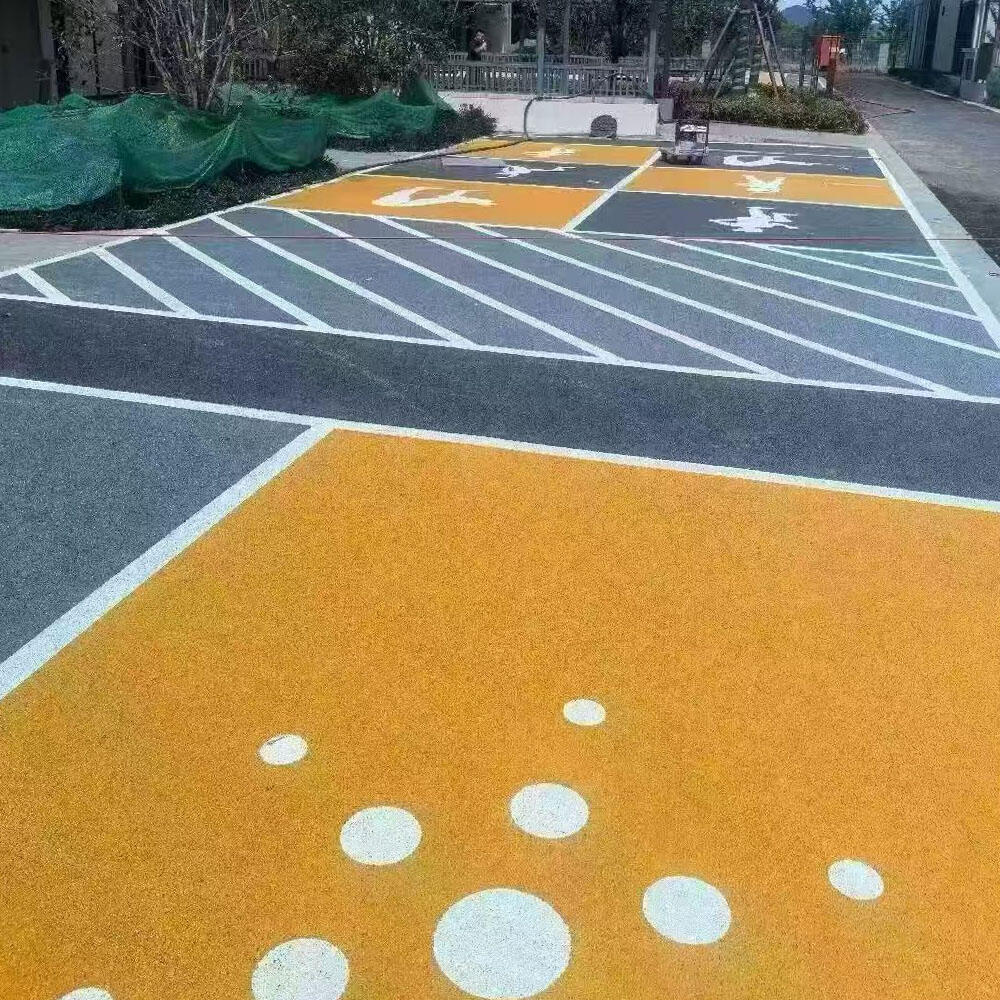
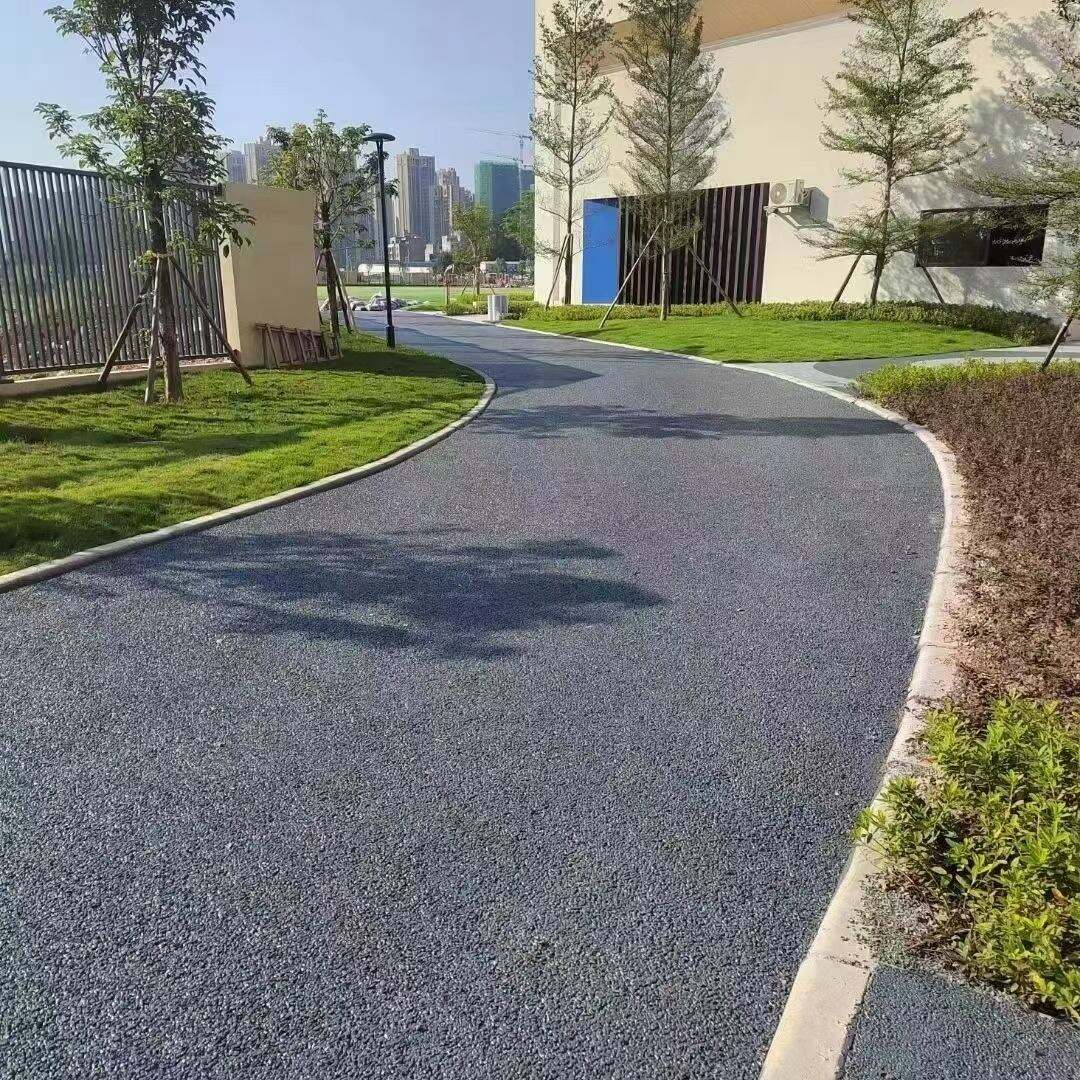
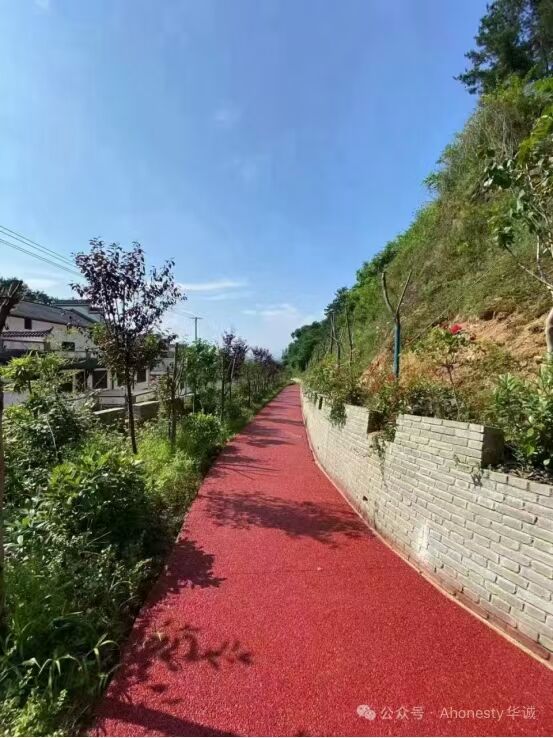
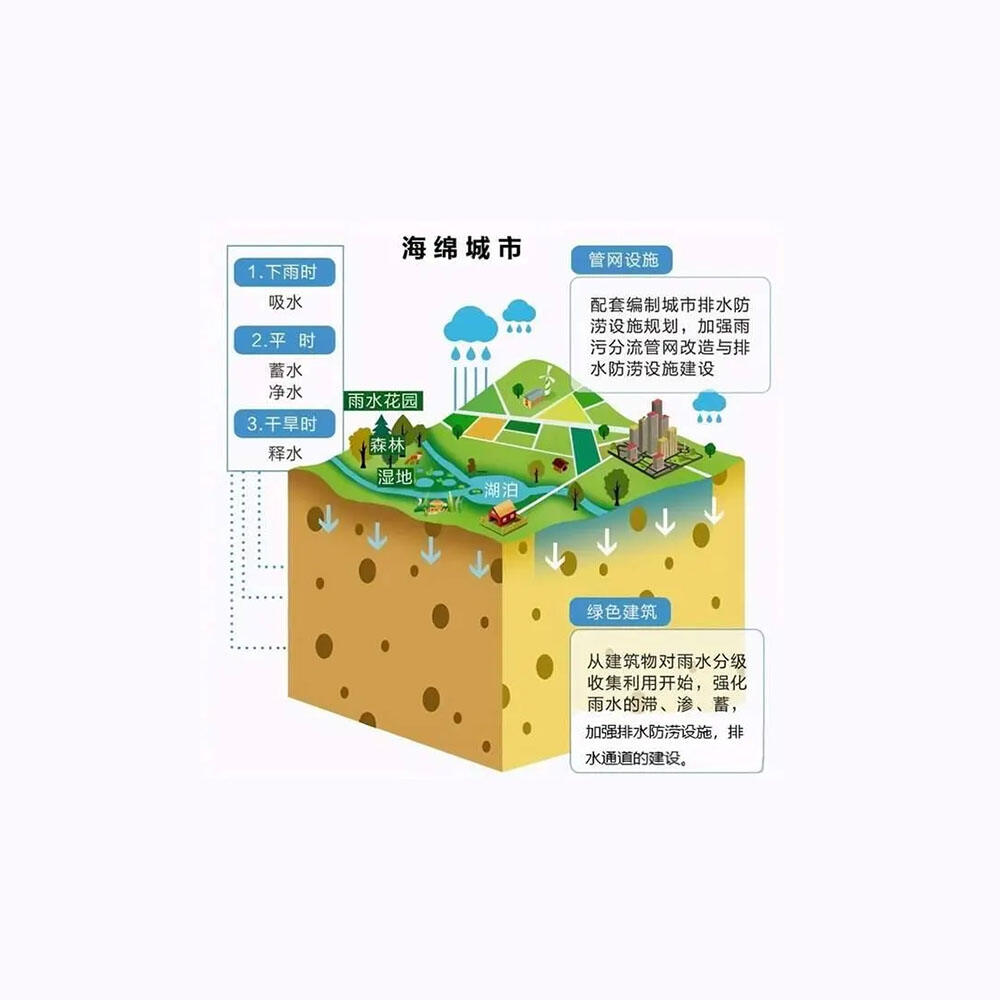
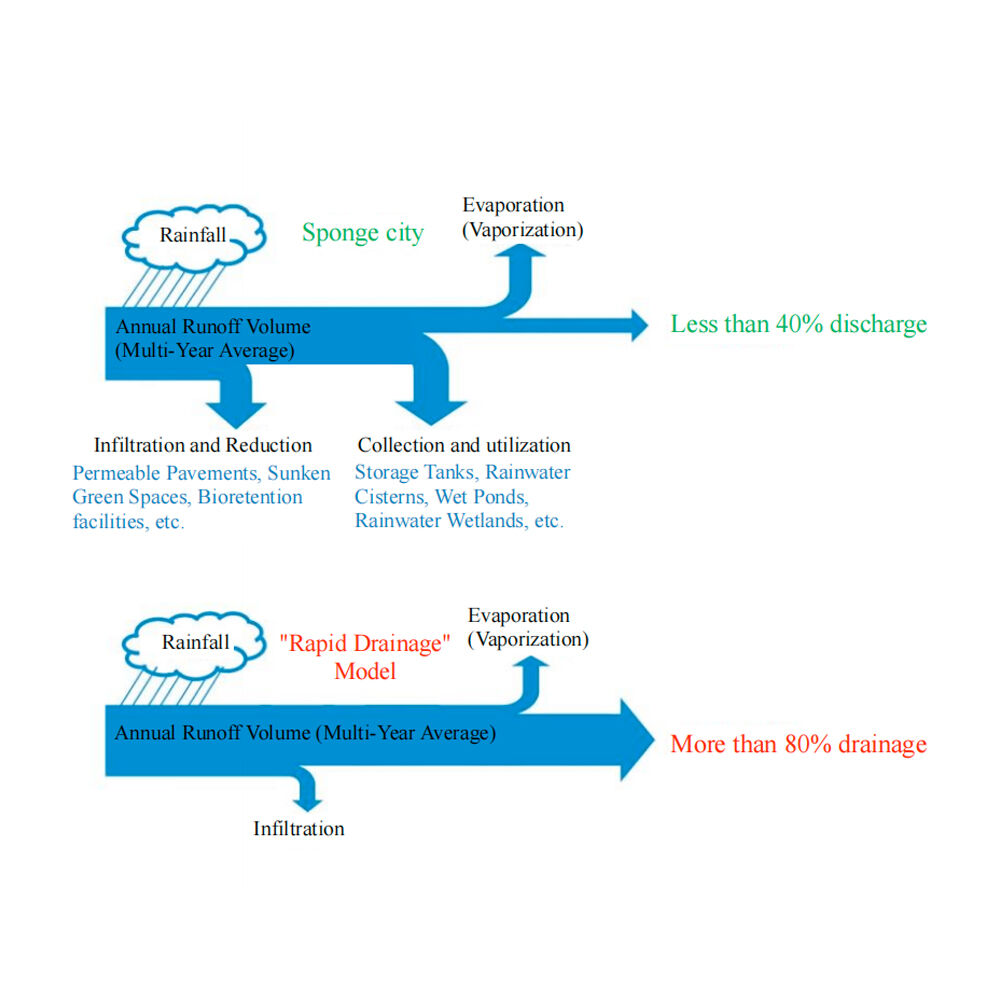
The permeable pavement system represents a revolutionary approach to modern infrastructure design that addresses critical urban challenges while maintaining excellent functionality. This innovative technology allows rainwater to pass through the surface directly into the ground beneath, rather than creating runoff that overwhelms drainage systems. The permeable pavement system consists of specialized materials engineered with interconnected pores or gaps that facilitate water infiltration while supporting vehicular and pedestrian traffic. These surfaces incorporate various components including porous asphalt, pervious concrete, permeable interlocking pavers, and grid systems filled with gravel or grass. The technological foundation relies on carefully calibrated porosity levels that balance water permeability with structural integrity. Engineers design these systems with specific void ratios typically ranging from fifteen to twenty-five percent, ensuring optimal drainage performance without compromising load-bearing capacity. The permeable pavement system integrates seamlessly with existing infrastructure while providing superior stormwater management capabilities. Installation involves creating a layered foundation system with aggregate base materials that enhance filtration and provide structural support. Modern applications span residential driveways, commercial parking lots, walkways, courtyards, and low-traffic roadways. Municipal governments increasingly adopt this technology for sidewalks, bike paths, and public spaces to meet environmental regulations and sustainability goals. The system effectively reduces urban heat island effects through enhanced evaporation and cooling processes. Advanced manufacturing techniques produce materials that resist freeze-thaw damage, chemical degradation, and heavy traffic loads. Quality control measures ensure consistent performance across diverse climate conditions and usage patterns. The permeable pavement system contributes significantly to green building certifications and environmental compliance requirements, making it essential for contemporary construction projects focused on ecological responsibility and long-term sustainability.

 EN
EN