Permeable Road Paint: Advanced Drainage Technology for Enhanced Road Safety and Cost-Effective Infrastructure Solutions

All Categories

Get a Free Quote

Our representative will contact you soon.
Email
Mobile/WhatsApp
Name
Company Name
Message
0/1000

permeable road paint

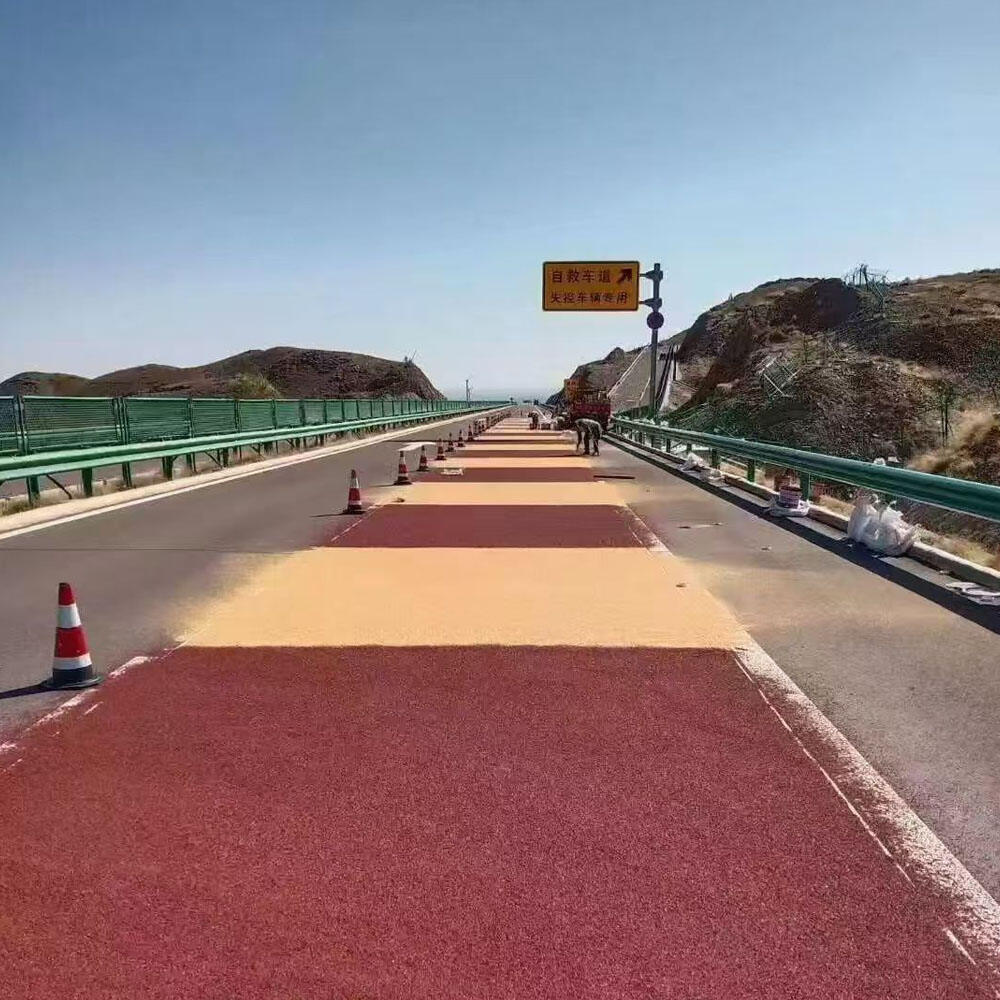
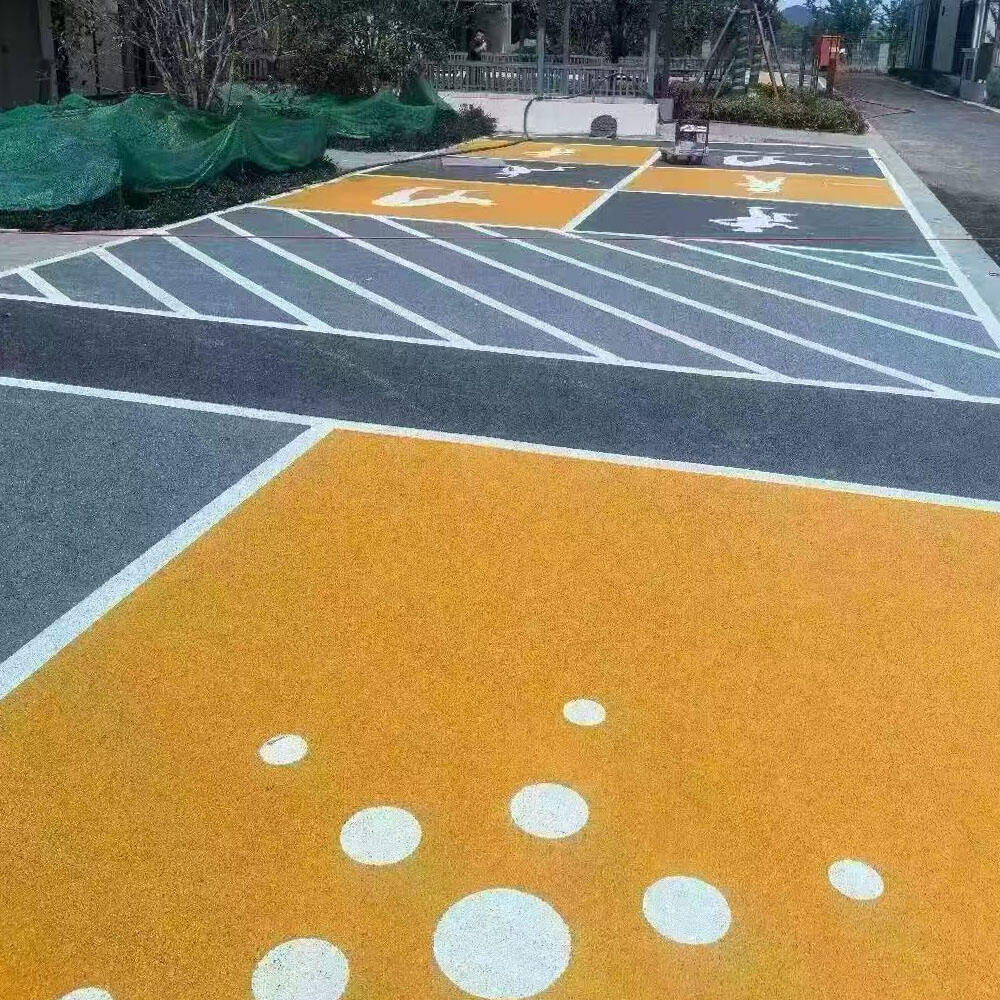
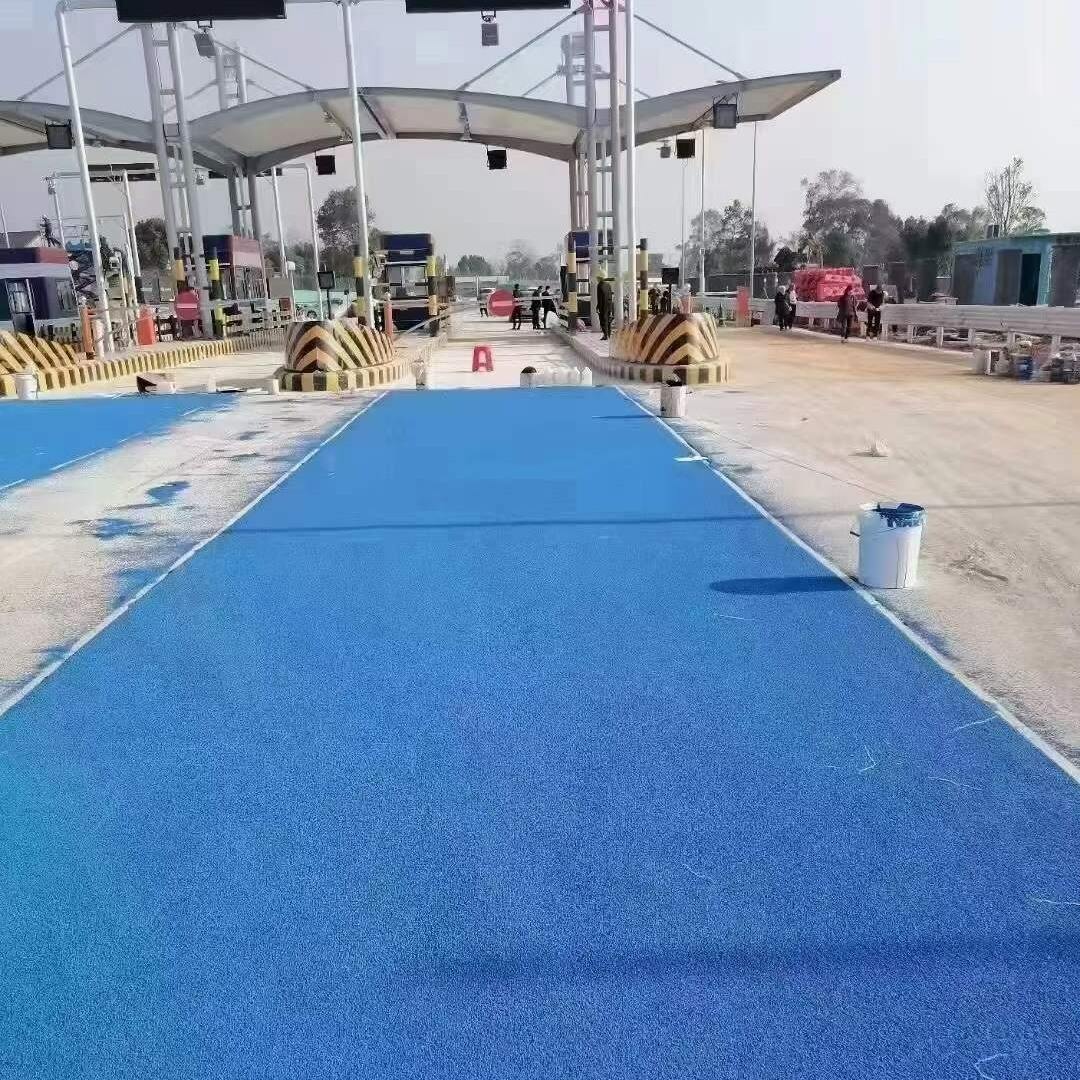
Permeable road paint represents a revolutionary advancement in pavement marking technology that addresses multiple infrastructure challenges through innovative design. This specialized coating system allows water to pass through its surface while maintaining excellent visibility and durability characteristics essential for road safety applications. The permeable road paint utilizes advanced polymer formulations combined with carefully engineered aggregate materials to create a porous structure that facilitates water drainage without compromising marking performance. The technology incorporates microscopic channels and voids within the paint matrix that enable rapid water infiltration and subsequent drainage to underlying pavement layers. Primary functions include stormwater management through enhanced drainage capabilities, reducing surface water accumulation that can lead to hydroplaning incidents and improved road safety conditions. The permeable road paint also provides superior skid resistance compared to conventional markings, particularly in wet conditions where traditional paints become slippery. Technological features encompass specialized binder systems that maintain structural integrity while preserving porosity, reflective glass beads integrated into the permeable matrix for nighttime visibility, and chemical resistance properties that withstand harsh environmental conditions including freeze-thaw cycles, road salt exposure, and UV radiation. The paint formulation includes self-cleaning properties that prevent clogging of porous channels through natural weathering processes. Application versatility spans highways, urban streets, parking facilities, airport runways, and pedestrian crossings where enhanced drainage and visibility are crucial. Installation requires specialized equipment and techniques to ensure proper porosity levels while achieving uniform thickness and coverage. The permeable road paint system integrates seamlessly with existing pavement infrastructure and can be applied over various substrate materials including asphalt and concrete surfaces, making it adaptable to diverse transportation projects and maintenance schedules.

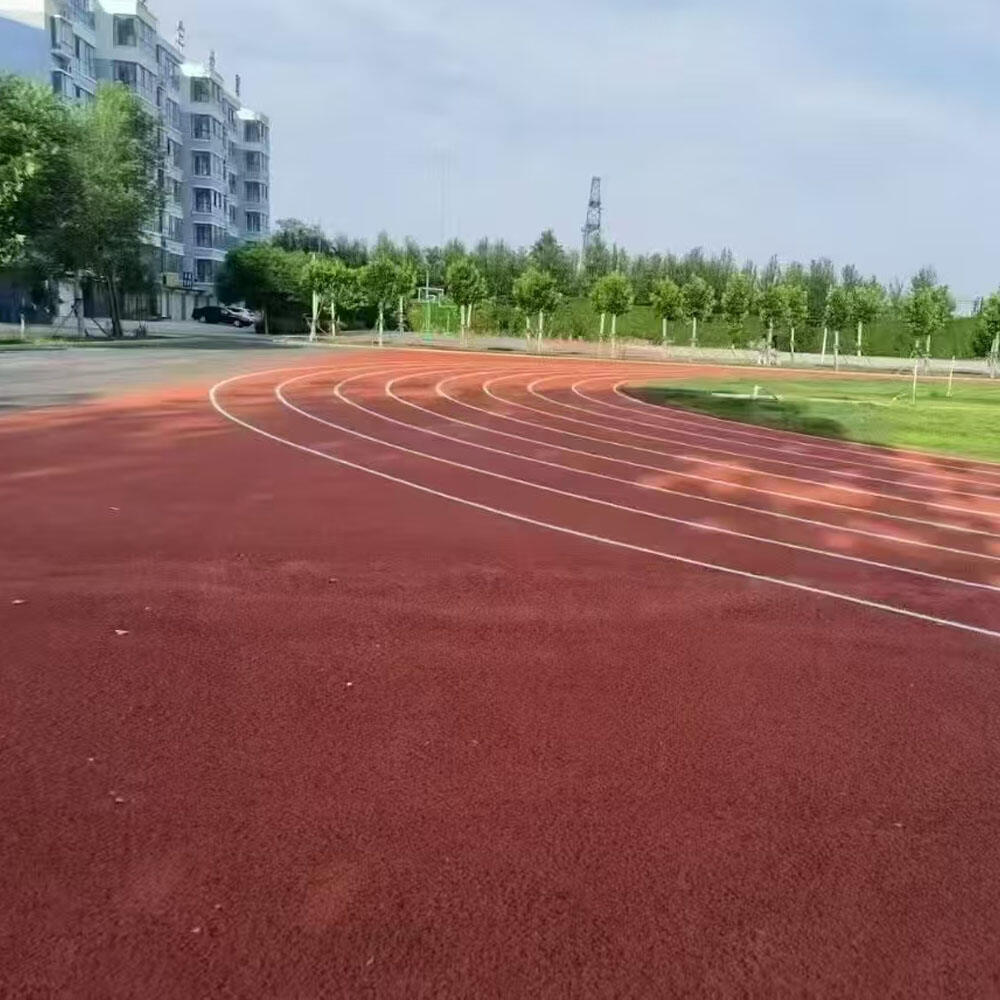
New Product Recommendations

Permeable road paint delivers substantial benefits that transform traditional pavement marking approaches through enhanced functionality and performance characteristics. Water management capabilities stand as the primary advantage, effectively eliminating surface water accumulation that creates hazardous driving conditions during rainfall events. This drainage feature prevents hydroplaning incidents by allowing water to penetrate through the marking surface rather than creating slick, dangerous conditions that compromise vehicle traction and control. The improved safety profile extends beyond water management to include enhanced visibility characteristics that remain consistent across various weather conditions. Unlike conventional markings that lose reflectivity when wet, permeable road paint maintains its visual prominence through integrated reflective elements that function effectively even when moisture is present on the surface. Durability represents another significant advantage as the specialized formulation resists typical failure modes associated with traditional paints including cracking, peeling, and color fading. The flexible polymer matrix accommodates pavement movement and thermal expansion without losing adhesion or developing surface defects that require frequent maintenance interventions. Cost-effectiveness emerges through reduced maintenance requirements and extended service life that can exceed traditional markings by substantial margins. The permeable road paint requires fewer reapplication cycles, reducing labor costs, traffic disruption, and material expenses over the pavement lifecycle. Environmental benefits include contribution to sustainable stormwater management practices by reducing runoff volumes and improving water quality through natural filtration processes. The technology supports green infrastructure initiatives and helps municipalities meet regulatory requirements for stormwater control while maintaining essential traffic guidance functions. Installation efficiency provides operational advantages as the permeable road paint can be applied using modified conventional equipment with minimal specialized training requirements. The application process integrates smoothly into existing maintenance schedules without requiring extensive traffic control modifications or extended road closures that impact community mobility and economic activities.

Practical Tips

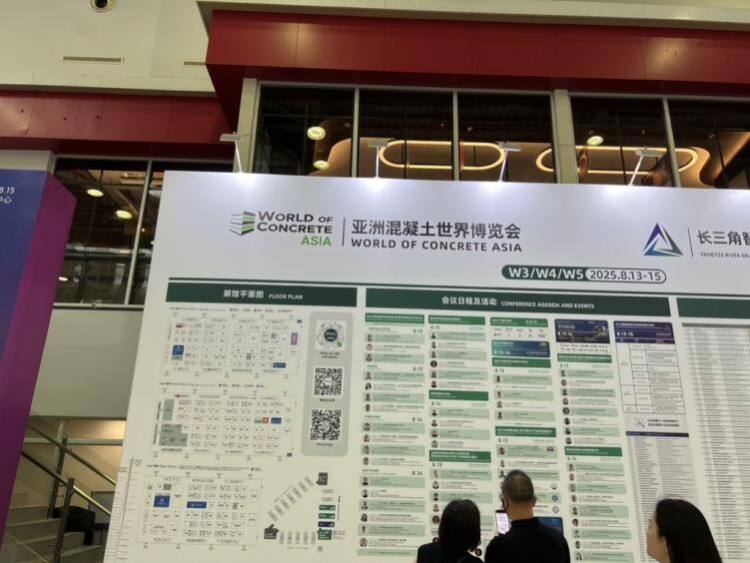
Shandong Huacheng High-Tech Participates in WORLD OF CONCRETE ASIA 2025 in Shanghai

25

Feb

Shandong Huacheng High-Tech Participates in WORLD OF CONCRETE ASIA 2025 in Shanghai

View More
Shandong Huacheng High-Tech Shines at CHINACOAT 2025 Shanghai

25

Feb

Shandong Huacheng High-Tech Shines at CHINACOAT 2025 Shanghai

View More
Huacheng High-Tech Recognized as Provincial Enterprise Technology Center by Shandong Province

27

Feb

Huacheng High-Tech Recognized as Provincial Enterprise Technology Center by Shandong Province

View More

Get a Free Quote

Our representative will contact you soon.
Email
Mobile/WhatsApp
Name
Company Name
Message
0/1000

permeable road paint

Advanced Water Management Technology

Advanced Water Management Technology

The sophisticated water management capabilities of permeable road paint establish it as the premier solution for addressing drainage challenges in transportation infrastructure. This innovative technology employs a carefully engineered porous matrix that allows water to penetrate through the marking surface at rates significantly exceeding natural precipitation levels, effectively eliminating surface water accumulation that creates hazardous driving conditions. The permeable structure consists of interconnected void spaces ranging from 15 to 25 percent of the total volume, creating efficient drainage channels while maintaining structural integrity and marking performance. Engineering studies demonstrate that permeable road paint can handle infiltration rates exceeding 200 inches per hour, far surpassing typical rainfall intensities encountered in most geographic regions. This exceptional drainage capacity prevents the formation of water films on pavement surfaces that contribute to hydroplaning incidents, particularly dangerous during heavy rainfall events when visibility is already compromised. The technology incorporates self-maintaining characteristics that prevent clogging of drainage channels through natural cleaning action from rainfall and traffic-induced vibrations. Specialized aggregate selection ensures optimal void distribution while maintaining durability under traffic loading conditions. The permeable road paint system integrates seamlessly with broader stormwater management strategies, contributing to reduced urban runoff volumes and improved water quality through natural filtration processes as water passes through the porous matrix. Environmental benefits extend beyond immediate drainage improvements to include temperature reduction effects as evaporation from the permeable surface helps moderate pavement temperatures during hot weather conditions. This cooling effect contributes to improved comfort for pedestrians and cyclists while reducing the urban heat island effect in densely developed areas. Long-term performance data indicates that properly installed permeable road paint maintains its drainage effectiveness throughout its service life without requiring specialized maintenance procedures beyond normal marking renewal schedules.
Superior Safety Performance in All Weather Conditions

Superior Safety Performance in All Weather Conditions

Permeable road paint delivers unmatched safety performance across diverse weather conditions through innovative design features that maintain visibility and traction when traditional markings fail to provide adequate guidance. The unique combination of permeable technology and integrated reflective elements creates markings that remain highly visible during rainfall, snow, and fog conditions when conventional paints lose their effectiveness due to water accumulation and reduced light reflection. Advanced glass bead integration technology embeds retroreflective materials directly into the permeable matrix, ensuring that visibility characteristics persist even when the marking surface is wet or contaminated with road debris. This integrated approach prevents the common problem of glass bead loss that affects traditional markings, where reflective elements separate from the paint surface under traffic loading and weathering conditions. Safety testing demonstrates that permeable road paint provides superior skid resistance compared to conventional markings, particularly crucial during wet weather when traction becomes critical for vehicle control. The textured surface created by the permeable aggregate structure increases tire contact friction while the drainage capabilities prevent water from creating slippery conditions between the tire and pavement interface. Night visibility performance exceeds industry standards through optimized retroreflection that maintains effectiveness across vehicle headlight angles and distances typical of highway and urban driving conditions. The permeable road paint technology addresses the critical safety challenge of wet-weather visibility that contributes to significant accident rates during precipitation events. Research indicates that improved marking visibility can reduce weather-related accidents by up to 30 percent, particularly during nighttime rainfall when visibility challenges are most severe. Emergency response benefits include enhanced guidance for first responders during adverse weather conditions when clear lane delineation becomes essential for safe navigation. The consistent performance characteristics of permeable road paint provide predictable guidance cues that drivers can rely upon regardless of weather conditions, contributing to improved traffic flow and reduced congestion during challenging driving situations.
Long-Term Cost Efficiency and Environmental Benefits

Long-Term Cost Efficiency and Environmental Benefits

The exceptional cost efficiency of permeable road paint stems from its extended service life and reduced maintenance requirements that deliver substantial savings over traditional marking systems throughout the pavement lifecycle. Comprehensive lifecycle analysis demonstrates that initial investment costs are recovered within the first maintenance cycle through extended service intervals and reduced reapplication frequency. The durable polymer formulation resists common failure modes including UV degradation, chemical attack from road salts and deicing compounds, and mechanical wear from traffic loading that typically necessitate frequent marking renewal with conventional materials. Field performance data spanning multiple years indicates that permeable road paint maintains acceptable visibility and functionality for periods extending 50 to 100 percent longer than traditional markings under similar traffic and environmental conditions. This extended service life translates directly into reduced labor costs, minimized traffic disruption, and decreased material consumption over time. Maintenance cost reductions include elimination of frequent cleaning requirements as the self-draining characteristics prevent accumulation of debris and contaminants that typically obscure conventional markings. The permeable road paint requires minimal specialized maintenance beyond normal inspection and occasional surface cleaning that can be performed using standard highway maintenance equipment and procedures. Environmental advantages encompass multiple sustainability dimensions including contribution to stormwater management goals, reduced material consumption through extended service life, and support for green infrastructure initiatives. The technology helps municipalities and transportation agencies meet increasingly stringent stormwater regulations while maintaining essential traffic control functions without requiring separate drainage infrastructure investments. Carbon footprint reduction results from decreased maintenance frequency that reduces equipment emissions, transportation impacts, and manufacturing energy consumption associated with frequent marking replacement cycles. Material sustainability benefits include compatibility with recycled content incorporation and end-of-life recyclability that supports circular economy principles in transportation infrastructure development. The permeable road paint technology aligns with emerging sustainability mandates while delivering superior performance characteristics that justify investment from both economic and environmental perspectives, making it the preferred choice for forward-thinking transportation agencies and facility managers.

Get a Free Quote

Our representative will contact you soon.
Email
Mobile/WhatsApp
Name
Company Name
Message
0/1000