polyurea concrete
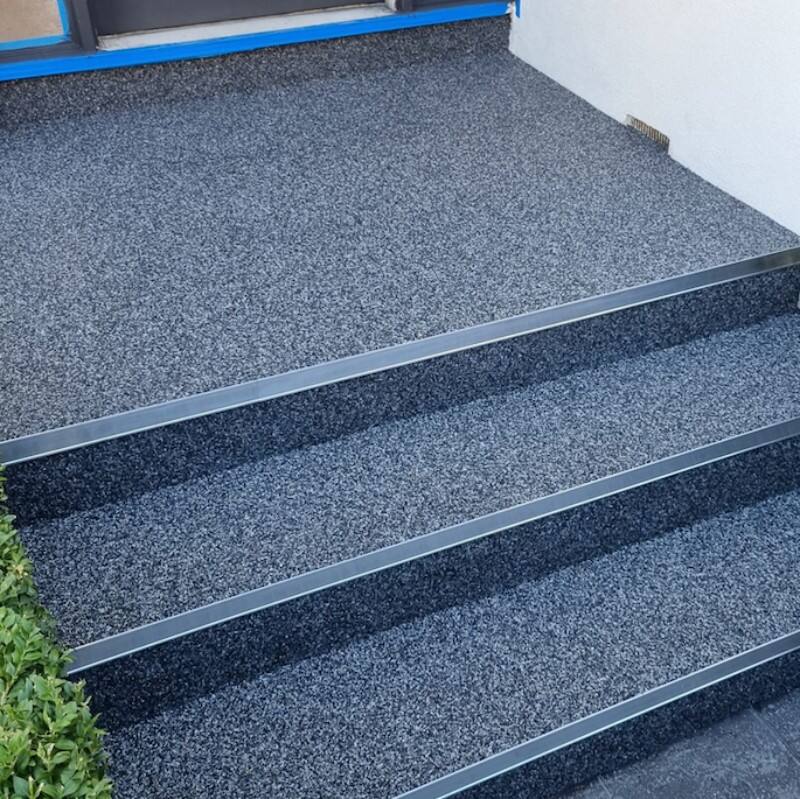
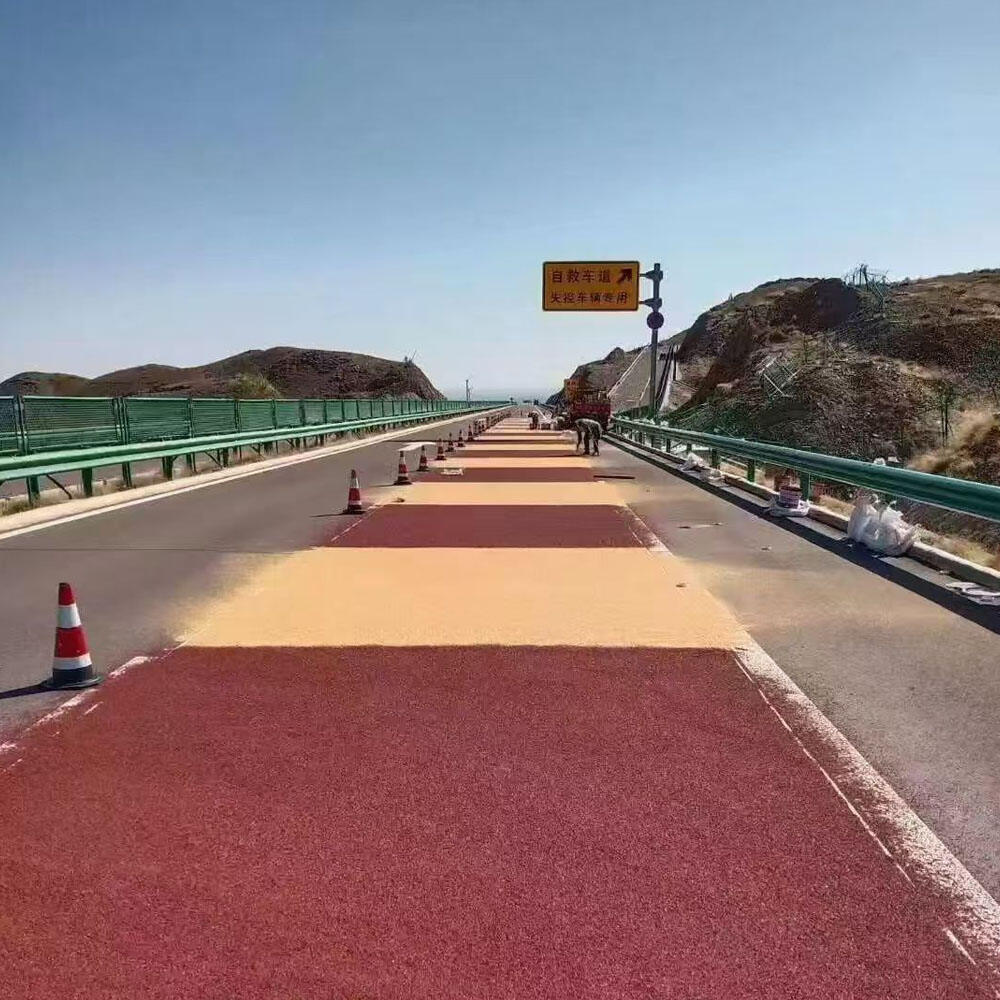
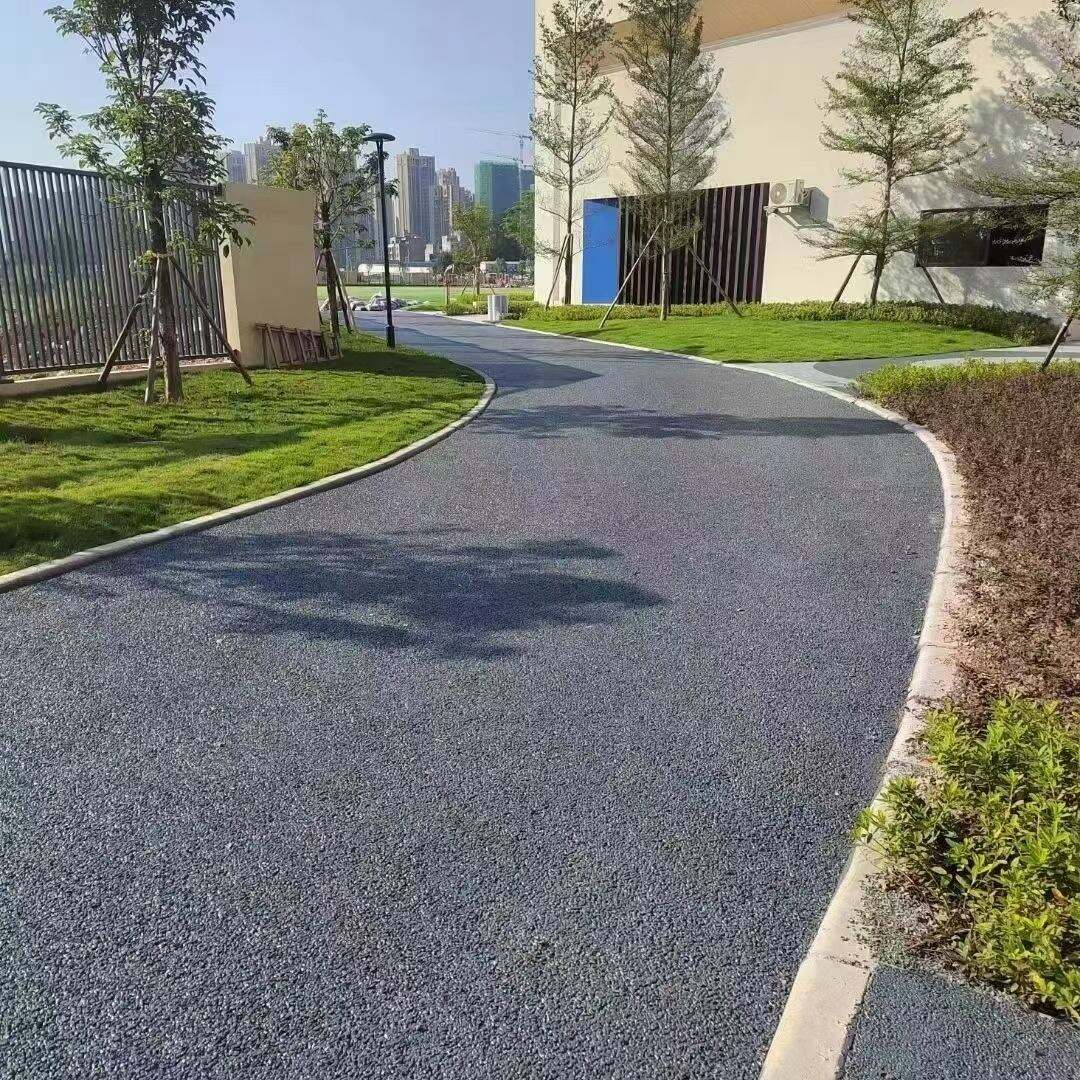
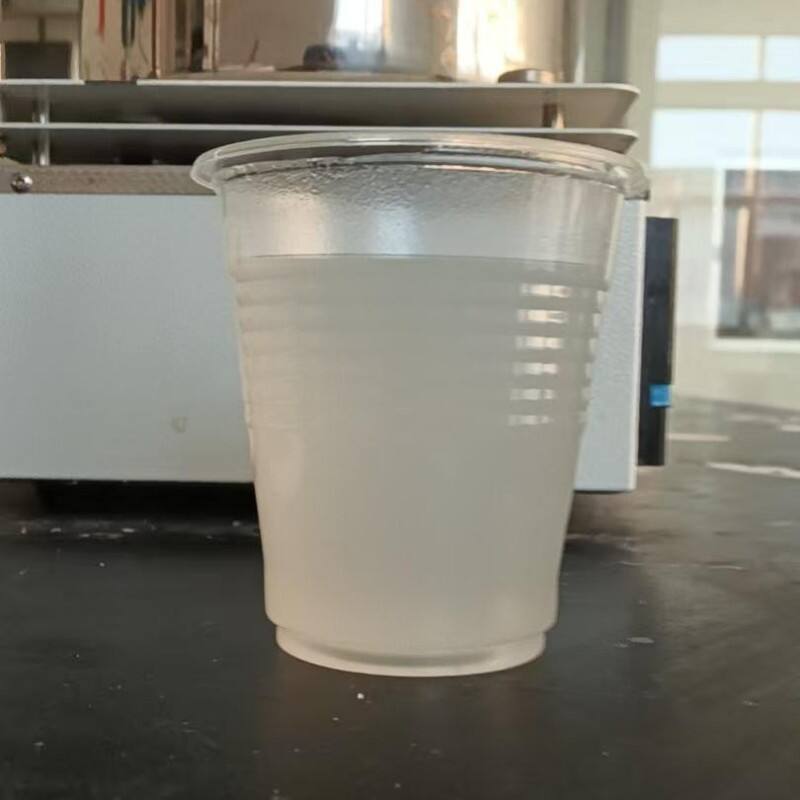
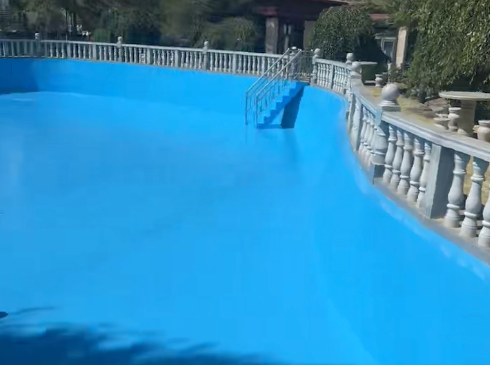
Polyurea concrete represents a revolutionary advancement in construction materials, combining the structural integrity of traditional concrete with the exceptional protective properties of polyurea coatings. This innovative composite material fundamentally transforms how we approach concrete protection and durability in demanding environments. Polyurea concrete systems typically consist of a concrete substrate treated or enhanced with polyurea formulations, creating a synergistic relationship that maximizes performance characteristics. The polyurea component, derived from the reaction between isocyanates and resin blends containing amine curatives, forms an elastomeric membrane that bonds seamlessly with concrete surfaces. This integration creates a unified system that addresses many traditional concrete limitations while maintaining structural performance. The primary functions of polyurea concrete include waterproofing, chemical resistance, abrasion protection, and structural enhancement. These systems excel in environments where standard concrete would deteriorate rapidly due to moisture infiltration, chemical exposure, or mechanical wear. The technological features of polyurea concrete stem from its unique molecular structure, which provides flexibility while maintaining adhesion strength. Fast curing times, often within seconds to minutes, allow for rapid application and minimal downtime during installation or repair projects. Temperature resistance ranges from extreme cold to high heat, making polyurea concrete suitable for diverse climatic conditions. The material exhibits excellent elongation properties, allowing it to accommodate substrate movement without cracking or delamination. Applications for polyurea concrete span numerous industries including manufacturing facilities, food processing plants, wastewater treatment facilities, parking structures, marine environments, and industrial flooring systems. The versatility of polyurea concrete makes it particularly valuable in situations requiring both structural integrity and protective performance, establishing it as a preferred solution for challenging construction and restoration projects.

 EN
EN