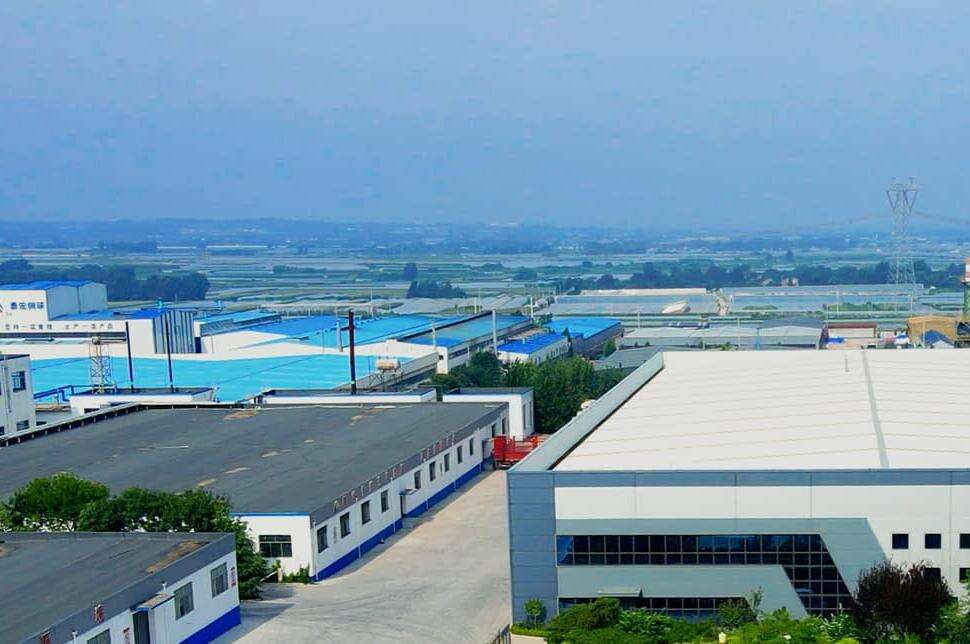
porous concrete pavement
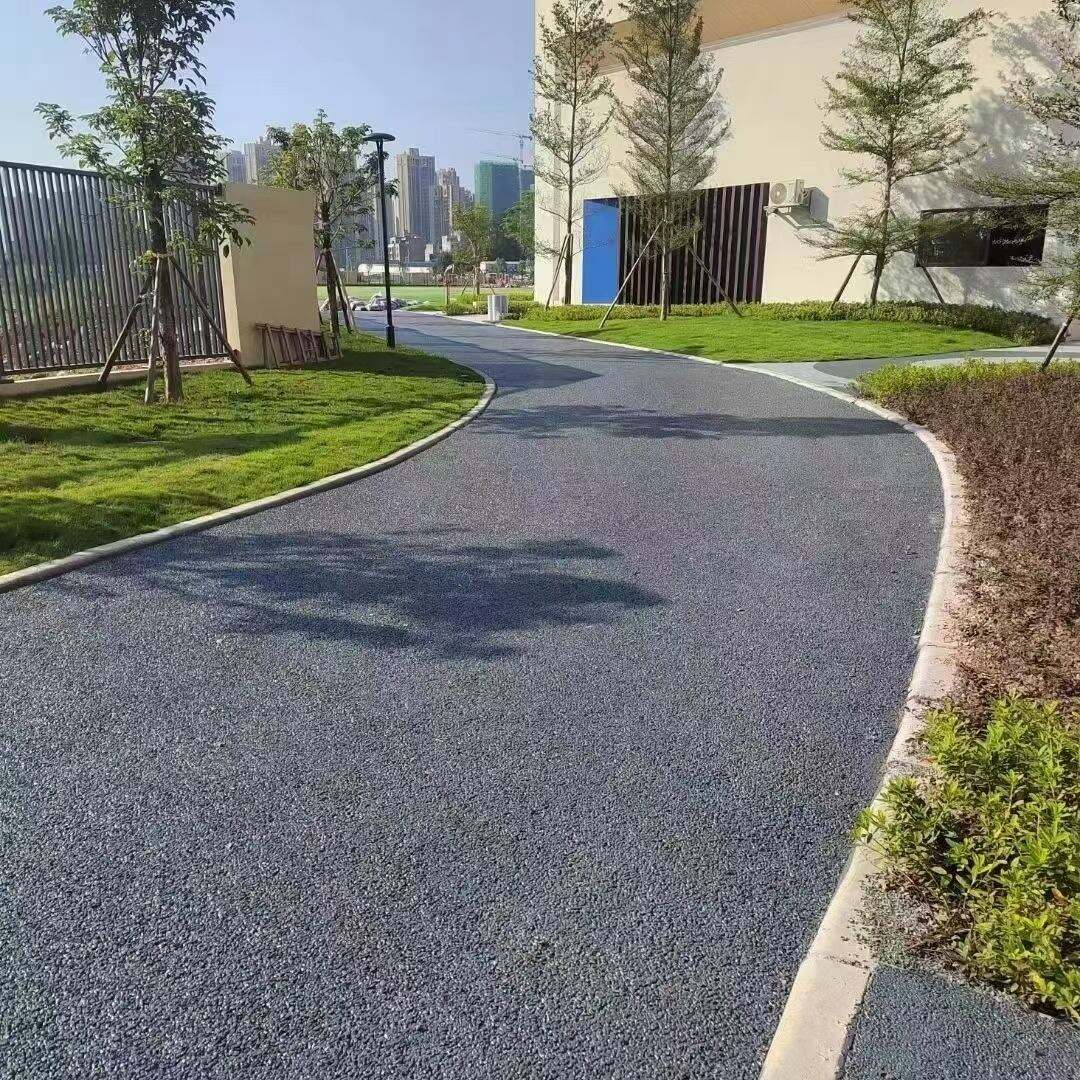
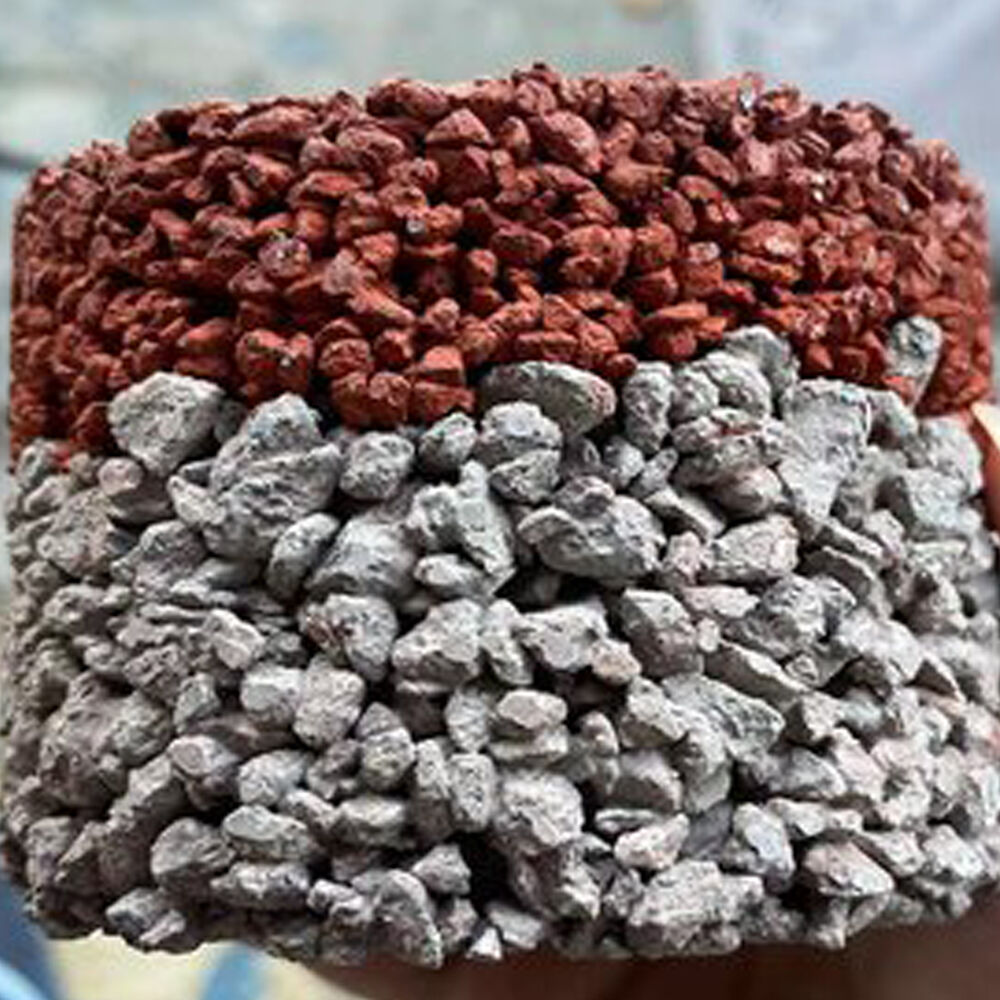
Porous concrete pavement represents a revolutionary approach to modern road construction, offering superior water management capabilities while maintaining structural integrity. This innovative pavement solution features an interconnected network of voids that allows water to pass through the surface directly into the underlying soil or drainage system. The main function of porous concrete pavement centers on effective stormwater management, reducing surface runoff by up to 80% compared to traditional impermeable surfaces. The technological foundation relies on carefully engineered aggregate gradation, specialized cement formulations, and precise water-to-cement ratios that create optimal porosity levels typically ranging from 15% to 25%. The manufacturing process eliminates fine aggregates, creating larger void spaces between coarse particles that form continuous pathways for water infiltration. Advanced admixtures enhance durability and freeze-thaw resistance, ensuring long-term performance in various climatic conditions. Applications span residential driveways, commercial parking lots, pedestrian walkways, and low-traffic roadways where sustainable drainage solutions are prioritized. Municipal governments increasingly specify porous concrete pavement for green infrastructure projects, recognizing its contribution to urban heat island reduction and groundwater recharge. The pavement system requires proper subgrade preparation, including adequate bearing capacity and appropriate base materials that facilitate drainage while providing structural support. Installation techniques demand specialized knowledge of mix design, placement procedures, and finishing methods that preserve the permeable characteristics. Quality control measures focus on maintaining target porosity levels and achieving specified compressive strength requirements. Environmental benefits include filtration of pollutants from stormwater runoff, reduction in flash flooding risks, and decreased burden on municipal storm drainage systems. The technology integrates seamlessly with sustainable construction practices, supporting LEED certification requirements and meeting increasingly stringent environmental regulations governing stormwater management in urban development projects.



 EN
EN