Industrial Permeable Concrete Solutions - Sustainable Water Management for Heavy-Duty Applications

All Categories

Get a Free Quote

Our representative will contact you soon.
Email
Mobile/WhatsApp
Name
Company Name
Message
0/1000

industrial permeable concrete

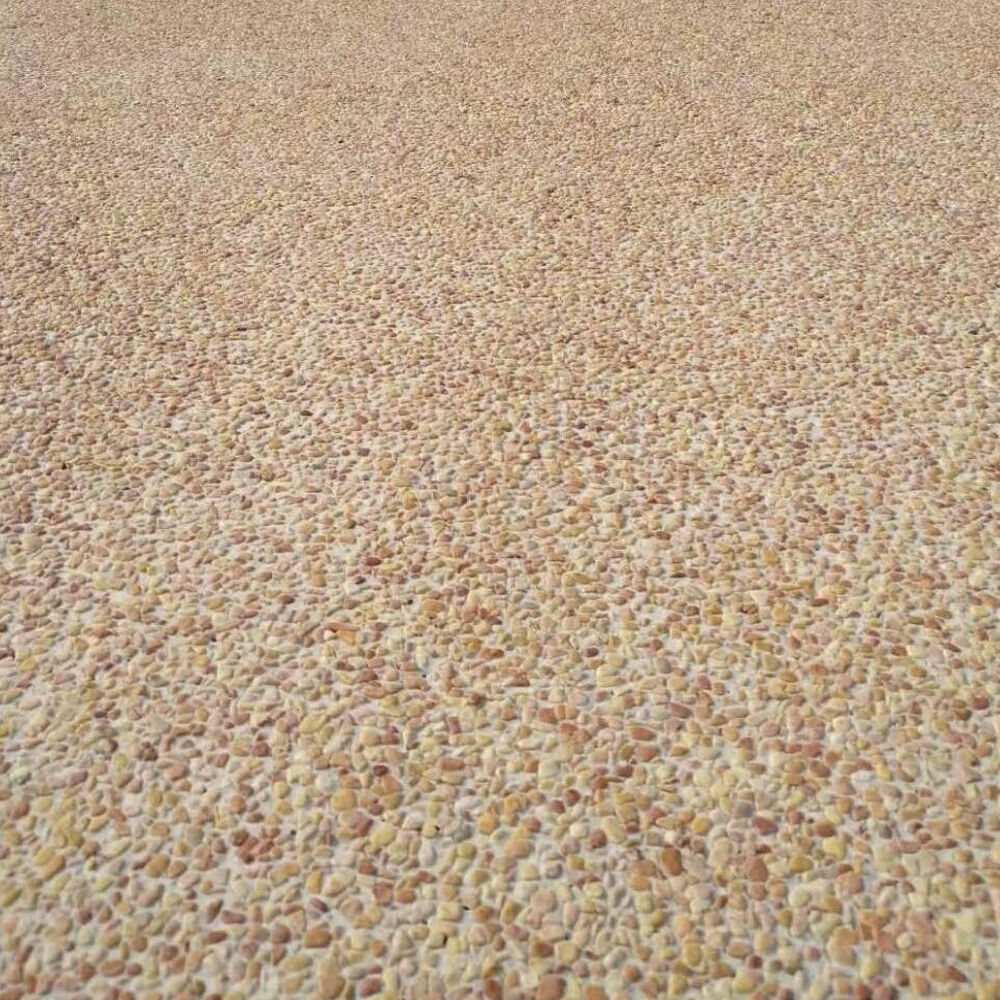
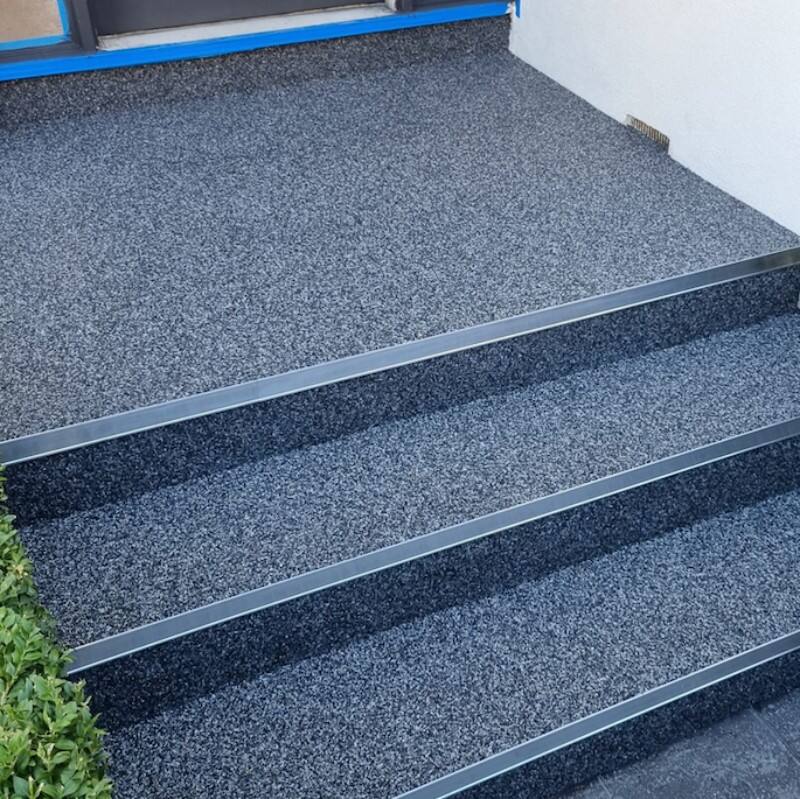
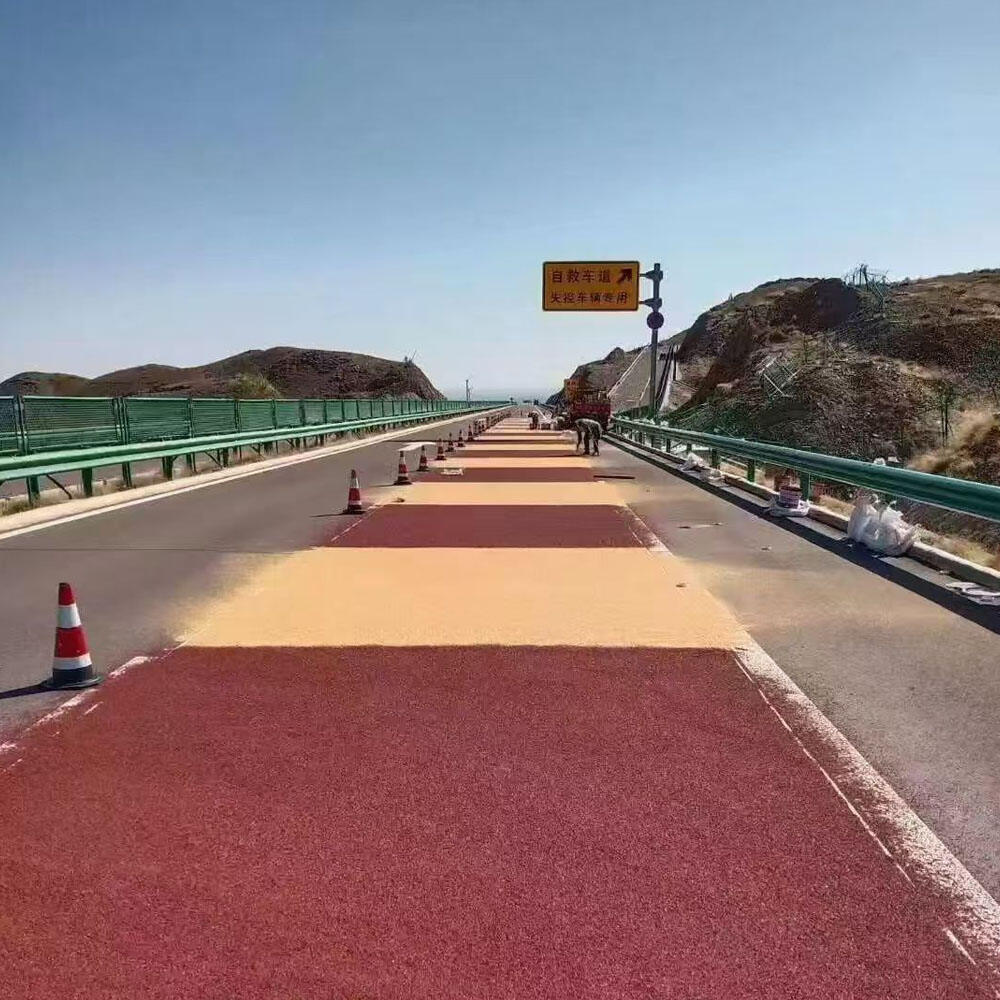
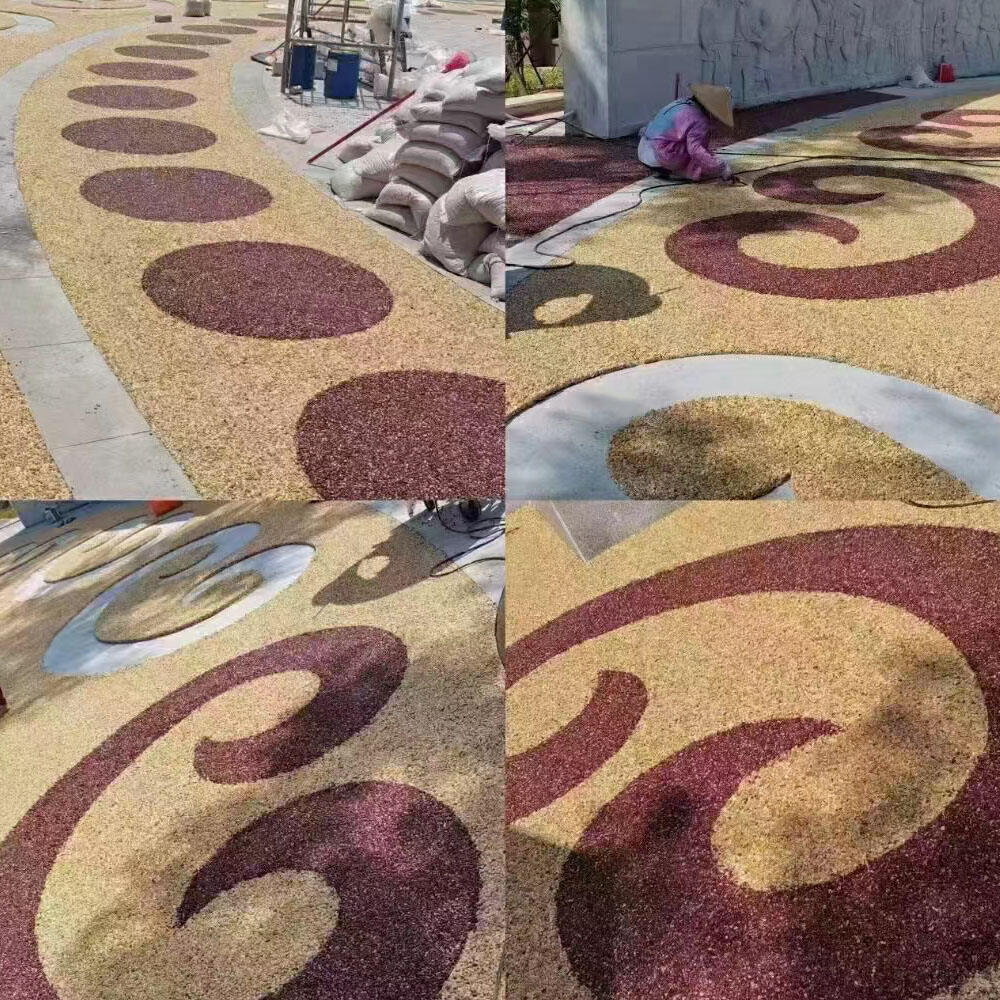
Industrial permeable concrete represents a revolutionary advancement in construction materials, engineered specifically to address the growing challenges of urban water management and environmental sustainability. This specialized concrete solution incorporates a unique porous structure that allows water to pass through its surface while maintaining structural integrity and durability. The primary function of industrial permeable concrete centers on its ability to manage stormwater runoff effectively, reducing the burden on municipal drainage systems and preventing flooding in industrial facilities. This innovative material features an interconnected void system that typically ranges from 15% to 25% of the total volume, creating pathways for water infiltration while preserving load-bearing capacity. The technological framework behind industrial permeable concrete involves careful aggregate gradation, specialized cement formulations, and precise water-to-cement ratios that optimize both permeability and strength characteristics. Manufacturing processes incorporate controlled mixing techniques that ensure uniform distribution of voids throughout the concrete matrix, resulting in consistent hydraulic performance across the entire surface area. Industrial applications for this permeable concrete span across multiple sectors, including manufacturing facilities, distribution centers, parking areas, loading docks, and heavy-duty pavements where both water management and structural performance remain critical. The material excels in environments where traditional drainage solutions prove inadequate or costly to implement. Key technological features include customizable permeability rates that can be adjusted based on specific site requirements, ranging from moderate infiltration for light industrial use to high-capacity drainage for intensive applications. The concrete matrix maintains compressive strength suitable for industrial loading while providing thermal stability and freeze-thaw resistance in various climatic conditions. Surface textures can be tailored to provide appropriate slip resistance for worker safety while maintaining optimal water flow characteristics. Installation procedures for industrial permeable concrete require specialized techniques that ensure proper compaction without closing void spaces, utilizing equipment and methods specifically designed for porous concrete applications. Quality control measures throughout the installation process guarantee consistent permeability performance and structural adequacy across the entire project area, making this material an essential component in modern sustainable industrial construction practices.

New Product Recommendations

Industrial permeable concrete delivers substantial cost savings through its integrated water management capabilities, eliminating the need for expensive traditional drainage infrastructure such as storm sewers, catch basins, and retention ponds. Property developers and facility managers experience immediate financial benefits as this innovative solution reduces construction costs while providing superior long-term performance. The material requires minimal maintenance compared to conventional concrete surfaces, as its self-draining properties prevent water accumulation and reduce the risk of freeze-thaw damage, cracking, and surface deterioration. Environmental benefits position industrial permeable concrete as a sustainable choice that supports green building initiatives and environmental compliance requirements. The concrete naturally filters stormwater runoff, removing pollutants, oils, and debris before water reaches groundwater systems or nearby water bodies. This filtration process helps industries meet strict environmental regulations while contributing to improved water quality in surrounding areas. The material significantly reduces urban heat island effects by allowing air circulation through its porous structure and supporting natural cooling processes, creating more comfortable working environments and reducing energy costs for climate control. Installation advantages include faster project completion times since separate drainage system construction becomes unnecessary, allowing industrial facilities to begin operations sooner. The concrete adapts to various substrate conditions and integrates seamlessly with existing infrastructure, making it suitable for both new construction and retrofit applications. Performance benefits extend to enhanced worker safety through improved slip resistance and reduced standing water on surfaces, particularly important in industrial environments where safety regulations demand optimal working conditions. The material demonstrates exceptional durability under heavy industrial loads while maintaining its permeability characteristics over extended service life. Freeze-thaw resistance properties ensure reliable performance in cold climates without compromising structural integrity or hydraulic function. Customization options allow engineers to specify permeability rates, strength characteristics, and surface textures that match specific operational requirements, providing flexibility that traditional concrete cannot offer. Economic advantages compound over time as reduced drainage maintenance, lower environmental compliance costs, and decreased surface replacement needs generate substantial savings throughout the facility's operational lifetime, making industrial permeable concrete a smart investment for forward-thinking industrial operations.

Practical Tips

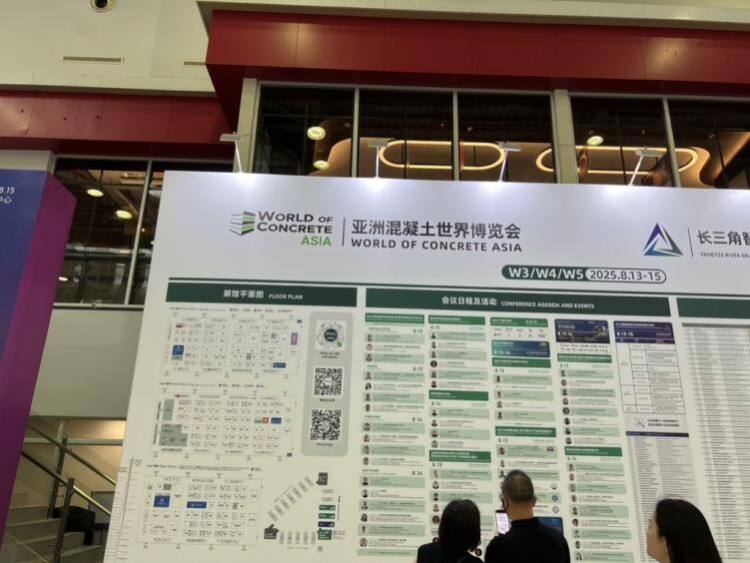
Shandong Huacheng High-Tech Participates in WORLD OF CONCRETE ASIA 2025 in Shanghai

25

Feb

Shandong Huacheng High-Tech Participates in WORLD OF CONCRETE ASIA 2025 in Shanghai

View More
Shandong Huacheng High-Tech Shines at CHINACOAT 2025 Shanghai

25

Feb

Shandong Huacheng High-Tech Shines at CHINACOAT 2025 Shanghai

View More
Huacheng High-Tech Recognized as Provincial Enterprise Technology Center by Shandong Province

27

Feb

Huacheng High-Tech Recognized as Provincial Enterprise Technology Center by Shandong Province

View More

Get a Free Quote

Our representative will contact you soon.
Email
Mobile/WhatsApp
Name
Company Name
Message
0/1000

industrial permeable concrete

Superior Water Management and Flood Prevention

Superior Water Management and Flood Prevention

Industrial permeable concrete transforms water management challenges into efficient solutions through its advanced porous structure that handles substantial rainfall and surface water with remarkable effectiveness. This innovative material eliminates costly flooding issues that plague traditional industrial facilities, where standing water can halt operations, damage equipment, and create safety hazards. The concrete's engineered void system processes water at rates significantly exceeding natural rainfall intensities, typically managing between 3 to 8 gallons per minute per square foot, depending on the specific mix design and application requirements. This exceptional capacity prevents water accumulation during severe weather events, ensuring continuous facility operations even during heavy storms. The technology behind this water management capability involves carefully calibrated aggregate sizing and specialized cement formulations that create interconnected pathways while maintaining structural strength. Unlike traditional drainage systems that can become overwhelmed or blocked, industrial permeable concrete provides distributed water management across the entire surface area, eliminating bottlenecks and failure points common in conventional drainage infrastructure. The material's ability to reduce peak stormwater flows benefits not only individual facilities but entire municipal drainage networks by decreasing the burden on aging infrastructure. Property owners experience immediate cost benefits as expensive drainage retrofits become unnecessary, while long-term operational advantages include reduced insurance costs due to decreased flood risk and eliminated maintenance of traditional drainage systems. Environmental benefits extend beyond immediate facility needs, as the concrete helps recharge local groundwater supplies and reduces erosion in nearby waterways by controlling runoff velocity and volume. Industrial facilities utilizing this technology report significant improvements in operational continuity, with fewer weather-related shutdowns and reduced cleanup costs associated with standing water. The concrete's performance remains consistent throughout its service life, maintaining permeability characteristics that ensure reliable water management year after year. Quality installations demonstrate durability under heavy industrial traffic while preserving hydraulic function, making this solution ideal for high-demand environments where both structural performance and water management remain critical. This comprehensive approach to water management represents a paradigm shift from reactive drainage solutions to proactive integrated systems that enhance facility resilience and operational efficiency.
Enhanced Environmental Sustainability and Compliance

Enhanced Environmental Sustainability and Compliance

Industrial permeable concrete serves as a powerful environmental stewardship tool that helps facilities achieve sustainability goals while ensuring compliance with increasingly stringent environmental regulations. This innovative concrete solution actively contributes to water quality improvement through its natural filtration capabilities, removing harmful pollutants, heavy metals, oils, and suspended solids from stormwater runoff before they reach groundwater or surface water bodies. The filtration process occurs as water passes through the porous concrete matrix, where physical straining, biological processes, and chemical interactions work together to clean contaminated runoff. Industrial facilities benefit from reduced environmental liability and compliance costs as the concrete helps meet Clean Water Act requirements and local stormwater management regulations without additional treatment systems. The material supports LEED certification and green building standards by contributing points in multiple categories, including sustainable site development, water efficiency, and innovation in design. Environmental benefits extend to carbon footprint reduction, as the concrete's manufacturing process can incorporate recycled materials and its installation eliminates the need for energy-intensive traditional drainage infrastructure. The concrete's ability to reduce urban heat island effects creates cooler microclimates around industrial facilities, decreasing energy consumption for cooling systems and improving working conditions for employees. Groundwater recharge capabilities help restore natural hydrologic cycles that urbanization typically disrupts, supporting local ecosystems and water table stability. Long-term environmental advantages include reduced soil erosion, decreased burden on wastewater treatment facilities, and improved habitat conditions in nearby water bodies due to reduced pollutant loading. Industrial facilities implementing this technology demonstrate corporate environmental responsibility while achieving measurable sustainability metrics that enhance their market position and stakeholder relationships. The concrete's durability means these environmental benefits persist throughout the facility's operational lifetime without degradation, providing consistent performance that supports long-term sustainability commitments. Regulatory compliance becomes more manageable as the integrated system reduces monitoring requirements and potential violations associated with traditional stormwater management approaches. This comprehensive environmental solution positions industrial permeable concrete as an essential component in corporate sustainability strategies and environmental management systems.
Exceptional Durability and Cost-Effective Performance

Exceptional Durability and Cost-Effective Performance

Industrial permeable concrete delivers outstanding long-term value through exceptional durability characteristics that maintain both structural integrity and hydraulic performance under demanding industrial conditions. This specialized concrete withstands heavy vehicular traffic, including fully loaded trucks, forklifts, and industrial equipment, while preserving its porous structure and water management capabilities throughout extended service life. The material's engineered composition incorporates high-strength cement systems and carefully selected aggregates that provide compressive strengths suitable for industrial loading requirements while maintaining the void structure essential for permeability. Advanced mix designs ensure optimal balance between strength and porosity, creating concrete that performs reliably under thermal cycling, freeze-thaw conditions, and chemical exposure common in industrial environments. Cost-effectiveness emerges through multiple factors, beginning with reduced initial construction costs due to eliminated separate drainage infrastructure requirements. Traditional drainage systems involving pipes, catch basins, and storm sewers require significant excavation, materials, and labor, while industrial permeable concrete installation involves straightforward placement techniques that reduce project timelines and associated costs. Maintenance advantages compound long-term savings as the concrete's self-draining properties prevent common deterioration mechanisms that affect conventional pavements, including freeze-thaw damage, surface scaling, and joint deterioration caused by standing water. The material's resistance to oil stains, chemical spills, and industrial contaminants reduces cleaning costs and extends surface life compared to traditional concrete surfaces. Quality installations demonstrate service lives exceeding 30 years with minimal maintenance requirements beyond periodic surface cleaning and occasional joint sealing. Performance testing confirms that properly installed industrial permeable concrete maintains structural capacity and permeability characteristics throughout its design life, ensuring consistent return on investment. The concrete's ability to accommodate thermal expansion and contraction without compromising performance reduces repair costs associated with cracking and joint failures common in conventional pavements. Energy cost savings result from the material's thermal properties and reduced heat island effects, lowering cooling costs for adjacent facilities. Insurance benefits may include reduced premiums due to decreased flood risk and improved safety conditions, further enhancing the economic advantages. This comprehensive durability and cost-effectiveness profile makes industrial permeable concrete an intelligent long-term investment that delivers measurable financial returns while providing superior performance throughout its service life.

Get a Free Quote

Our representative will contact you soon.
Email
Mobile/WhatsApp
Name
Company Name
Message
0/1000