Versatile Application Methods and Customization Options
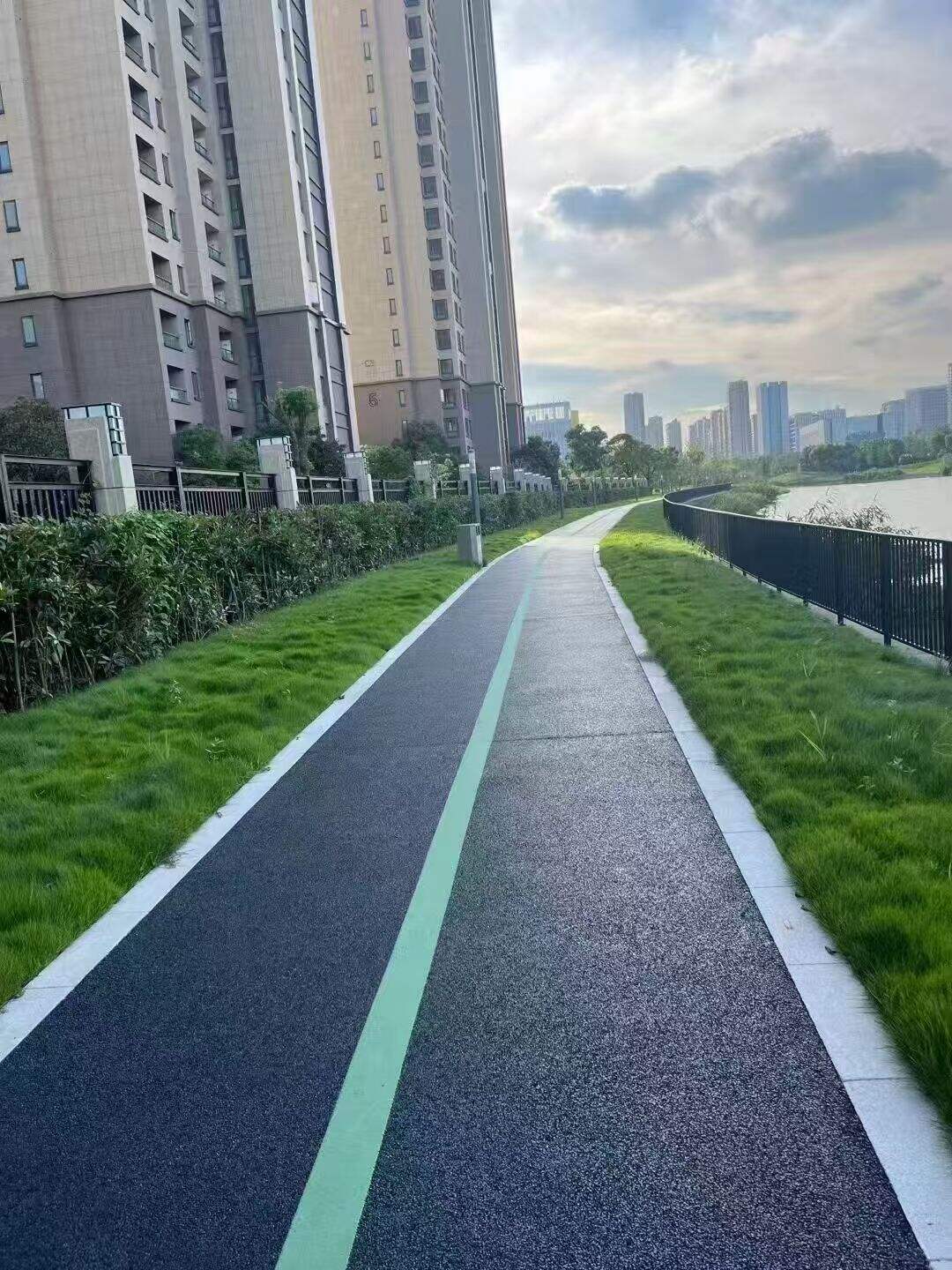
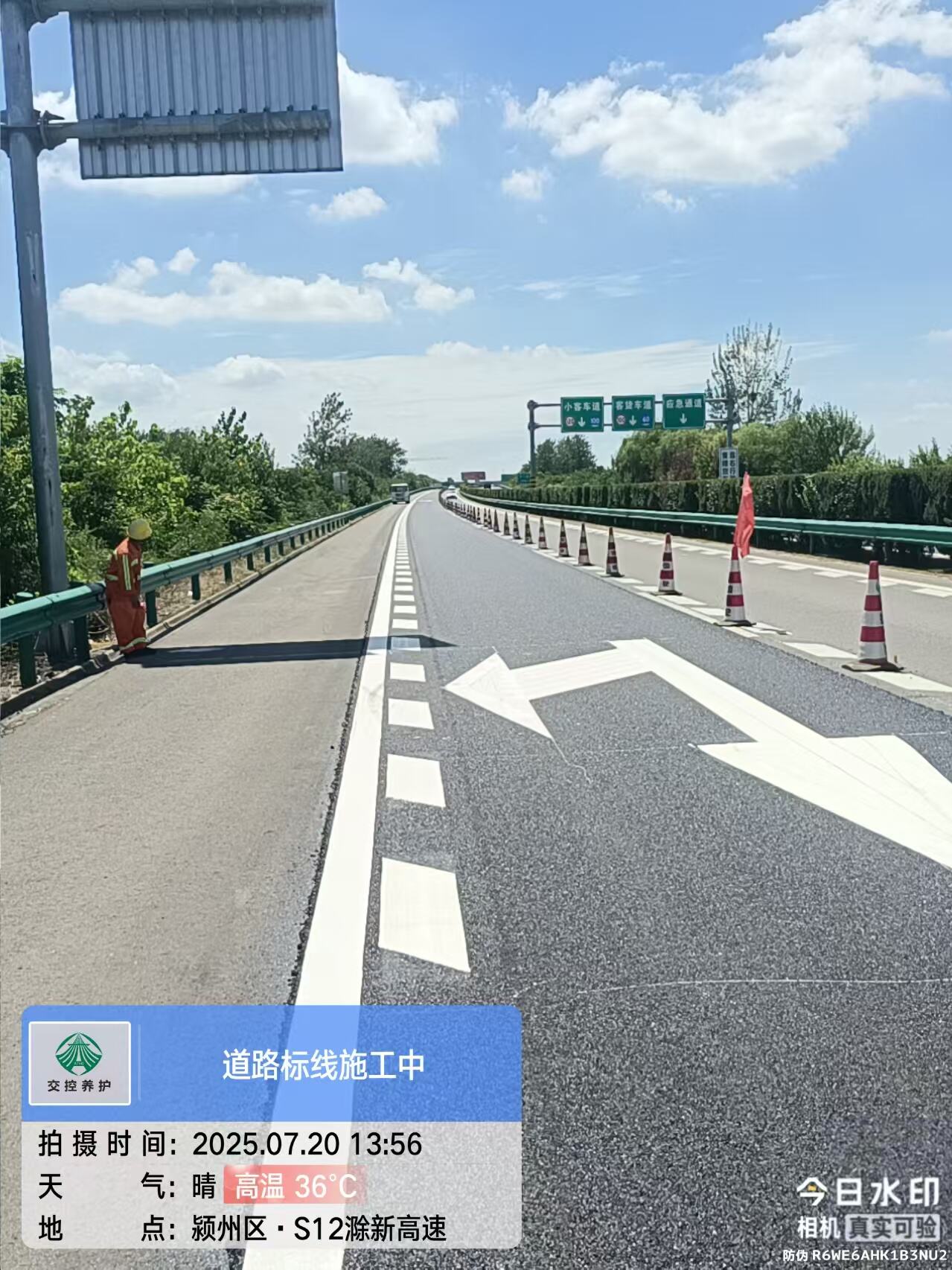
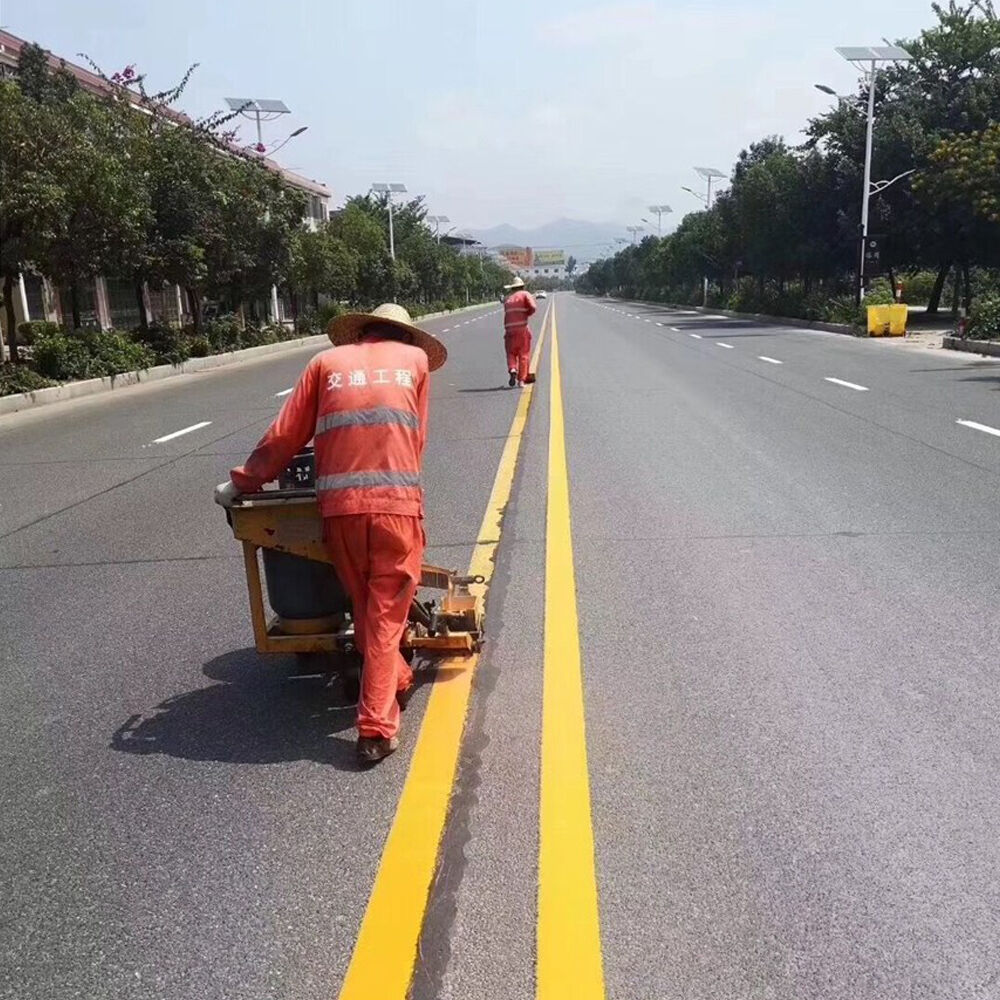
The versatile application methods and customization options available with modern road lane markings provide transportation professionals and property managers with flexible solutions that can be tailored to meet specific traffic management requirements, aesthetic preferences, and performance expectations. These advanced marking systems offer multiple installation techniques including spray application, extrusion methods, preformed tape installation, and thermoplastic hot-melt processes, each designed to optimize performance under different conditions and application requirements. The spray application method provides excellent coverage for large areas and complex geometric patterns, while extrusion techniques deliver precise line width control and consistent material thickness that ensures uniform appearance and performance characteristics. Preformed tape systems offer exceptional convenience for temporary installations, construction zones, and areas requiring frequent layout changes, while thermoplastic applications provide maximum durability for permanent high-traffic installations. The customization capabilities of contemporary road lane markings extend far beyond basic white and yellow color options to include specialized hues, patterns, textures, and embedded messaging systems that can convey specific information or enhance aesthetic appeal. Custom color formulations can match corporate branding requirements, complement architectural elements, or provide enhanced visibility under specific lighting conditions. Specialized texturing options create tactile feedback that alerts drivers when vehicles drift across lane boundaries, providing an additional safety feature that is particularly valuable for highway applications and areas with high accident rates. The flexibility of modern road lane markings also encompasses width variations, spacing adjustments, and pattern modifications that can accommodate unique traffic flow requirements, parking configurations, and pedestrian crossing needs. This adaptability makes road lane markings suitable for diverse applications ranging from complex highway interchanges and airport runways to shopping center parking lots and residential street systems, ensuring optimal performance regardless of the specific traffic management challenges involved.

 EN
EN