Long-Term Durability and Cost-Effective Maintenance
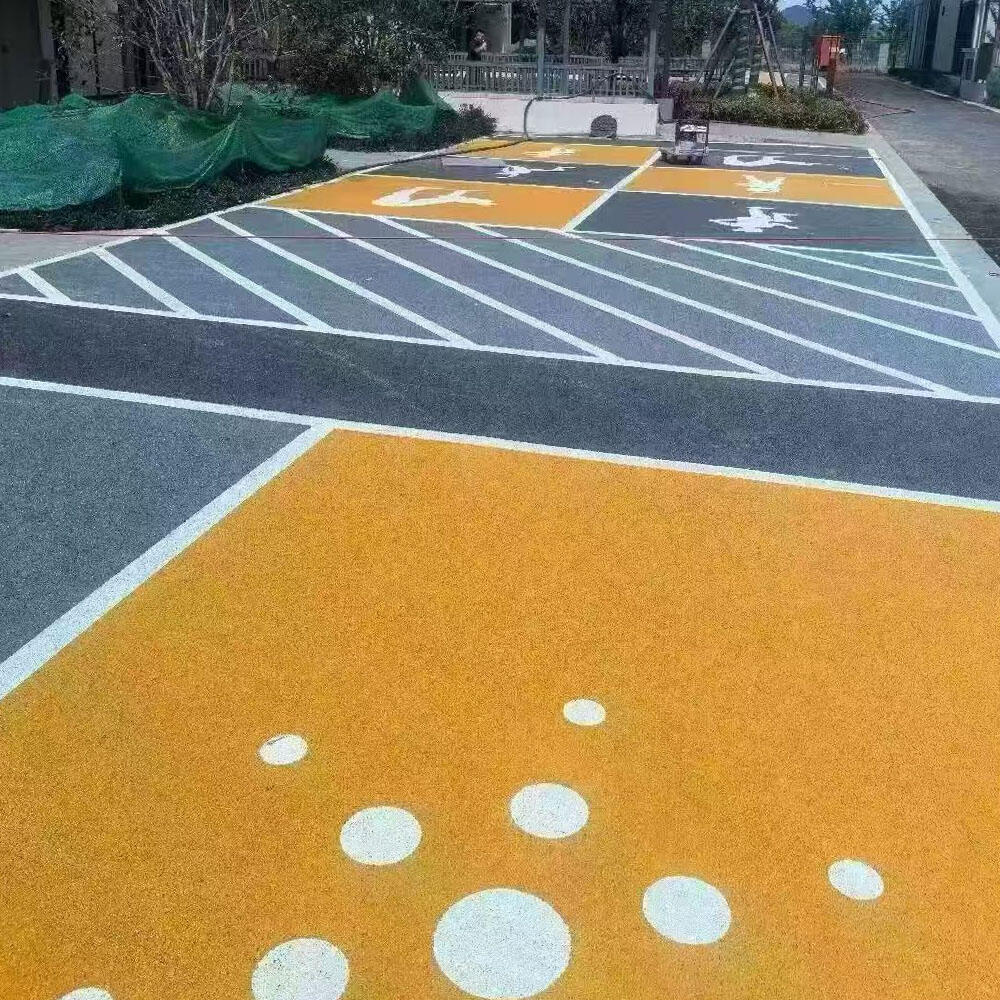
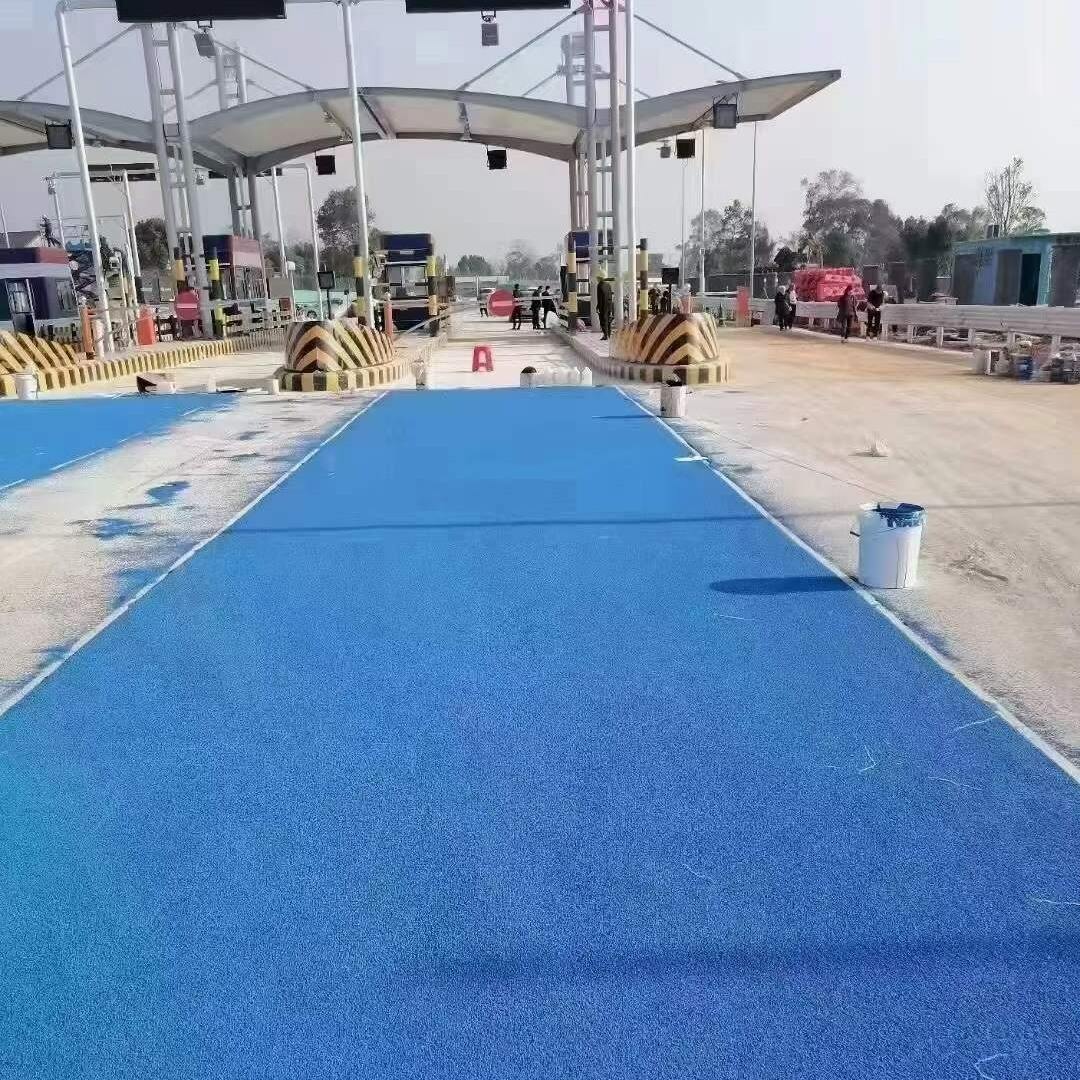
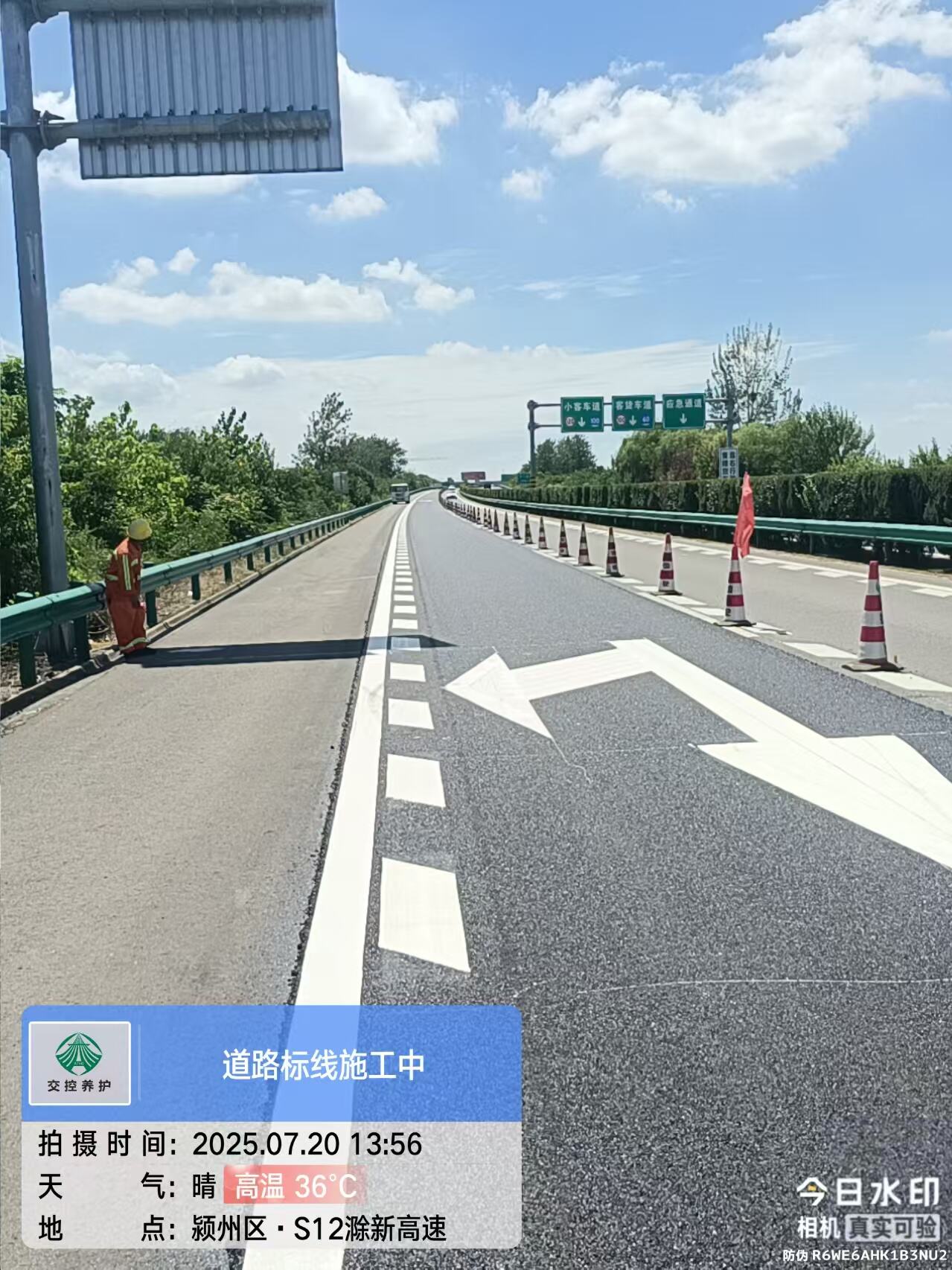
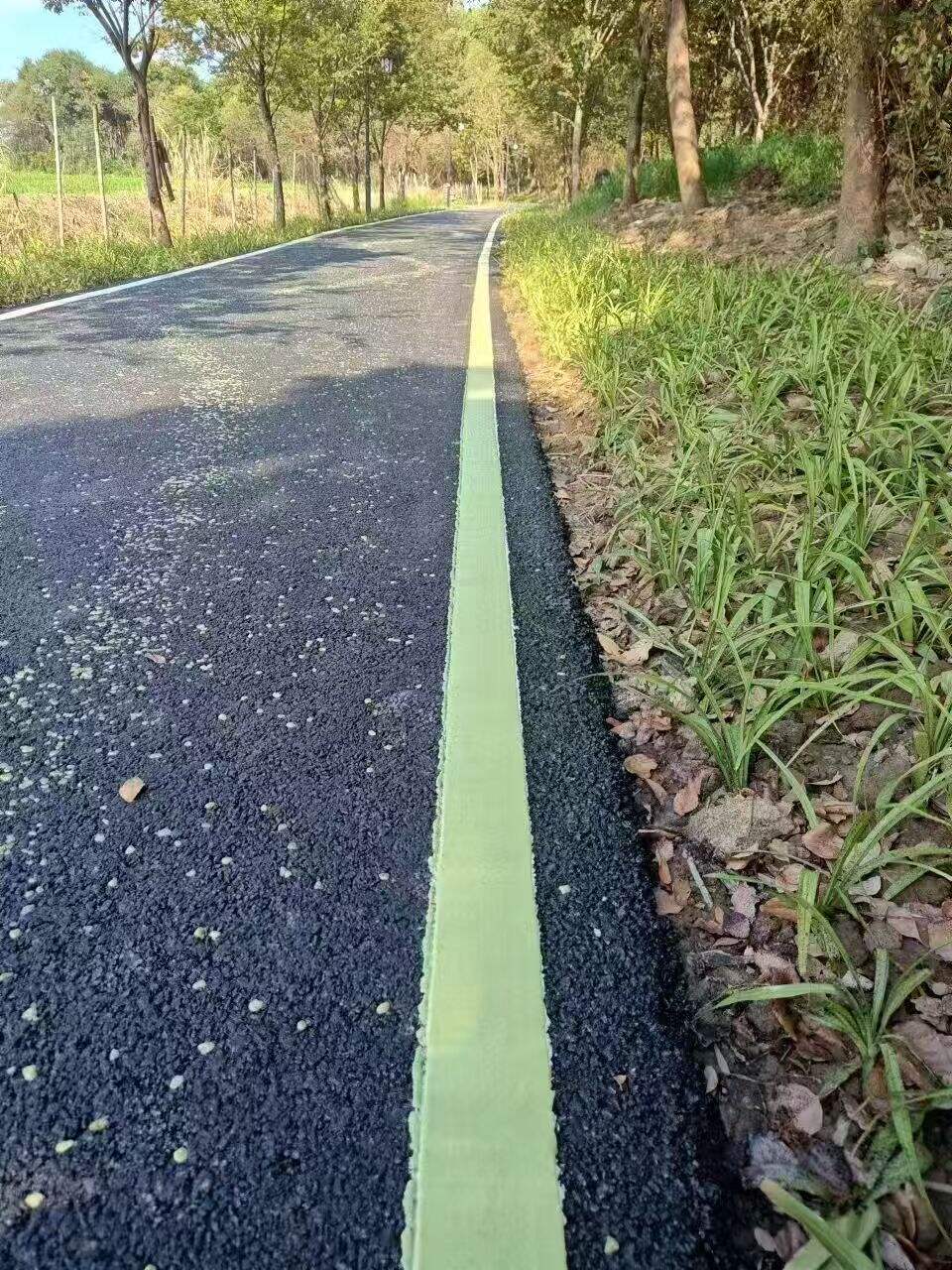
The road single yellow line demonstrates exceptional longevity through advanced material engineering that withstands the demanding conditions of modern roadway environments, including heavy traffic loads, temperature extremes, chemical exposure, and mechanical stress from snow removal operations. Comprehensive durability testing ensures that road single yellow line markings maintain structural integrity and visual clarity for extended periods, typically exceeding five years of service life under normal traffic conditions while requiring minimal maintenance interventions. The marking system resists common failure modes such as cracking, peeling, and color degradation through carefully formulated polymer matrices that provide flexibility and weather resistance while maintaining strong adhesion to pavement surfaces. Road single yellow line materials incorporate UV-stable pigments and protective additives that prevent color fading and maintain compliance with visibility standards throughout the marking's operational lifespan, ensuring consistent regulatory recognition and driver comprehension. Maintenance requirements for road single yellow line installations remain minimal due to superior wear resistance properties that allow the markings to withstand regular street sweeping, snow plowing, and high-pressure washing without significant deterioration or damage. Economic benefits of durable road single yellow line systems include reduced replacement frequency, lower material costs over time, and decreased labor expenses associated with maintenance activities, resulting in favorable lifecycle cost comparisons versus alternative marking solutions. Predictable performance characteristics enable transportation departments to develop accurate maintenance schedules and budget allocations for road single yellow line systems, facilitating long-term planning and resource management strategies. Environmental sustainability benefits emerge from extended road single yellow line service life, reducing material consumption, waste generation, and the frequency of installation activities that temporarily impact traffic flow and air quality in urban areas. Quality assurance programs monitor road single yellow line performance over time, collecting data on wear patterns, reflectivity retention, and structural condition to optimize future material specifications and installation procedures. The cost-effective nature of road single yellow line maintenance allows organizations to allocate resources toward additional safety improvements and infrastructure enhancements while maintaining existing traffic control systems at optimal performance levels.

 EN
EN