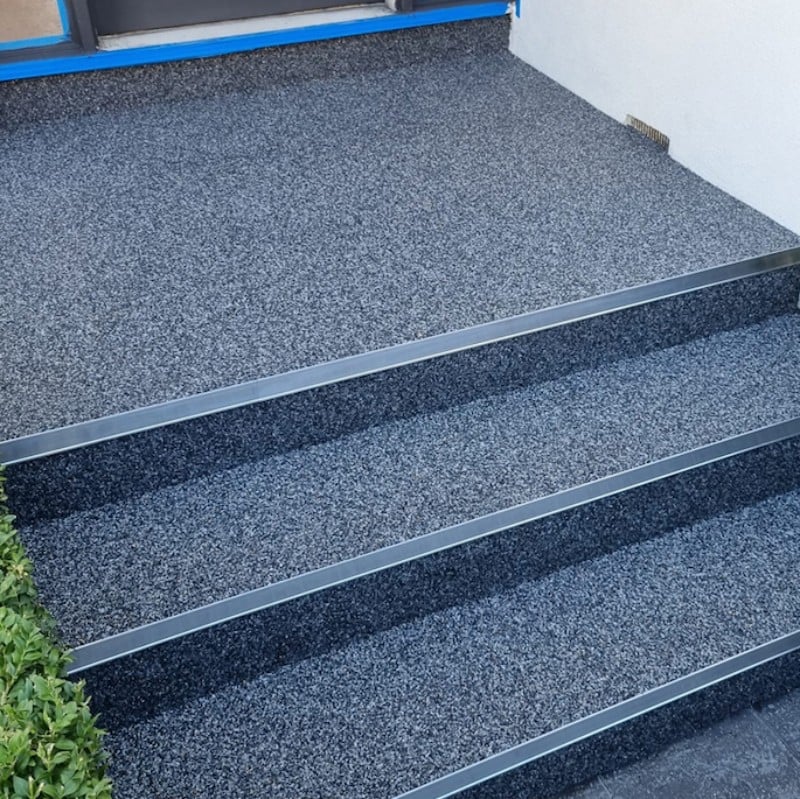
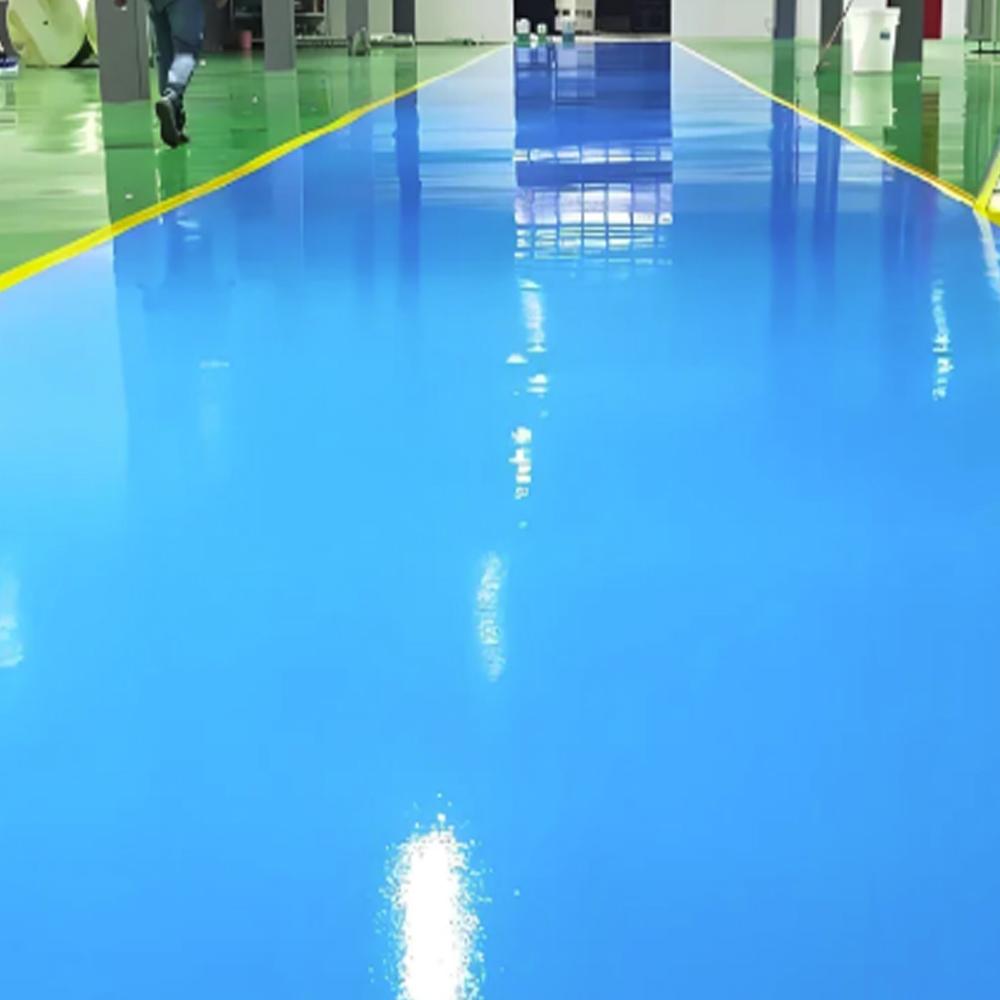
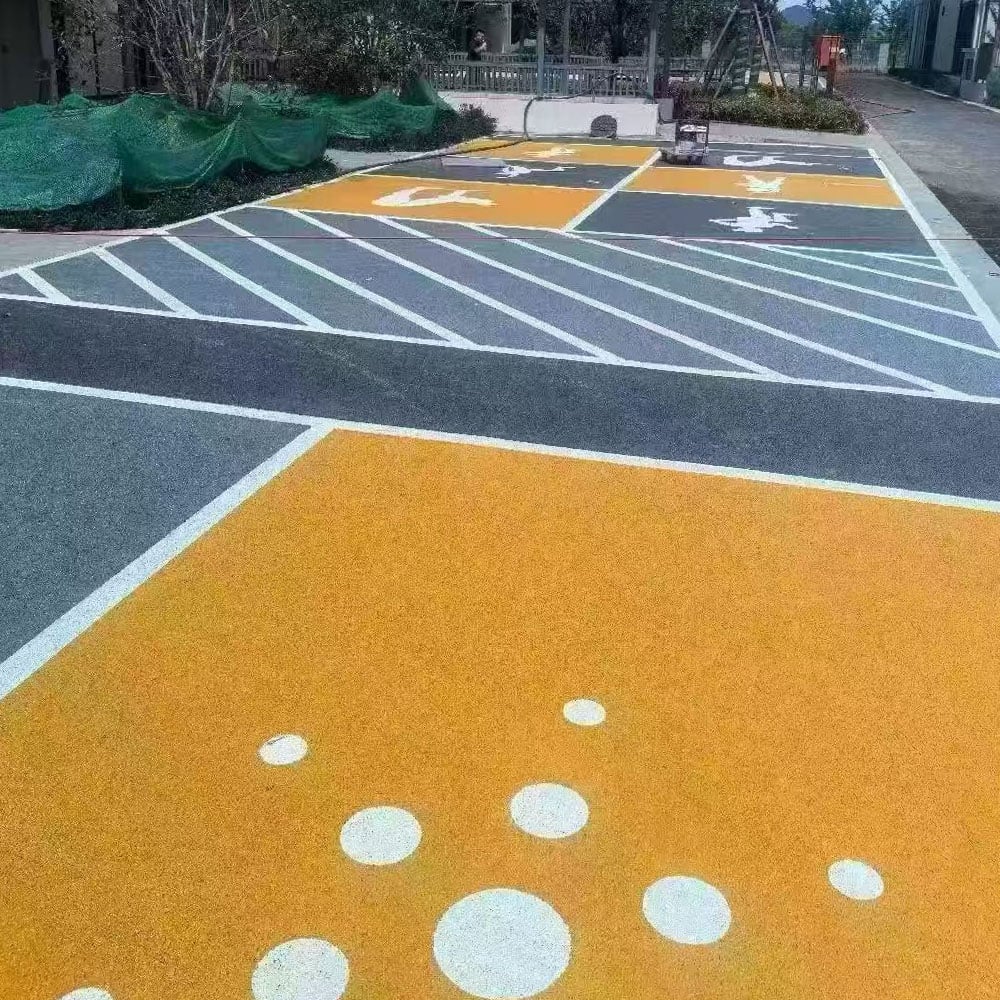
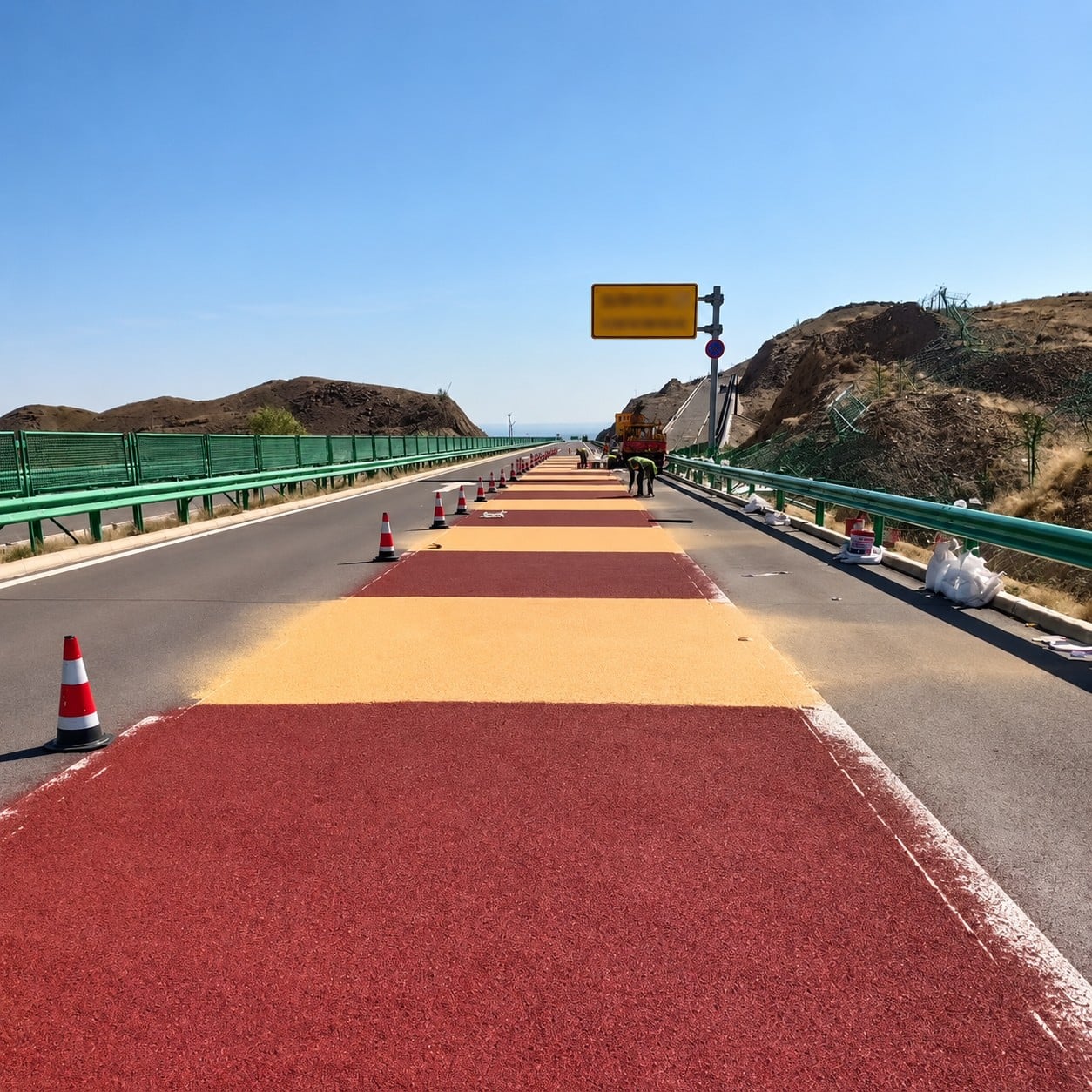
Polyurethane Mortar Flooring is a self-leveling, medium to heavy-duty, monolithic, four-component system. It consists of a water-based polyurethane binder combined with cement and aggregates to form a high-performance mortar layer. This flooring offe...
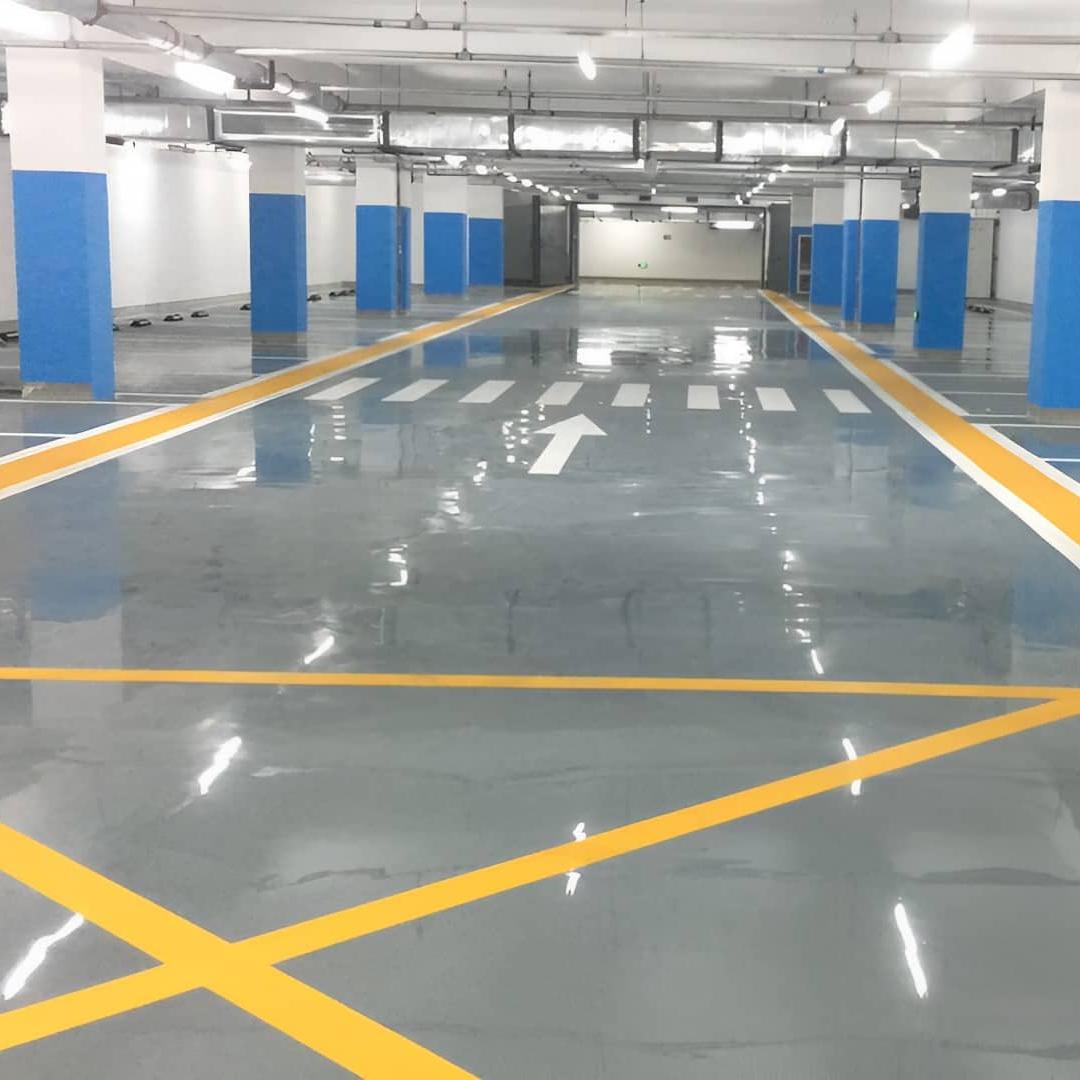
Polyurethane Mortar Flooring is a self-leveling, medium to heavy-duty, monolithic, four-component system. It consists of a water-based polyurethane binder combined with cement and aggregates to form a high-performance mortar layer. This flooring offers exceptional wear resistance, impact strength, chemical resistance, and durability against various physical stresses.
The surface is aesthetically pleasing, easy to clean, and features a smooth aggregate texture. It is typically applied at a thickness of4–6 mm.
Polyurethane mortar flooring is characterized by its resistance to high temperatures up to 115°C, acids, alkalis, oils, and heavy loads.
Resistant to a wide range of organic and inorganic acids, alkalis, amines, salts, and solvents, as well as oils and greases.
Thermal expansion coefficient similar to that of concrete, allowing it to move in sync with the substrate under normal thermal cycles, which minimizes cracking. Maintains physical properties within a temperature range of -40°C to 115°C.
Bonding strength exceeds the tensile strength of concrete (concrete fails first). Excellent performance under heavy loads.
Flexible under impact or deformation, preventing cracking or delamination.
High wear resistance due to its pure silica aggregate structure. Easy to maintain.
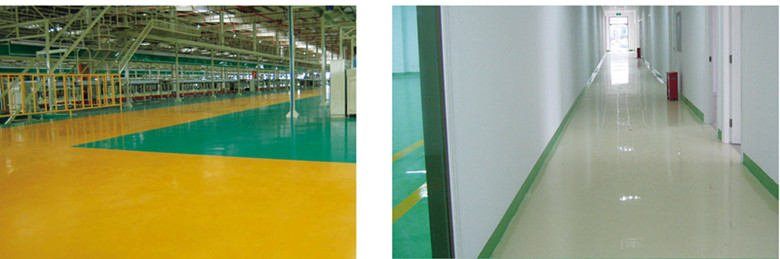
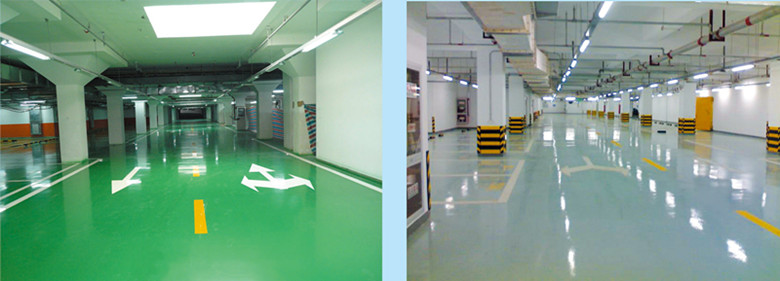
Polyurethane mortar flooring is primarily used in:
Workshops requiring heavy-duty vehicle traffic;
Areas exposed to oils;
Environments with high/low temperatures or exposure to acids/alkalis, such as:
Food processing plants, wet and dry processing areas, cold storage & freezer zones, dairy factories, breweries, distilleries, laboratories, chemical processing plants, pulp and paper mills, warehouses, and storage areas.

 EN
EN